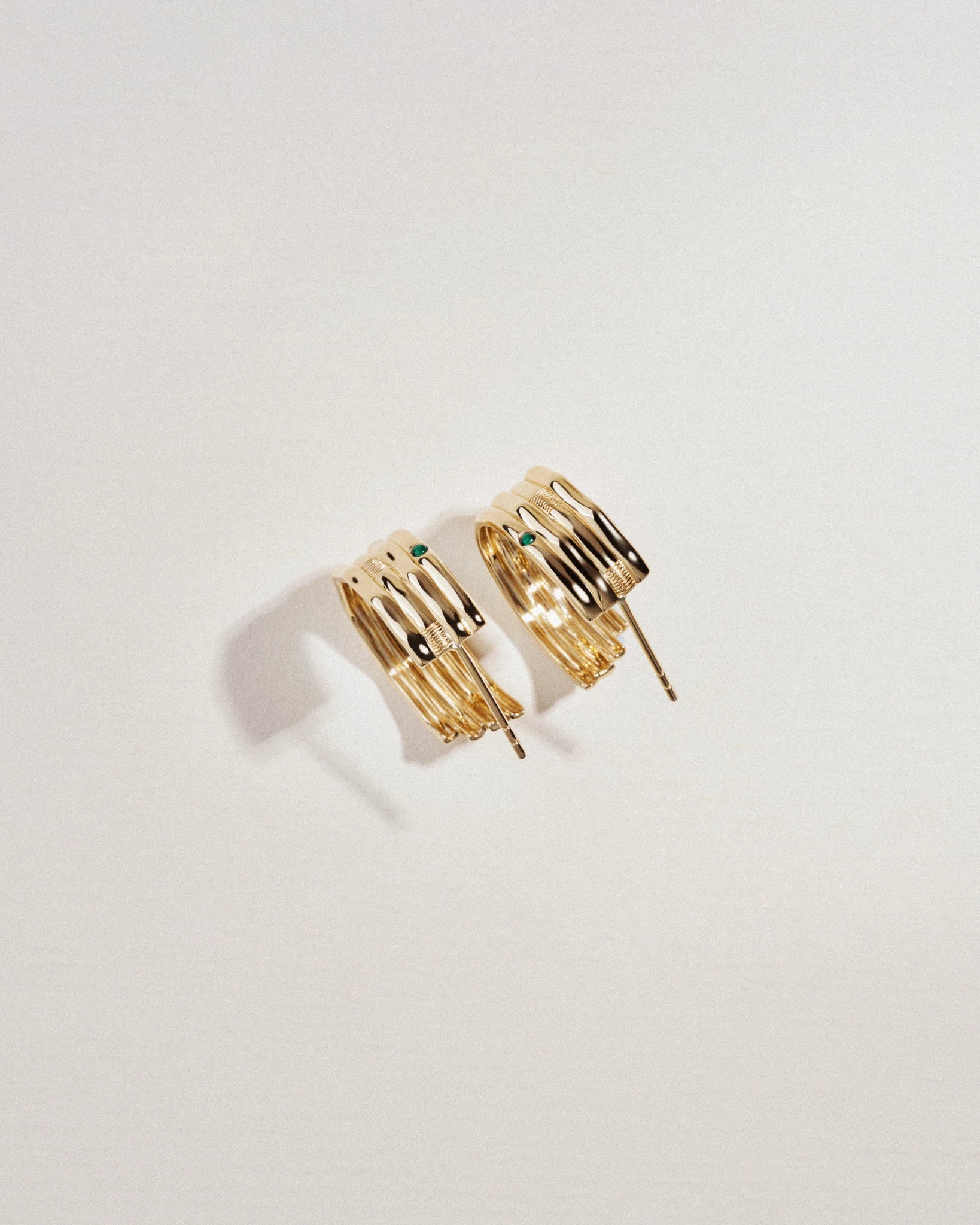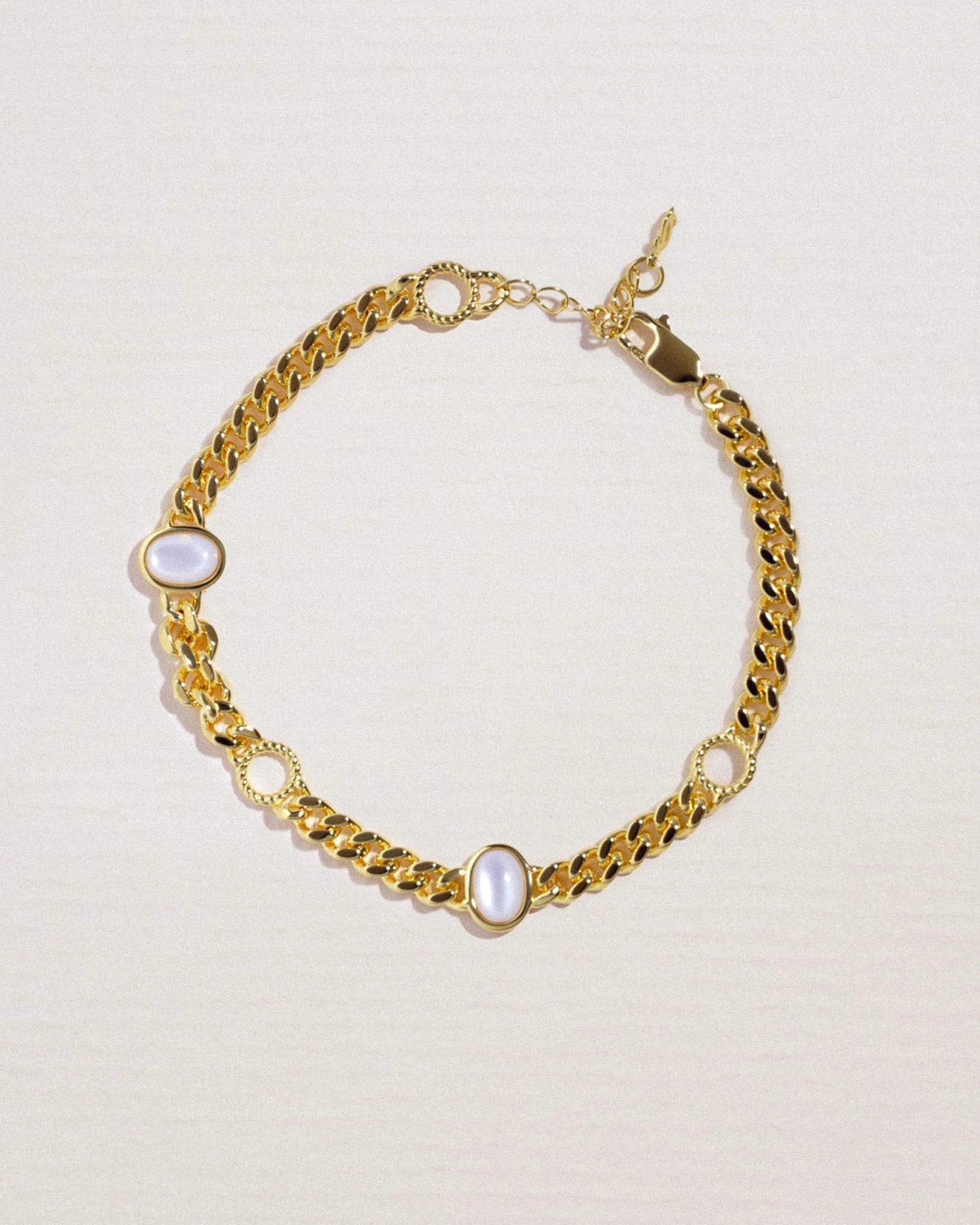

A gemstone may be the first thing you notice.
The color. The cut. The way it catches light.
But the setting is what makes that moment possible.
Settings are the tiny architecture of jewelry. They decide how a stone is held, how much light reaches it, how secure it feels, and how the entire piece wears over time. Some settings lift the stone into the spotlight. Some wrap around it like protection. Some line stones together so cleanly that the metal almost disappears.
Here are a few common gemstone settings, and why each one gives jewelry a different feeling.

Prong Setting
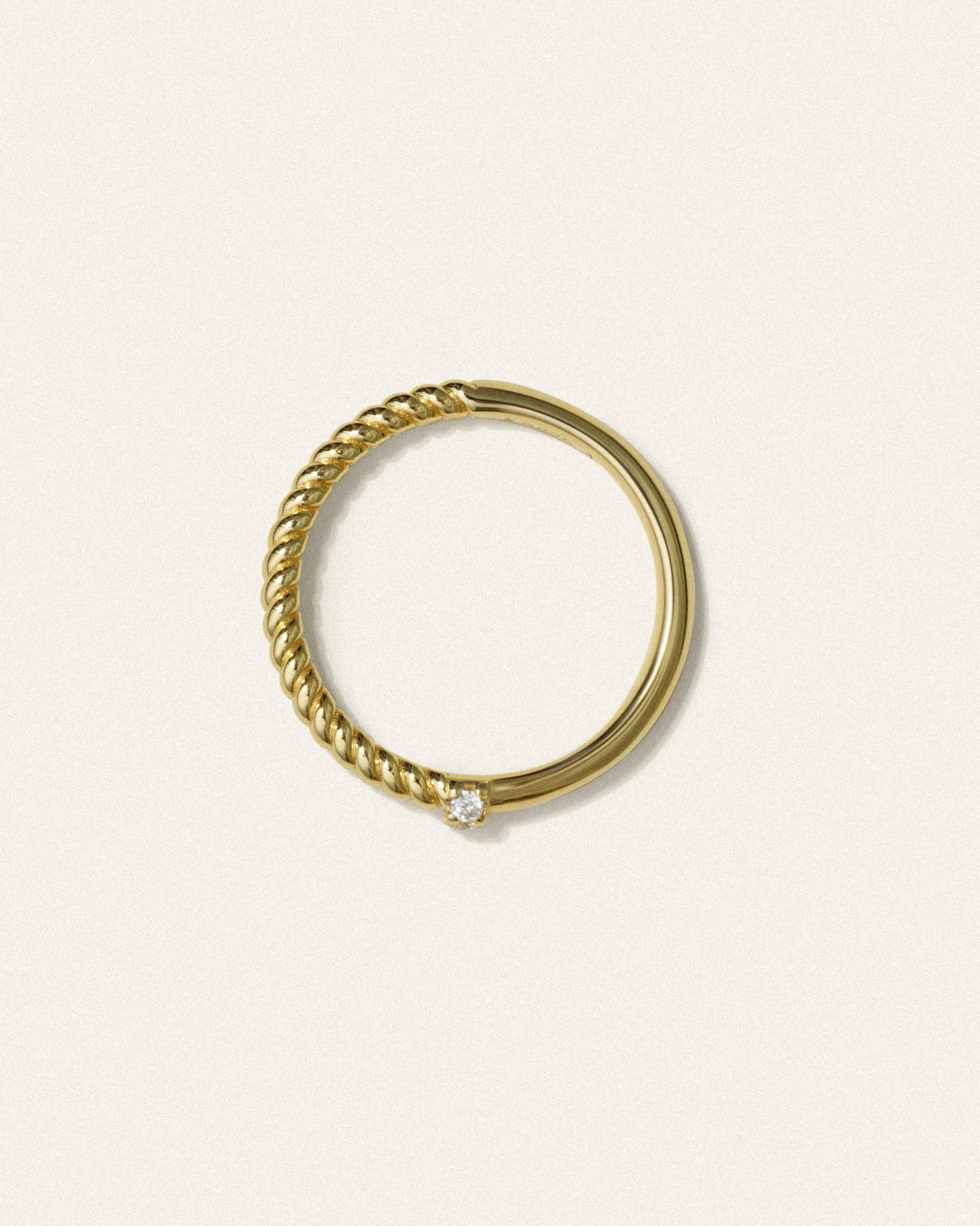
The prong setting is one of the most classic ways to hold a faceted stone, especially diamonds and other gems that love light.
Instead of surrounding the whole gemstone, this setting uses small metal claws, usually three to six, to grip the stone around its girdle. Because more of the stone is exposed, light can enter from multiple angles, making the gem look brighter and more open.
That is why prongs are often used when the goal is to let the stone shine as much as possible.
A prong setting can feel delicate, airy, and full of light. It gives the stone room to breathe, which is especially beautiful for diamonds, rubies, sapphires, garnets, and other faceted gems with strong brilliance.
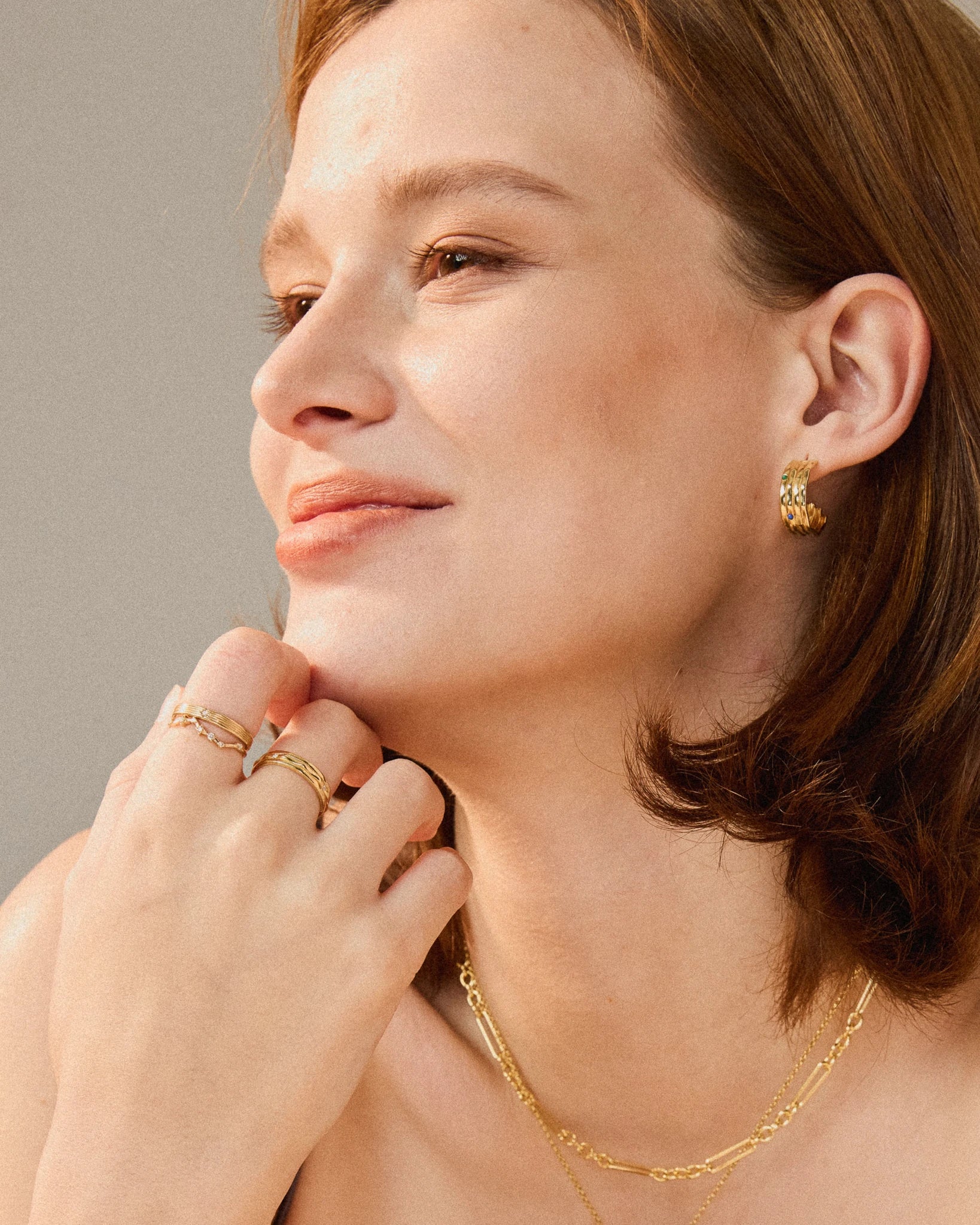
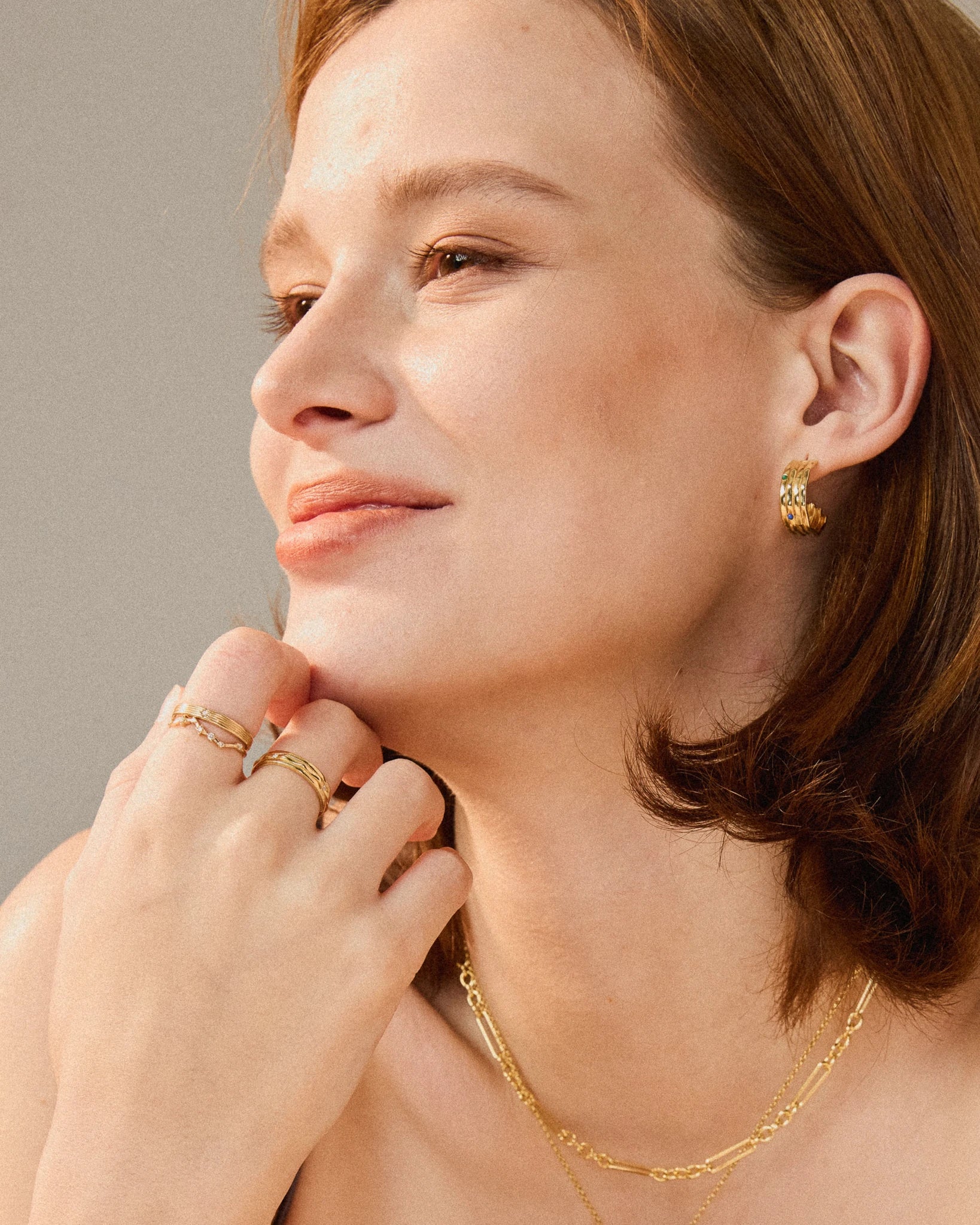
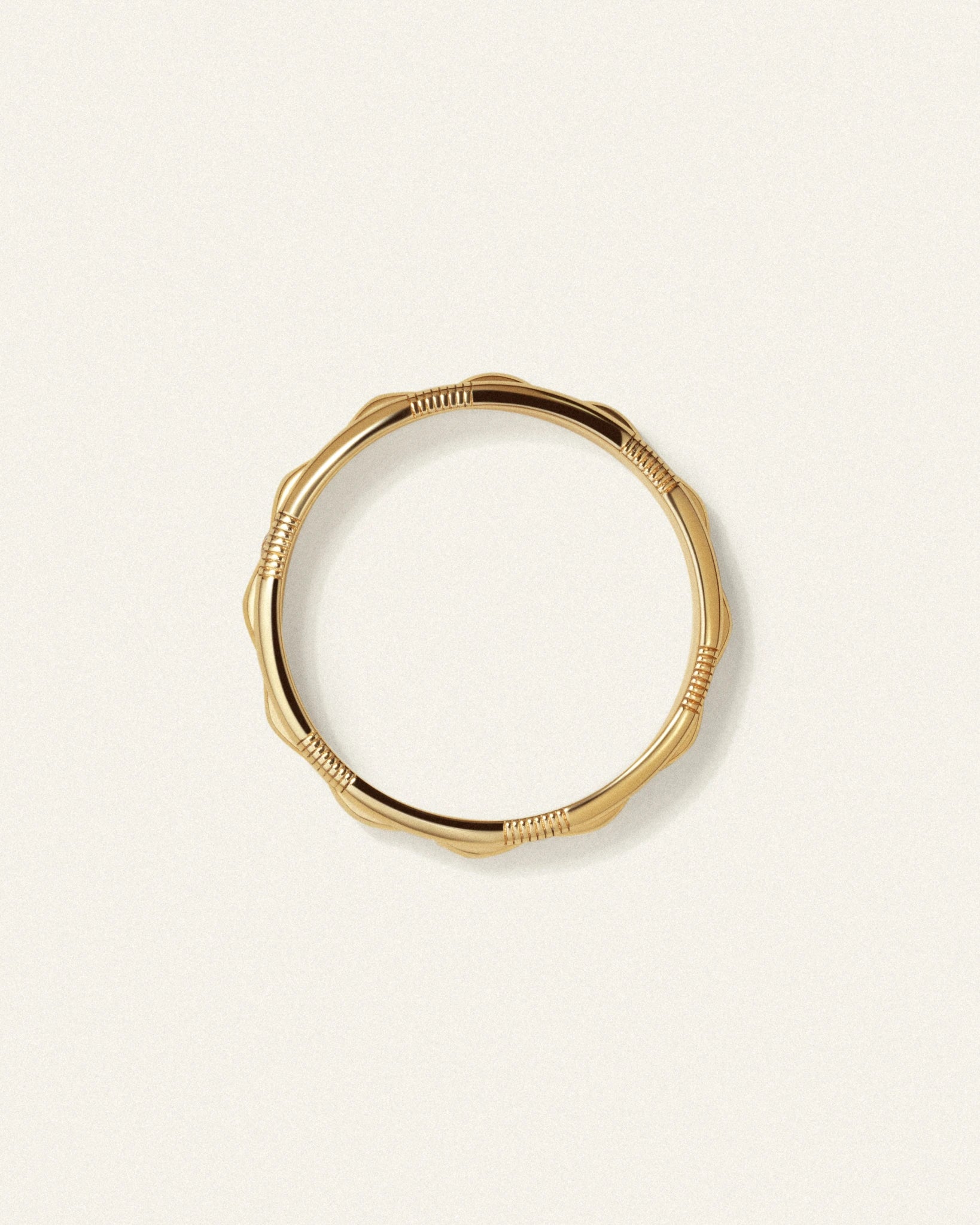
At Stanza, we use prong settings in pieces like Simply Agate Ring, where the stone is meant to sit visibly and catch light with every small movement. The setting does not hide the gem. It frames it.

Best for: faceted stones, diamonds, statement center stones, pieces where light performance matters. What to know: prongs give the stone more exposure, so they should be checked over time to make sure the stone stays secure.

Bezel Setting
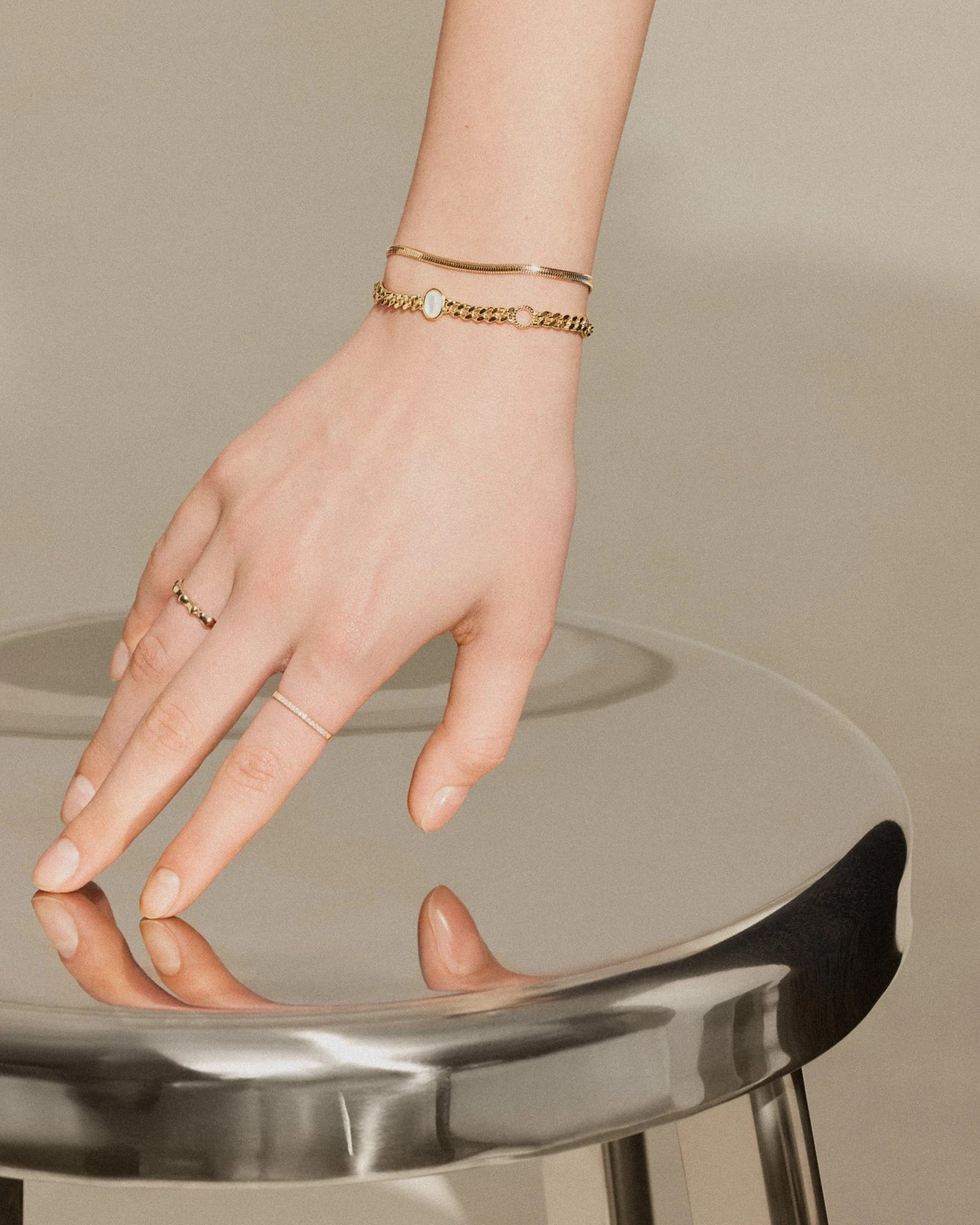
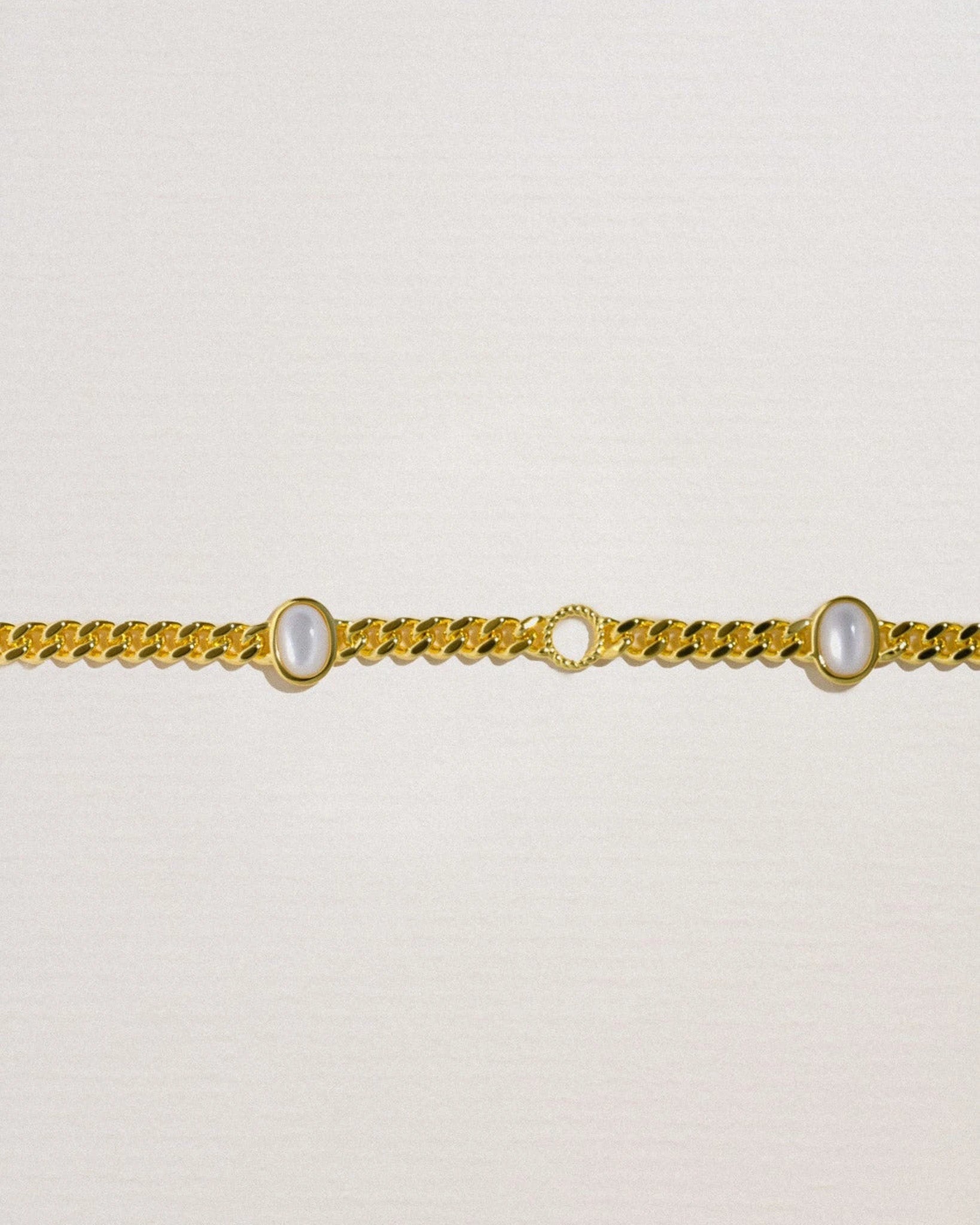
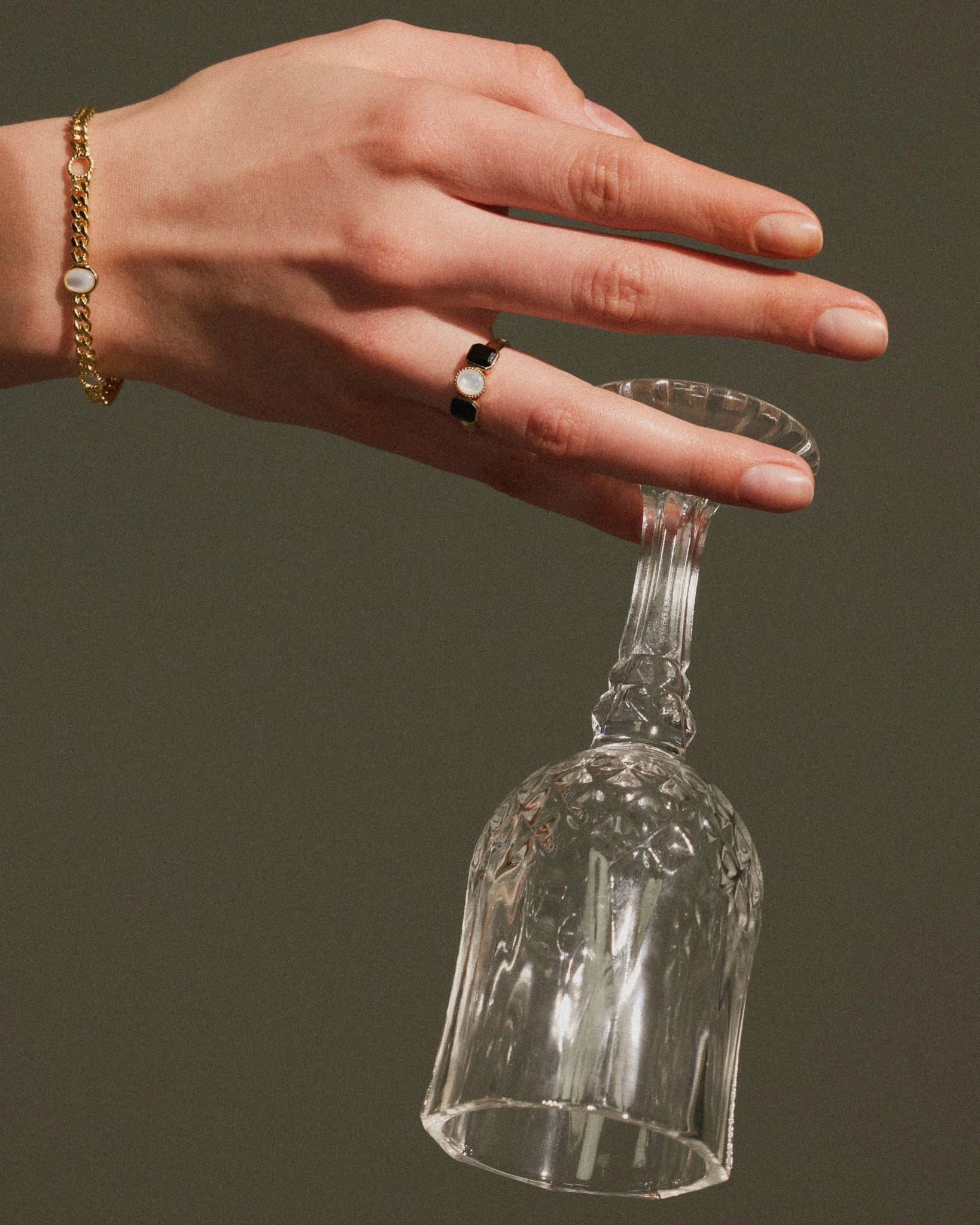
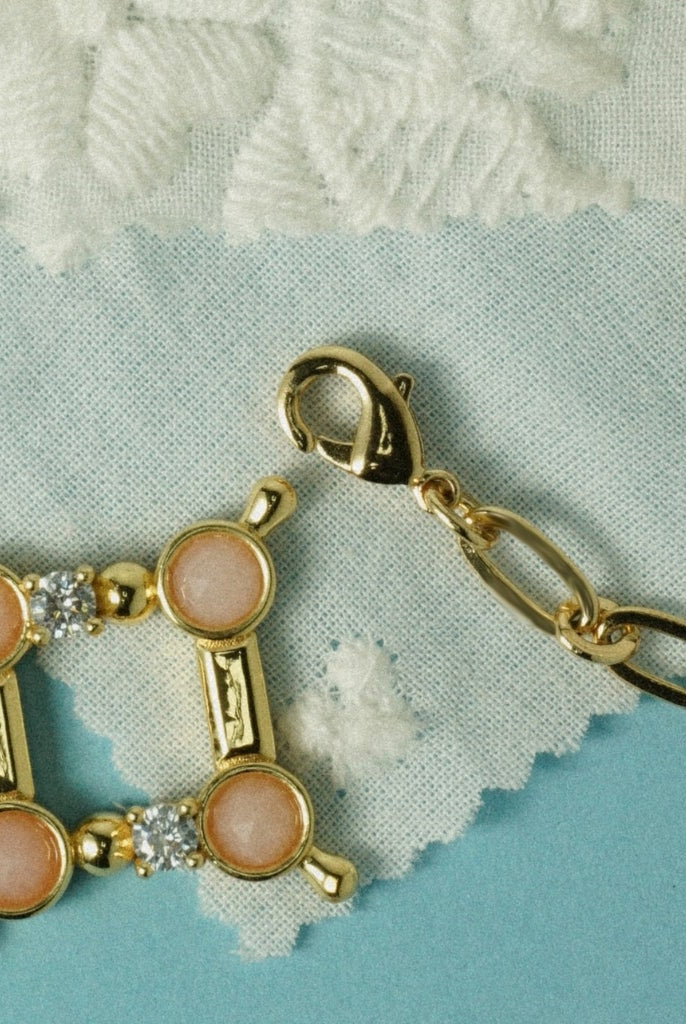
A bezel setting is one of the most secure and protective ways to set a gemstone.
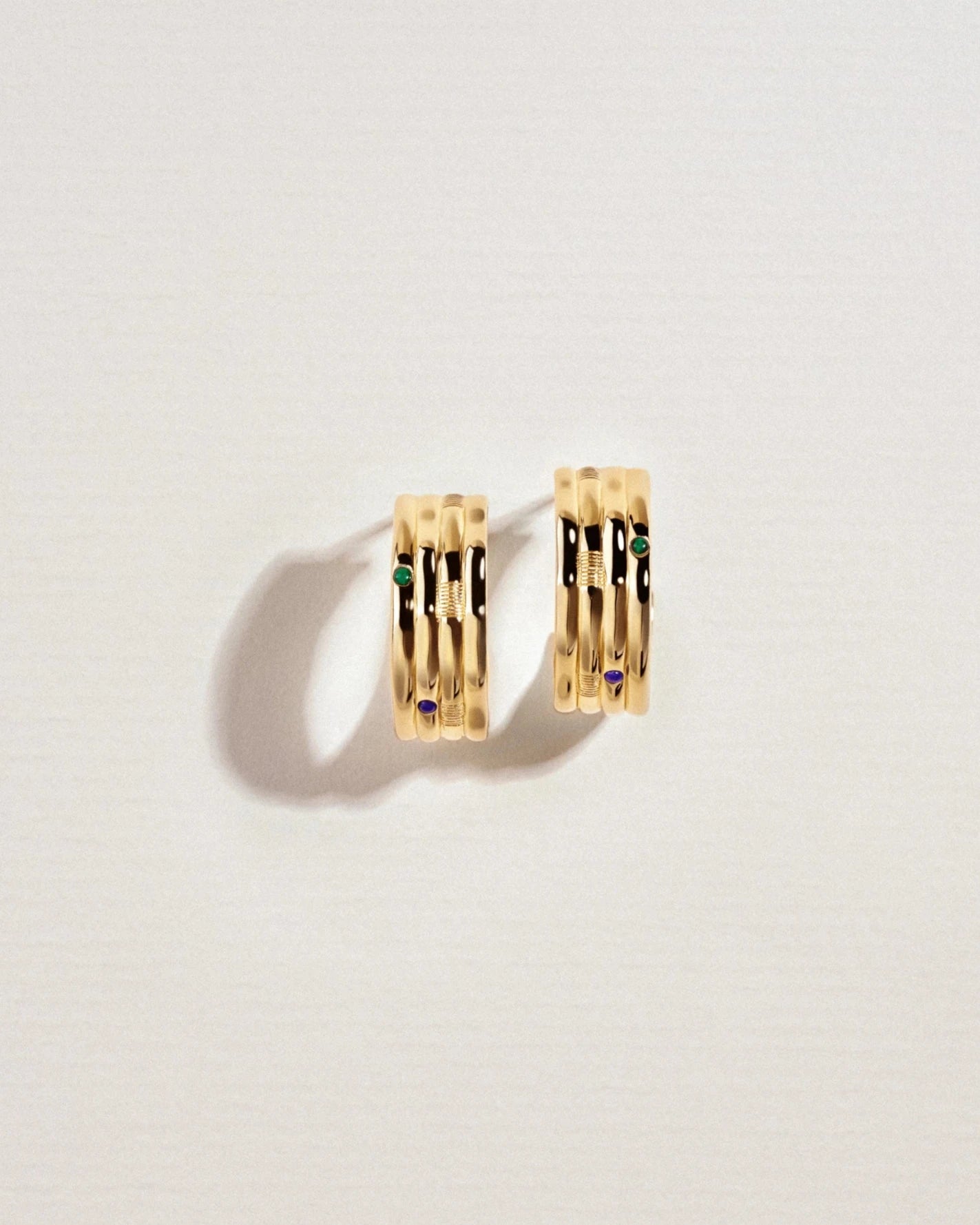
Instead of using small claws, a thin metal rim surrounds the stone, holding it in place from all sides. This makes the setting especially durable and comfortable for everyday wear, since there are no raised prongs that can catch on fabric or hair.
Bezel settings can be used for both faceted stones and cabochons, which are smooth, rounded stones without facets.
Visually, a bezel gives a stone a clean outline. It can make the gem feel more modern, more sculptural, and more grounded. It does not try to disappear. It becomes part of the design.
That is why bezel settings are so good for pieces that are meant to feel smooth, wearable, and quietly strong.
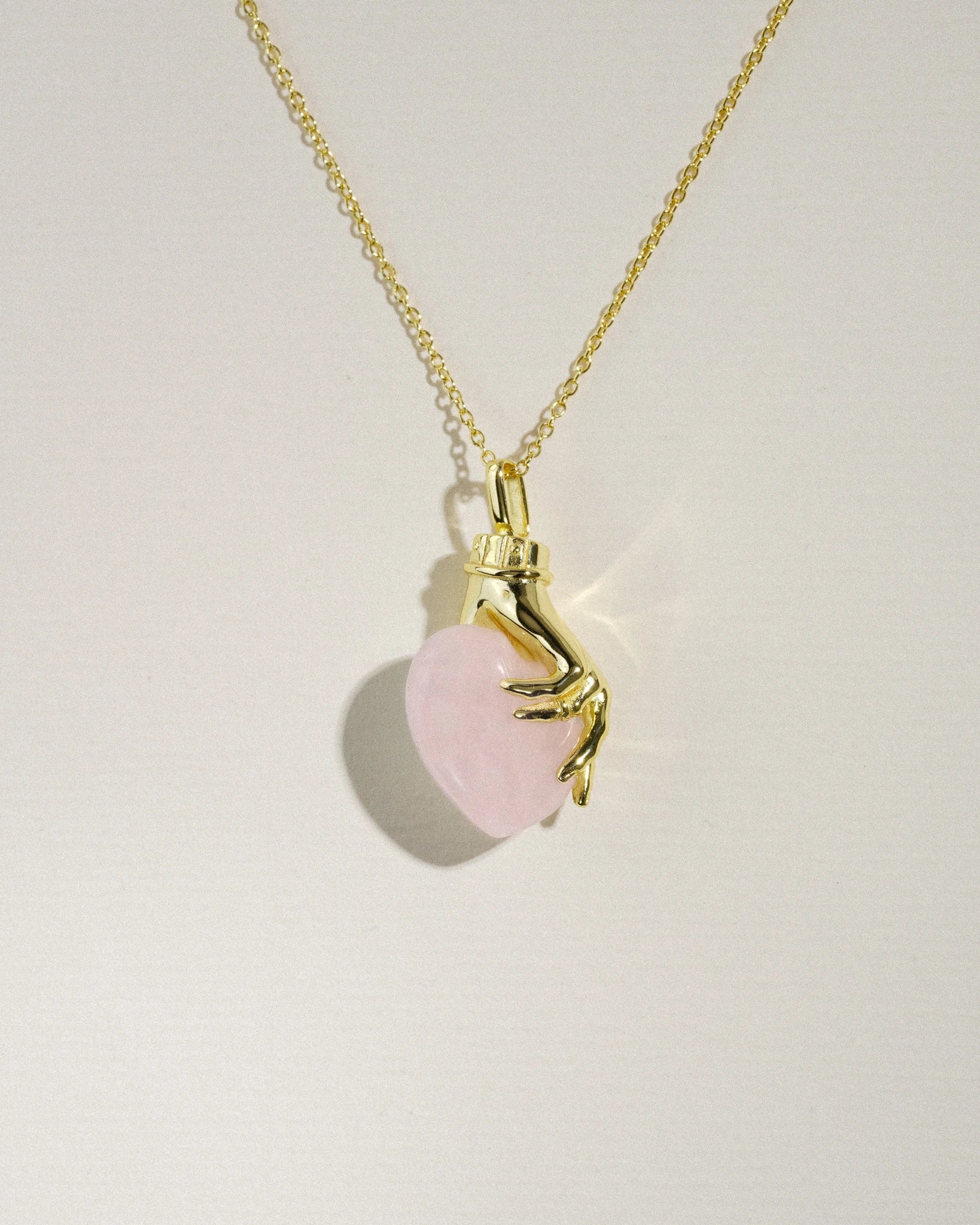
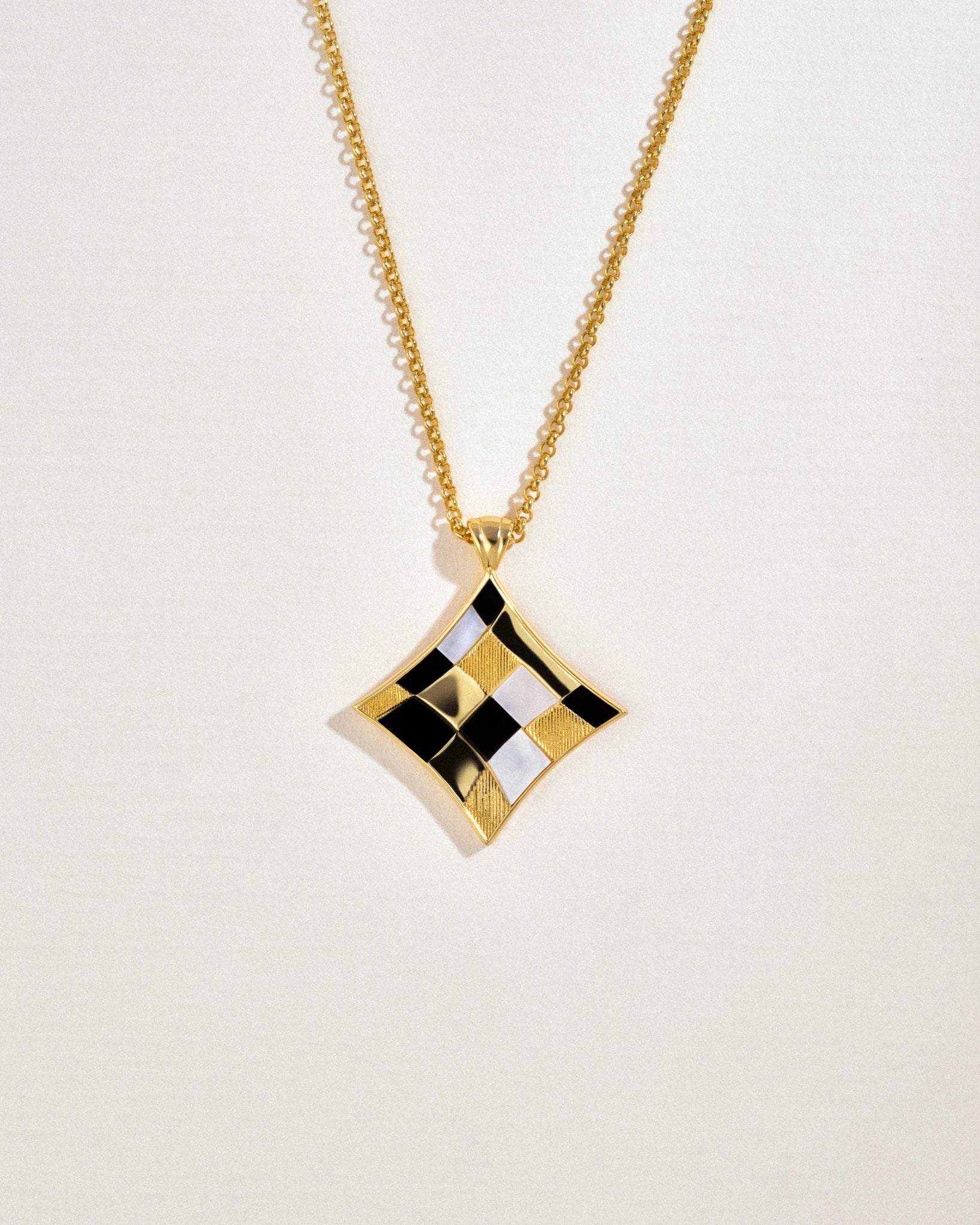
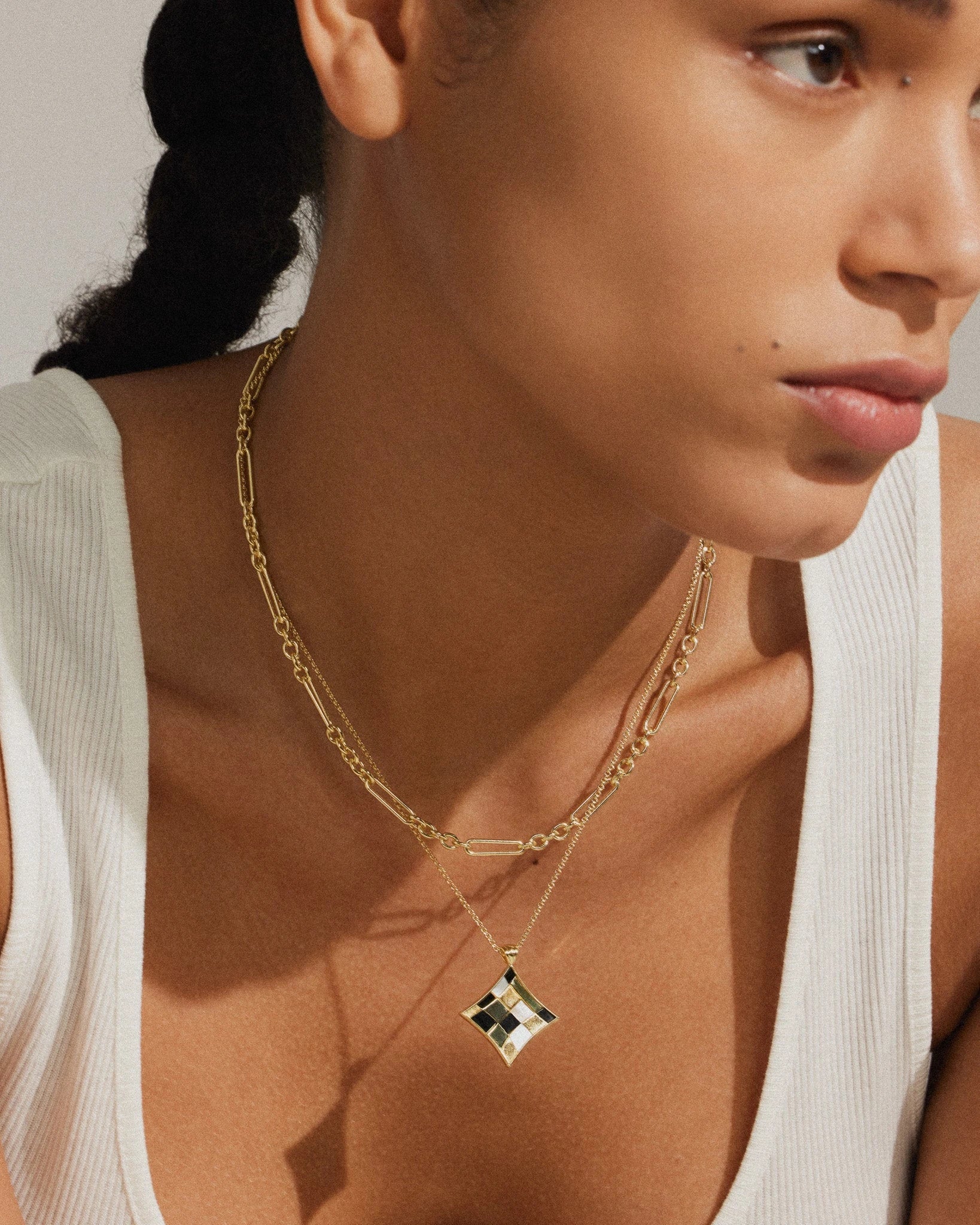
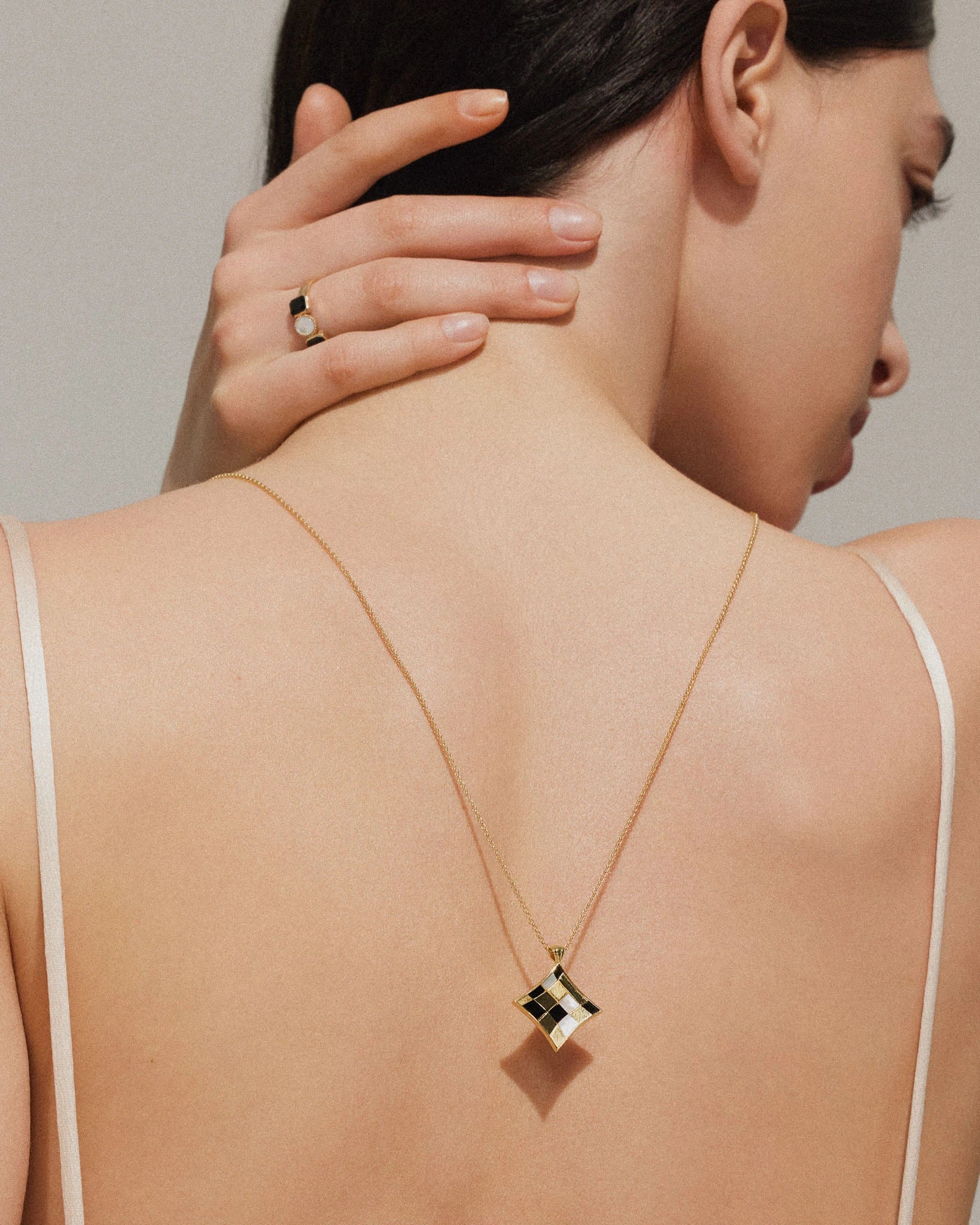
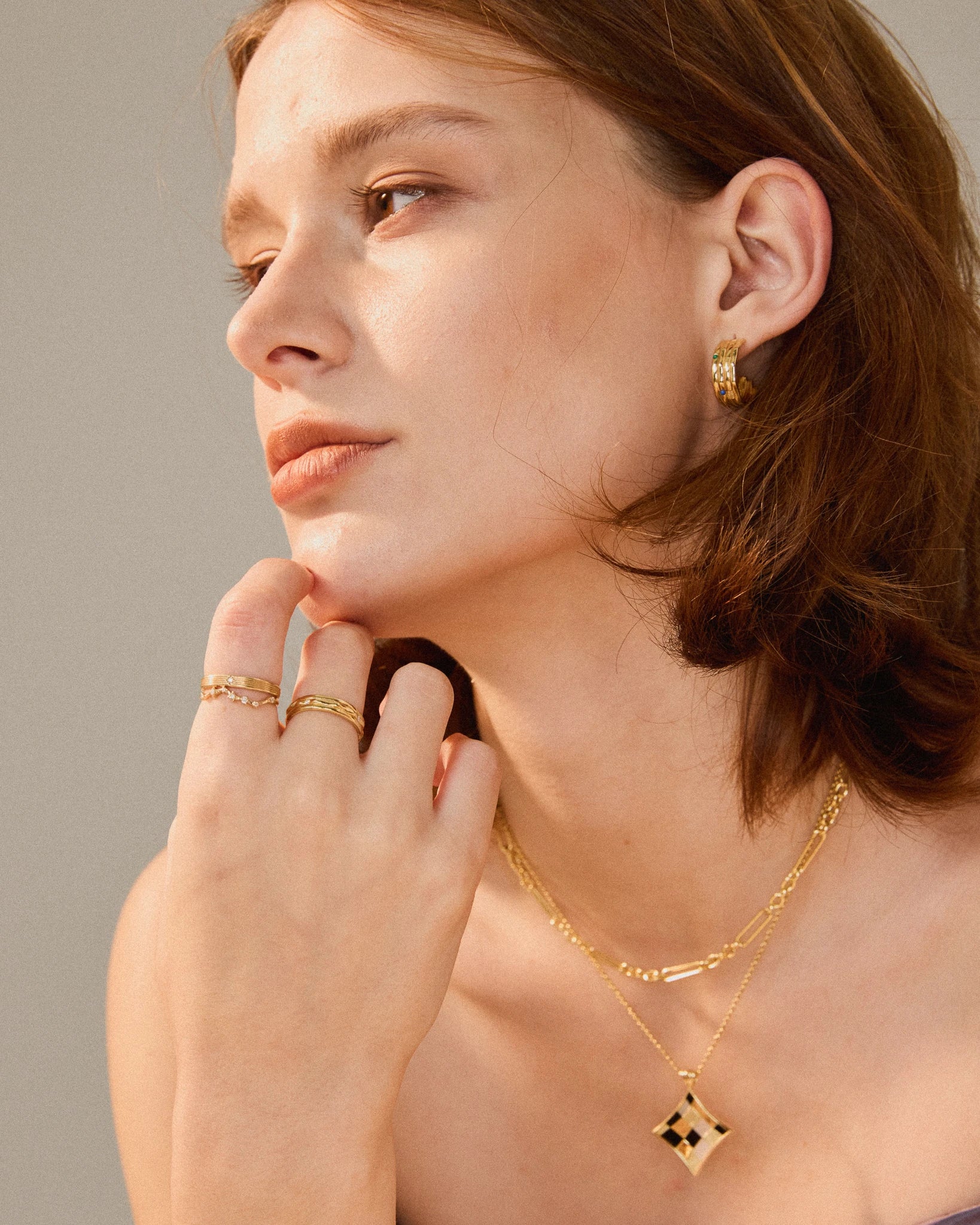
In pieces like Fortune's Turn Necklace, the bezel setting creates a polished frame around the stone, making the gem feel held rather than simply placed. It is protective, but also very intentional.

Best for: everyday jewelry, cabochons, smooth stones, active wearers, modern silhouettes. What to know: because the metal surrounds the stone, a bezel may let in slightly less light than a prong setting, but it offers excellent security and a sleek finish.

Channel Setting
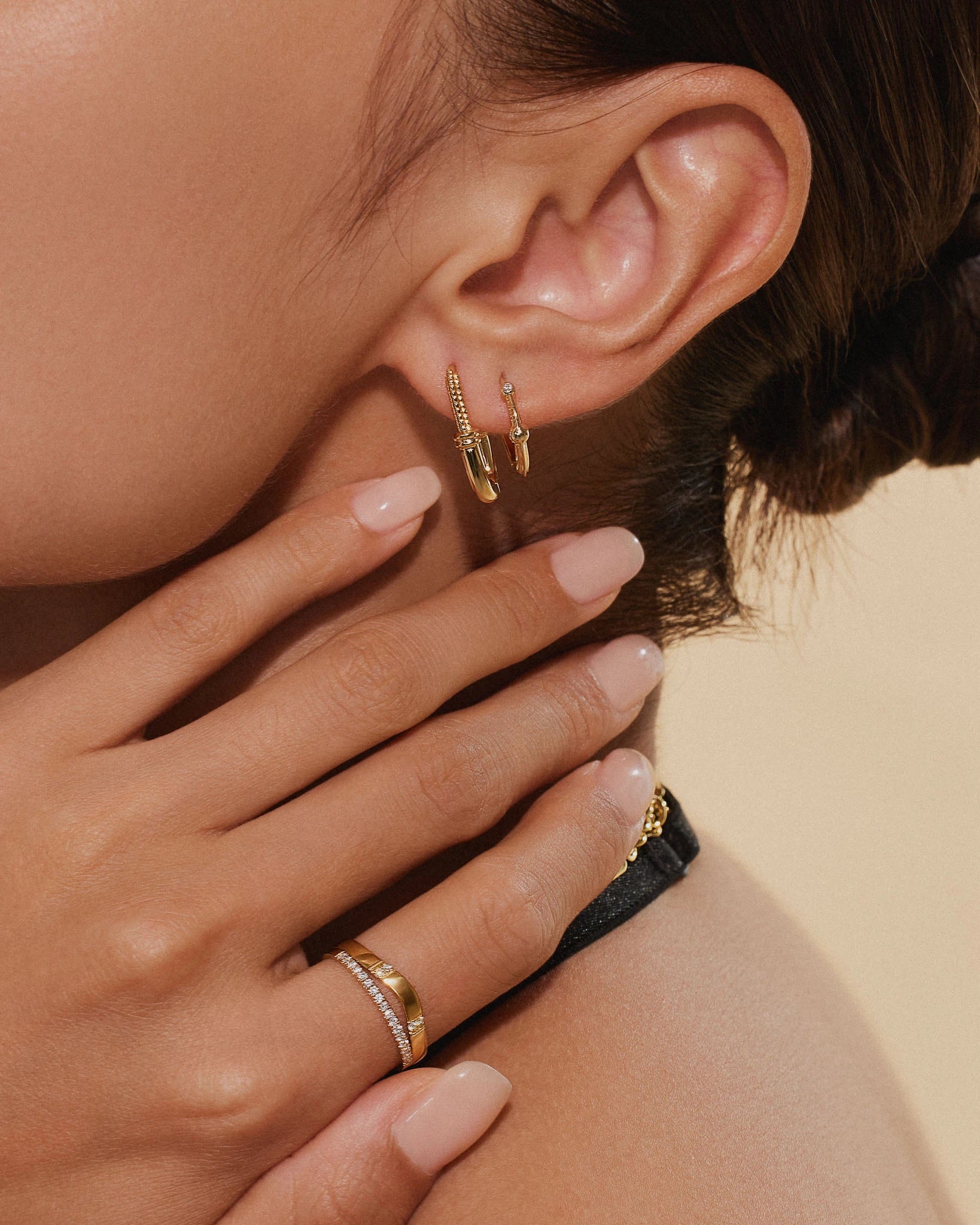
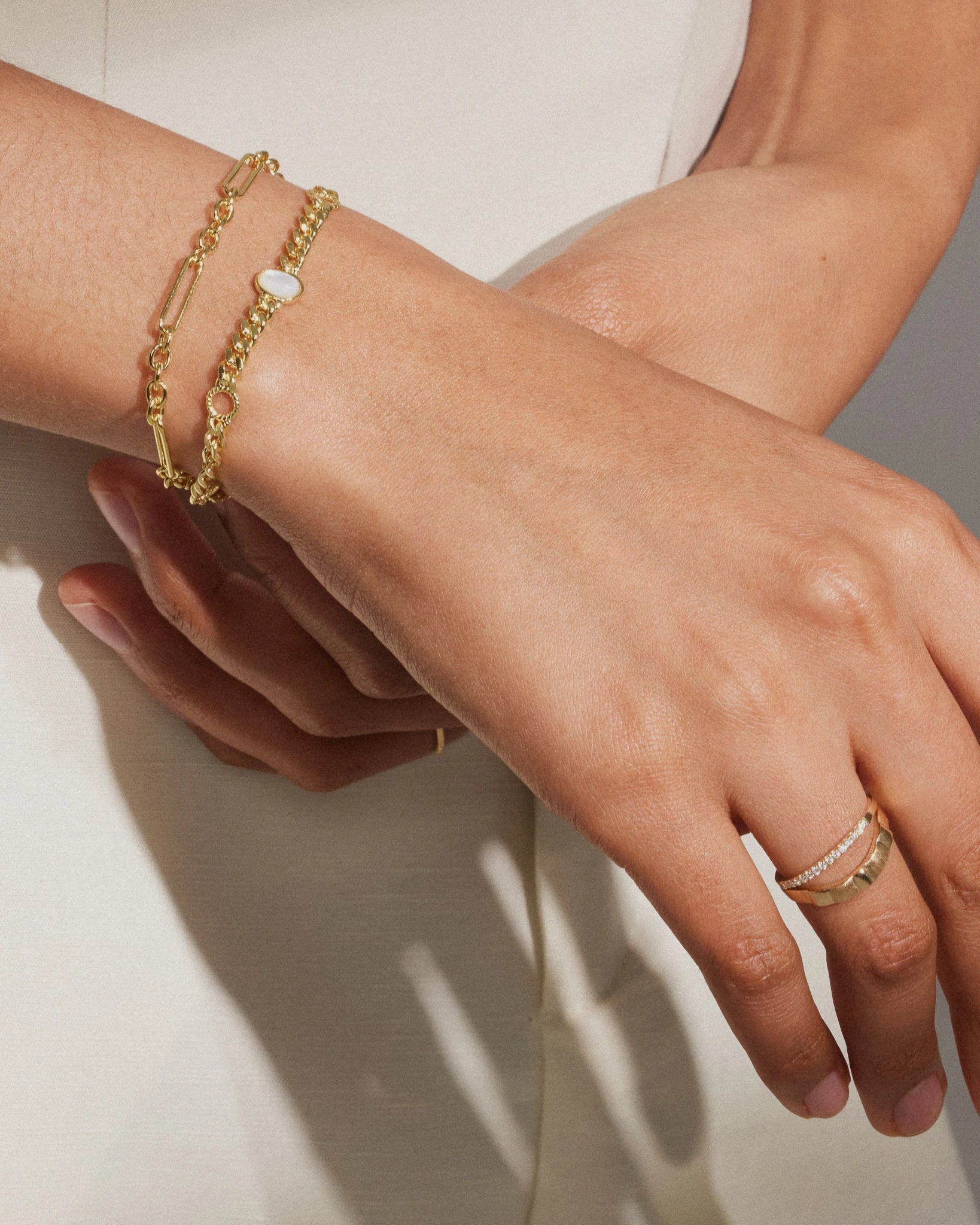
A channel setting is often used when multiple stones are arranged in a row.
Instead of each stone being held by separate prongs, the stones sit inside a continuous groove, secured by metal walls on both sides. This creates a smooth, uninterrupted line of sparkle.
You often see channel settings in wedding bands, eternity bands, and pieces where the stones are meant to look clean, aligned, and secure.
The beauty of a channel setting is its order. The stones feel protected and neatly contained, with very little metal interrupting the rhythm of the design.
It is a setting that feels precise, polished, and practical.

Best for: rows of small stones, wedding bands, eternity bands, streamlined designs. What to know: channel settings are secure and smooth, but they require precise craftsmanship so the stones sit evenly.

Column Inlay / Shared-Prong Cluster Setting
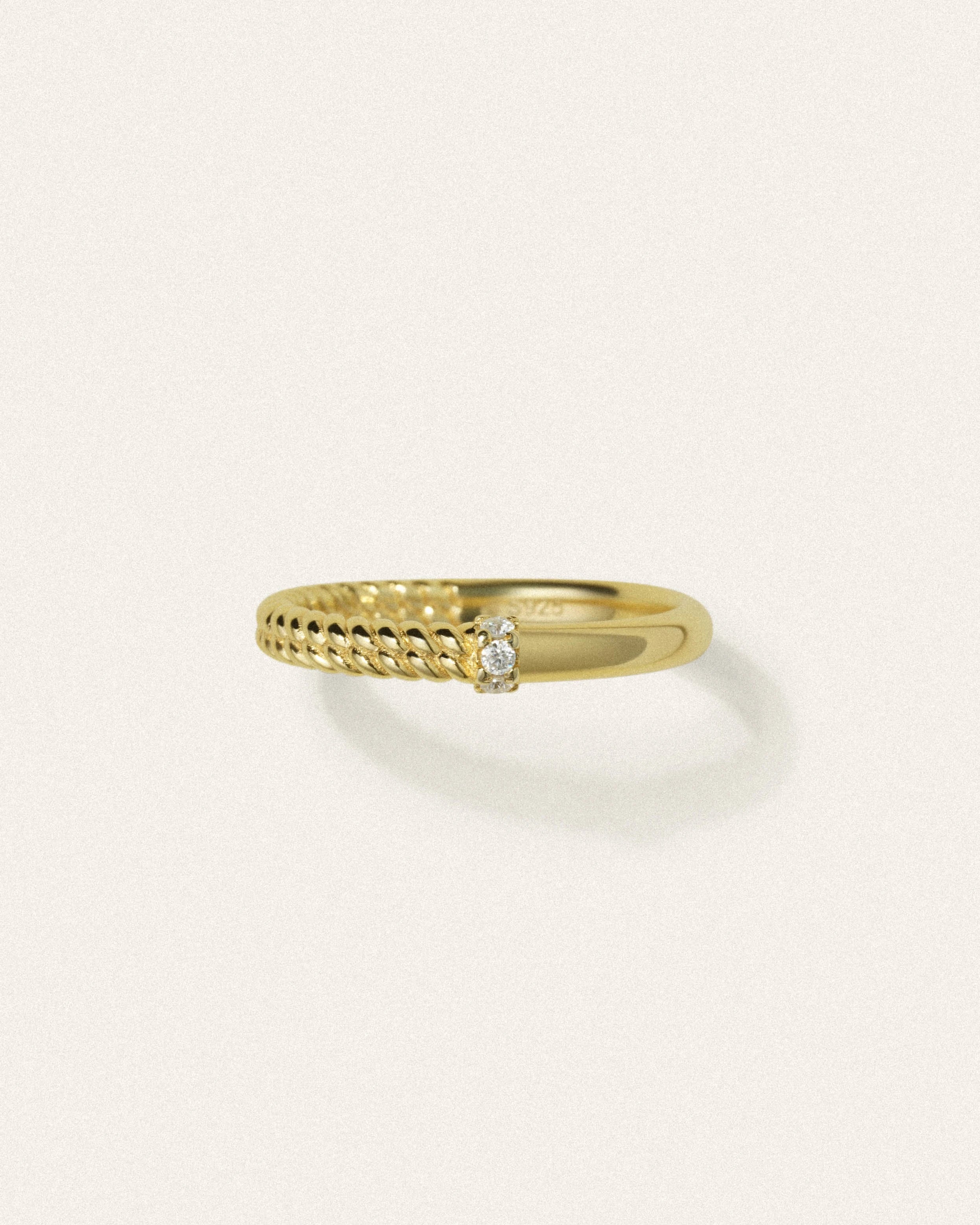
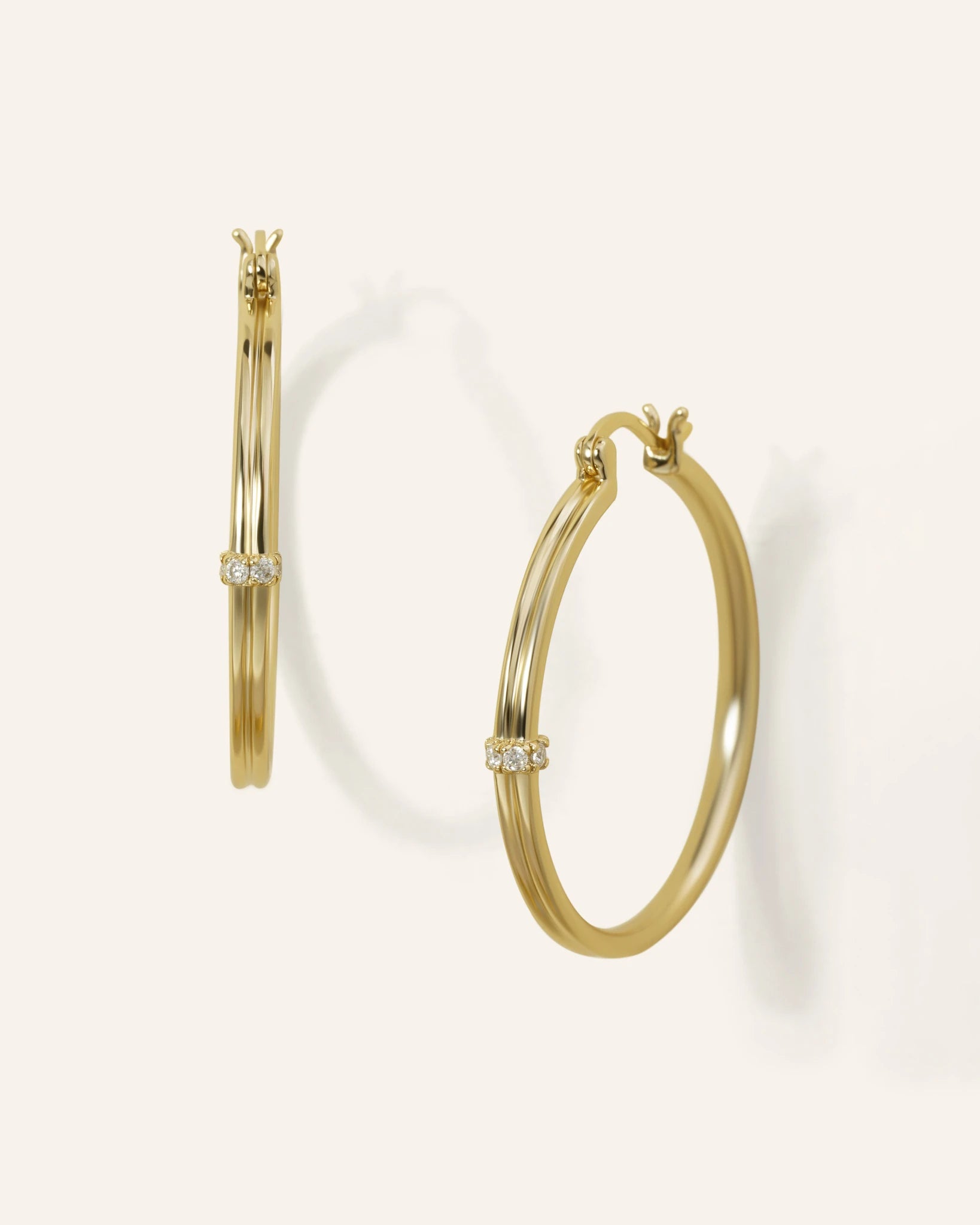
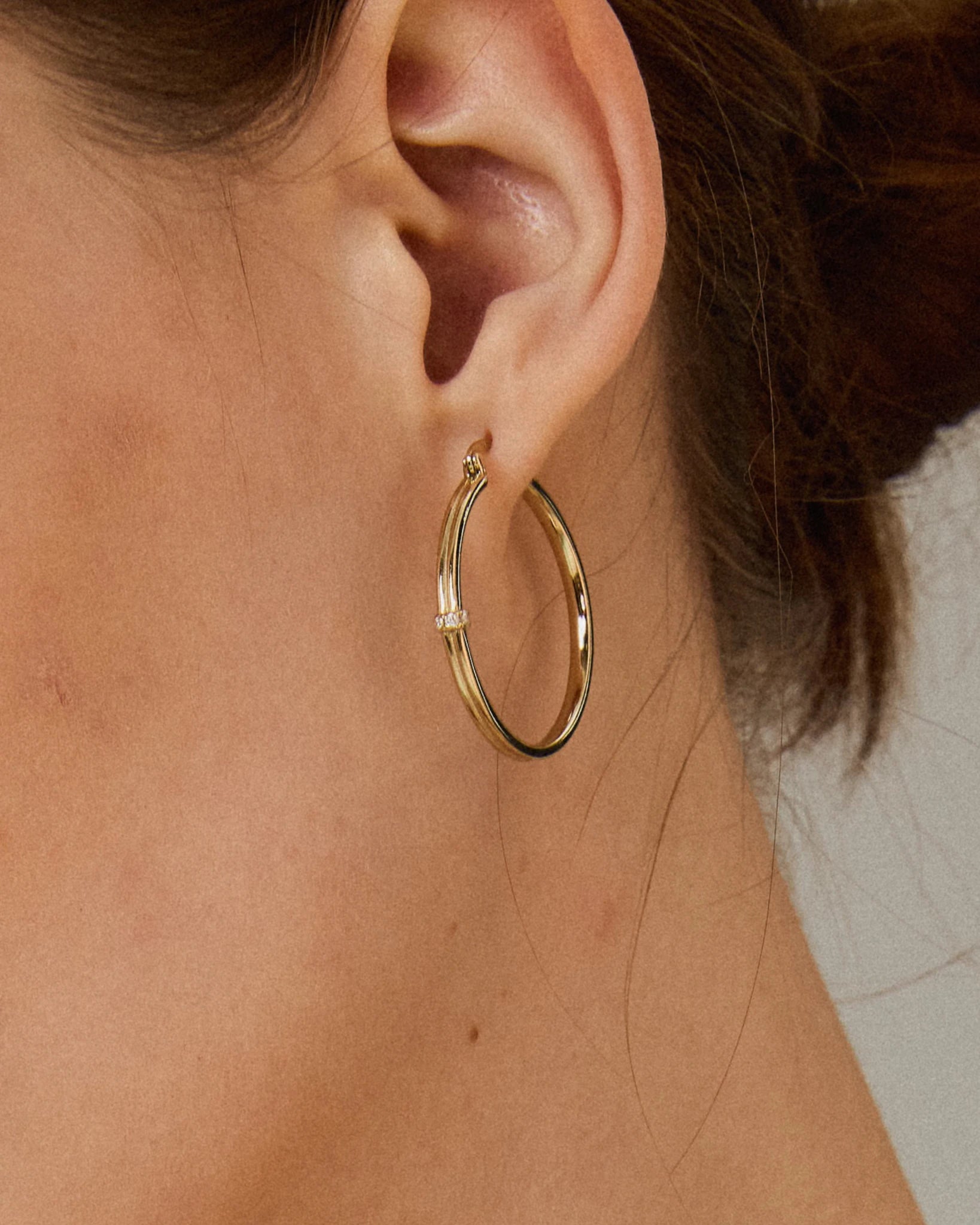
Column inlay is a more intricate setting style often used for clusters of small diamonds or gemstones.
In this technique, each small stone is secured by slender metal prongs. The stones are arranged in dense rows, and adjacent stones may share prongs. This allows the gems to sit closely together, often almost flush with the surface of the jewelry.
The result is a concentrated field of light.
Unlike a single center stone setting, this technique creates brilliance through repetition. Each small stone contributes to the whole, forming a textured, luminous surface without relying on one large gem.
It is a setting that requires careful craftsmanship, because the spacing, height, and security of every tiny stone matters.

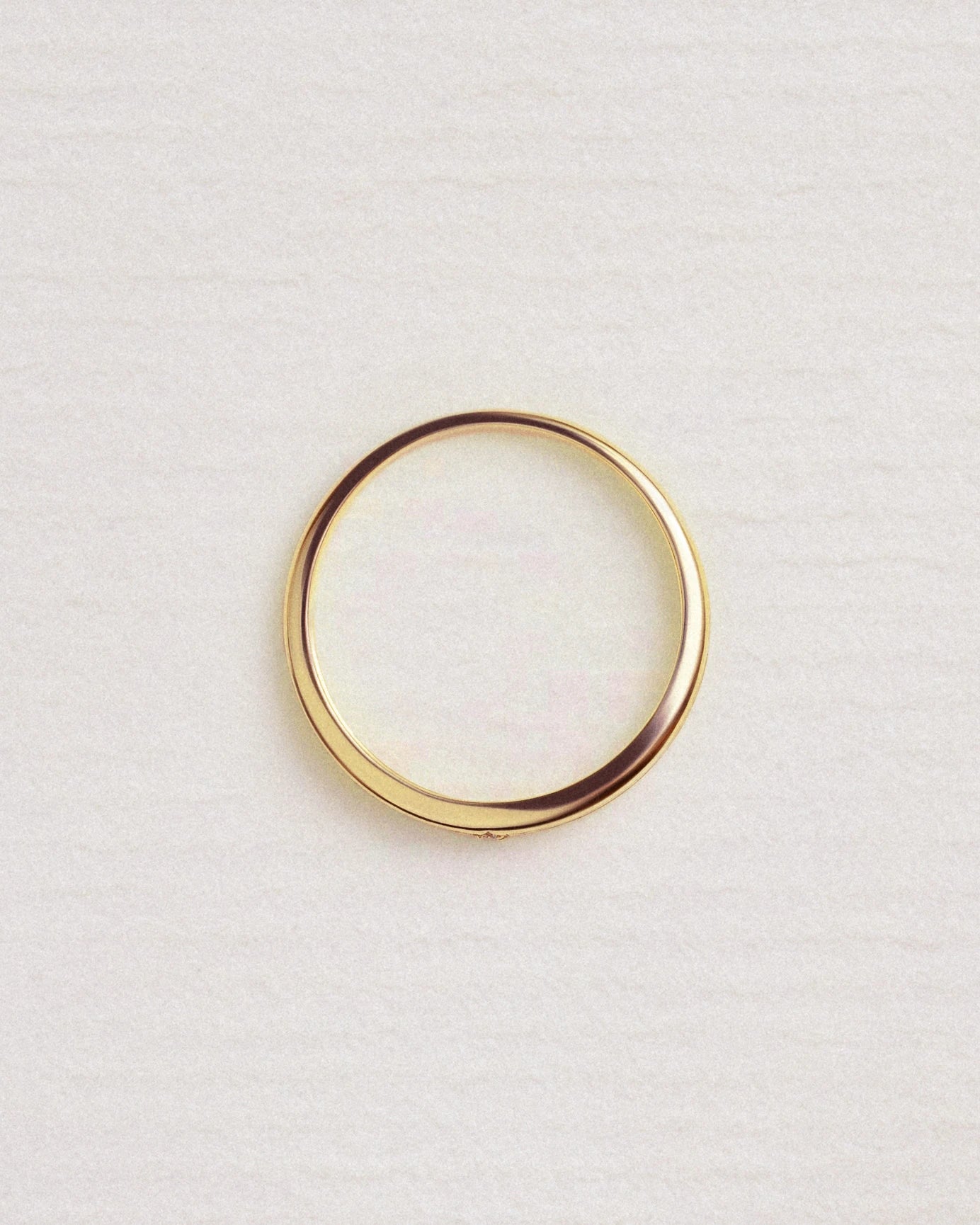
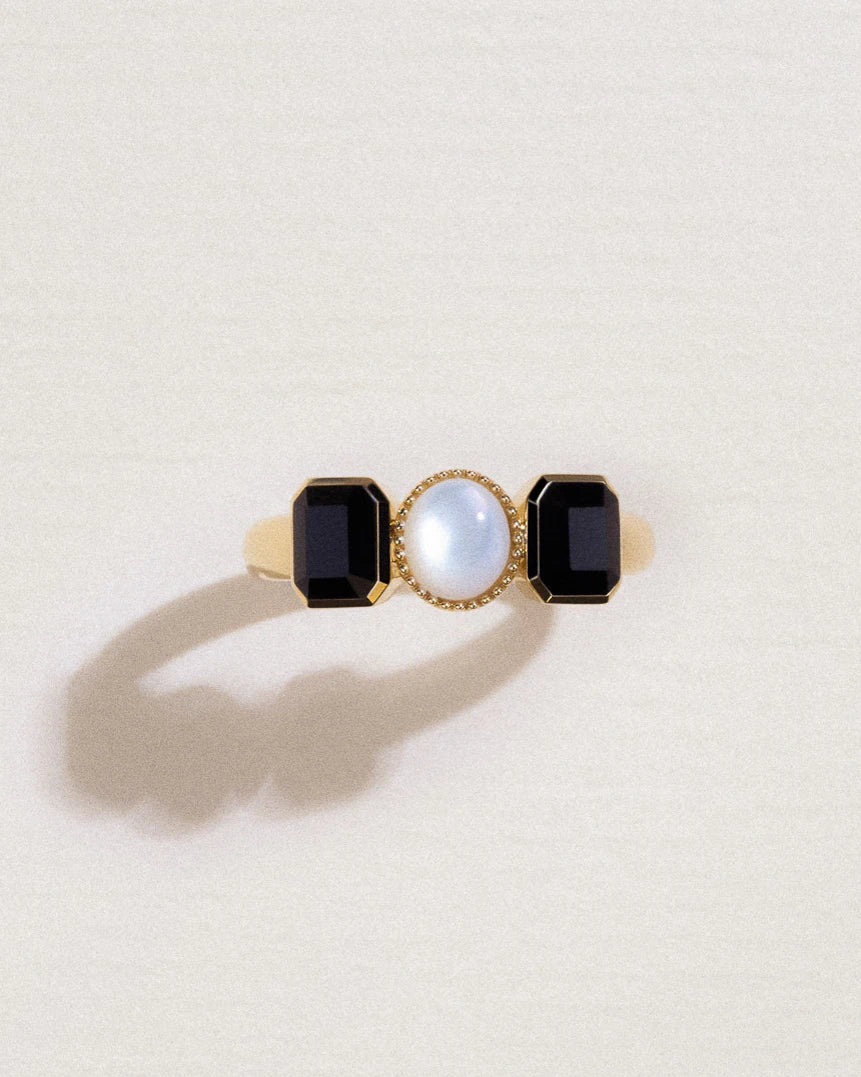
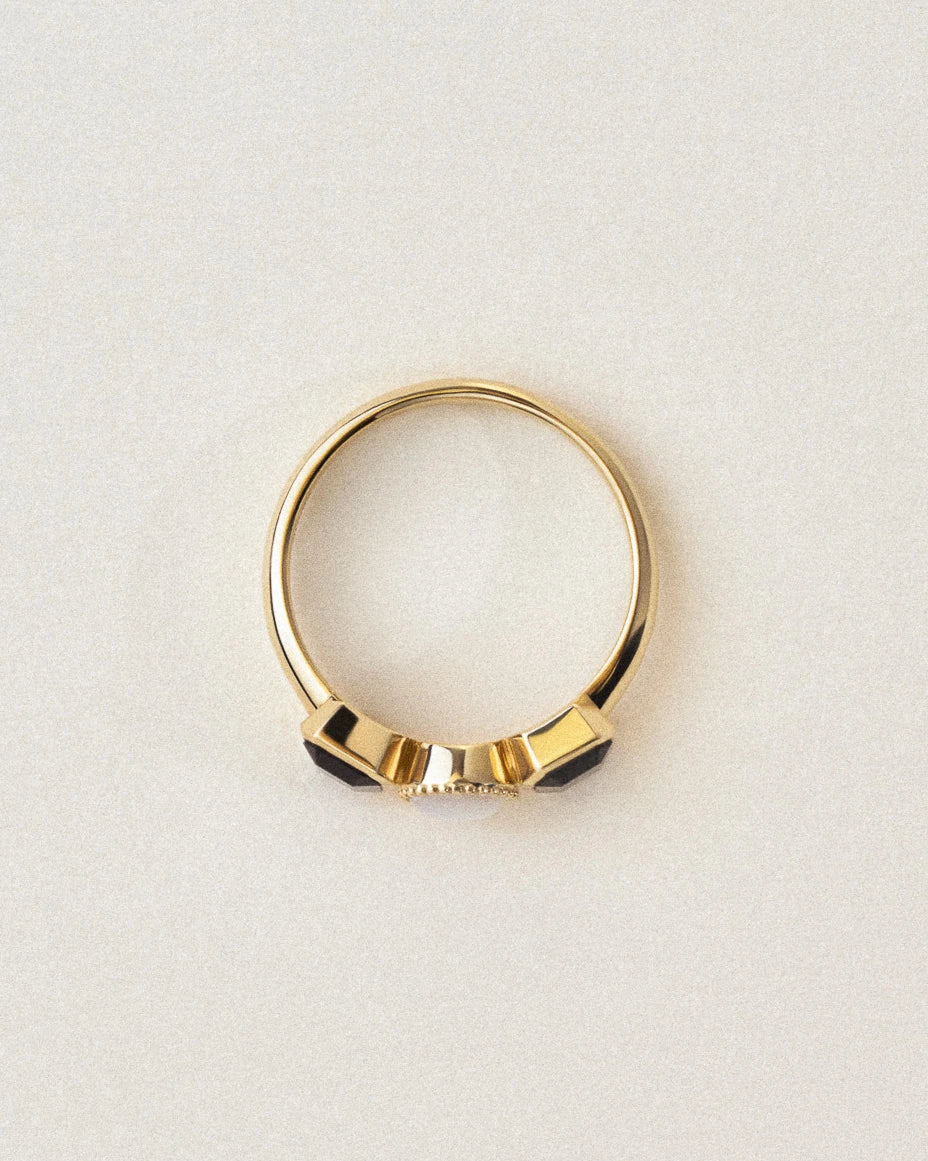
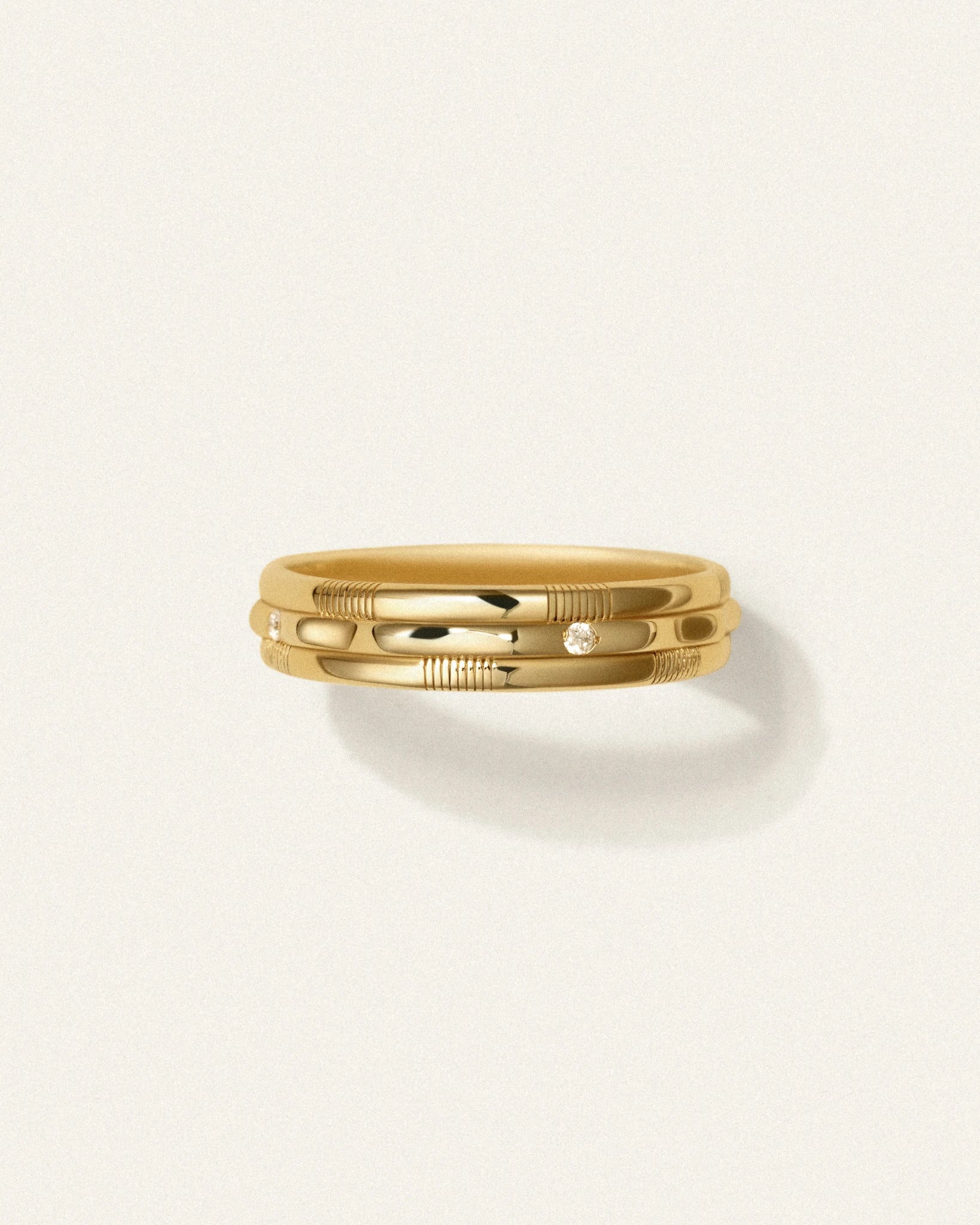
Simply Beaded Three-Stone Ring
Best for: diamond clusters, pavé-like effects, intricate surface sparkle, detailed designs. What to know: because the stones are small and closely arranged, craftsmanship is everything. Each gem needs to be placed securely while keeping the surface refined.

So, Which Setting Is Best?
There is no single “best” setting.
There is only the setting that best serves the stone, the design, and the way the piece will be worn.
A beautiful setting does more than hold a gemstone.
It changes how the stone lives in the piece.
It decides whether the gem feels lifted, protected, structured, or woven into the design. And when it is done well, you may not notice the setting first.
You simply notice that the jewelry feels right.

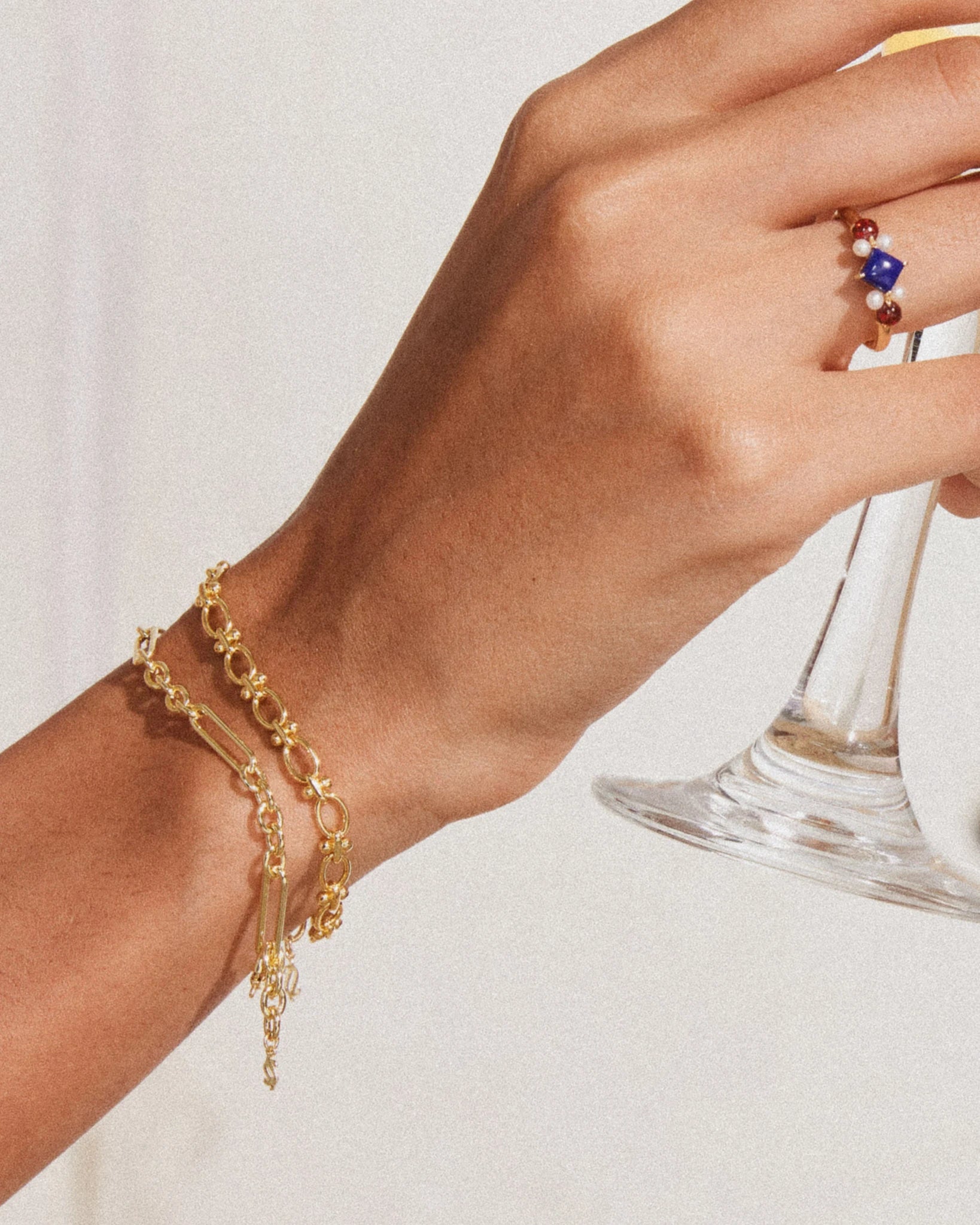
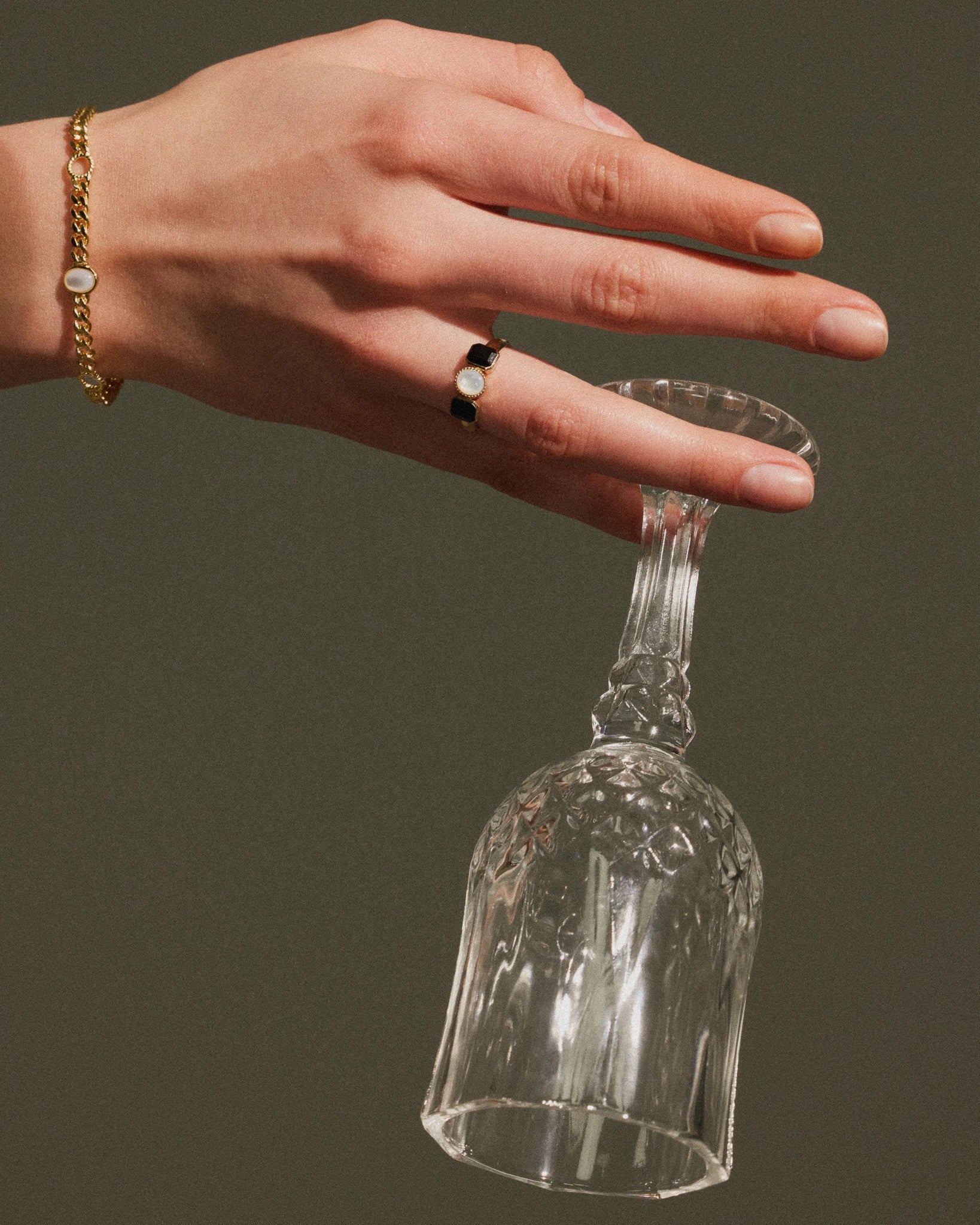
Angelic Bracelet | Poet's Platte Ring