
We didn’t set out to make a moon necklace.
That sounds strange, considering the final piece is very clearly, very proudly, a moon. But the beginning wasn’t about the moon as a shape. It was about a feeling.
We wanted to make something that felt inevitable. The kind of piece you see and think: Of course. Why didn’t this already exist?
The moon just happened to be the answer.

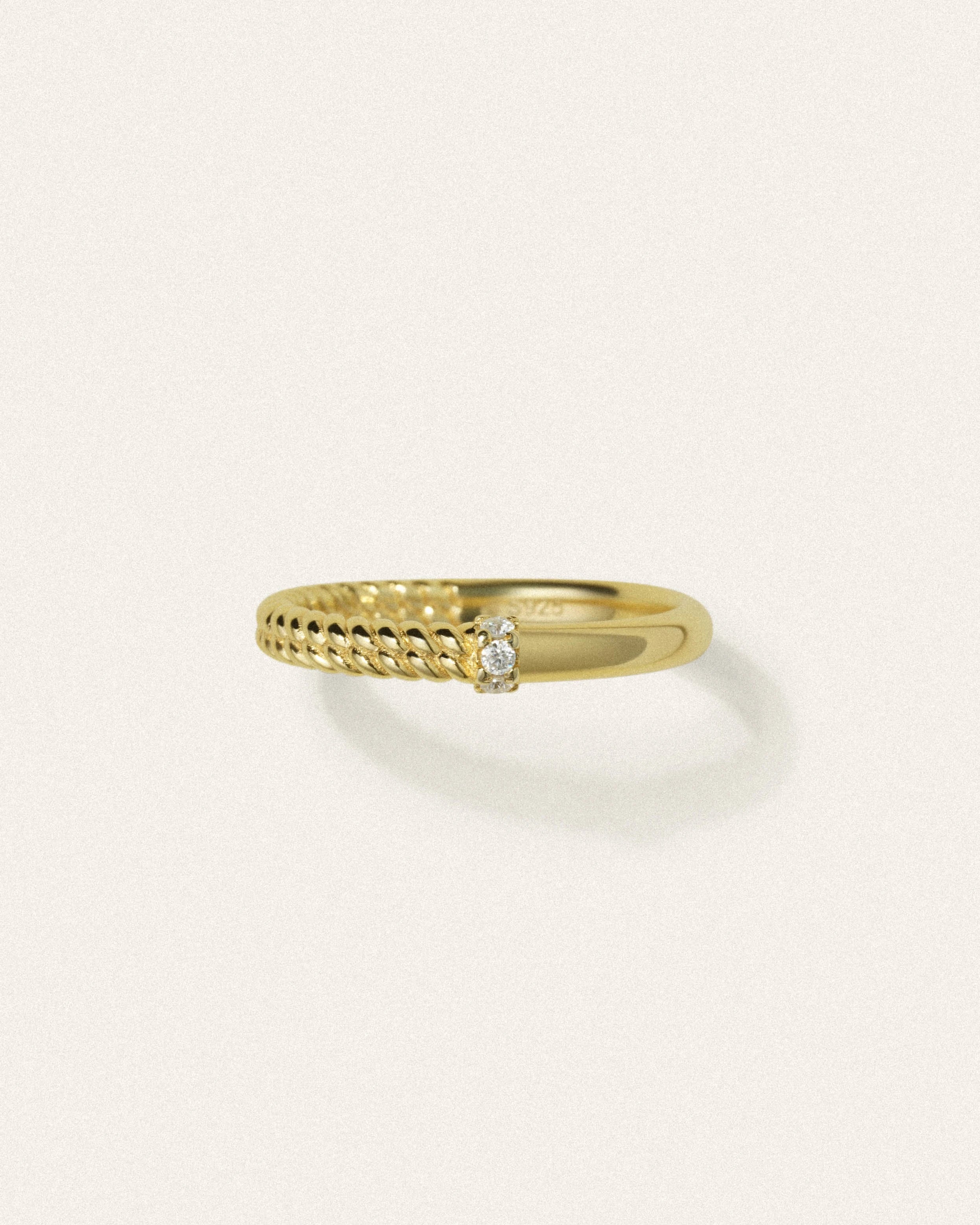
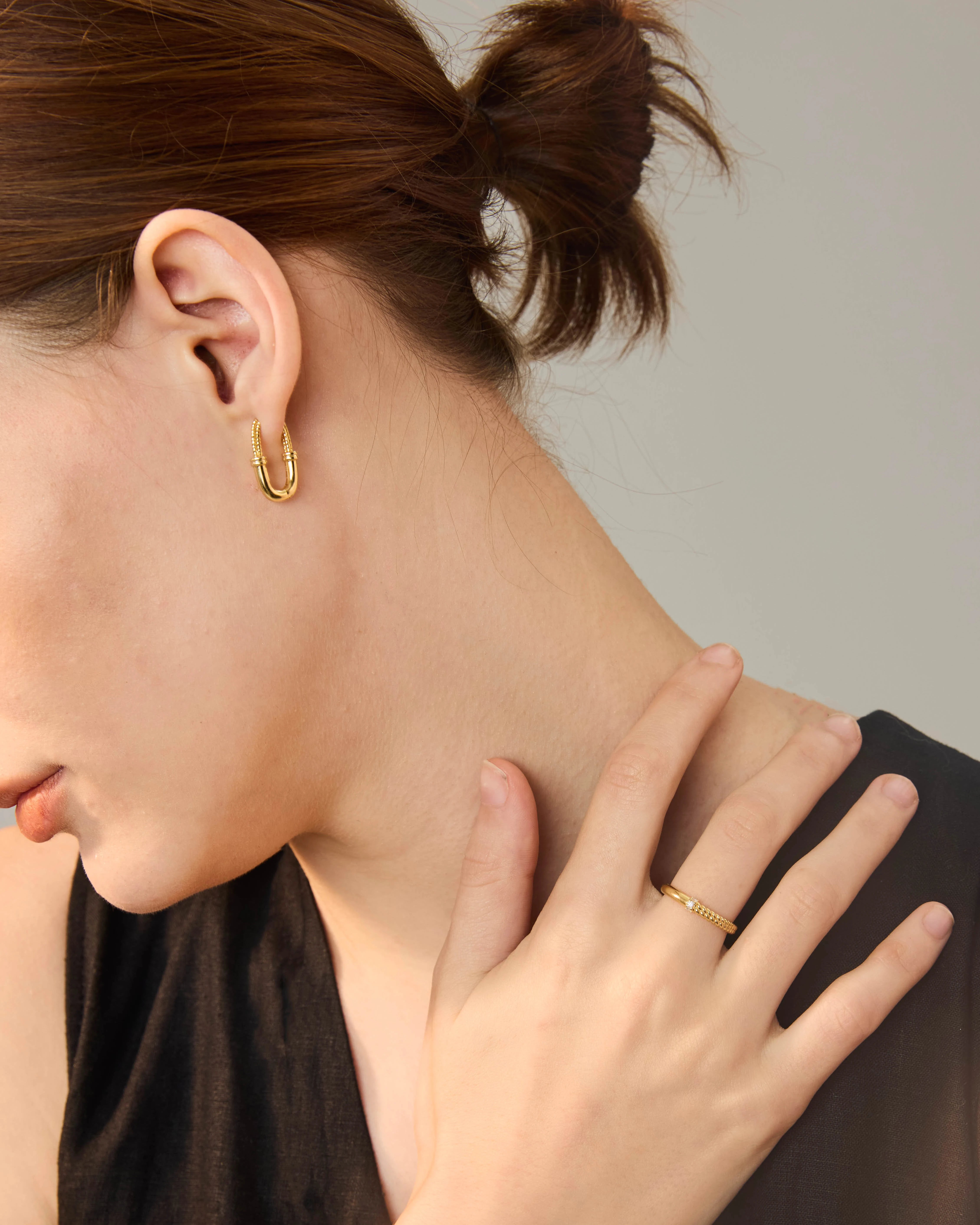
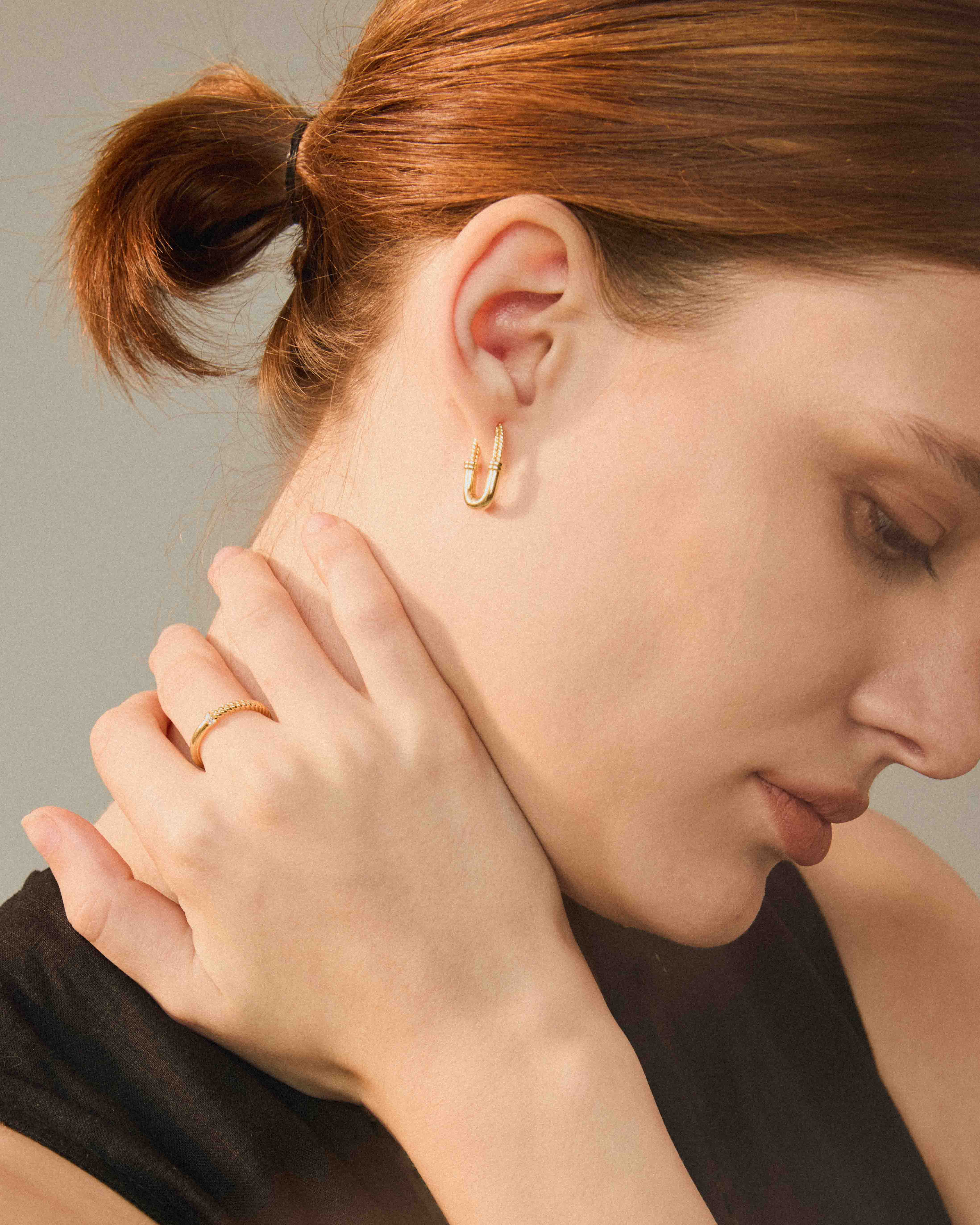
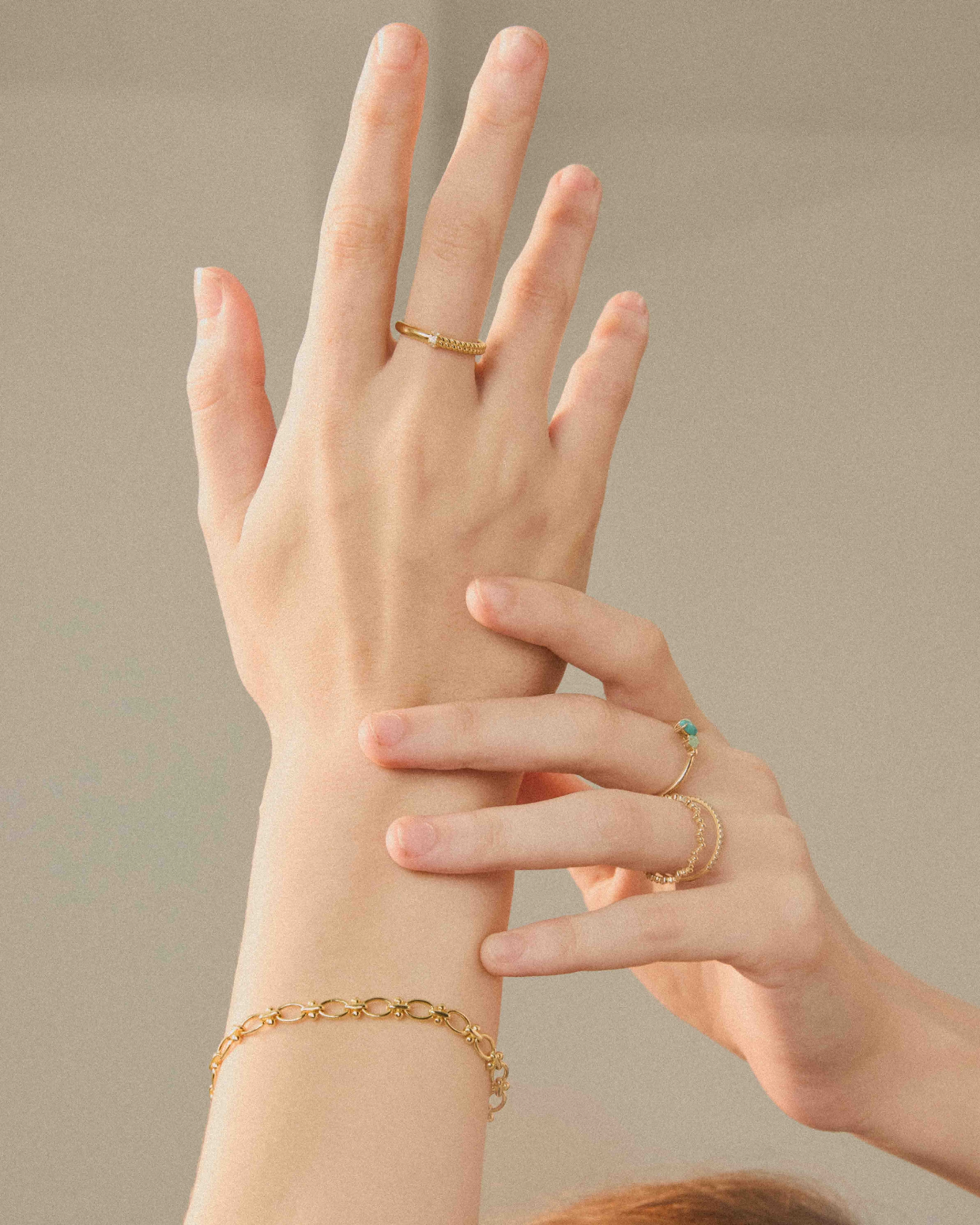
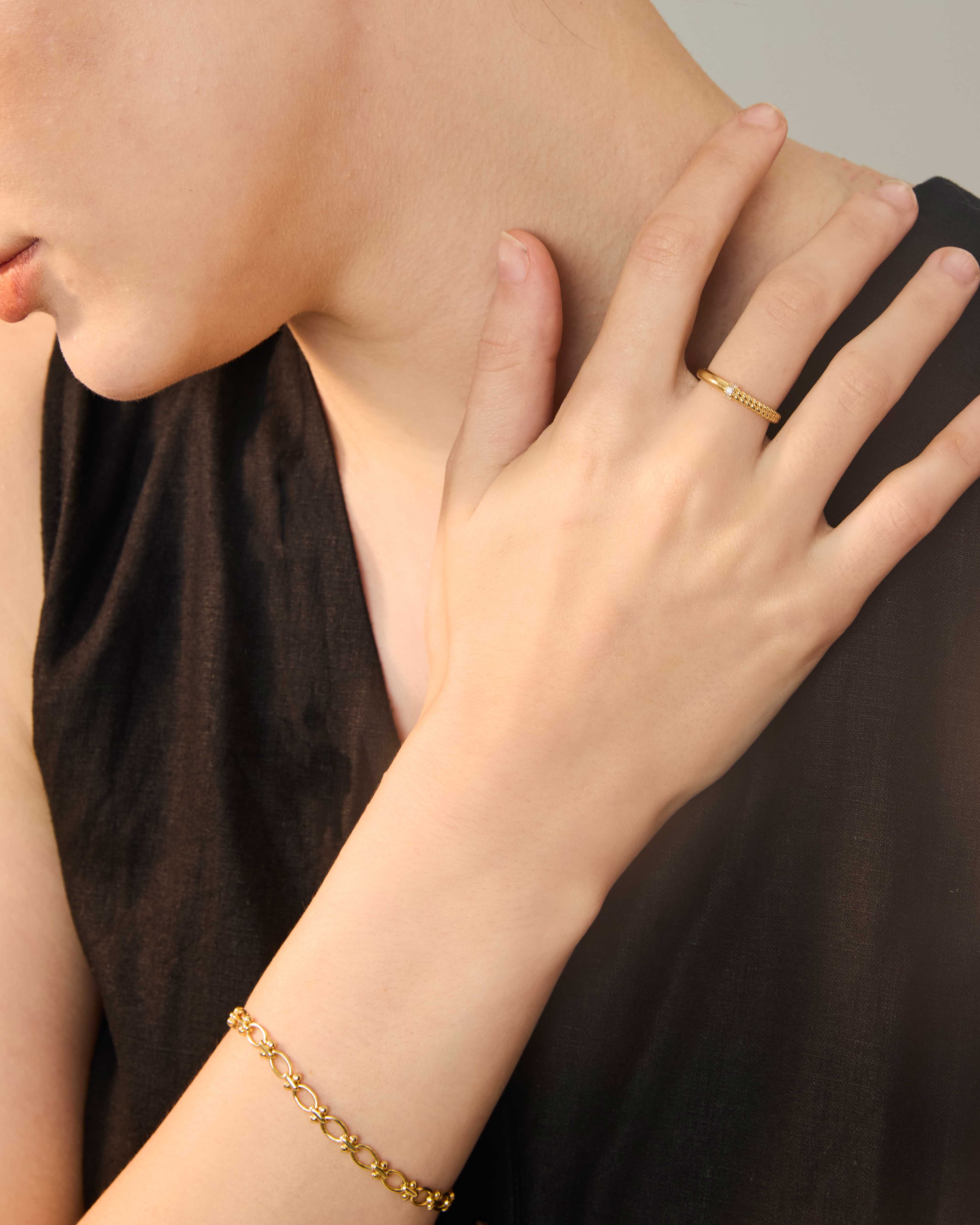
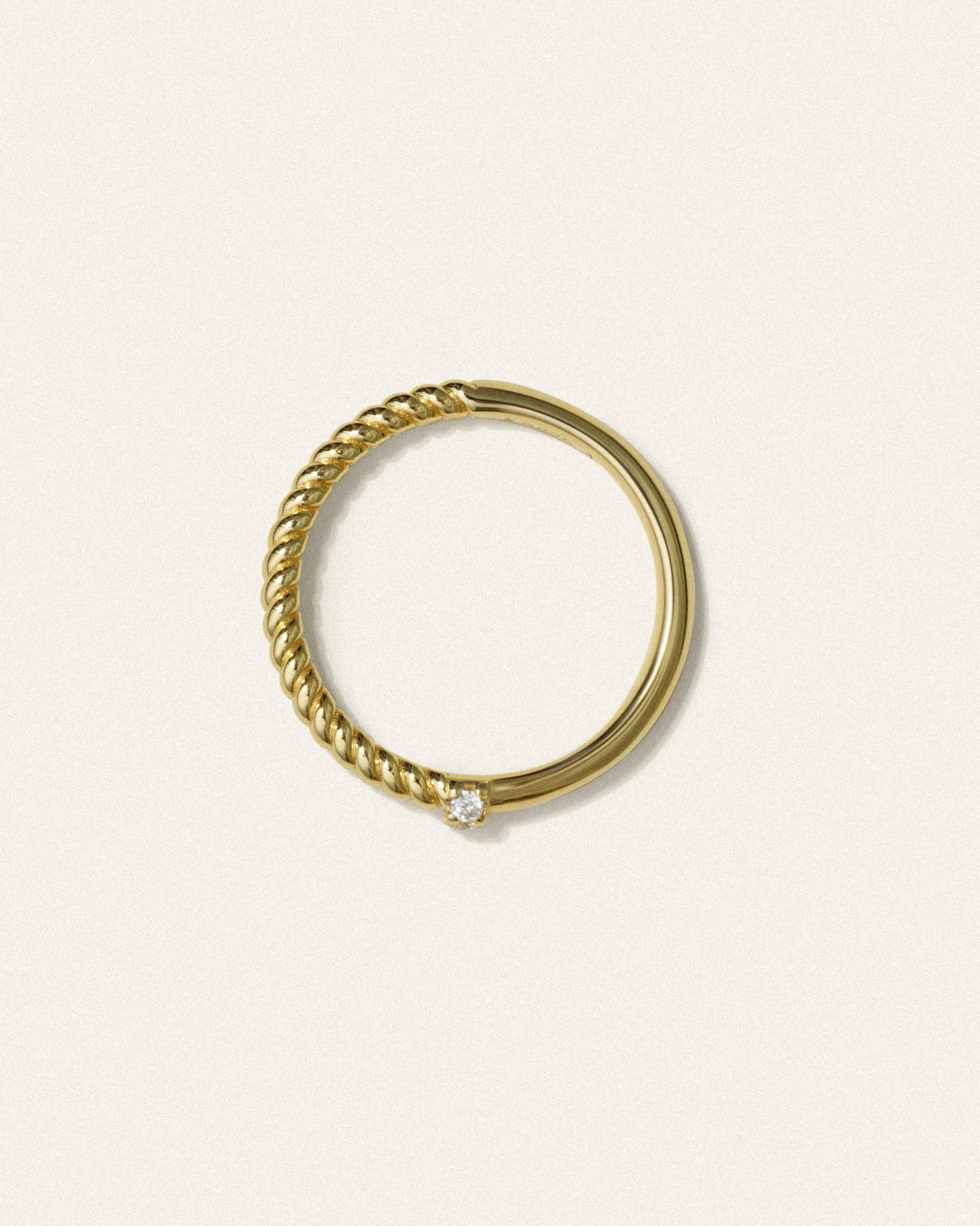
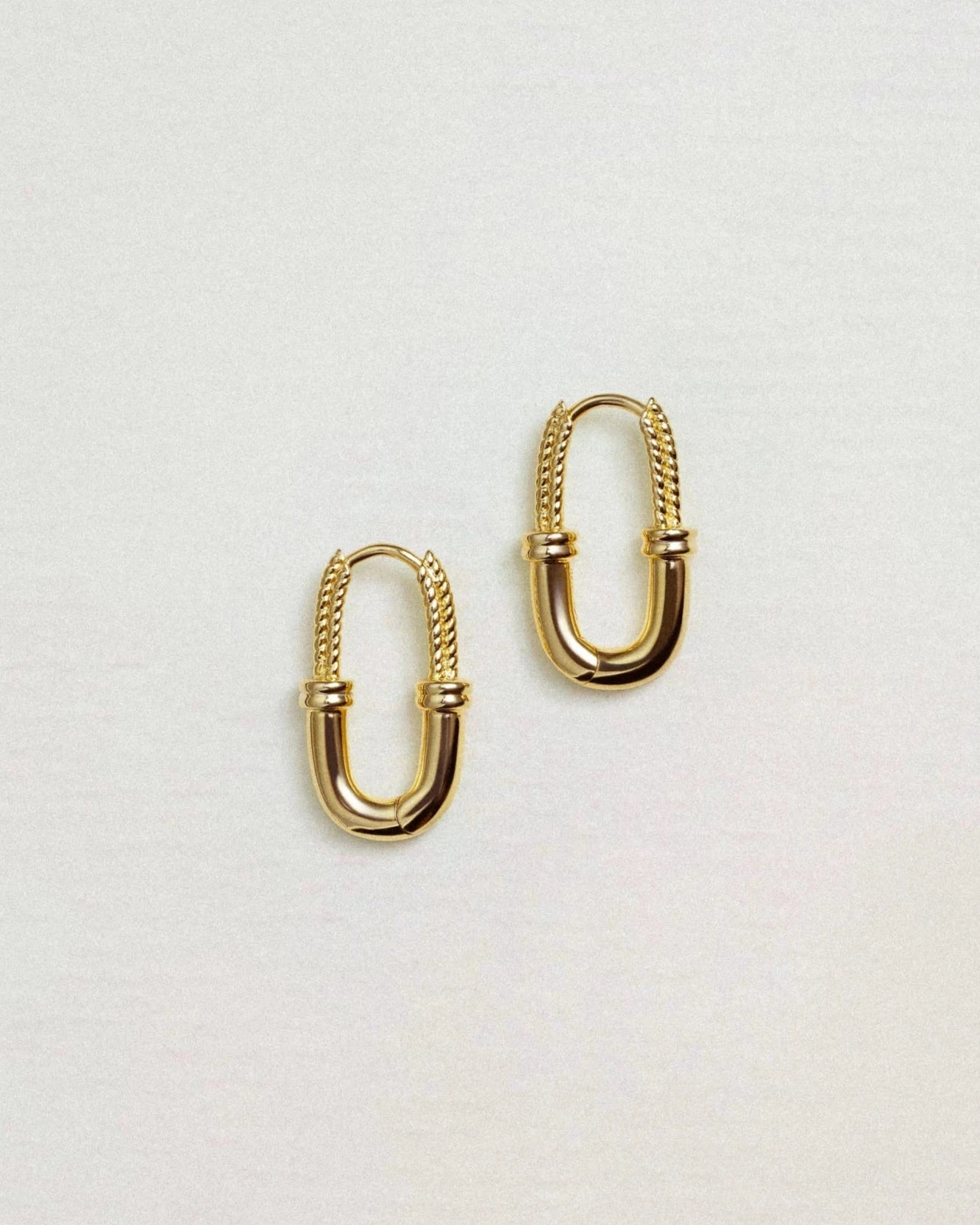
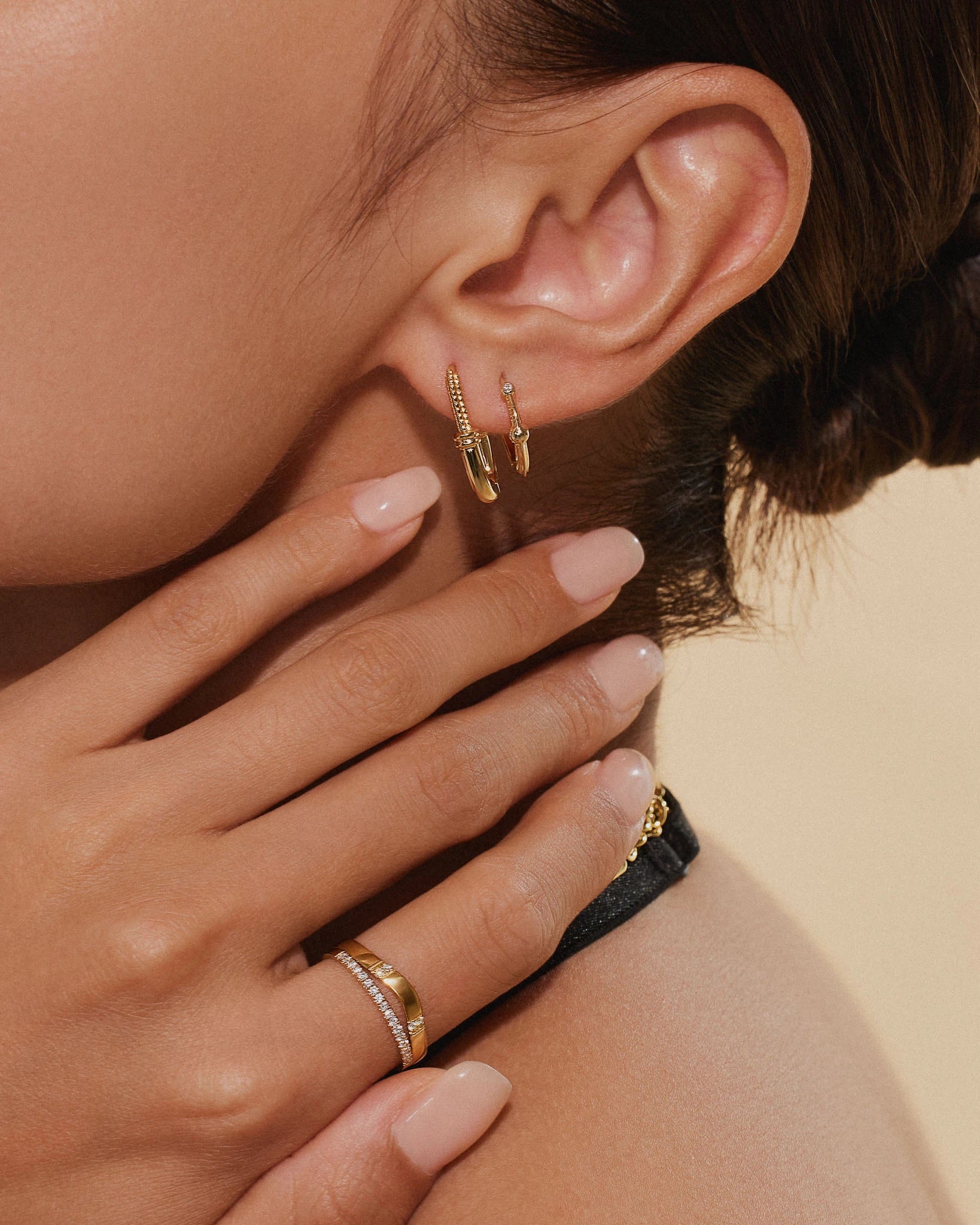
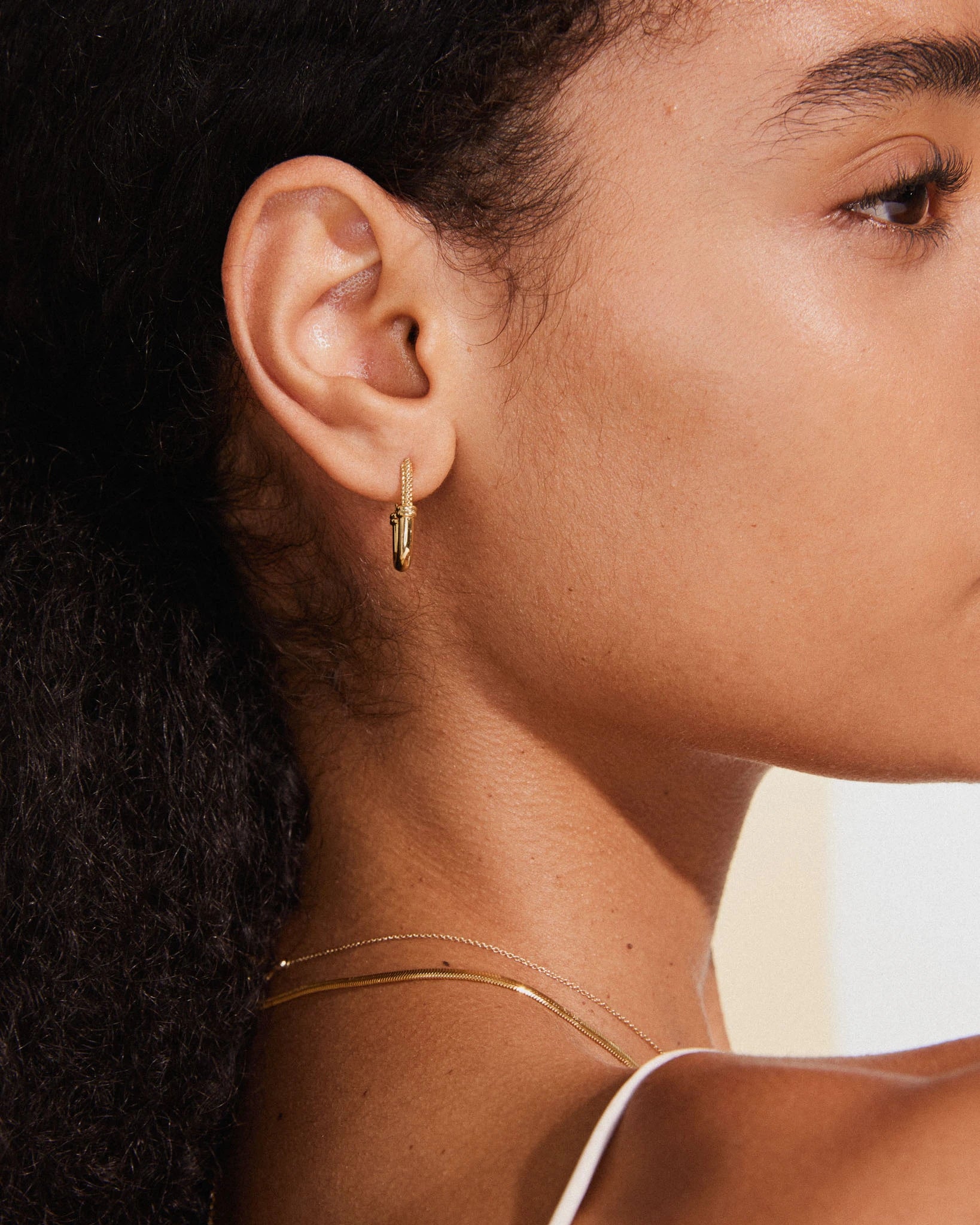
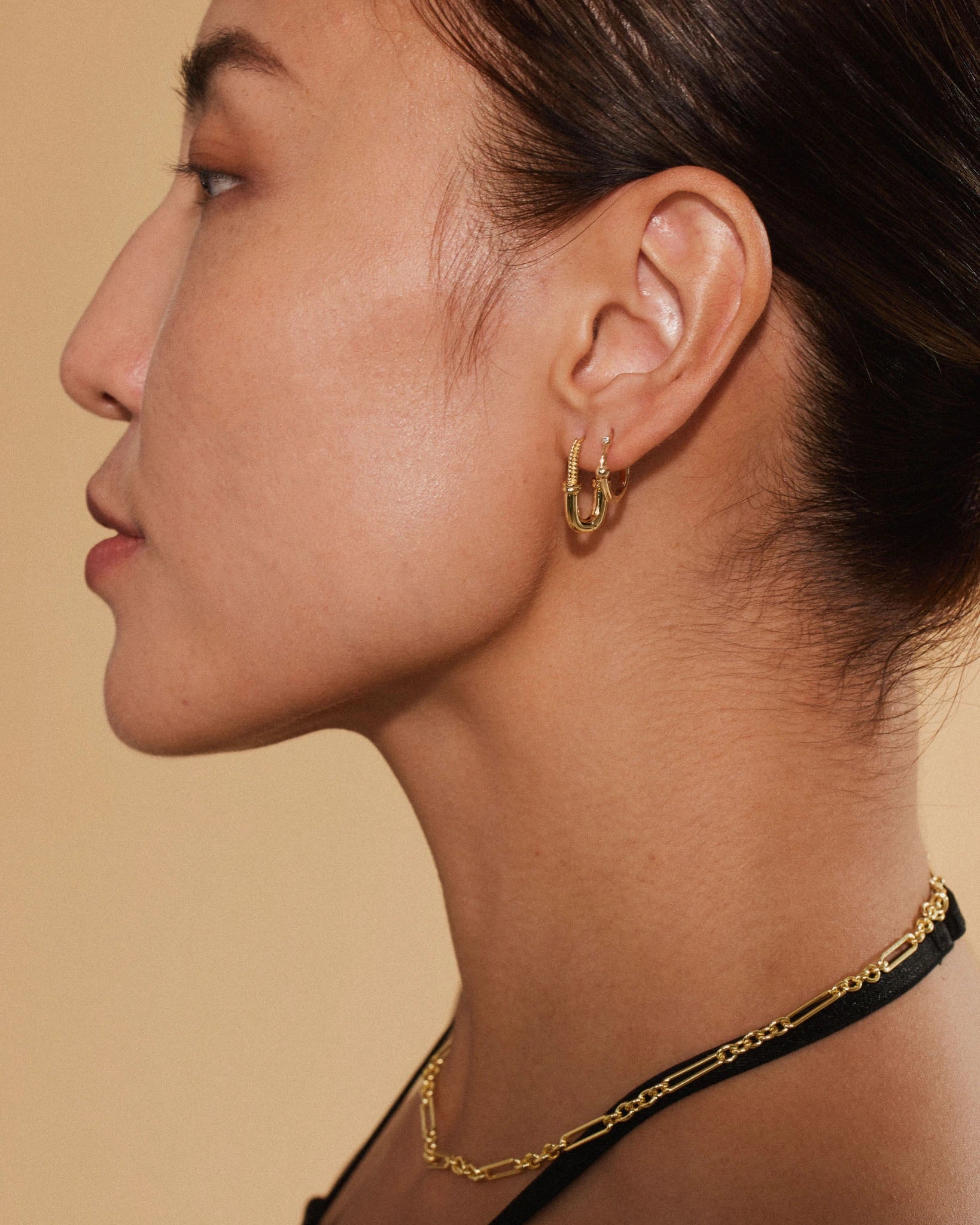
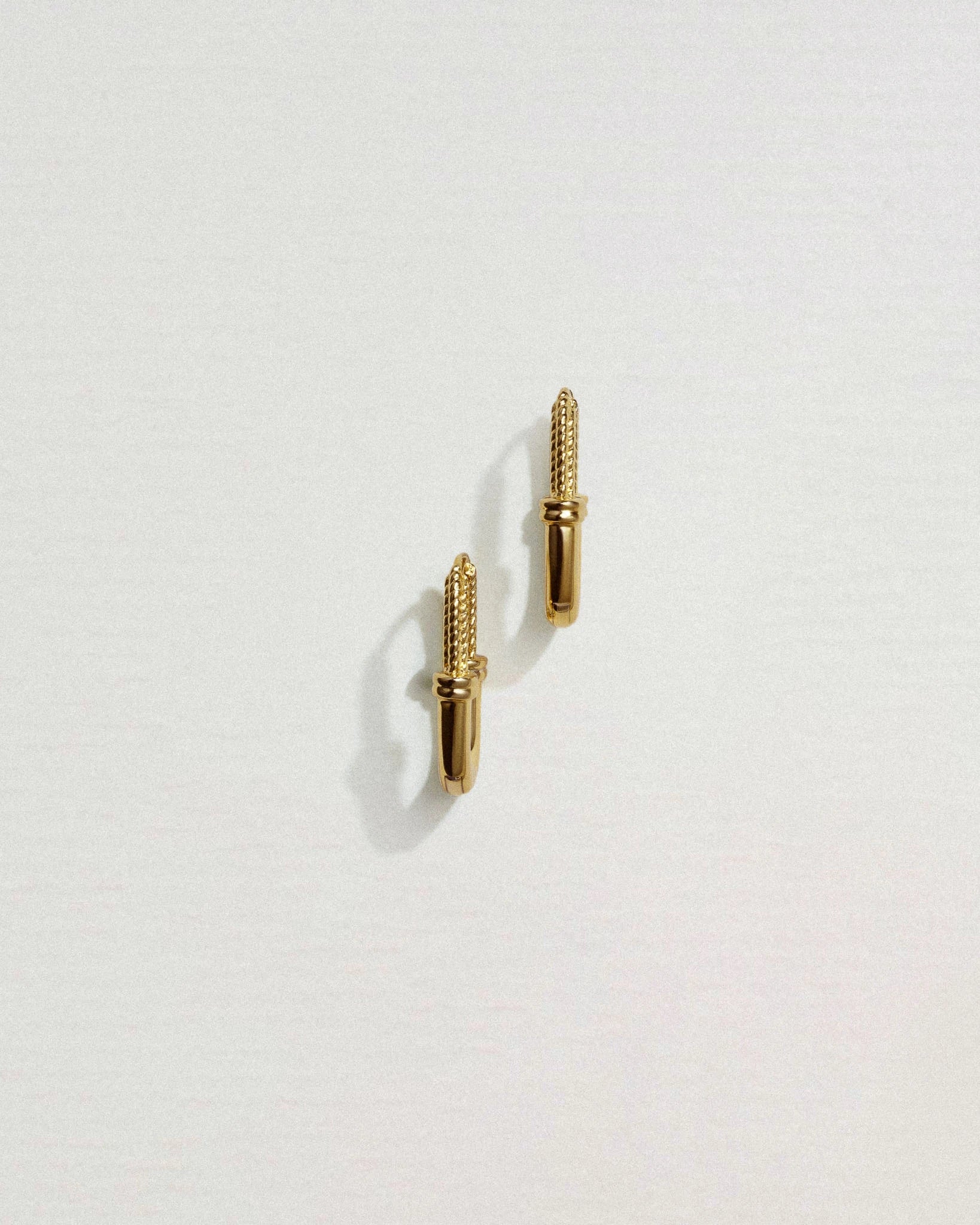
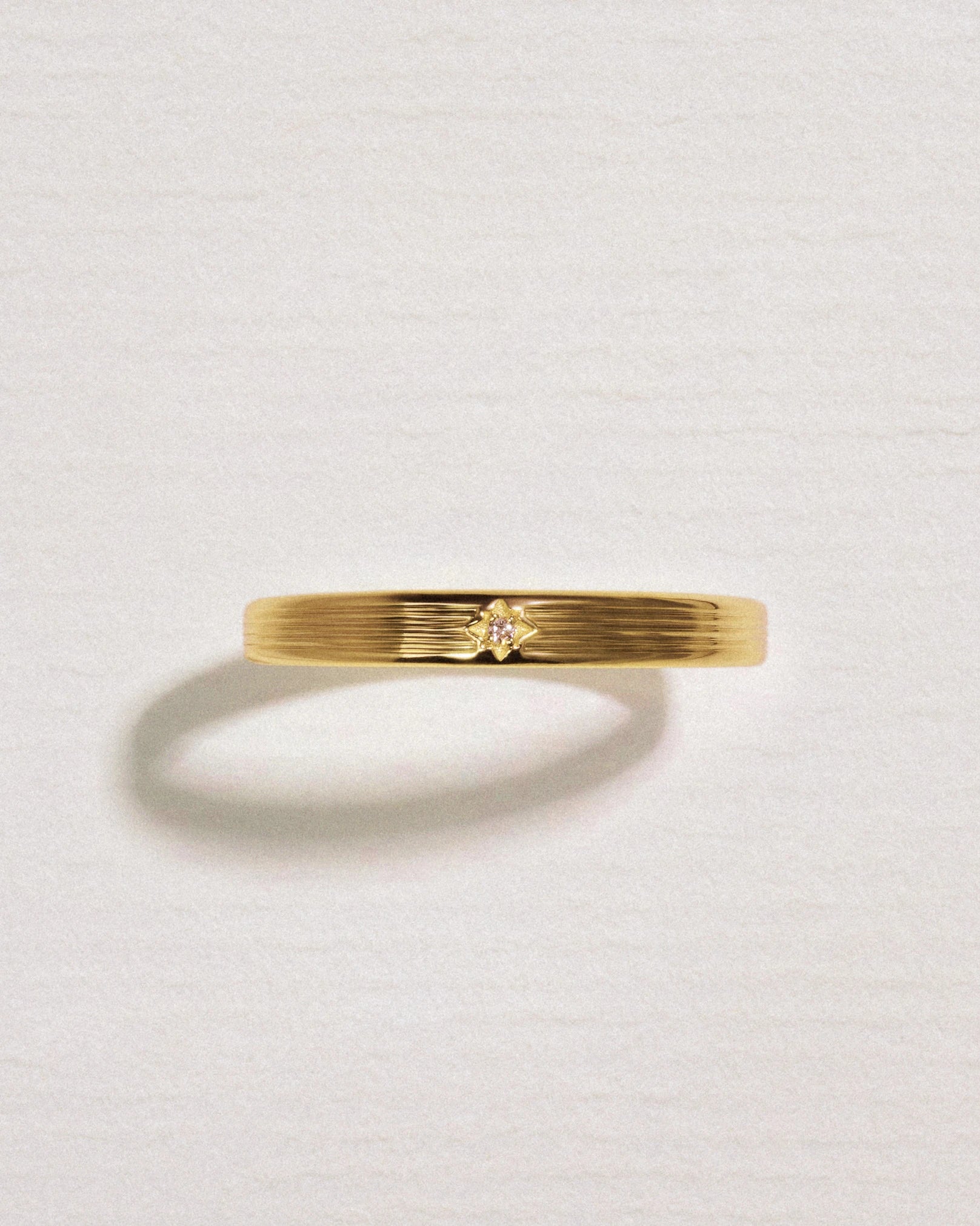
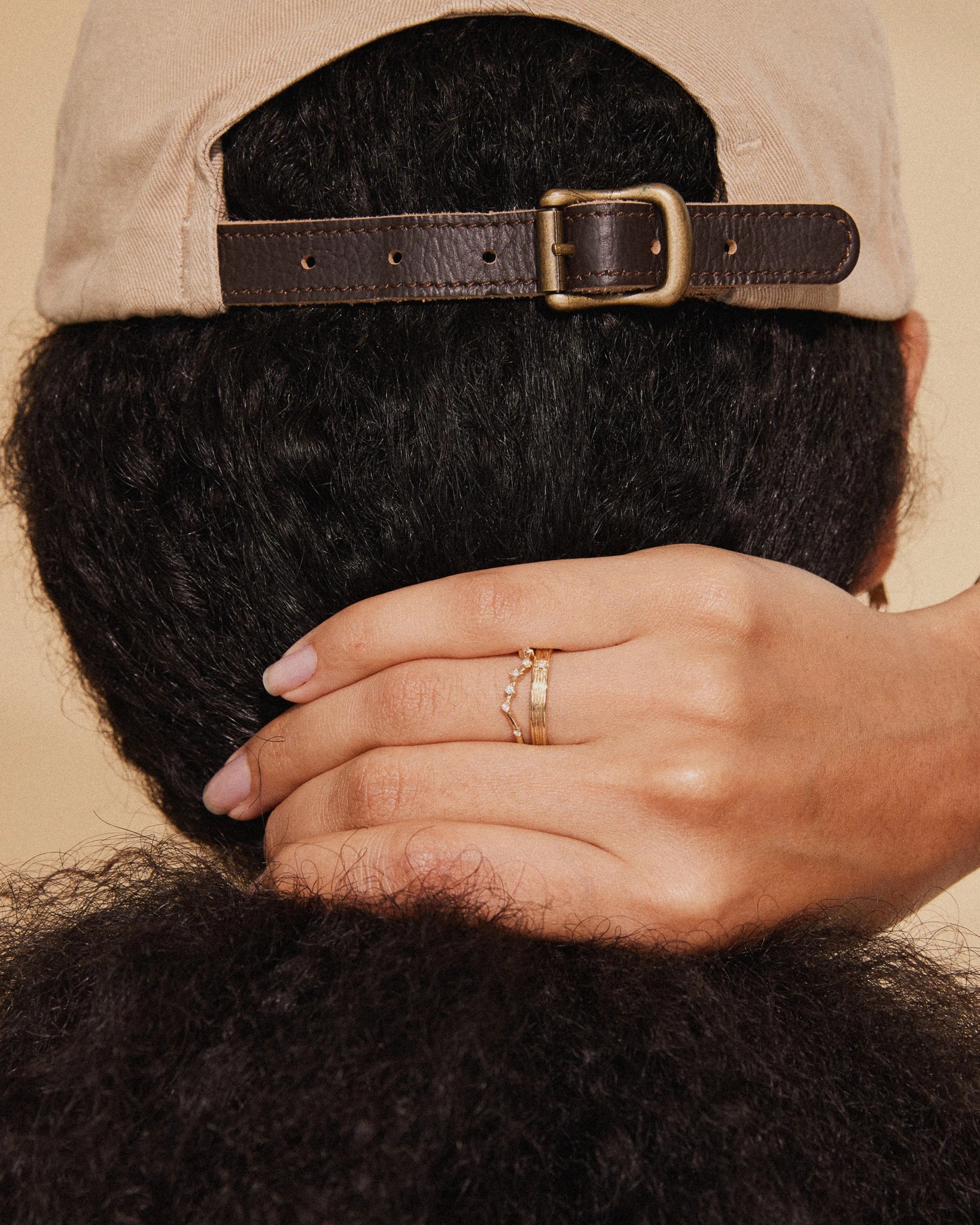
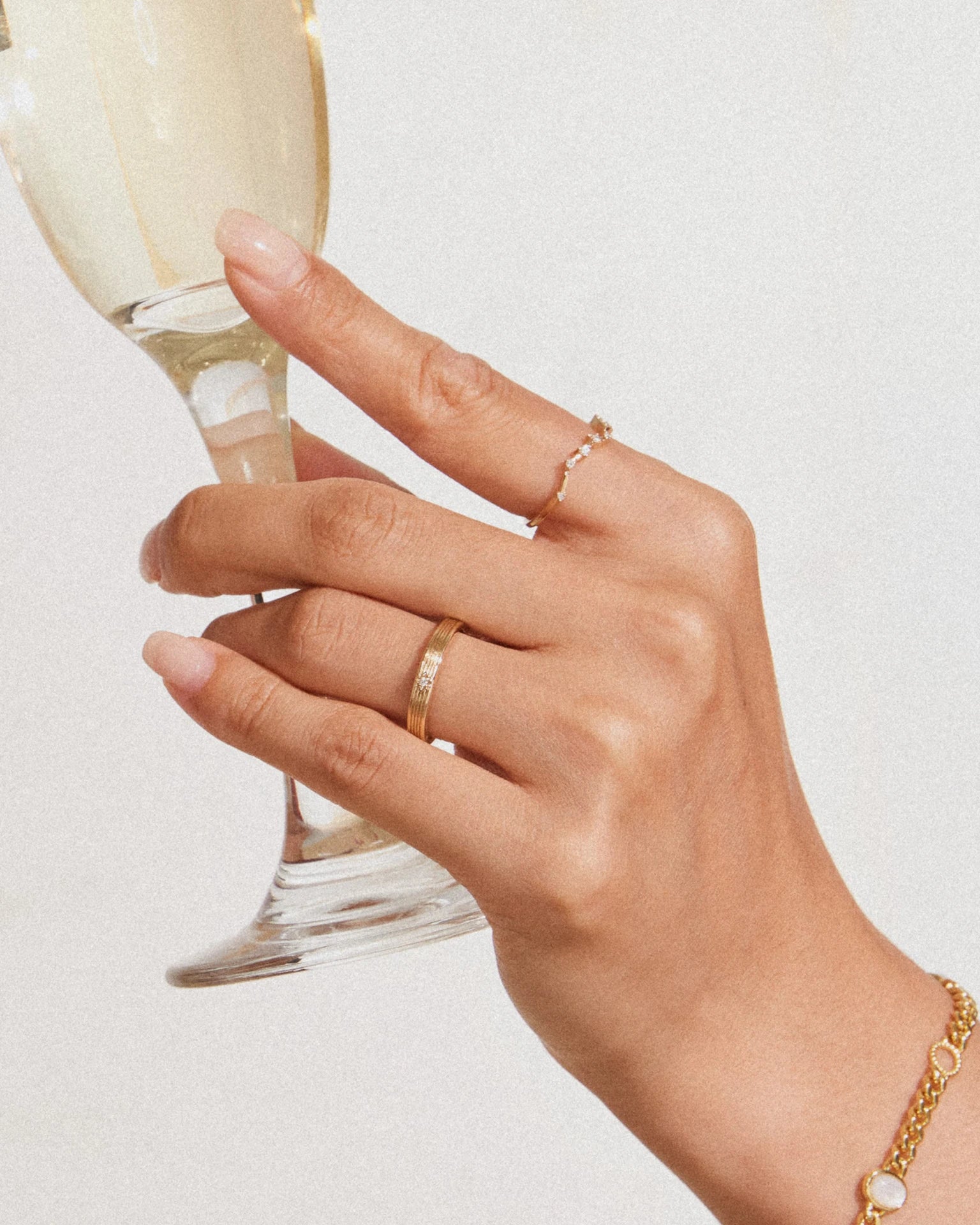
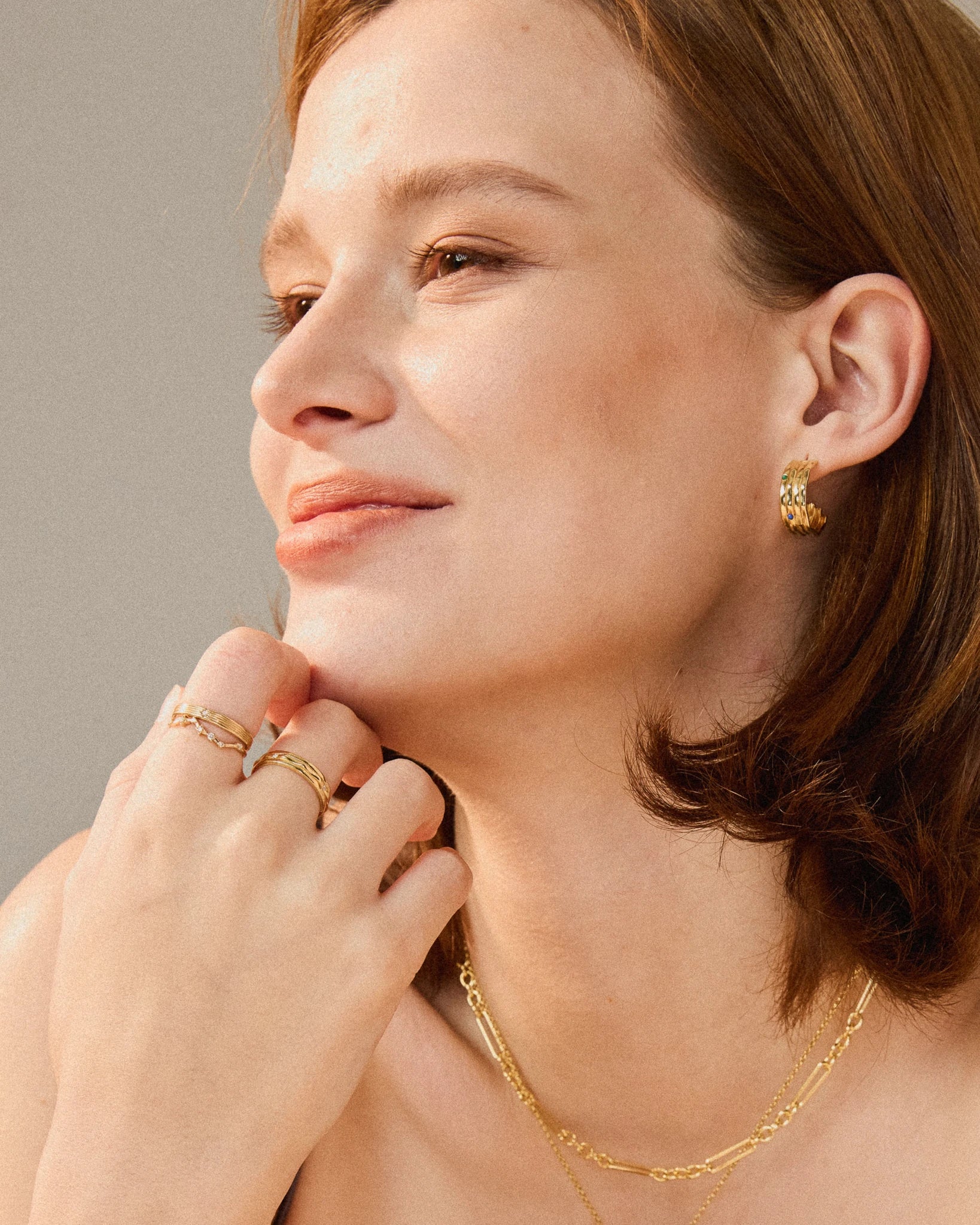
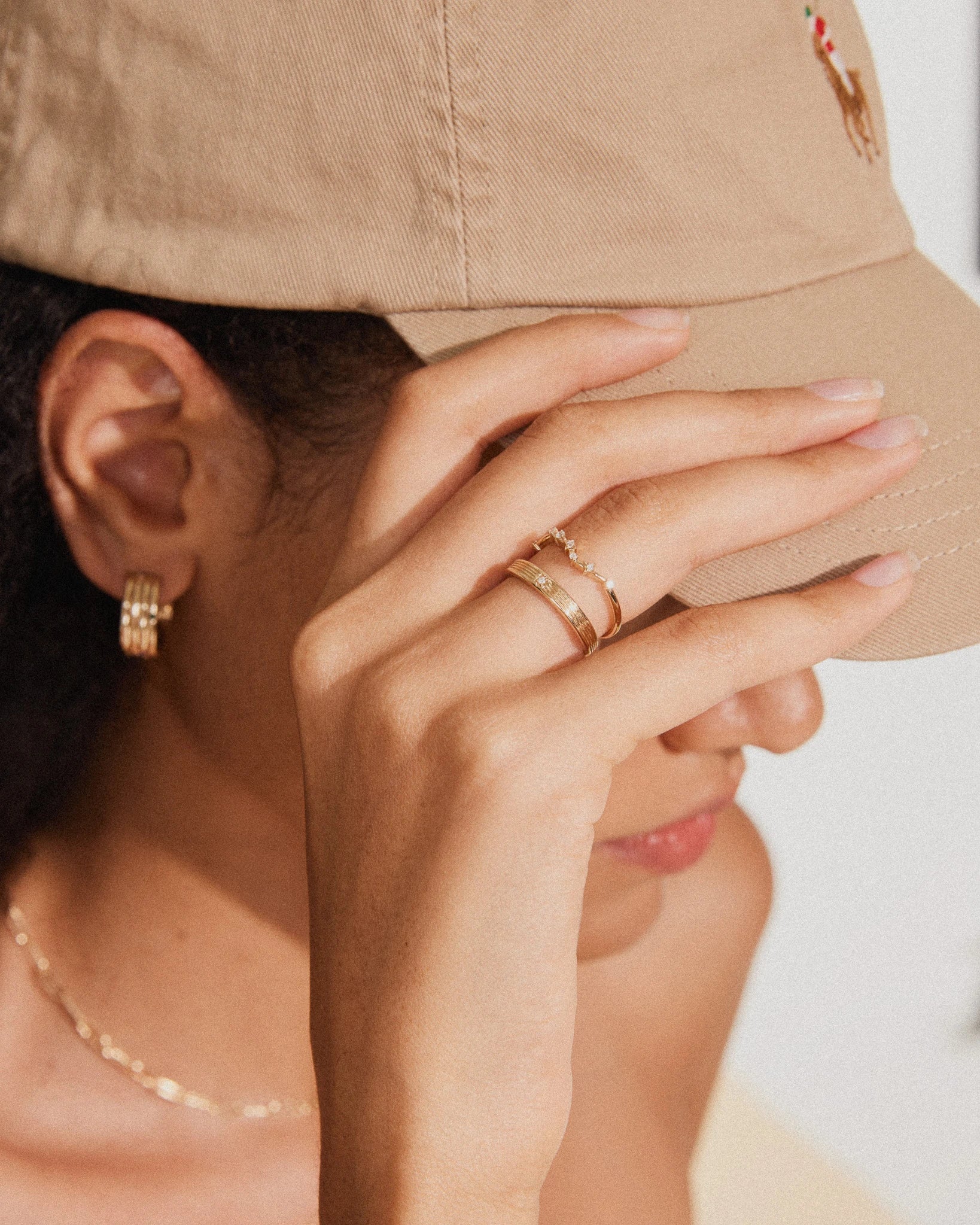
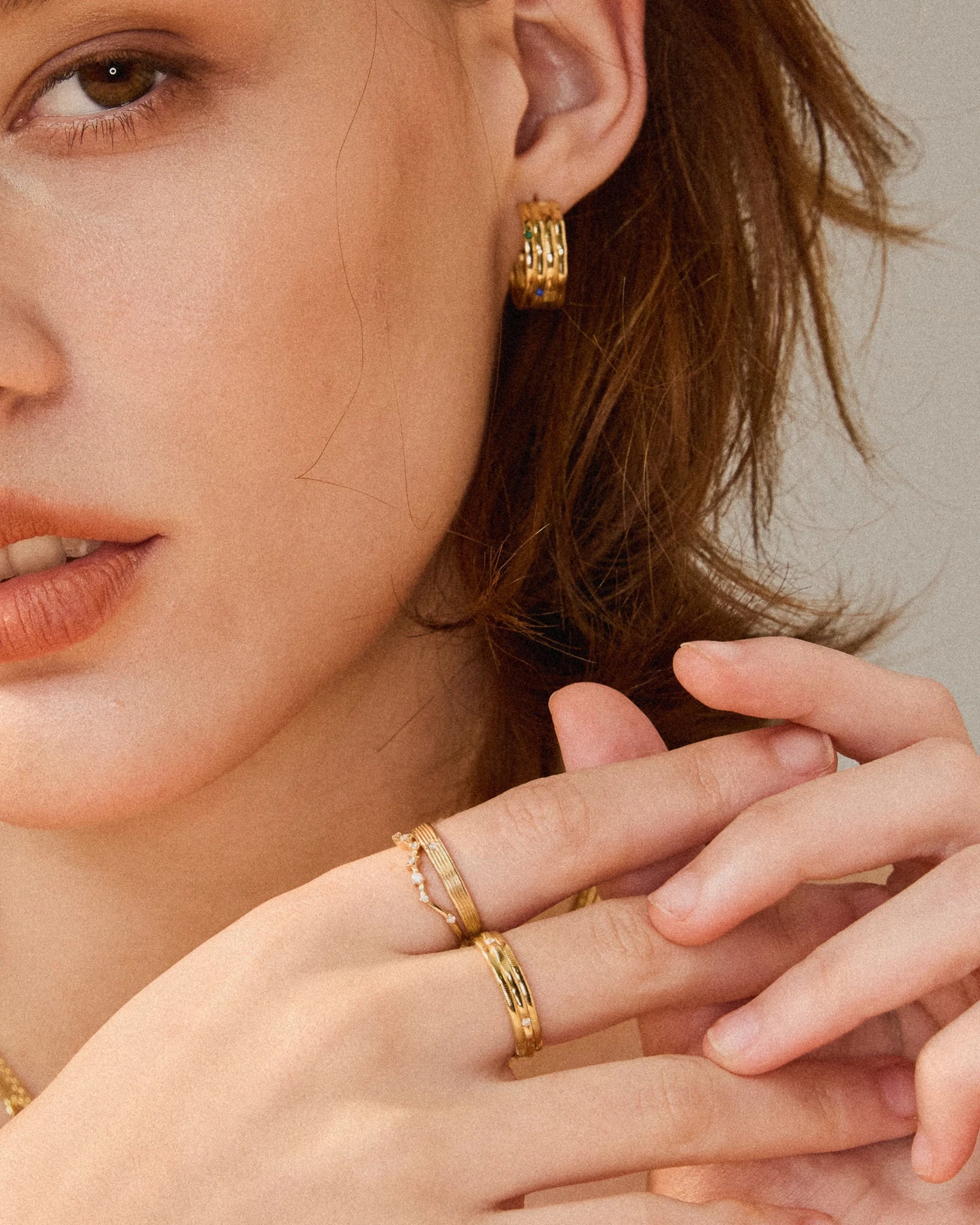
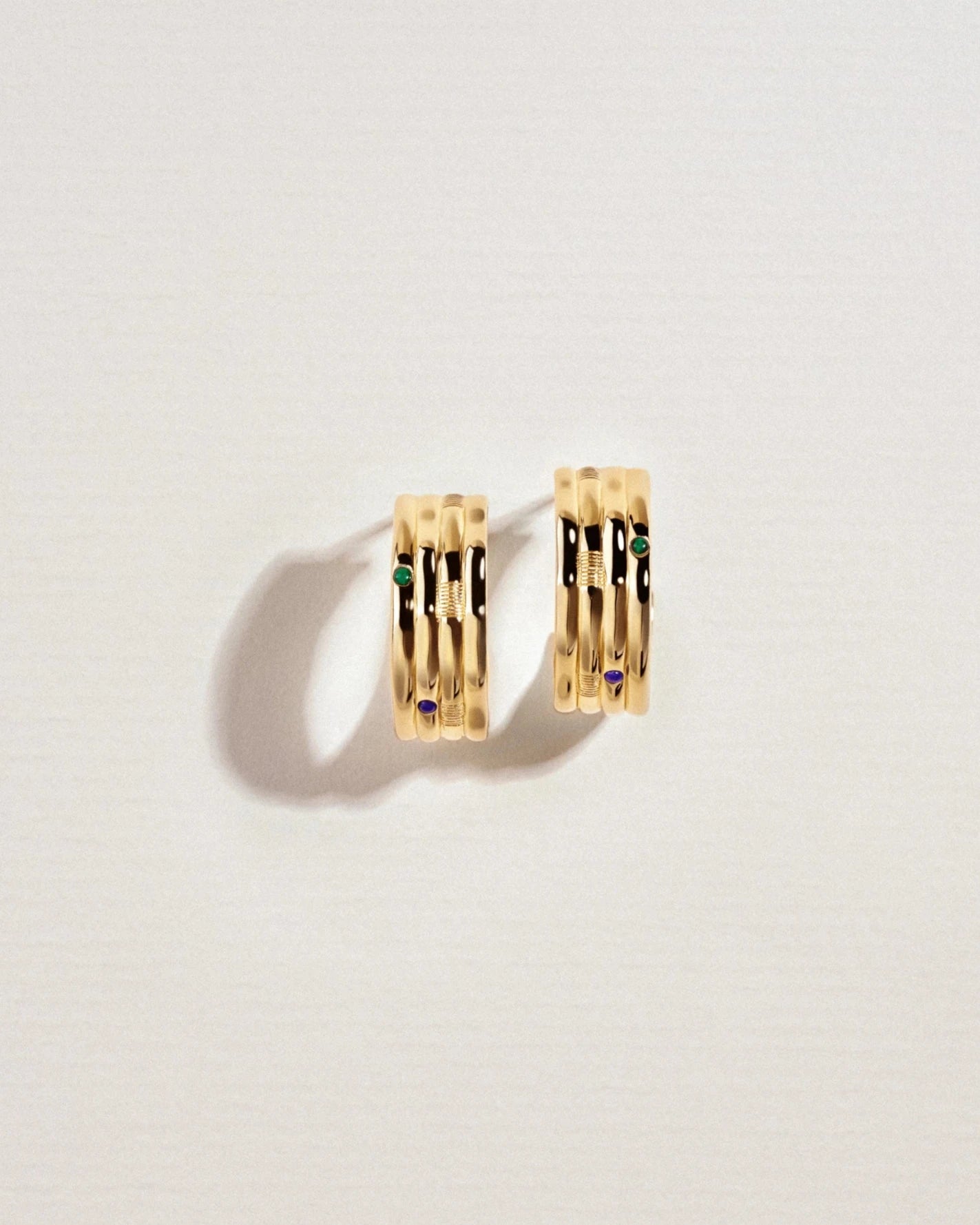
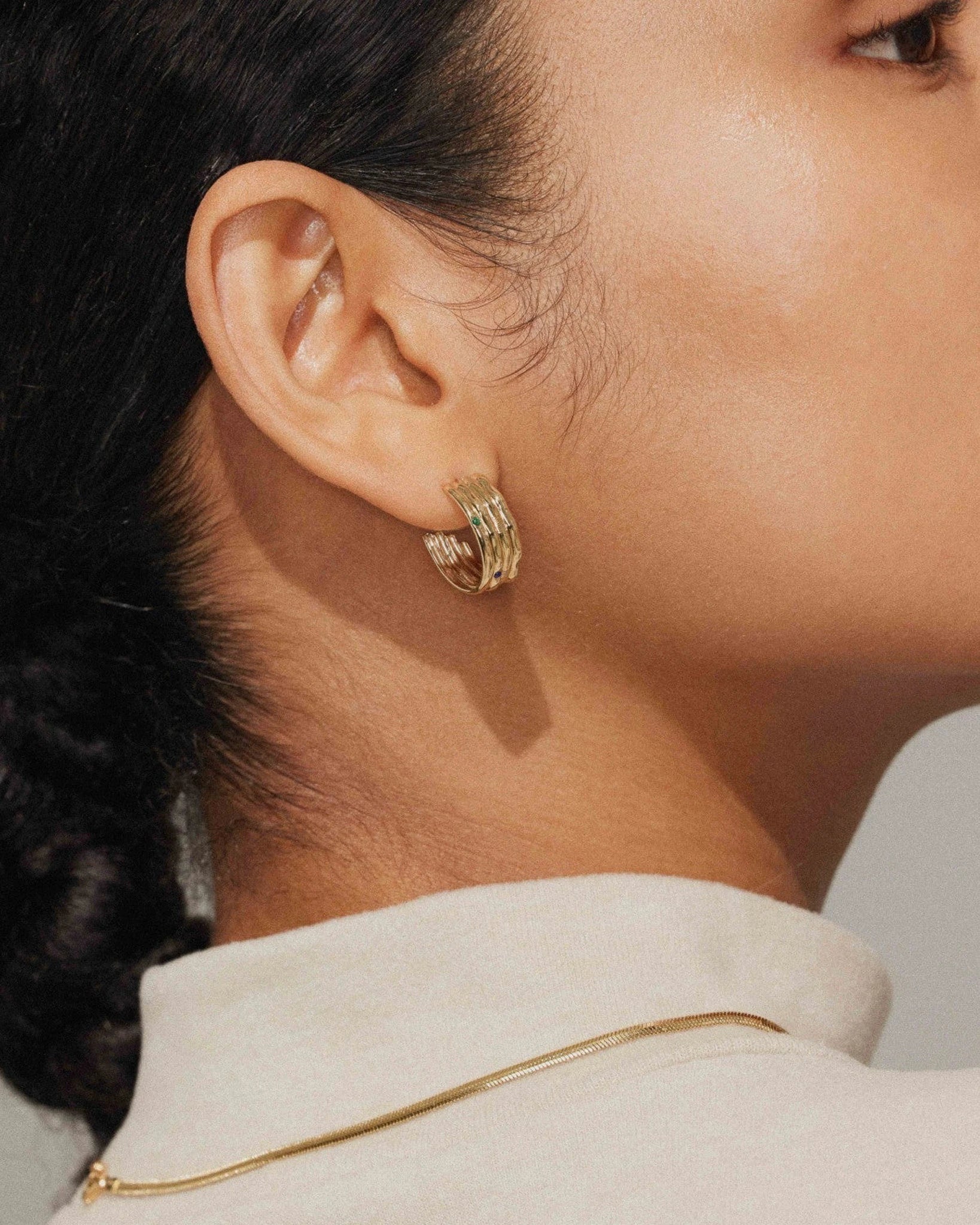
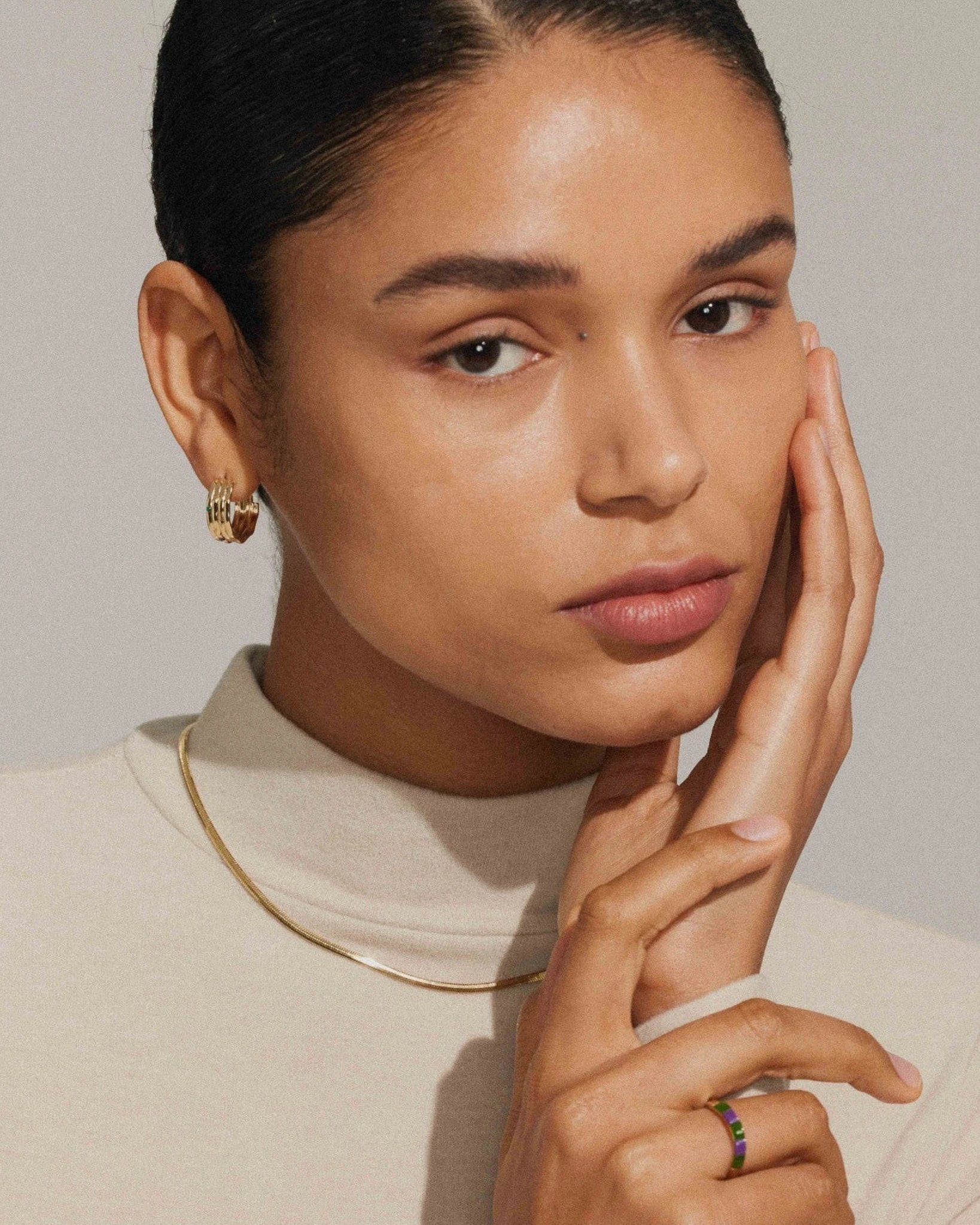
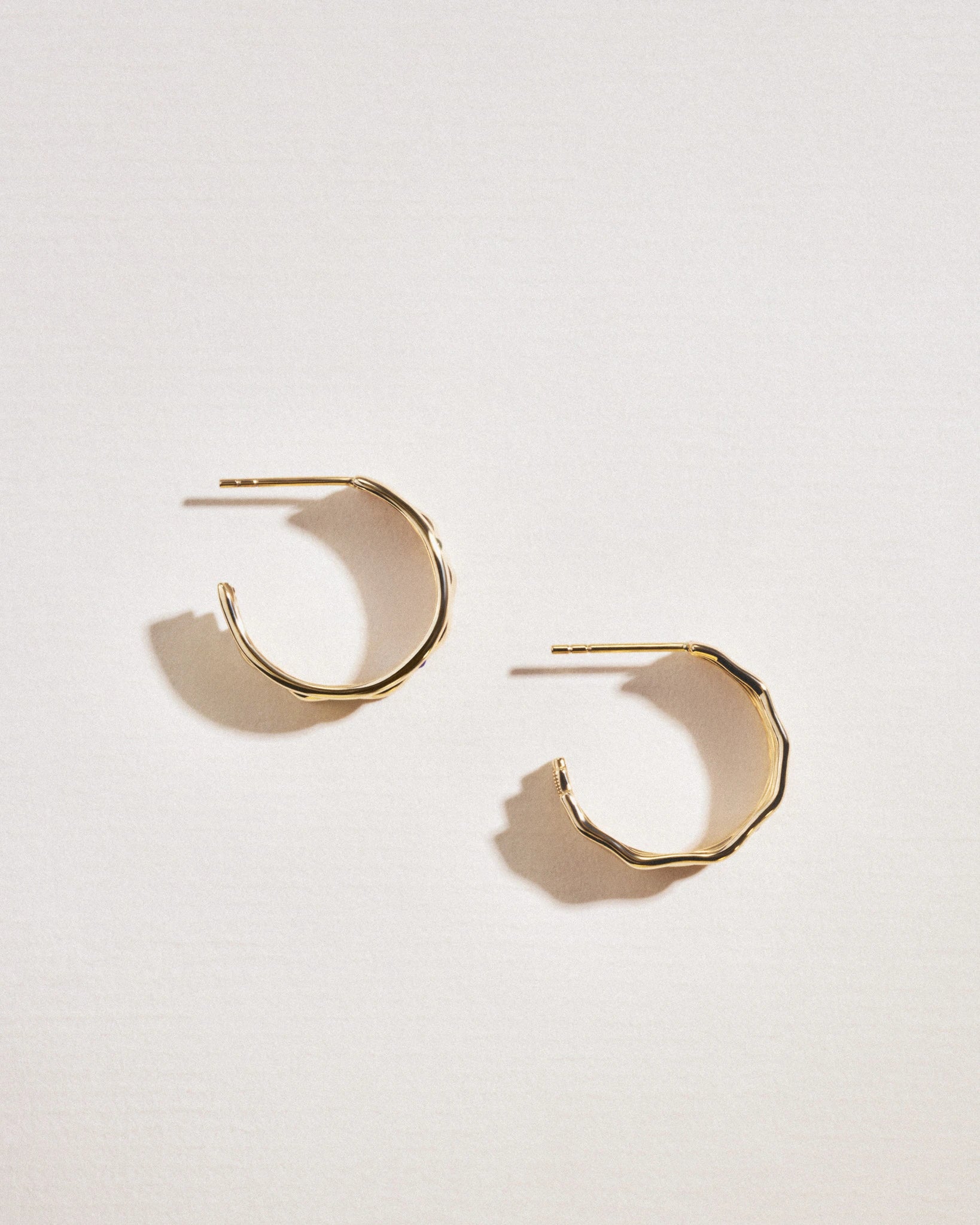
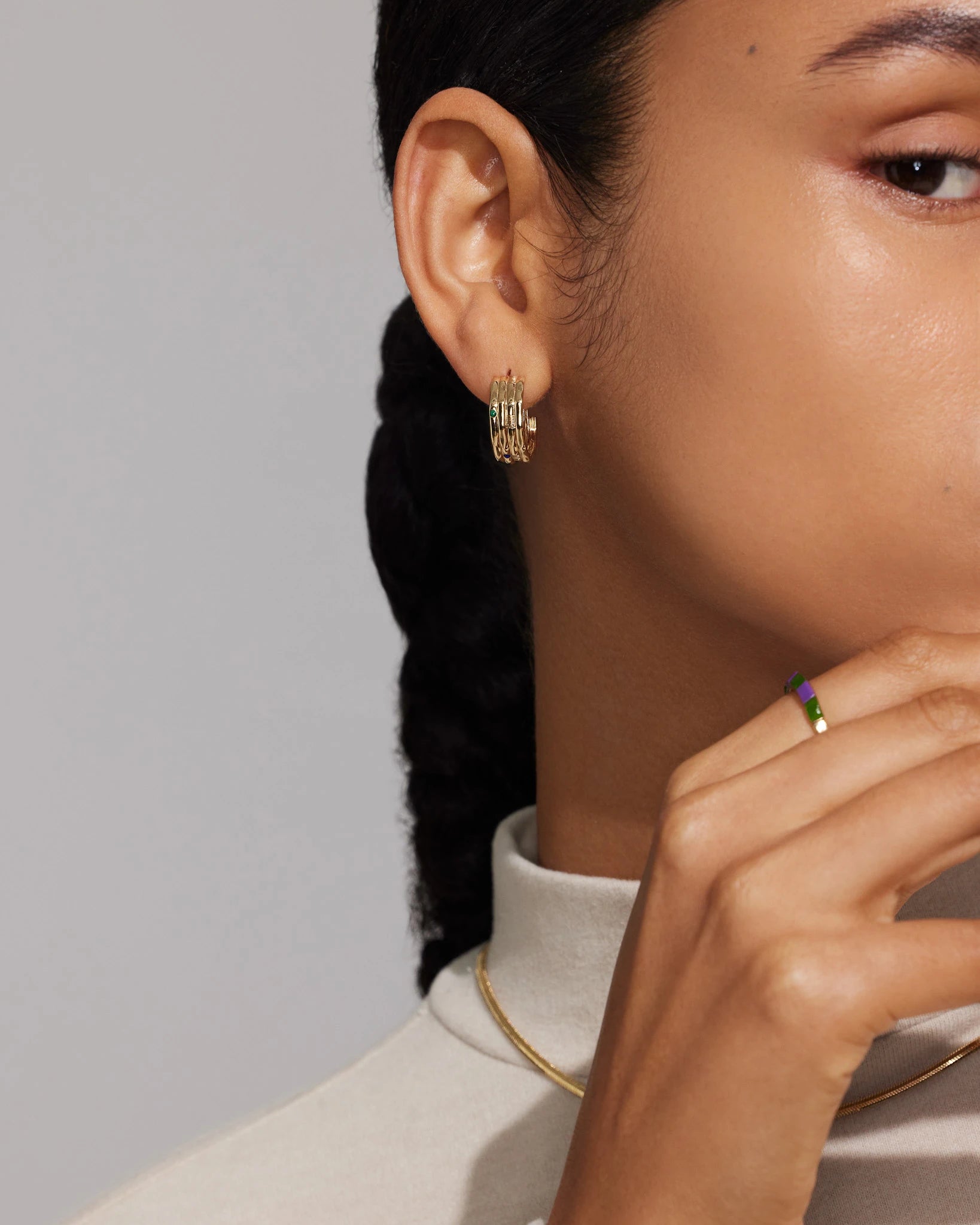
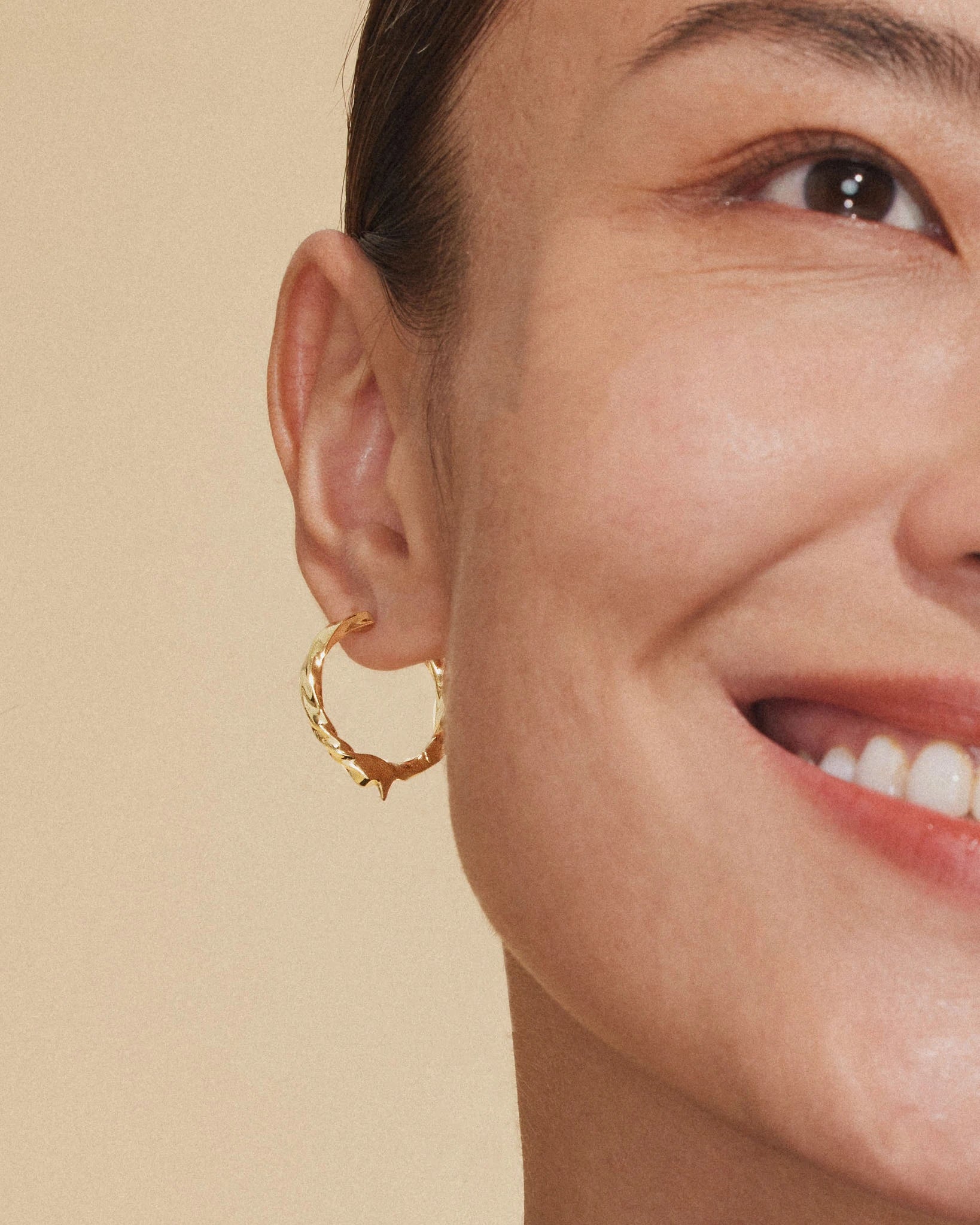
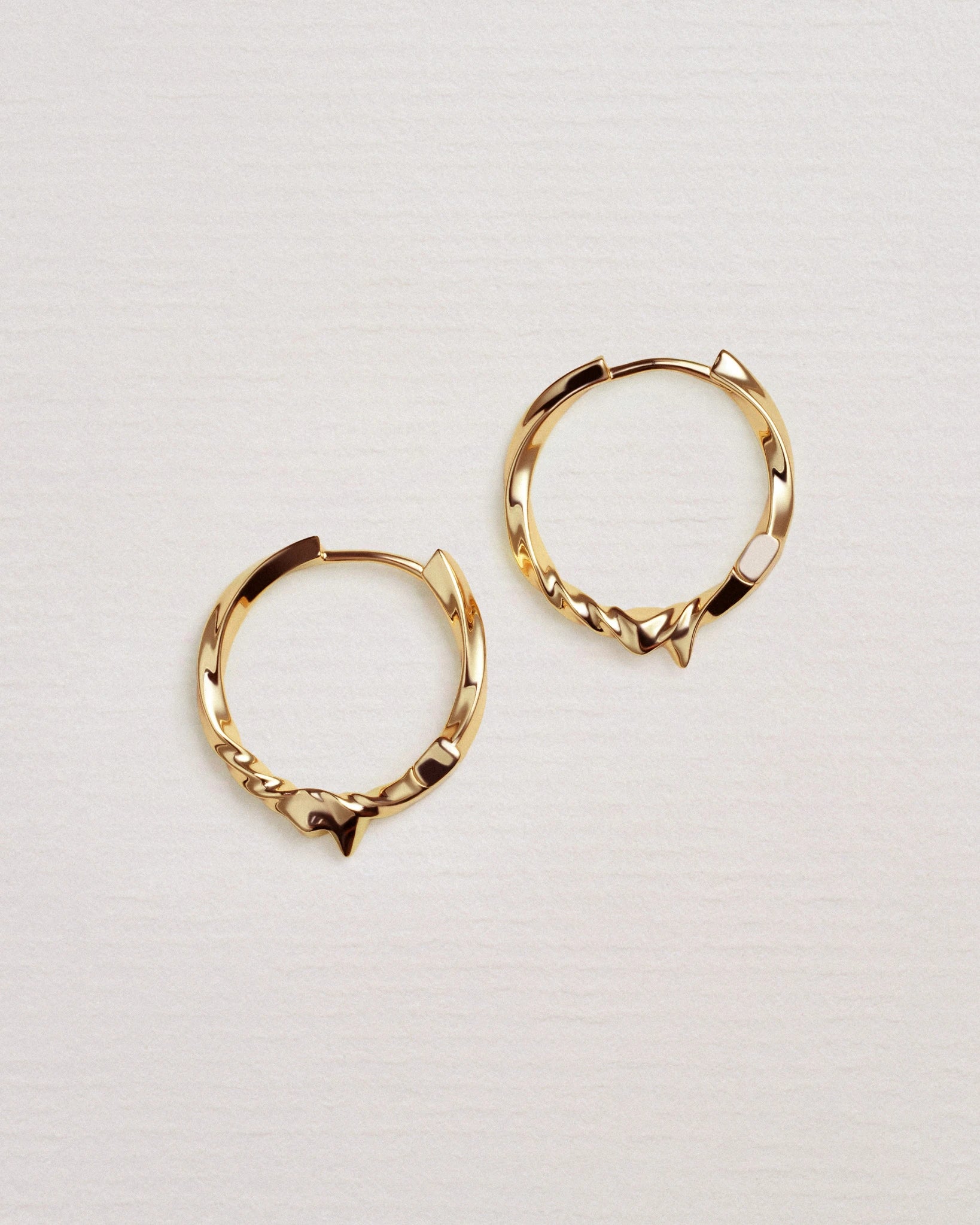
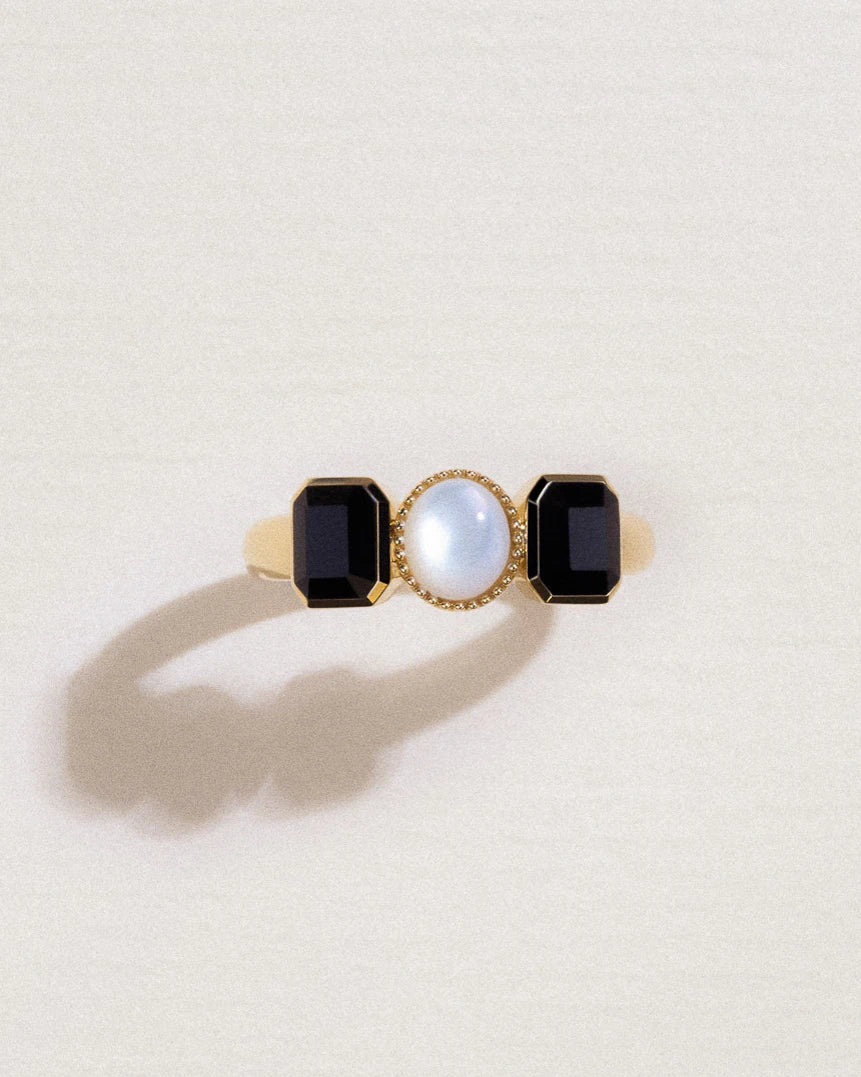
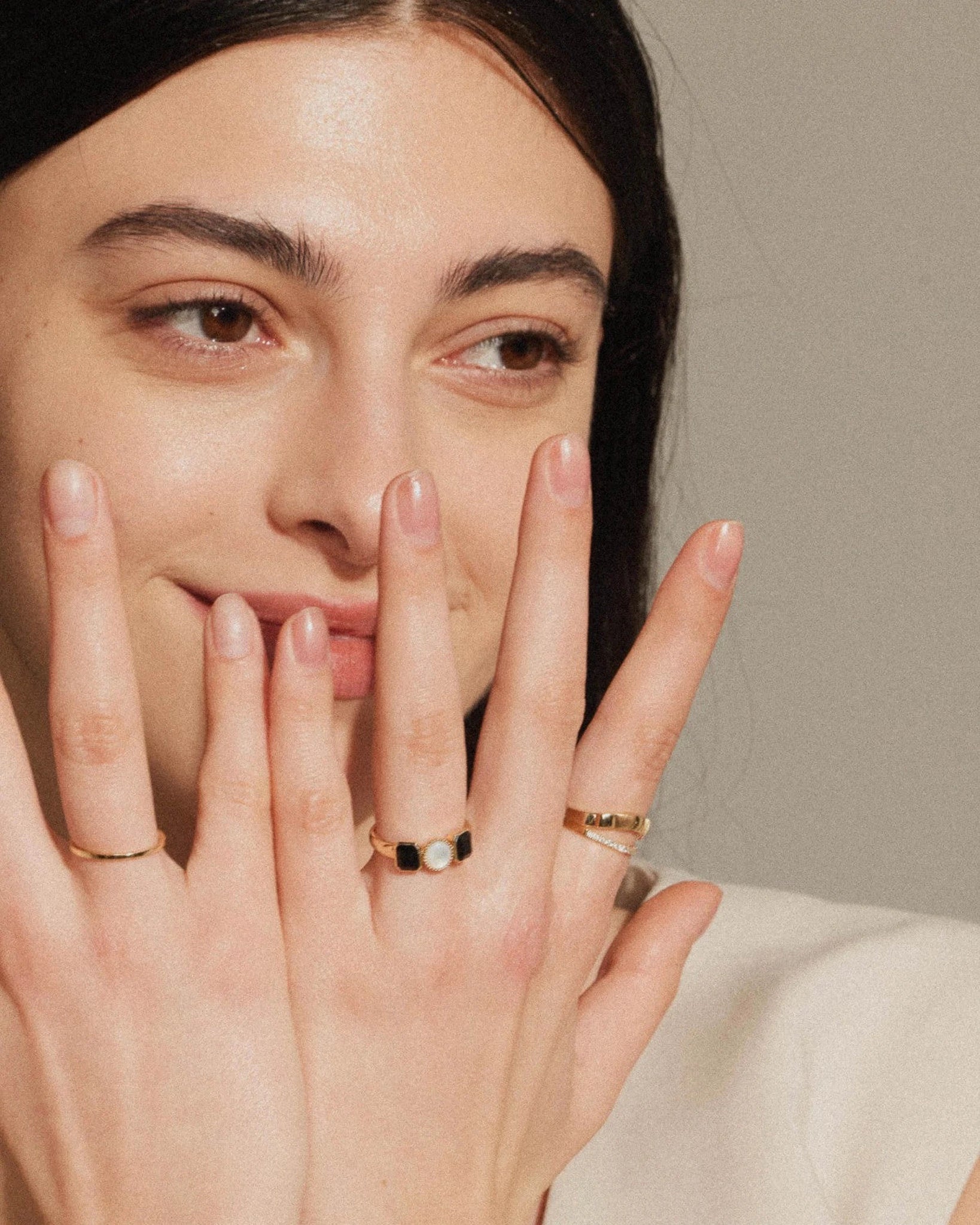
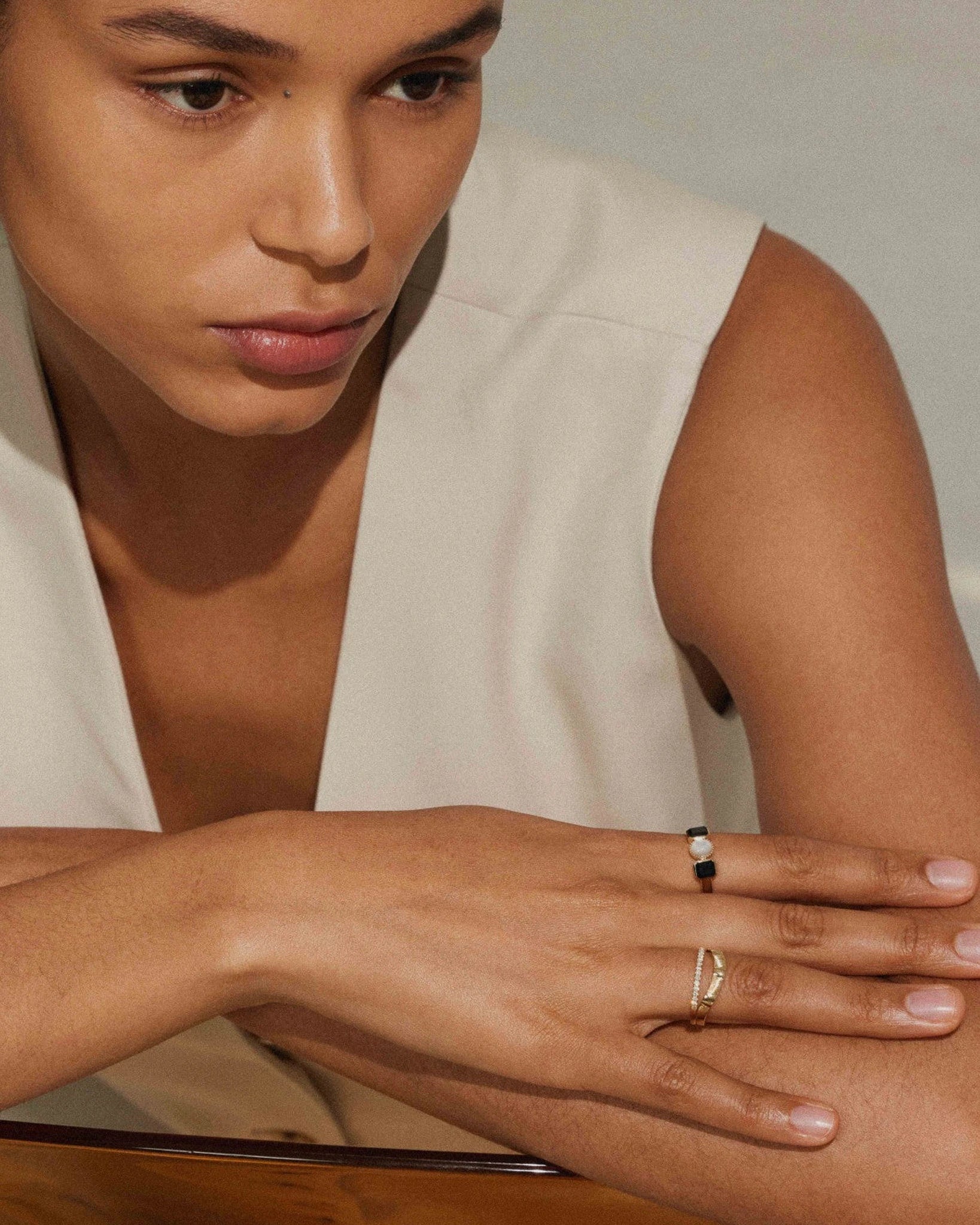
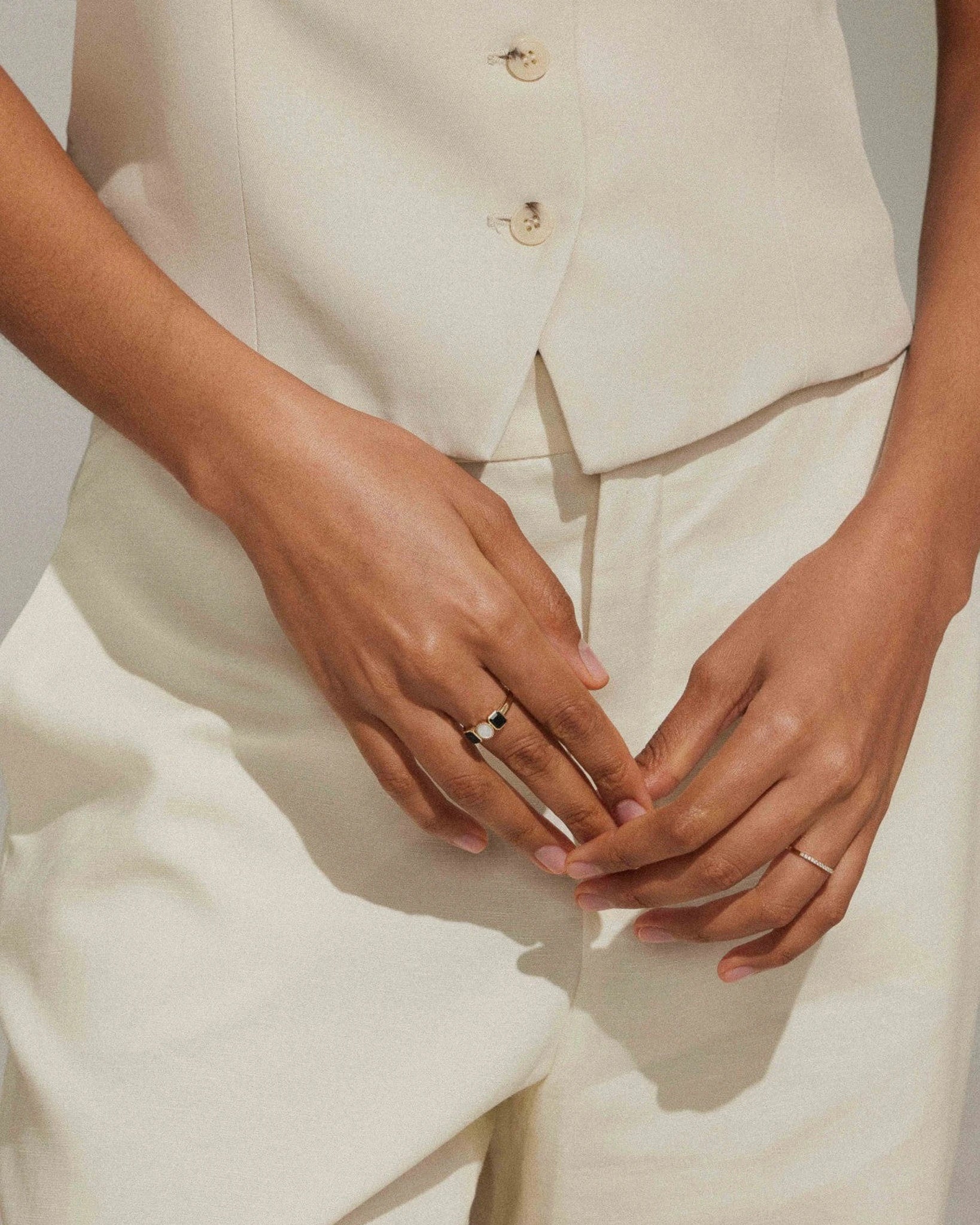
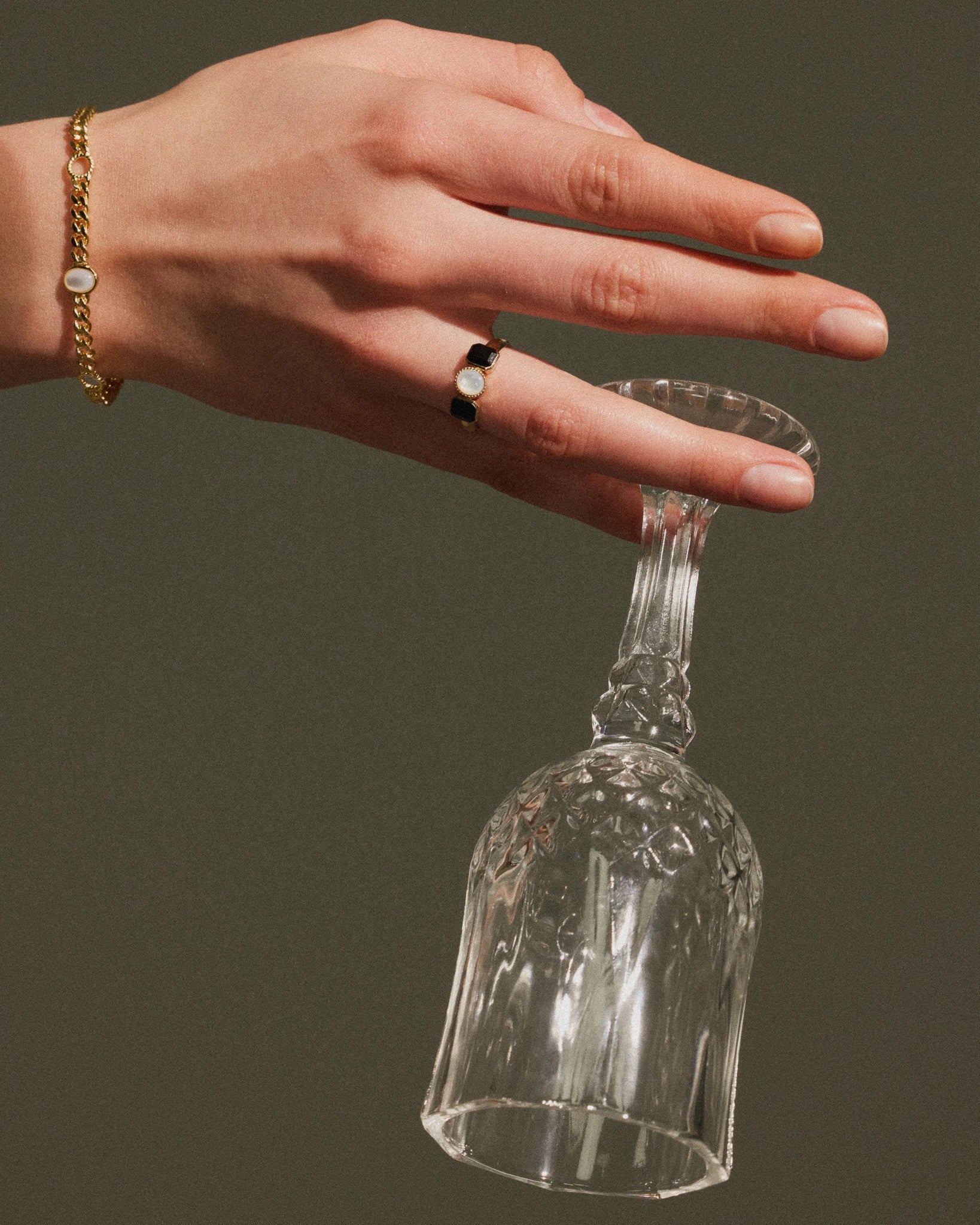
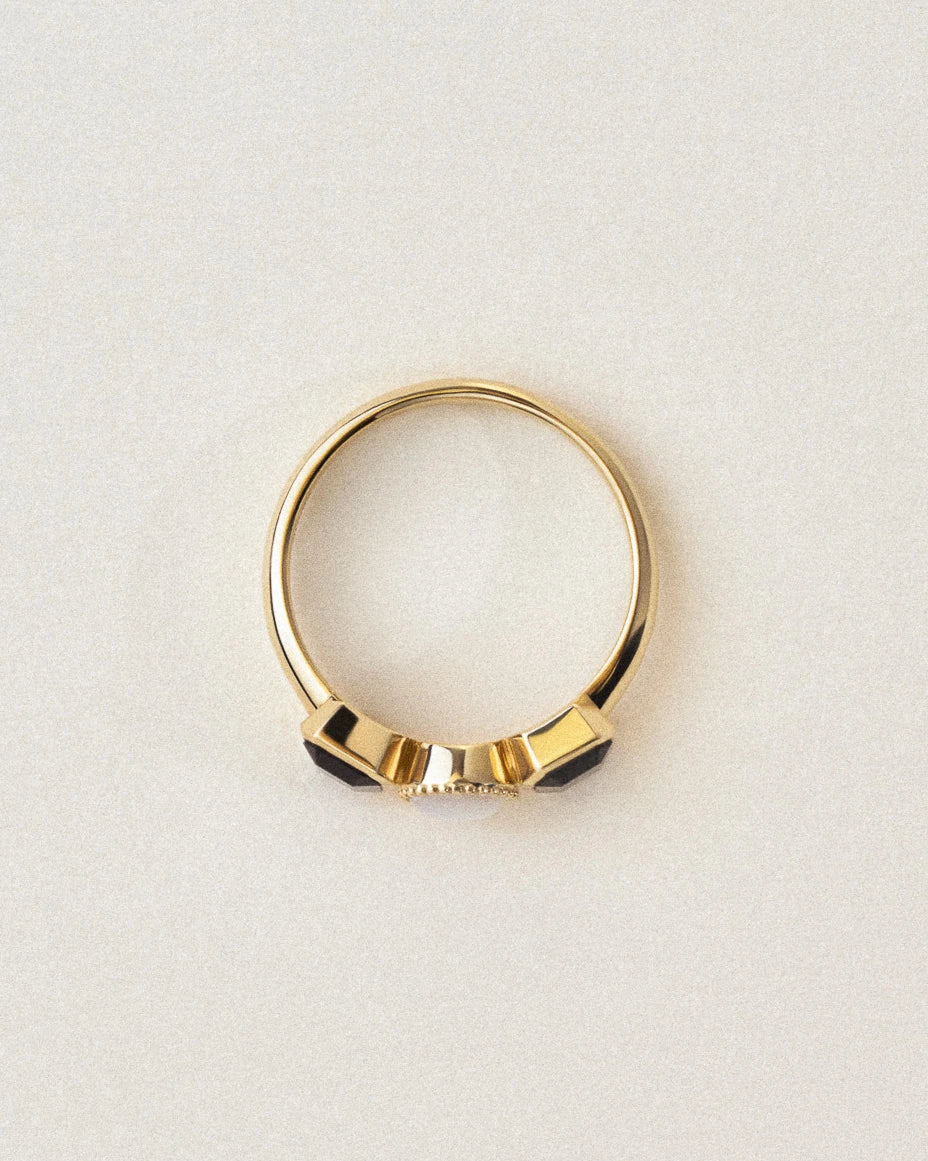
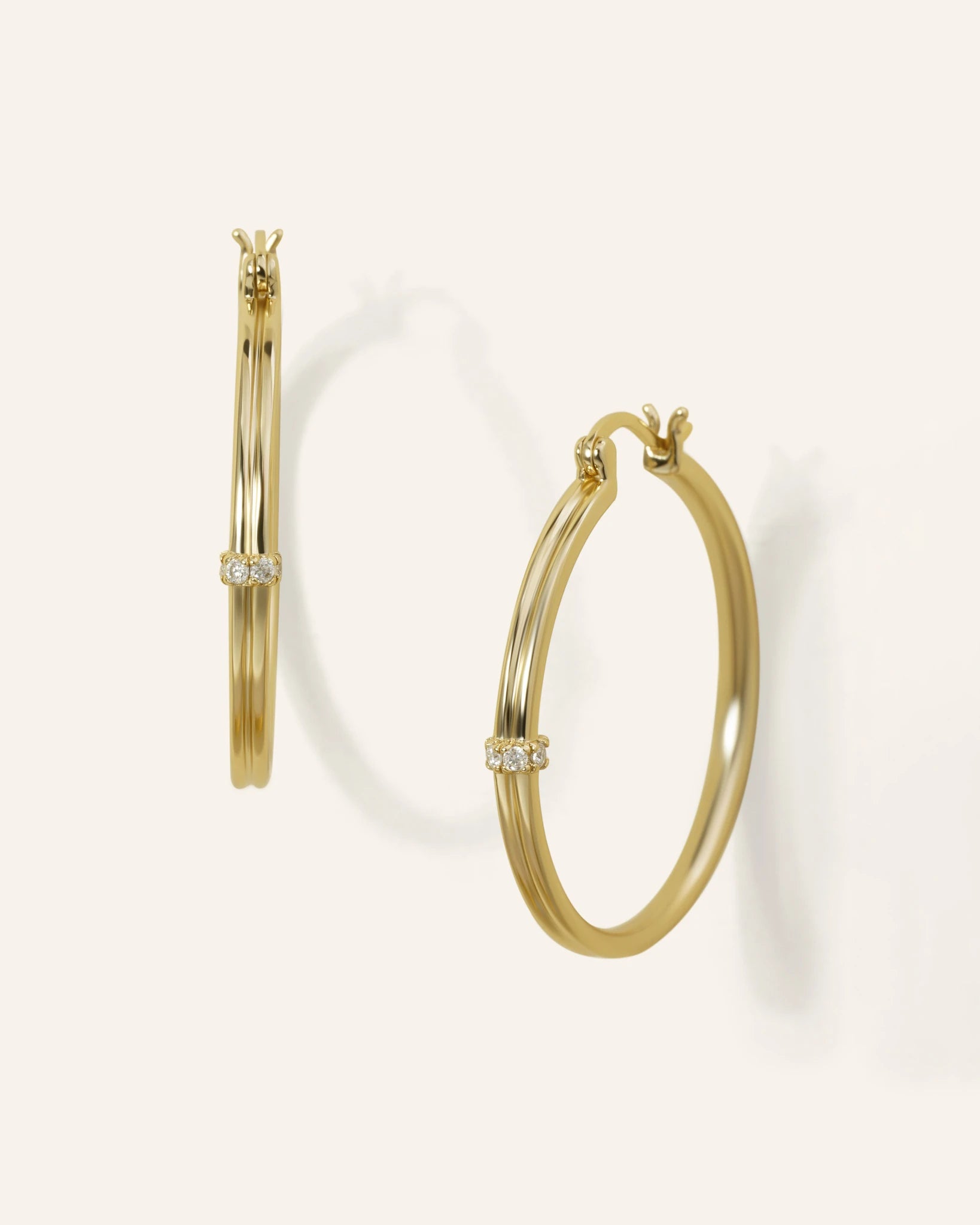
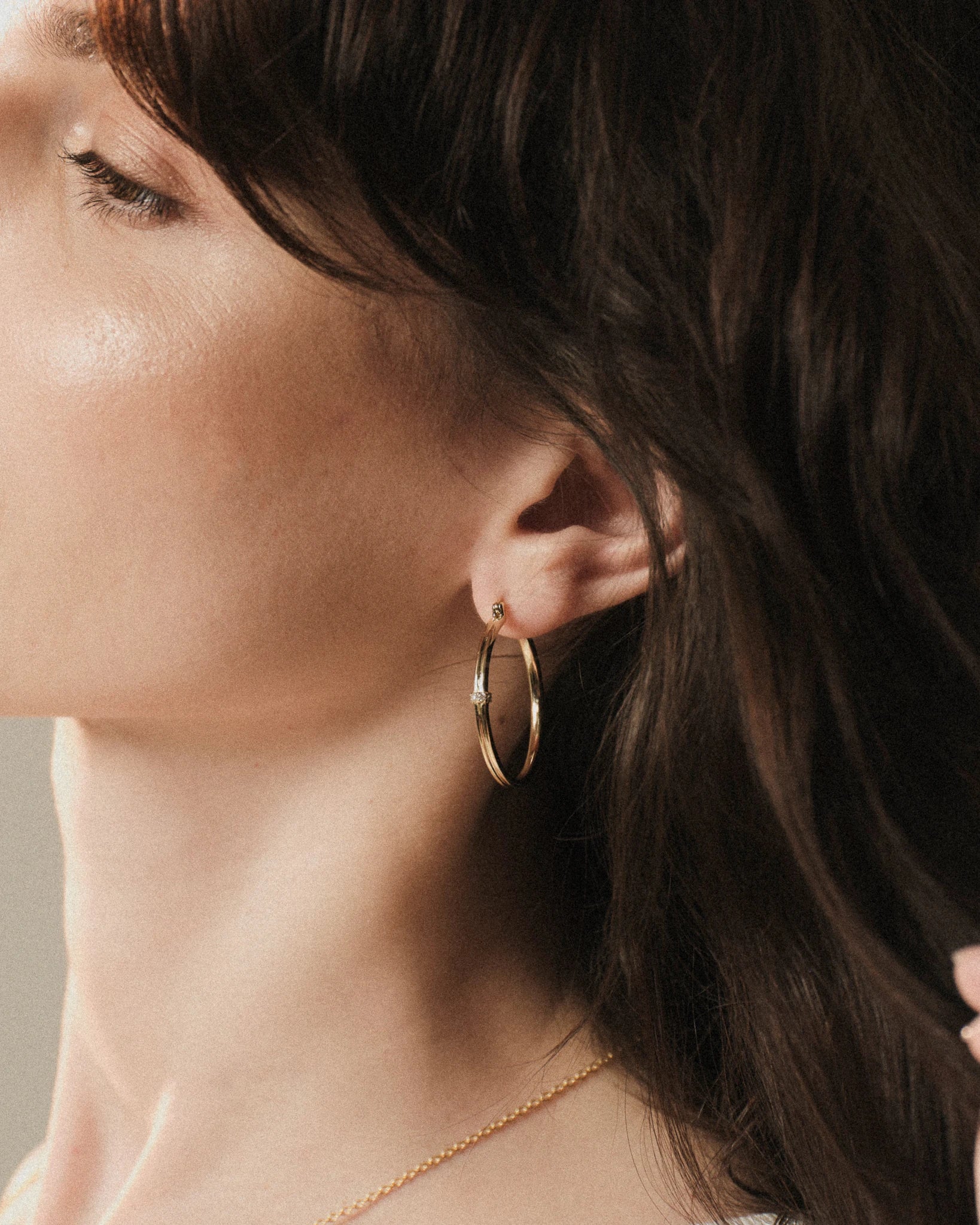
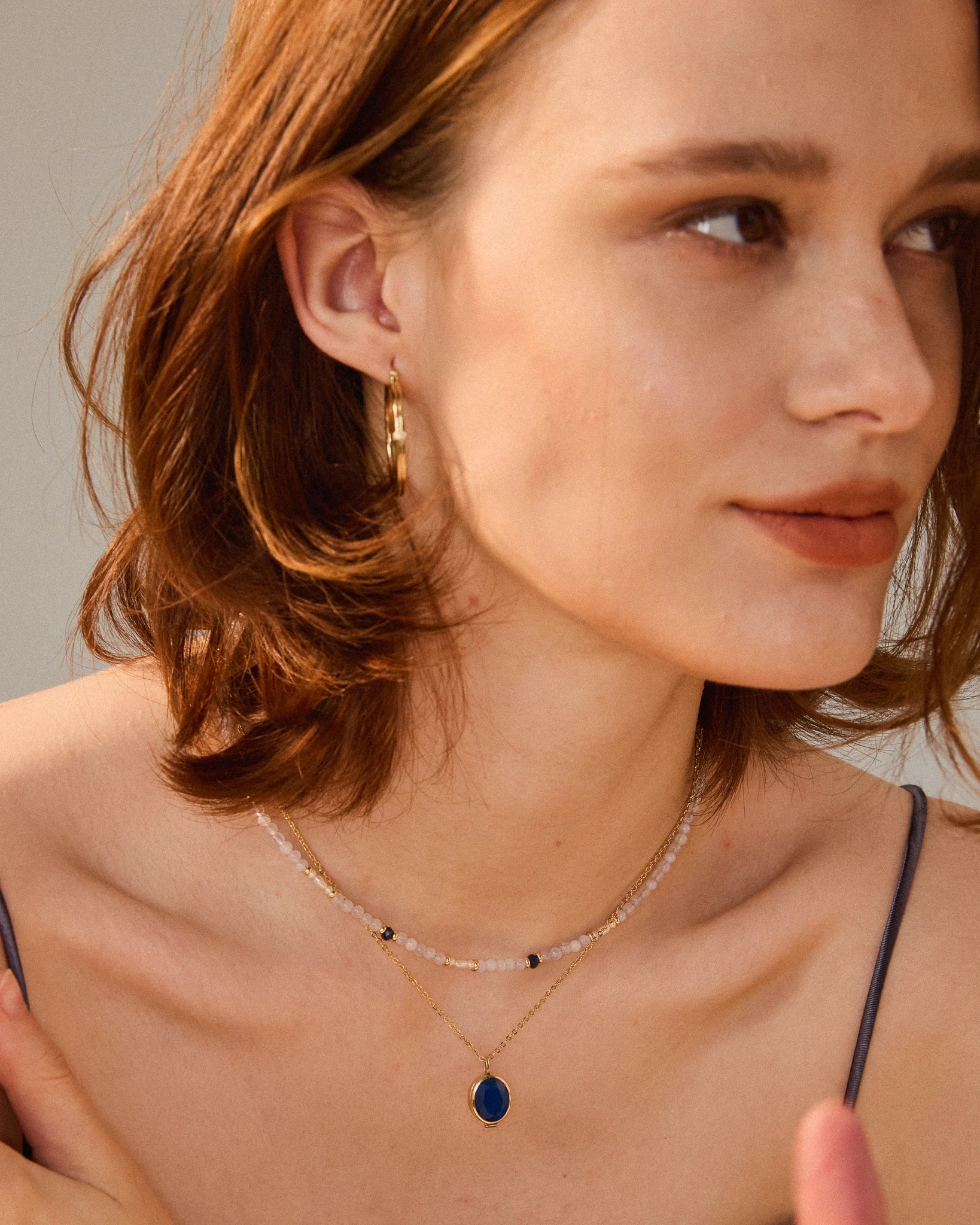
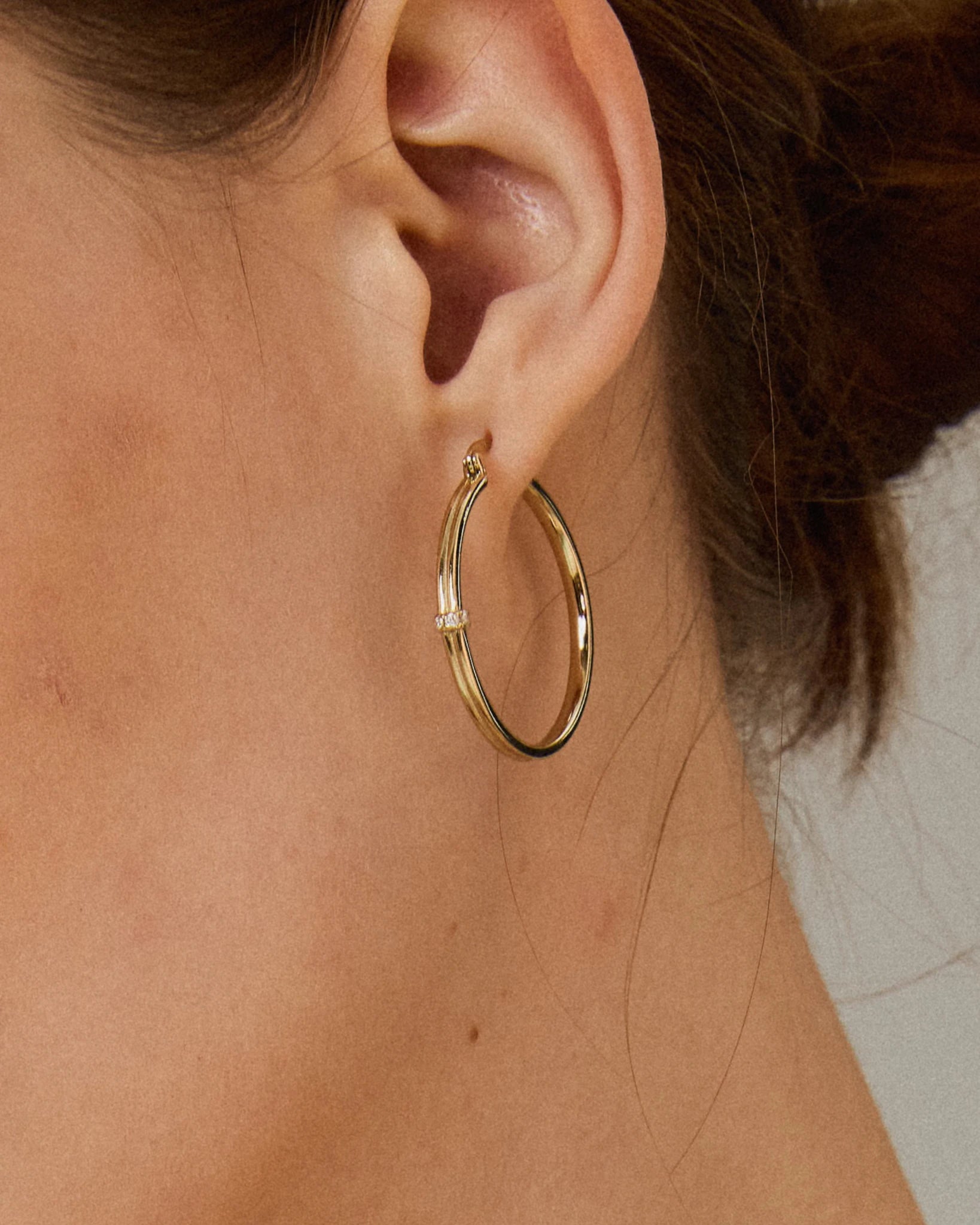
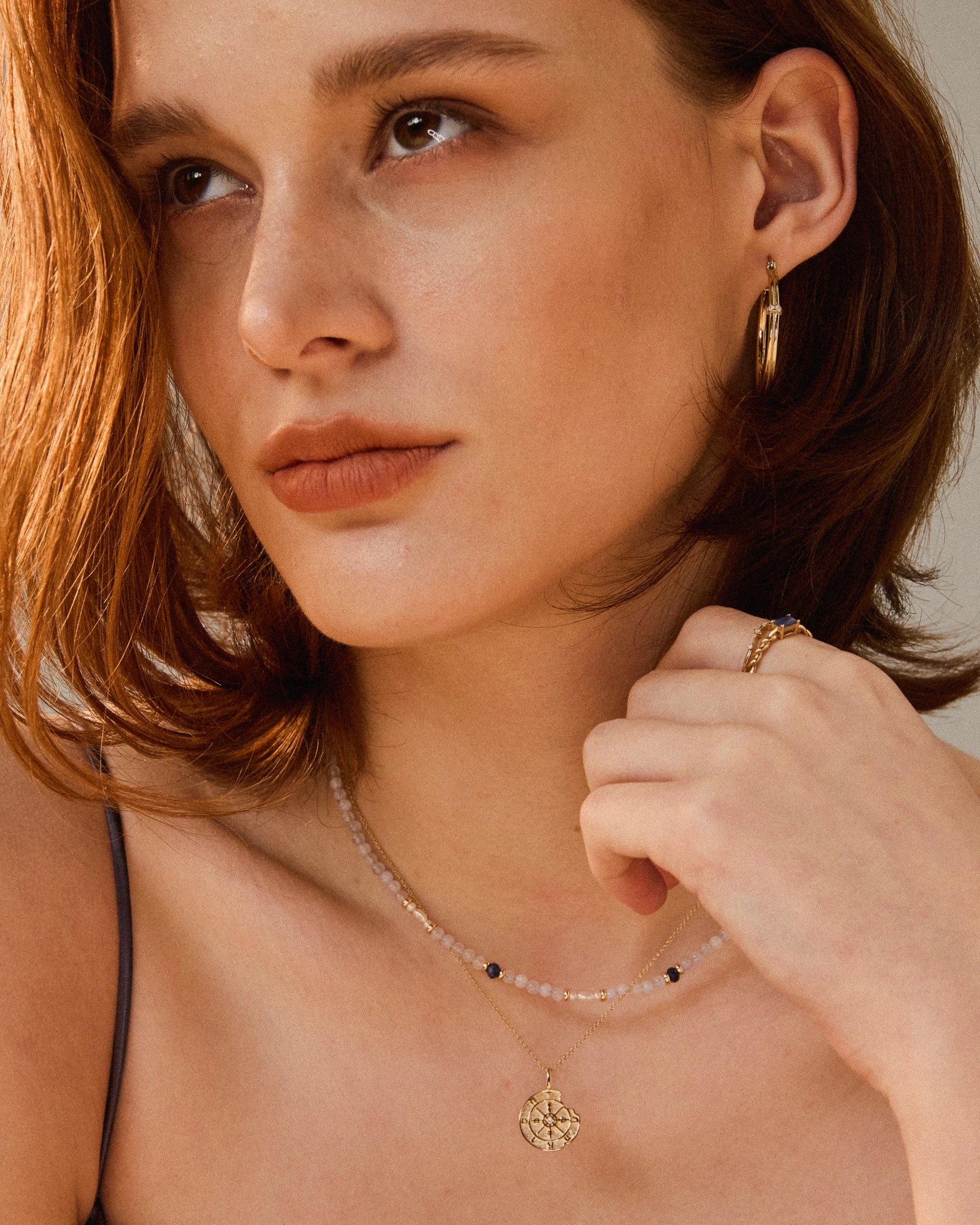
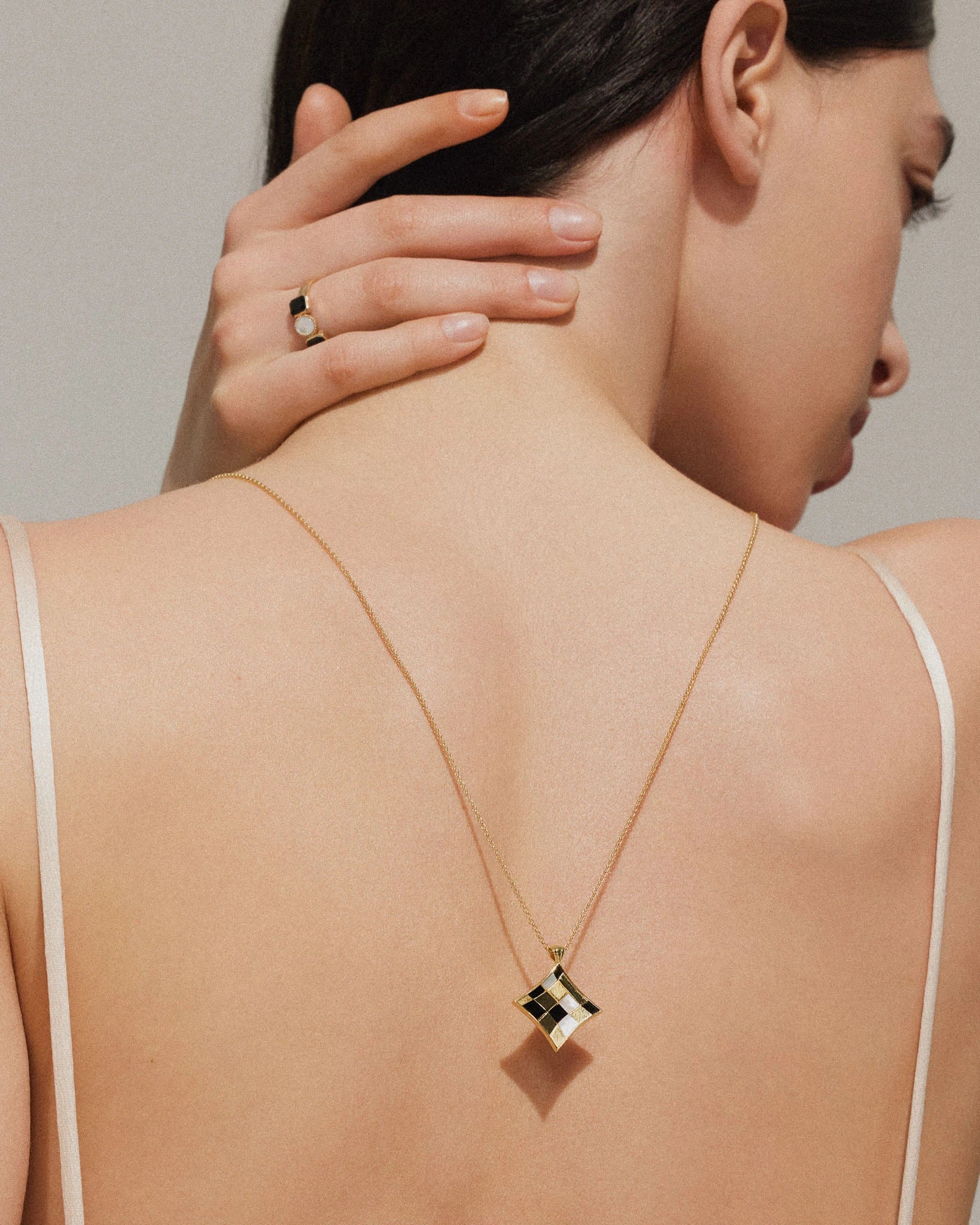
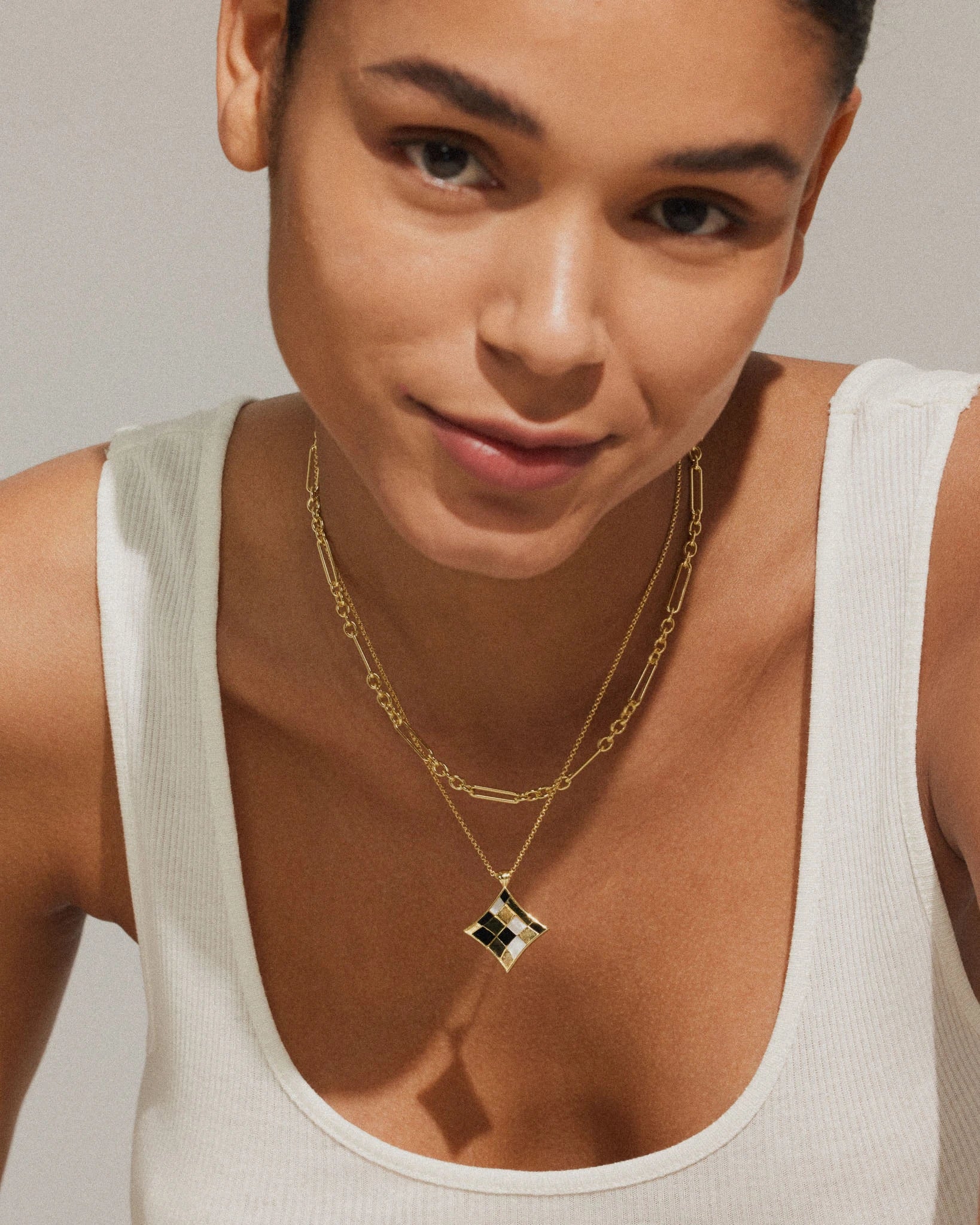
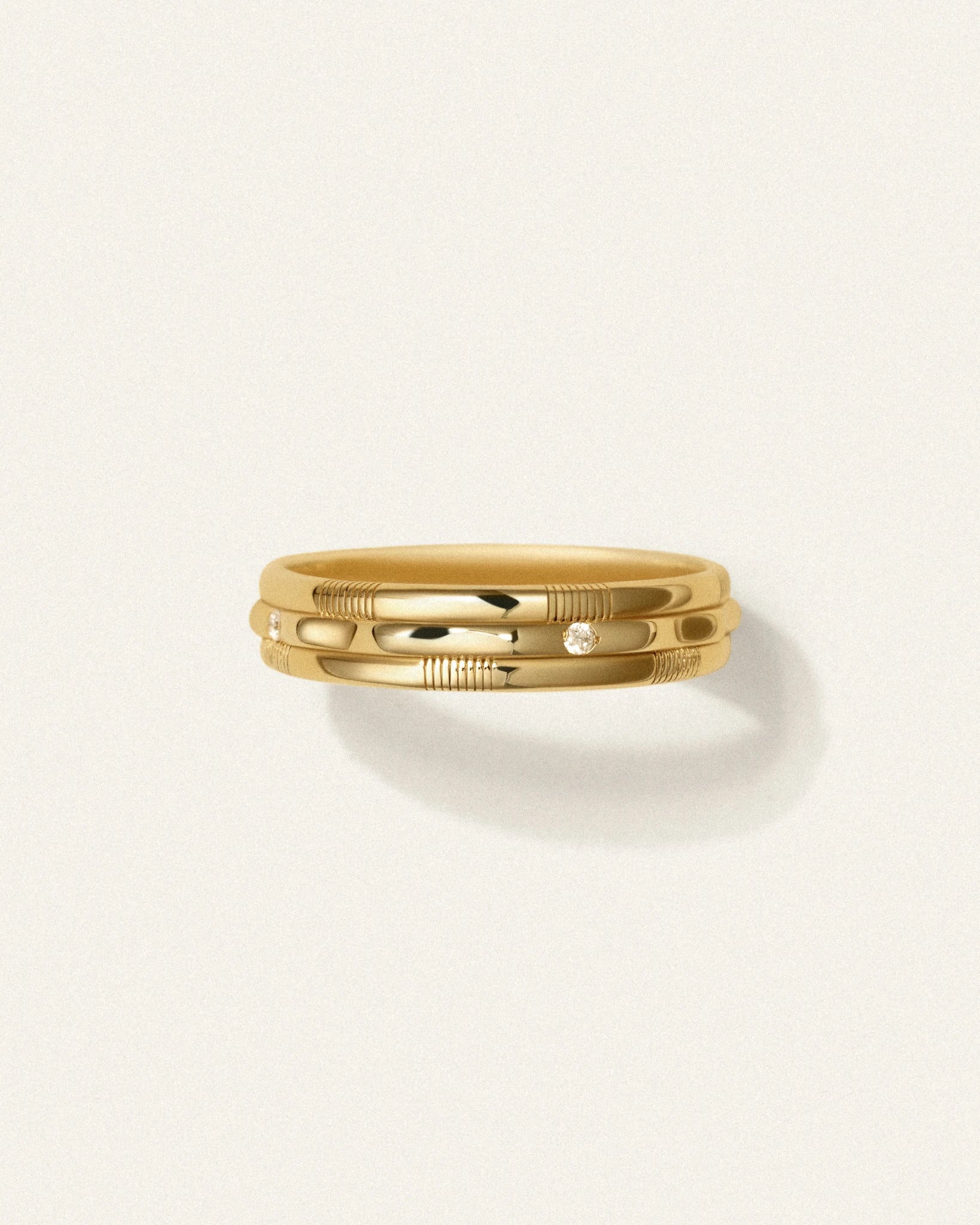
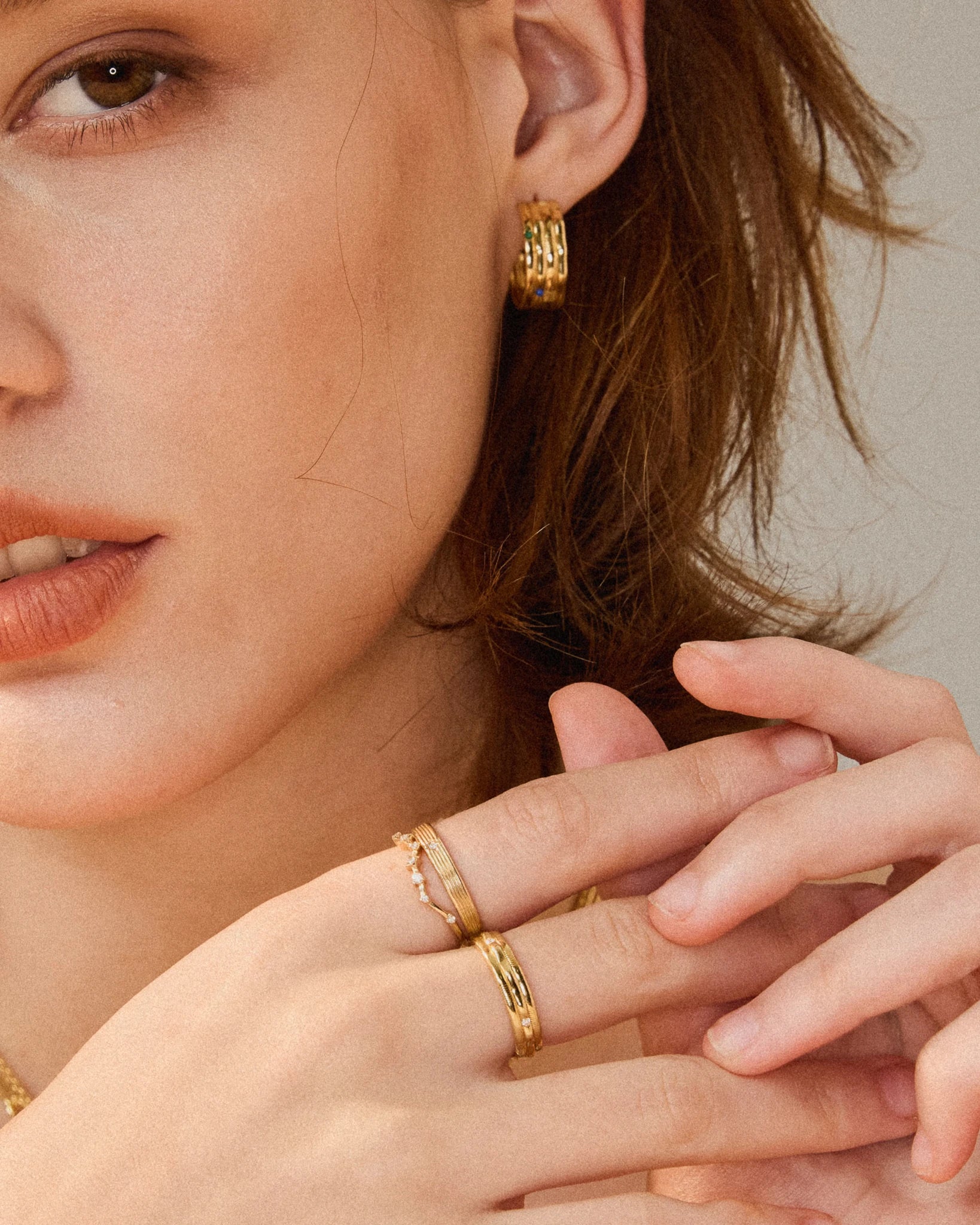
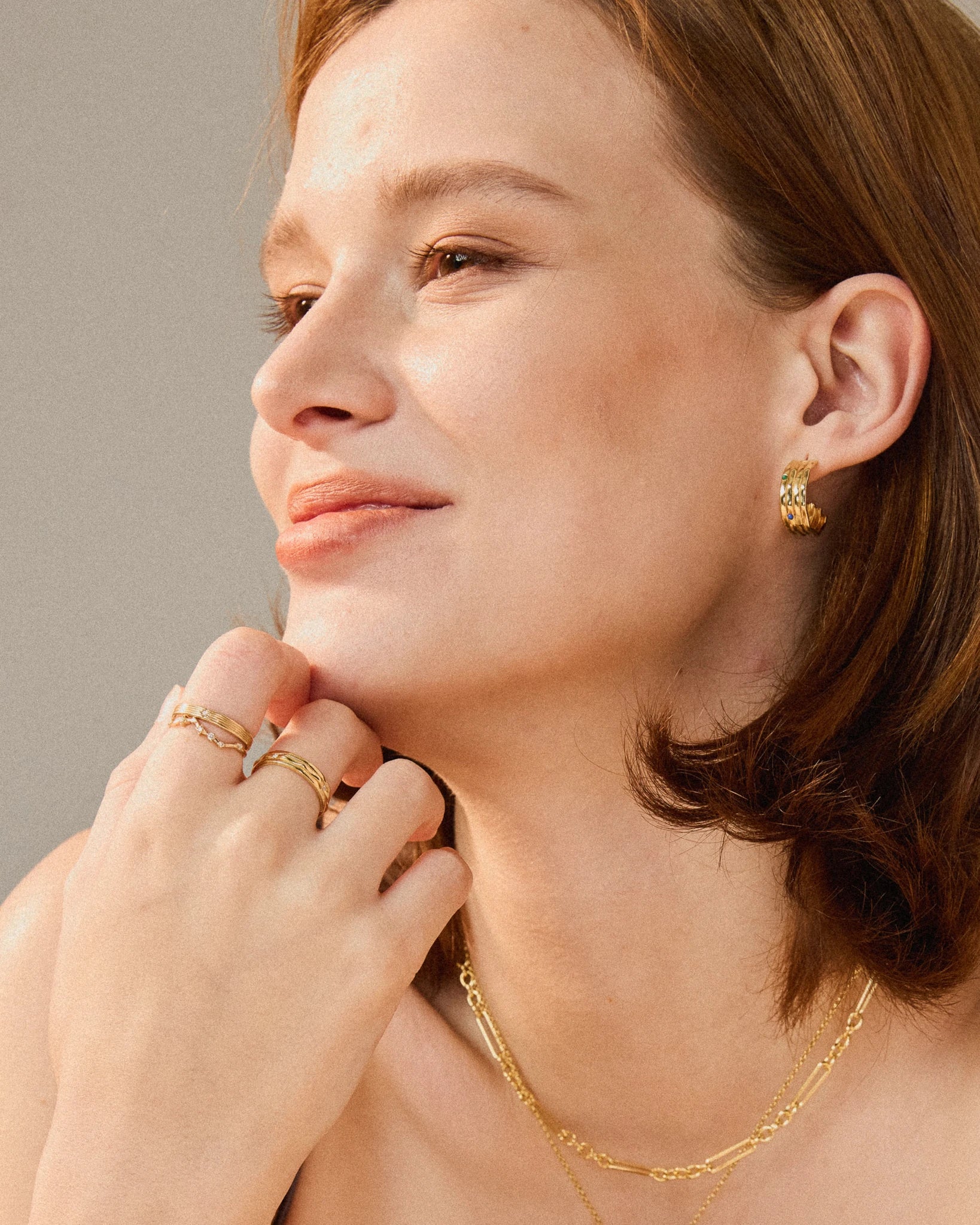
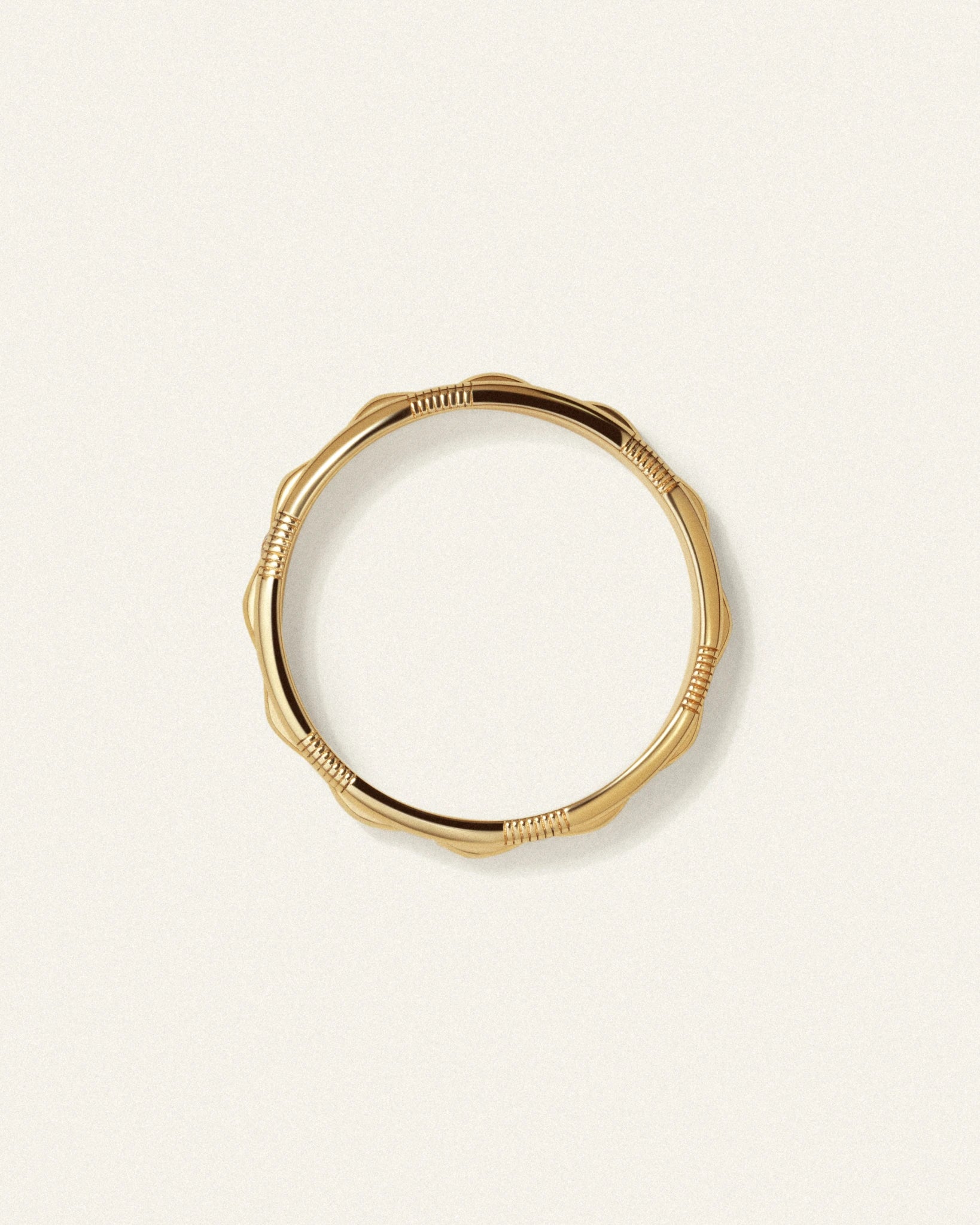
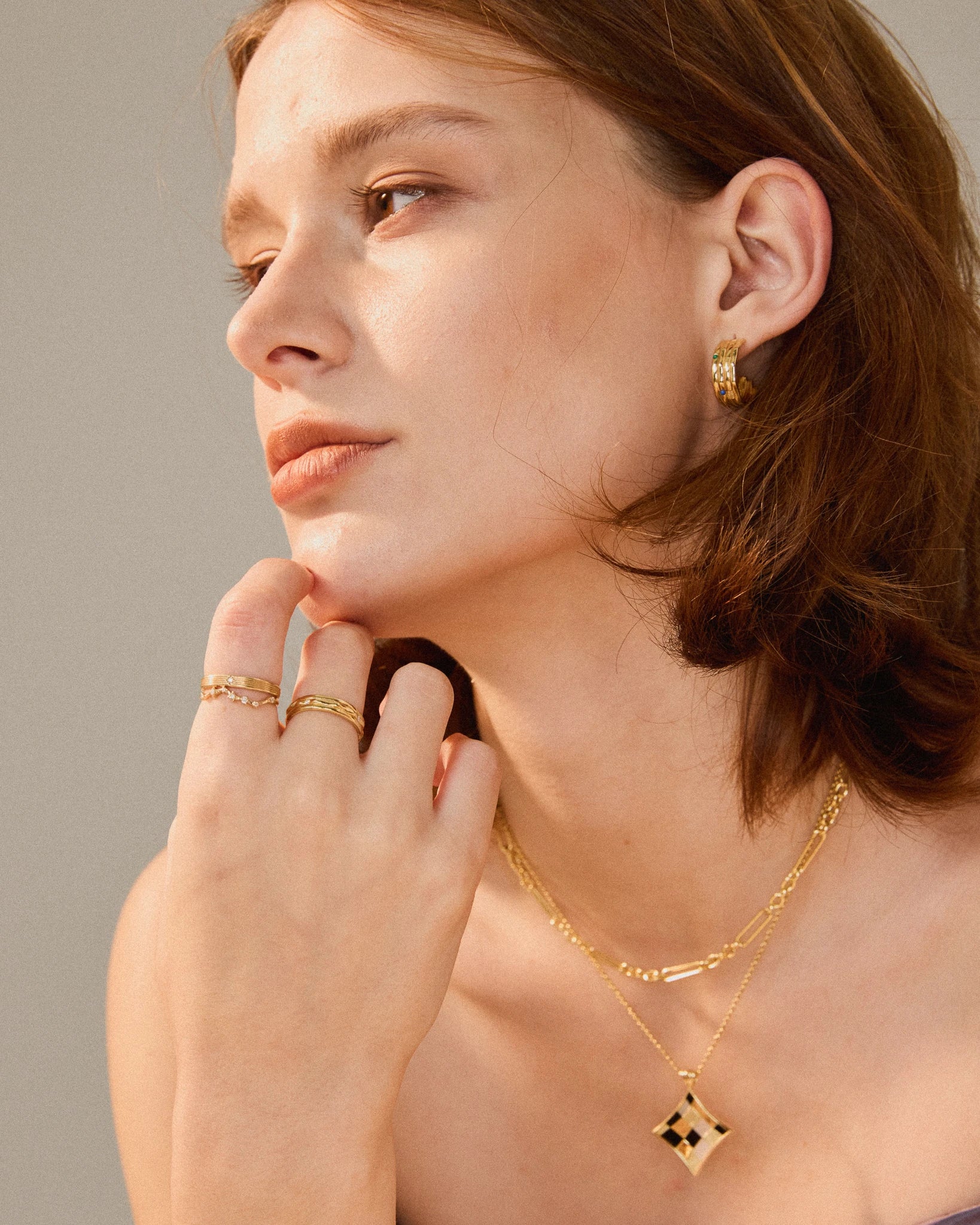
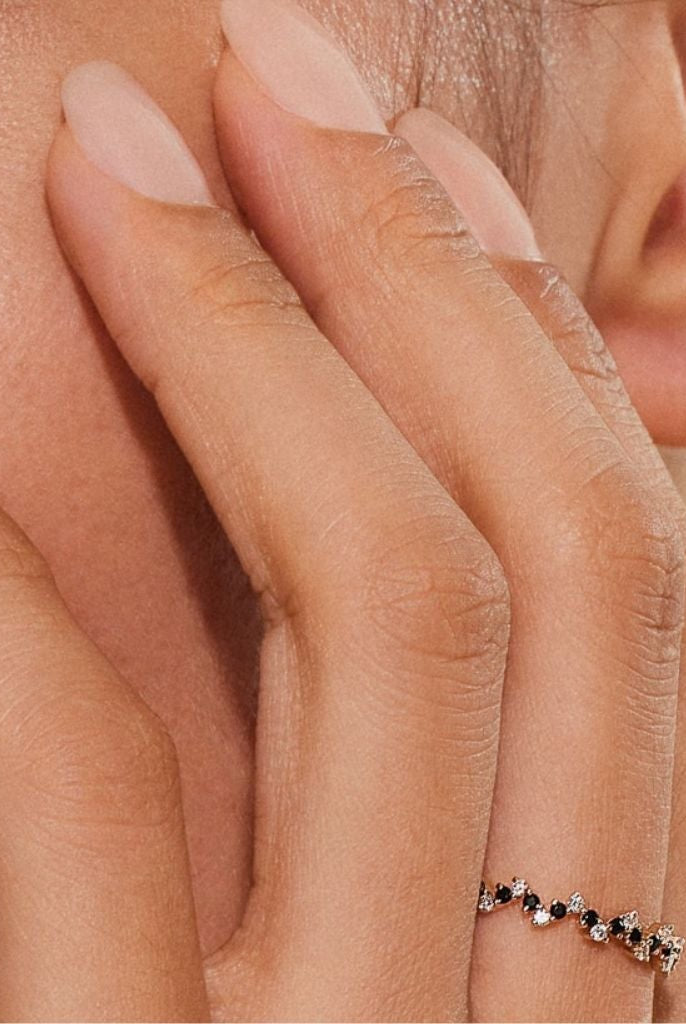
Moonturn Necklace|Seven Stars Ring | Simply Beaded Three-stone Ring | Tercet Drop Earrings
The Question That Started Everything
It was a regular Wednesday in the studio. Someone had brought pastries, which always makes a design meeting feel more hopeful than it probably deserves to be.
We had been looking at our celestial pieces for a while: stars, constellations, delicate shapes that caught light and behaved themselves.
Beautiful. Wearable. Safe.
Then our designer, Y, pushed a sketch across the table and said:
“What if the moon didn’t try to be delicate?”
The sketch had presence. A crescent that took up space. A little north star suspended inside it. Nothing tiny. Nothing timid.
For a few seconds, nobody said anything.
Then someone said:
“Keep going.”
And that was the beginning.

The Part Where the Moon Started Misbehaving
Once we decided the moon couldn’t be flat, we thought we had solved the problem.
Cute.
We had, in fact, created five new problems.
Making a crescent look dimensional is one thing. Making it dimensional, wearable, balanced, polishable, and not emotionally unstable on a chain is where the real work began.
This is where John entered the chat.
John is our production manager, and also the official No-giver of the office. No, that curve won’t polish cleanly. No, that chain won’t hold the weight. No, if you make it thicker, it might flip. We give him something fictional. He gives us something functional.
Annoying? Sometimes. Essential? Always.

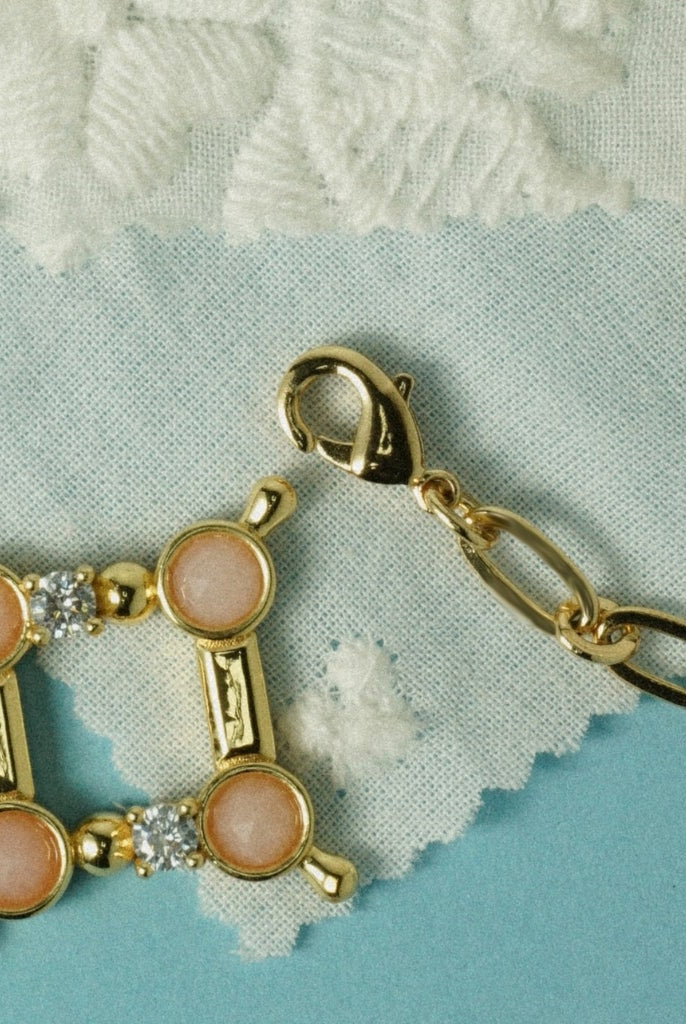
Moonturn Necklace | Seven Stars Ring | Midday Glow Beaded Necklace
Problem 1: Too Flat
The first prototype had the right silhouette. From far away, it looked strong. The crescent was bold, the north star was in the right place, and everyone had that little moment of, “Wait, this might actually work.”
John loved it.
Of course he did.
The first version was flat, clean, easy to polish, and simple to produce. For John, this was basically a dream scenario. He looked at it and said:
“This works.”
Which, coming from John, is almost a standing ovation.
Then Y picked it up, looked at it from the side, and immediately said:
“No way. This is too flat. Who needs a flat moon?”
And annoyingly, she was right.
The first version looked like the idea of a moon, not the moon itself. Pretty, yes. Wearable, yes. But it still felt like an outline, something drawn onto metal instead of shaped from it.
A moon should have a little gravity. A little curve. A little “you could reach up and touch it” feeling.
So the first real debate began: do we keep the version that is easier to make, or do we chase the version that feels right?
Obviously, we chose the more difficult one.
Because apparently we enjoy creating problems for ourselves.

Problem 2: Too Heavy
The next version came back with a gentle curve. Not huge. Not bulky. Just enough volume to make the crescent feel like it had entered the real world.
From the front, it still looked like the same clean moon. From the side, it finally had a body.
Y was happy.
John was less happy.
Because the second a pendant gets volume, it starts asking annoying questions. Where does the weight go? Will it sit flat on the chest? Will it tilt forward? Will one side pull harder than the other? Will it swing around like it has somewhere better to be?
This is the part of jewelry design that sounds unromantic, but matters enormously. A necklace can look beautiful on a table and still be a complete menace on the body.
So we started adjusting the thickness and curve. A little less here. A little softer there. Enough volume to look sculptural, but not enough to become heavy. Enough presence to feel special, but not enough to make you aware of it all day.
The moon needed a body, but it also needed manners.

Problem 3: The Chain
John’s first instinct was, naturally:
“Why don’t we just use the usual bail on top?”
From a production standpoint, he was right. A bail is easy, stable, and familiar.
Y disagreed immediately.
“The moon is already big and dimensional. If we add a bail on top, it becomes extra volume. Can we let the chain pass through the moon instead?”
That one question made the piece harder, but better.
A top bail would have interrupted the crescent. Letting the chain pass through kept the moon cleaner, more complete, and less expected.
Of course, then the moon had to actually hang properly.
If the chain passed through the wrong point, it tilted. If the opening was too visible, the magic disappeared.
So we kept adjusting until the chain mechanism did exactly what we wanted: held the pendant in place, stayed mostly invisible, and let the moon remain the moon.

Problem 4: The Star
Once the crescent finally started behaving, the north star suddenly looked underdressed.
This happens more often than we’d like to admit. You fix one part of a design, and suddenly another detail starts looking suspiciously unfinished.
Next to the dimensional moon, the flat star looked like a sticker. Cute, but not quite worthy of the moon it was sitting in.
So the star needed dimension too. But then came another question: should it be fixed, or should it move?
Too fixed, and it looked decorative. Too loose, and it became distracting. We wanted movement, but not chaos. A little life, not a tiny metal party.
The final solution was to let the star dangle inside the crescent with just enough movement to feel alive, while keeping it close enough to feel held. It became less like decoration and more like company.
A small north star, suspended in orbit.

Problem 5: Make It Look Easy
The annoying thing about good design is that the harder it is to make, the easier it should look.
After all the revisions, the necklace couldn’t feel engineered. It couldn’t look like weeks of conversations about metal thickness, hidden chain passages, weight balance, star movement, polishing angles, and John saying no in seven different tones.
It had to feel inevitable.
Like the moon had always meant to hang this way.
That became the final test. Not “does it look interesting?” Not even “is it beautiful?” But: when you put it on, does it feel like the only possible answer?
The final Moonturn Necklace has volume without heaviness, movement without fuss, and a chain mechanism that quietly does its job. The crescent has presence. The star has its place. John survived. Y was satisfied. Everyone’s blood pressure returned to normal.
Mostly.
We started with something fictional: a moon that wanted to take up space.
By the end, we had something functional enough to wear, but still full of the original feeling.
That’s usually the sweet spot we’re chasing.