
The Crescent Moon By Amy Lowell
Slipping softly through the sky
Little horned, happy moon,
Can you hear me up so high?
Will you come down soon?
On my nursery window-sill
Will you stay your steady flight?
And then float away with me
Through the summer night?
Brushing over tops of trees,
Playing hide and seek with stars,
Peeping up through shiny clouds
At Jupiter or Mars.
I shall fill my lap with roses
Gathered in the milky way,
All to carry home to mother.
Oh! what will she say!
Little rocking, sailing moon,
Do you hear me shout — Ahoy!
Just a little nearer, moon,
To please a little boy.

A Moon Close Enough to Call
What makes Amy Lowell’s The Crescent Moon so charming is how directly the child speaks to the moon.
He does not treat it as something far away or impossible to reach. He asks if it can hear him. He asks if it will come down soon. He imagines it stopping at his nursery window before carrying him through the summer night.
That is the whole emotional center of the poem: the moon feels close enough to talk to.
The crescent shape matters because it already looks like something that could move. It is not a still, perfect circle. It looks like a small boat, a hook, or a little vessel in the sky. Lowell uses that shape to turn the moon into a companion for the child’s imagination.

What the Child Wants
The poem is not only about looking at the moon. It is about wanting to travel with it.
The child imagines floating past trees, stars, clouds, Jupiter, and Mars. The night sky becomes less frightening and more like a place to explore.
Then the poem turns sweeter. The child says he would gather roses from the Milky Way and bring them home to his mother.
That small detail gives the poem its warmth. The imagined journey is not just escape or adventure. It ends with a gift. The child wants to return with something beautiful for someone he loves.

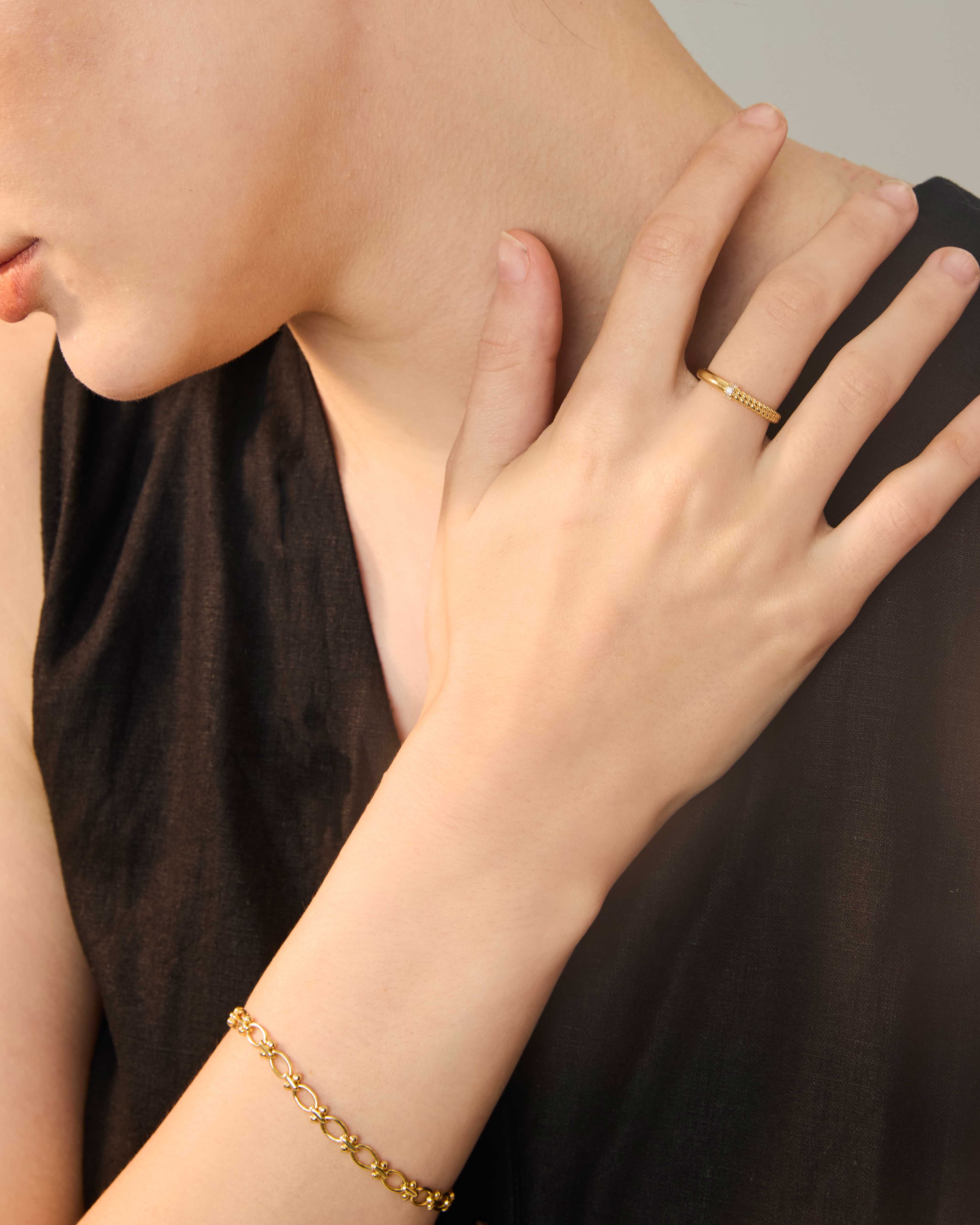
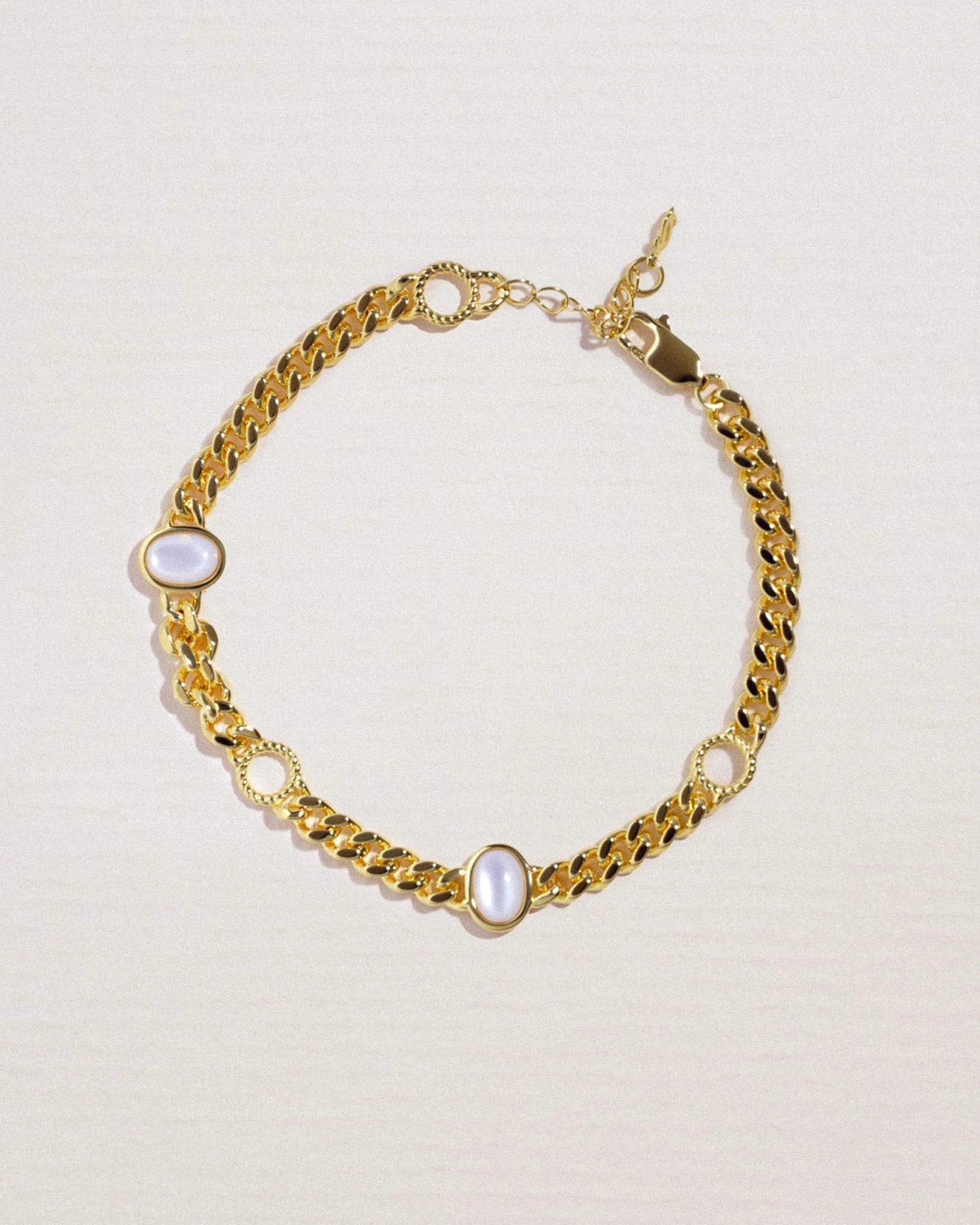
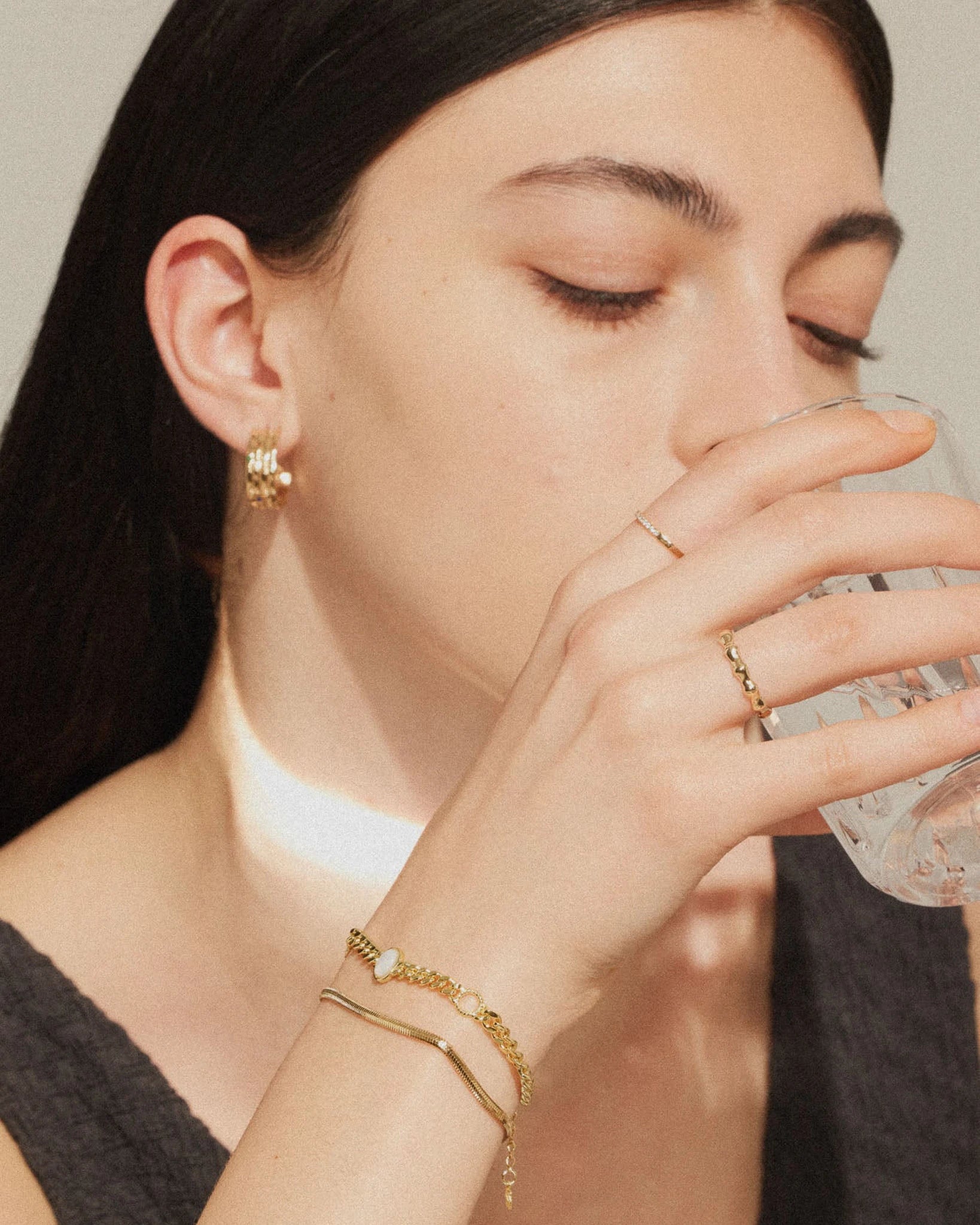
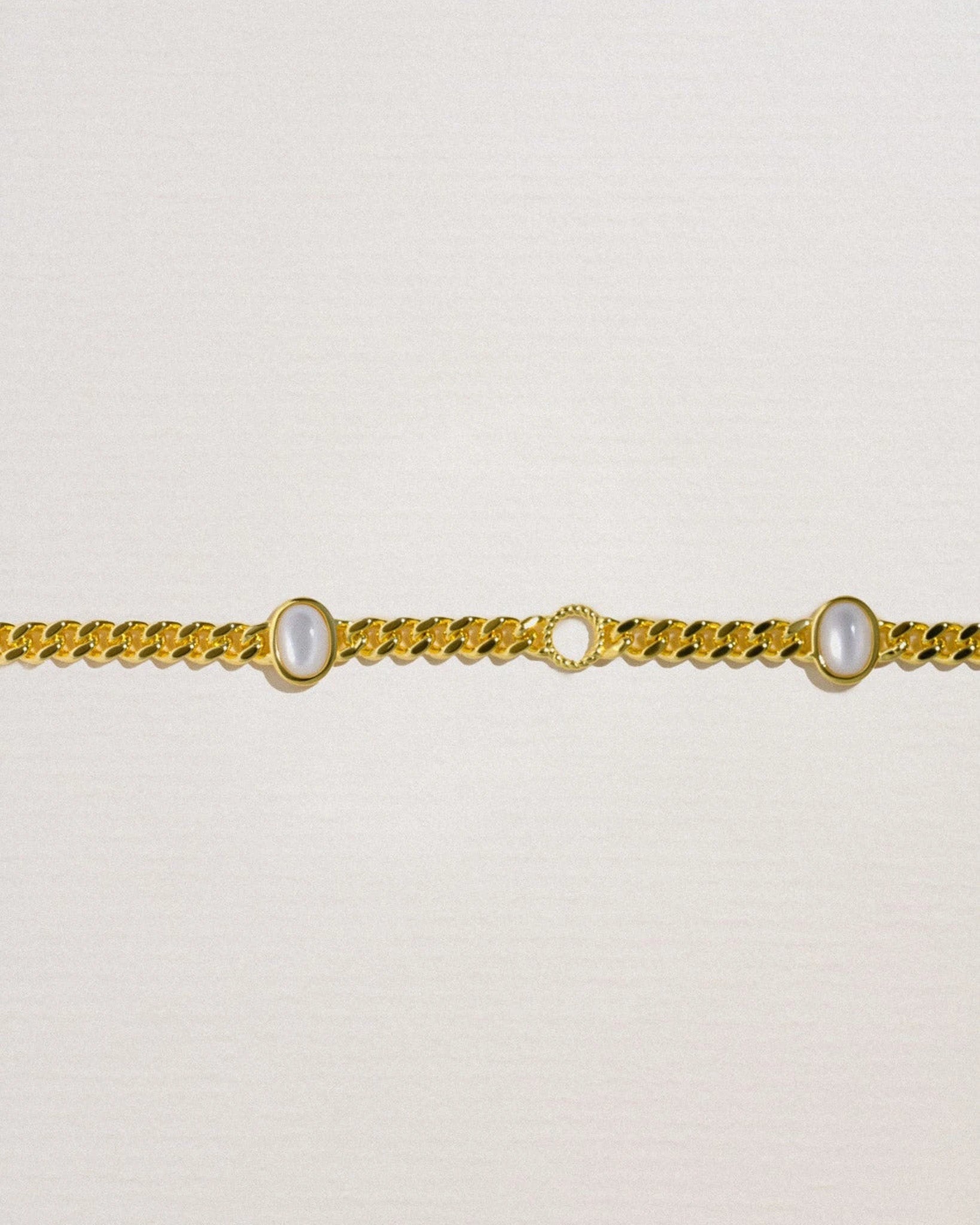
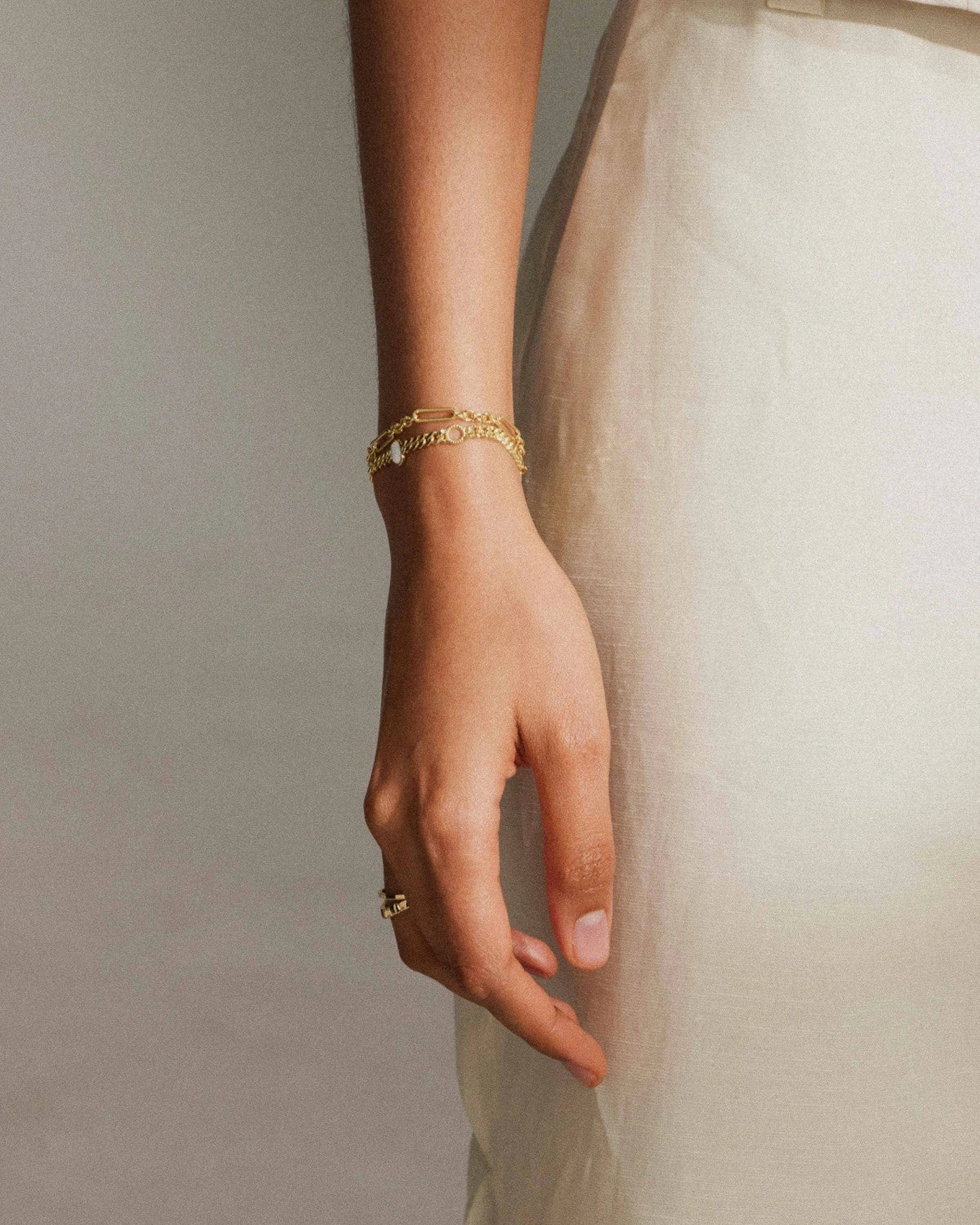
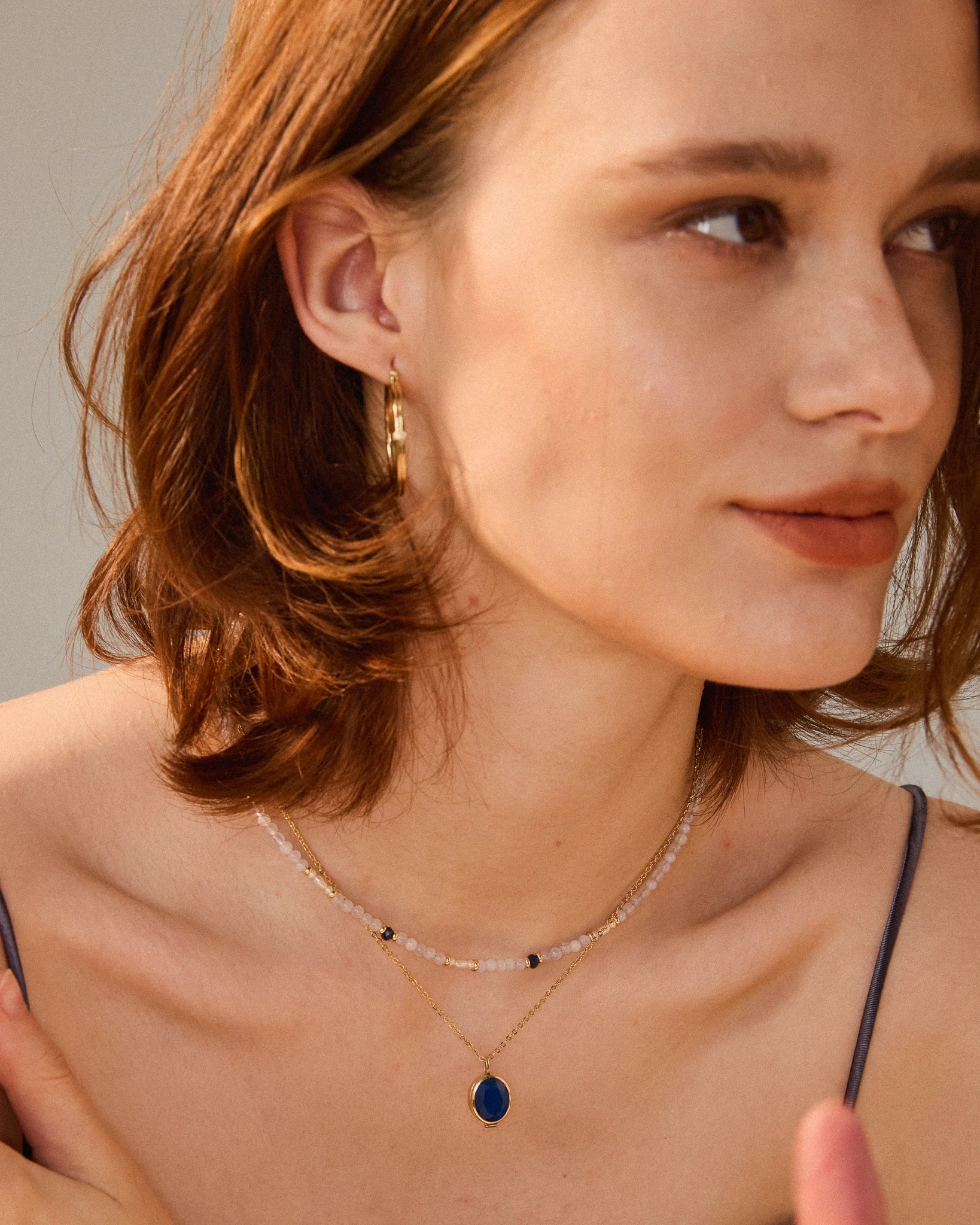
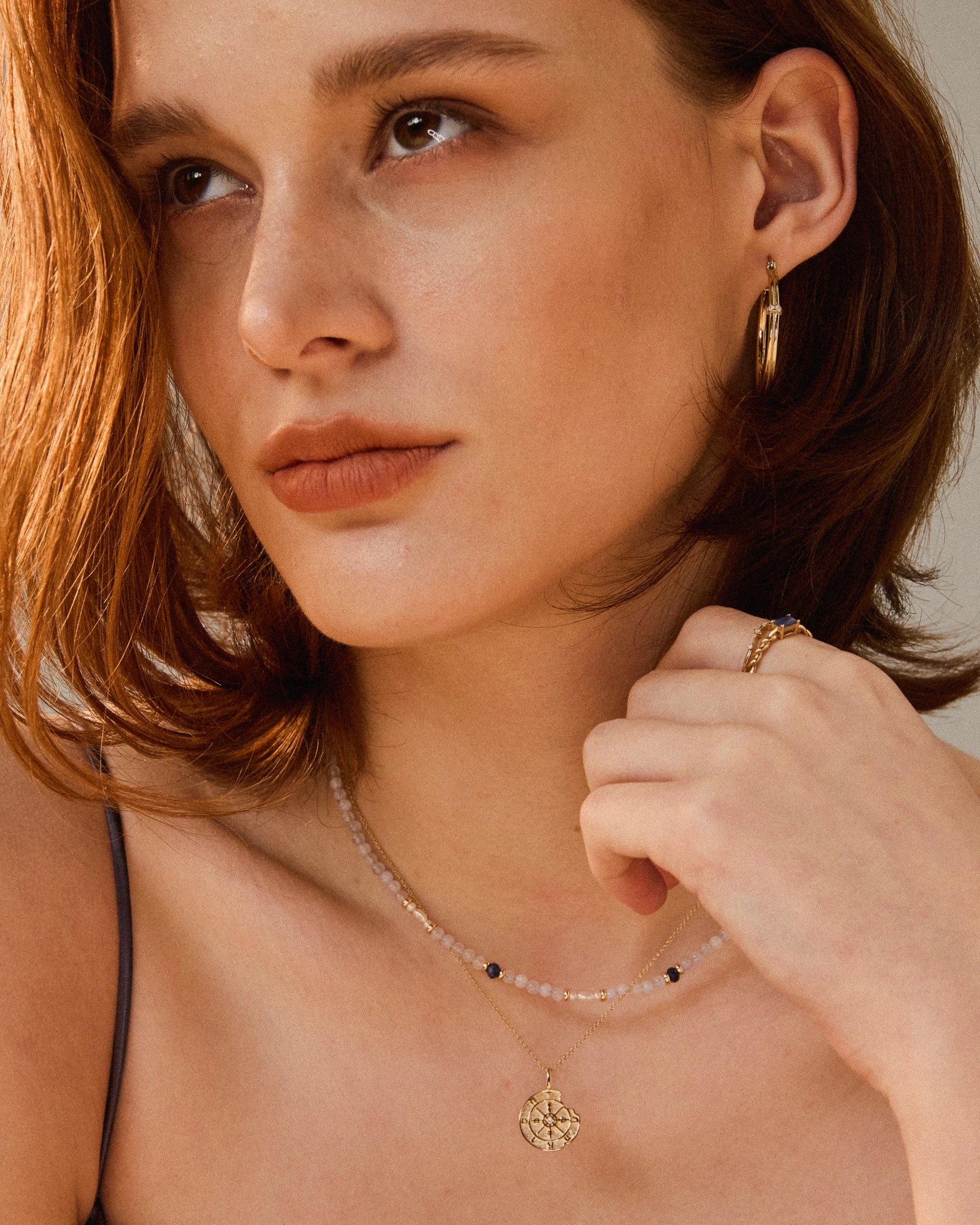
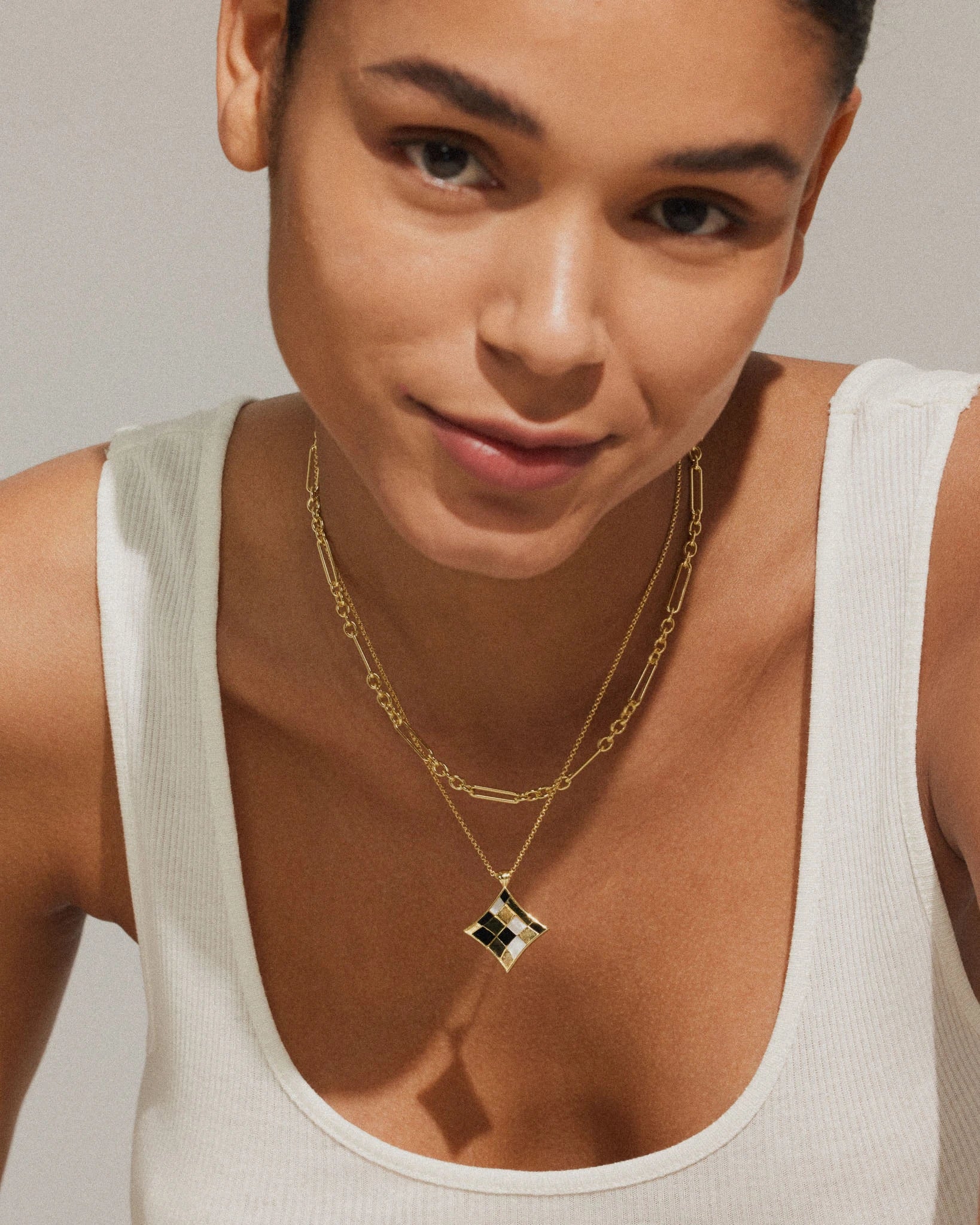
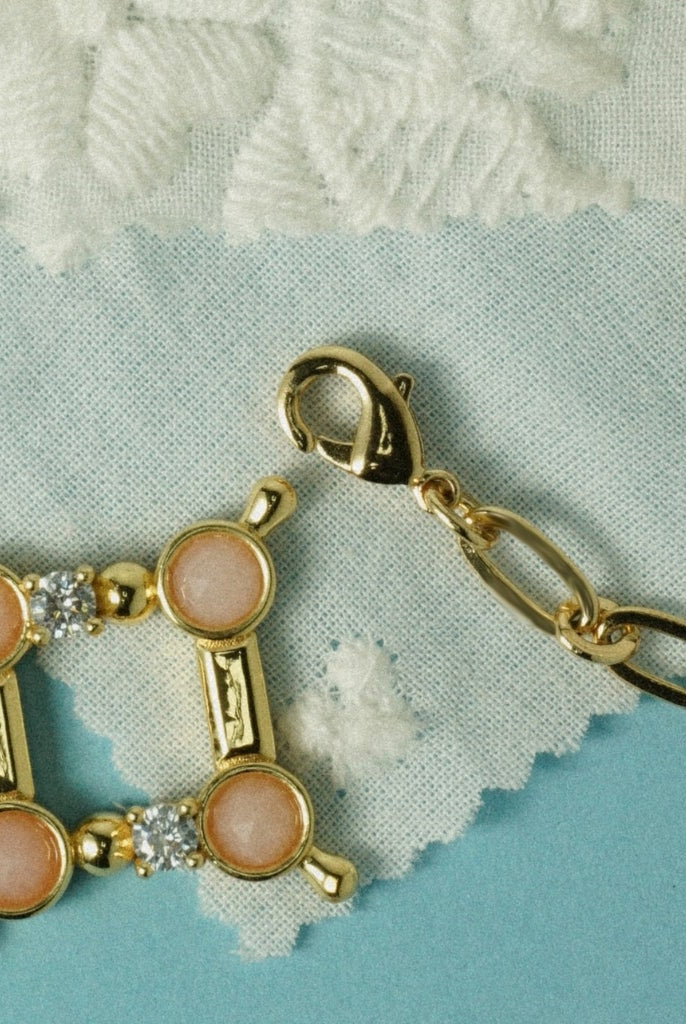
Moonturn Necklace | Scarlet Pearl Necklace
Why the Crescent Feels Wearable
This is where the poem naturally connects to jewelry.
Jewelry often takes something large and far away, like the moon, the stars, or a memory, and makes it small enough to keep close.
That is also what happens in the poem. The child does not want the moon to stay distant. He wants it nearer. He wants it at the window. He wants to travel with it.
A crescent moon works so well in jewelry because it already suggests closeness and movement. It feels softer and less formal than a full moon. It does not feel finished in a strict way. It feels open, changing, and alive.

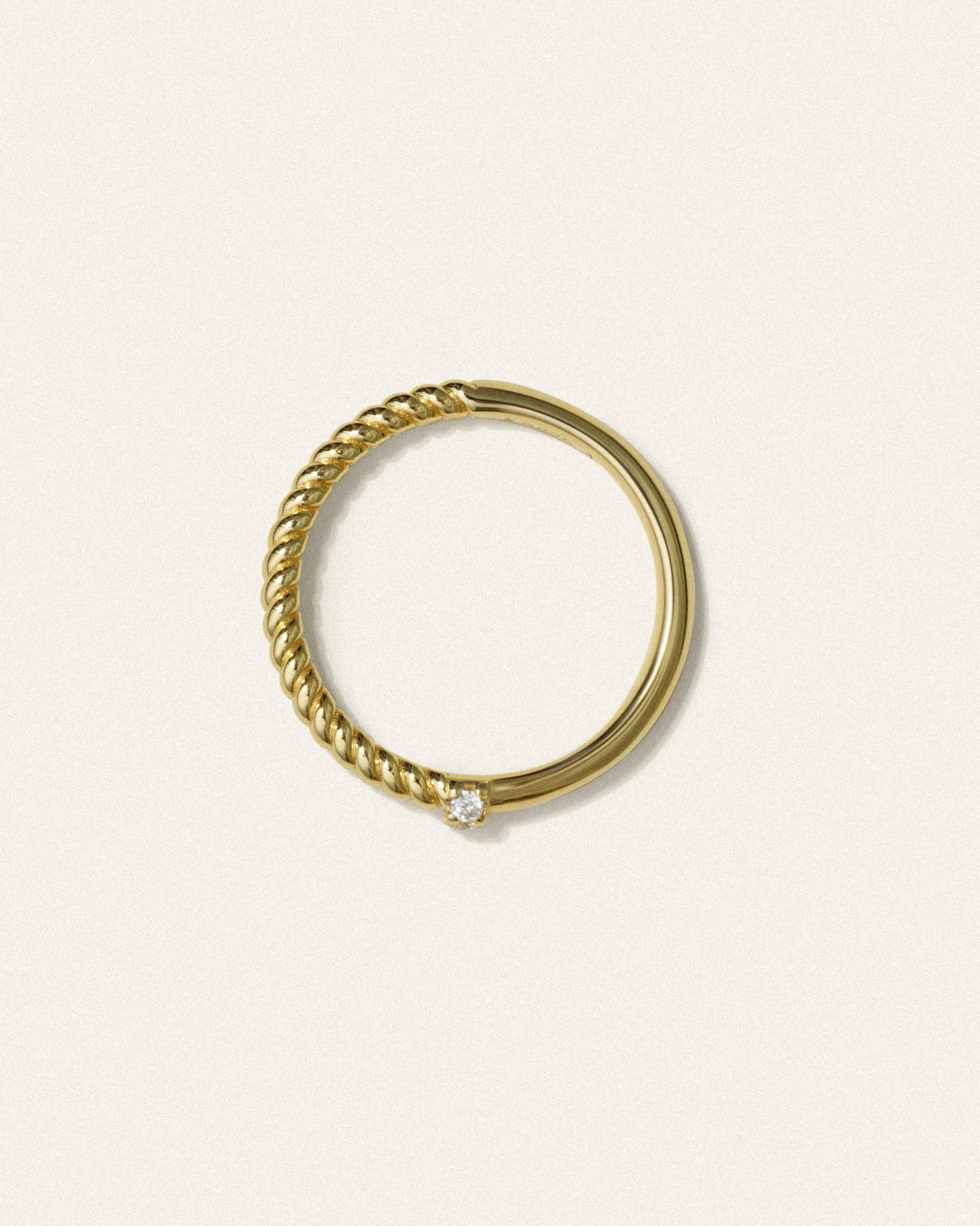
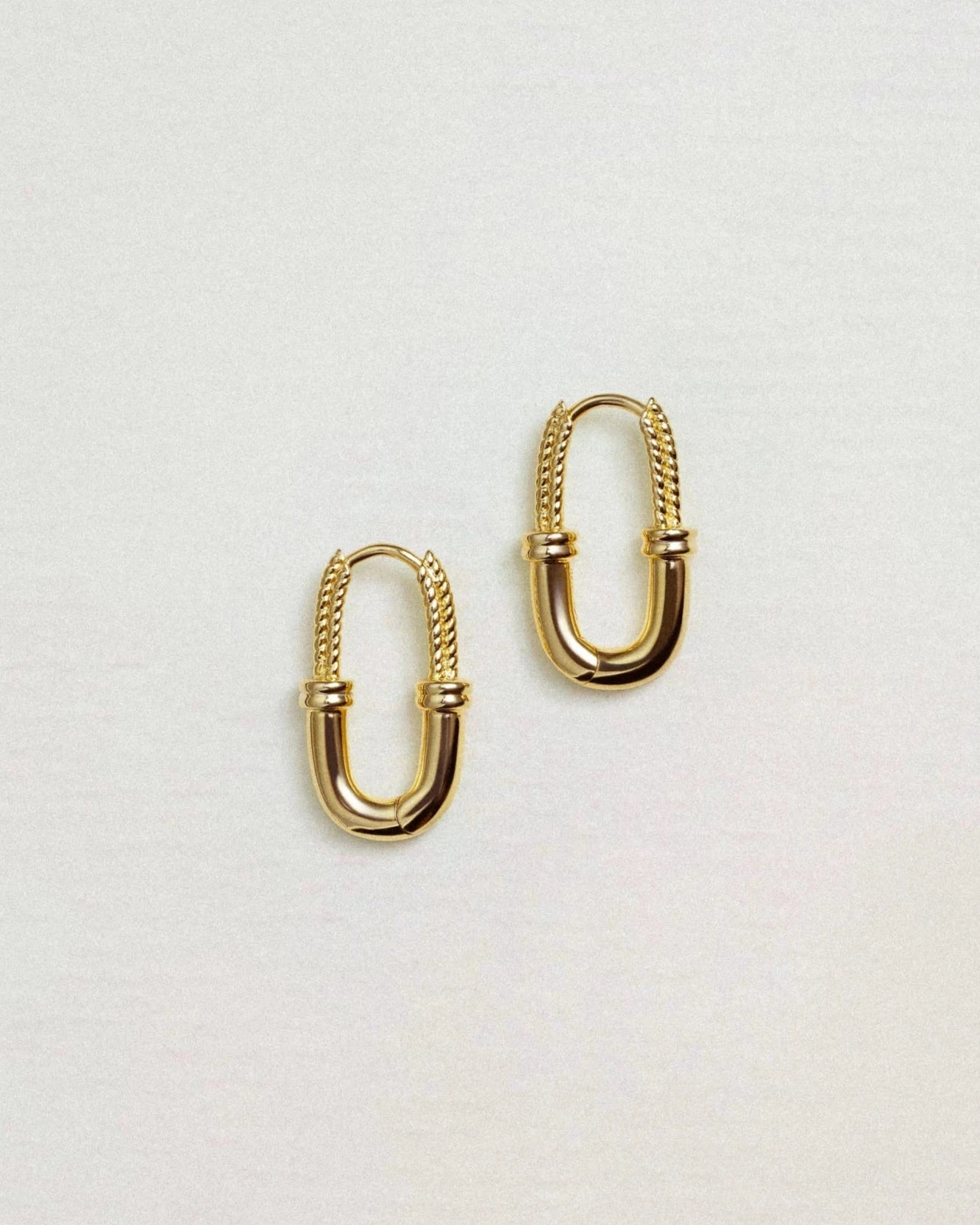
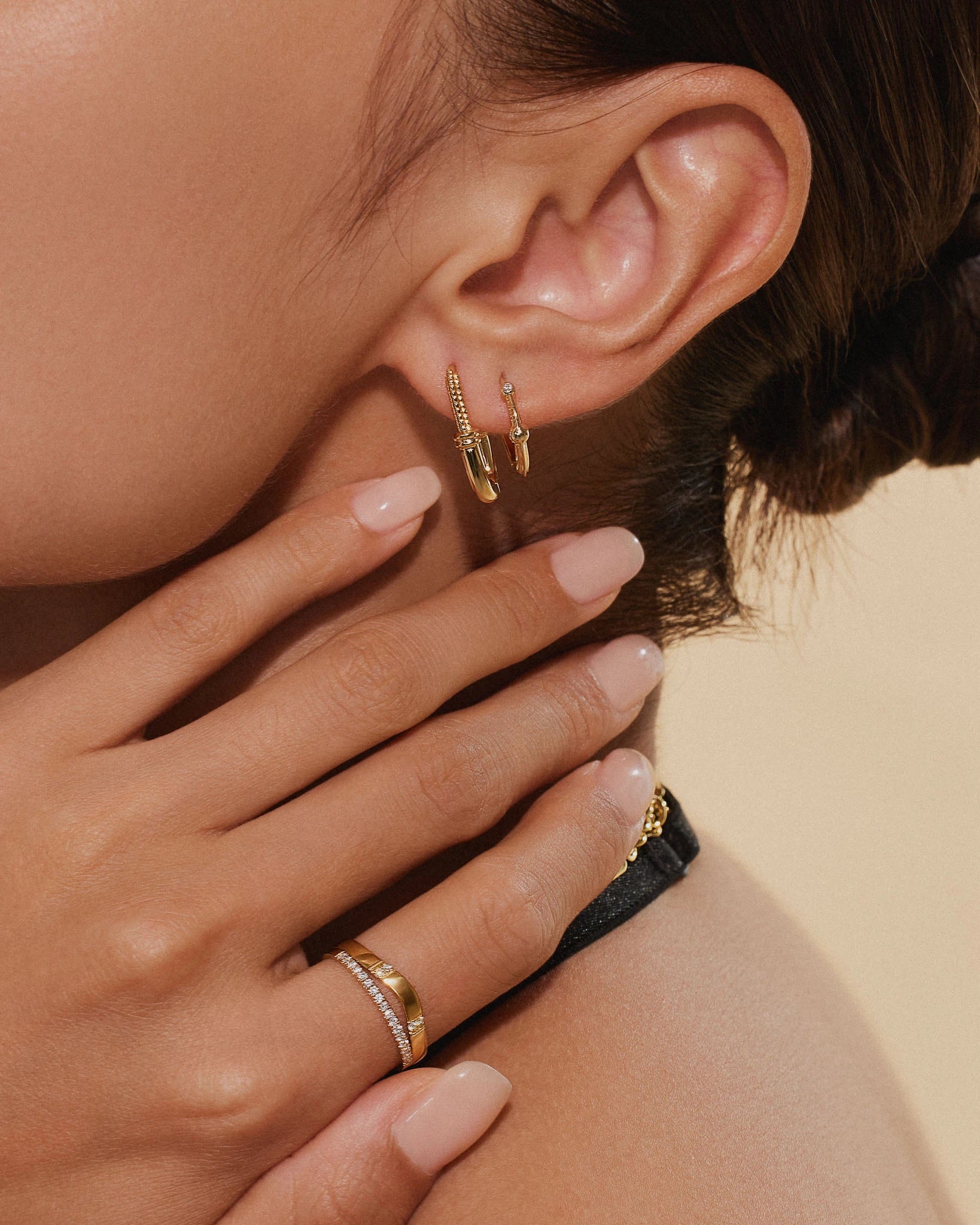
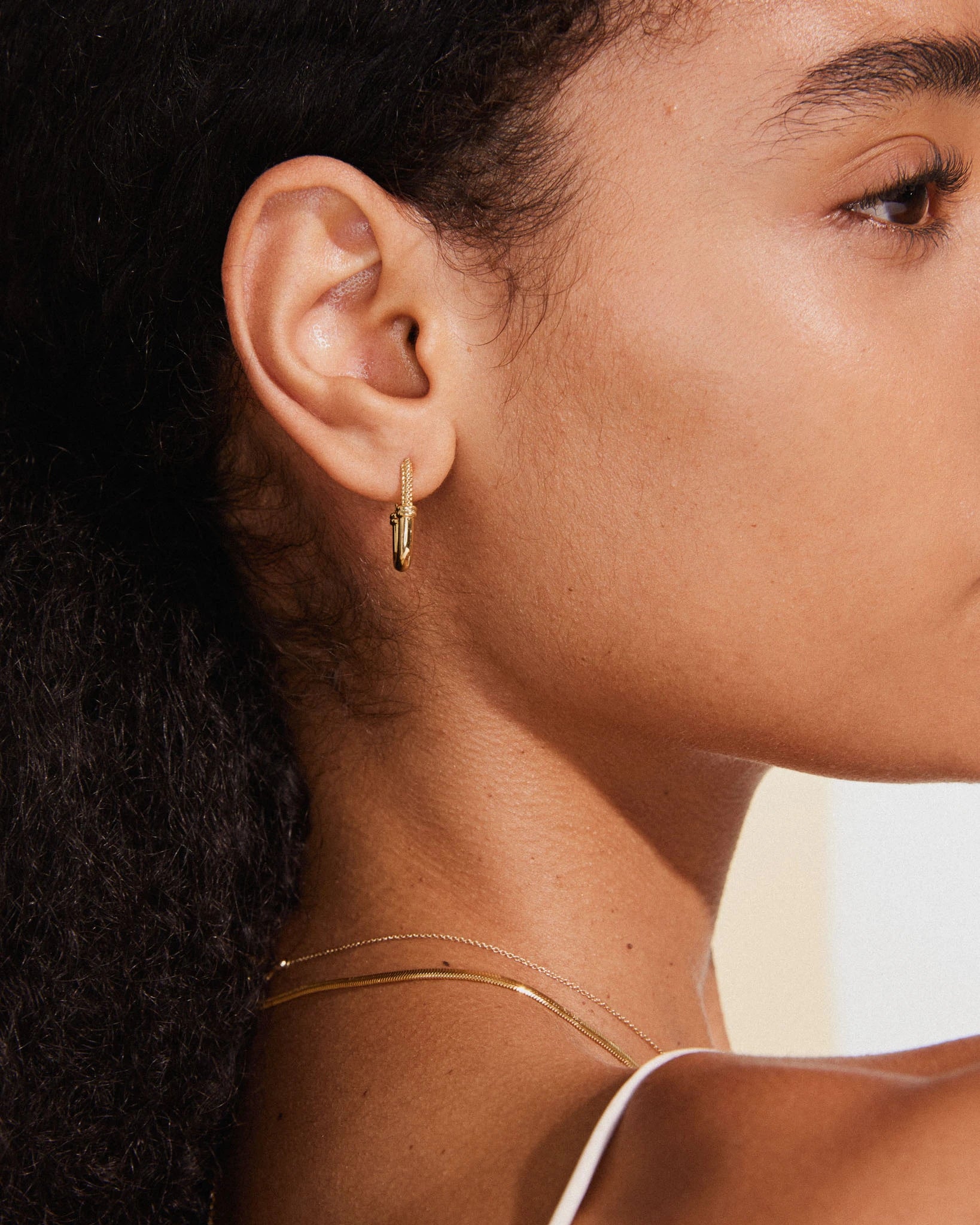
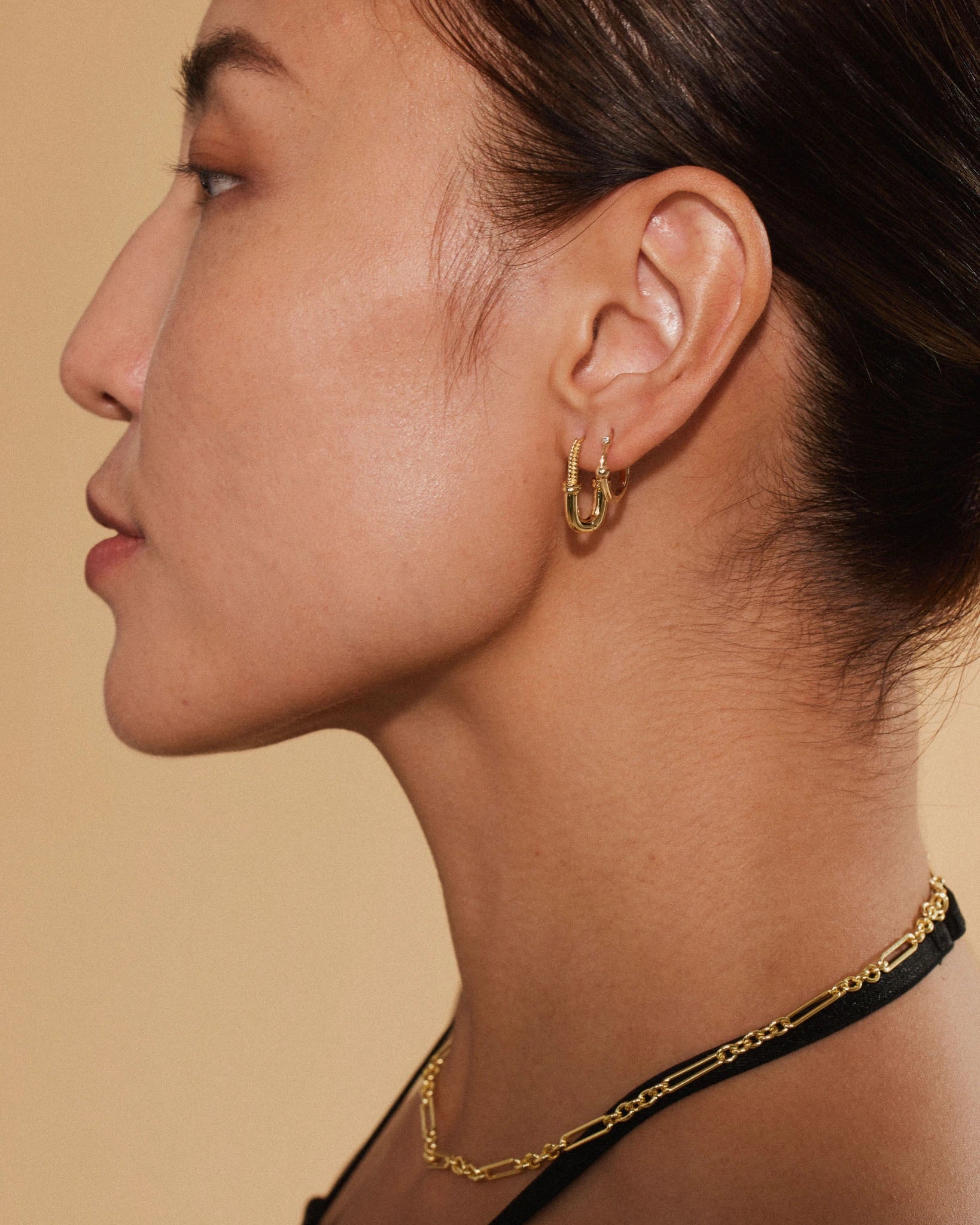
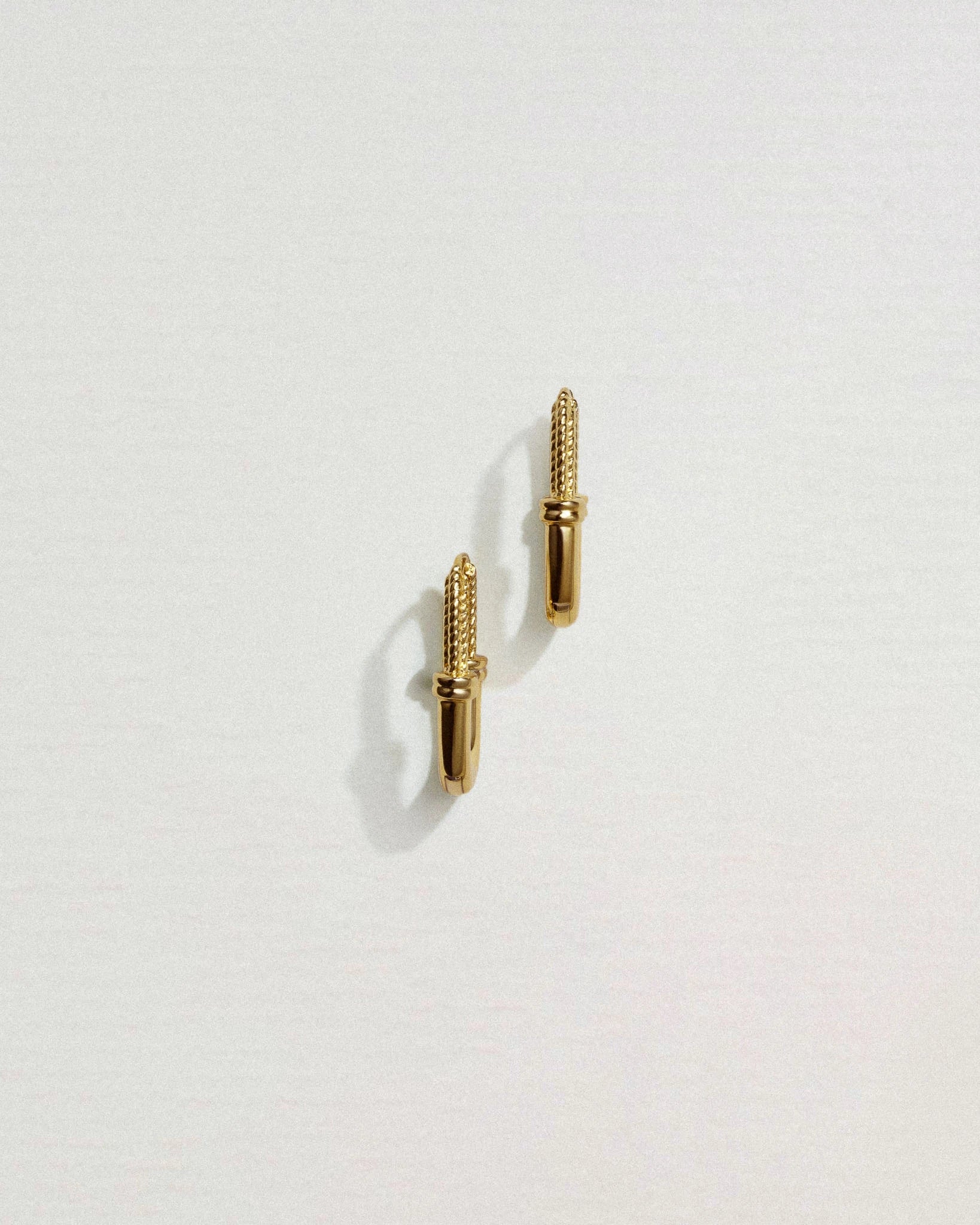
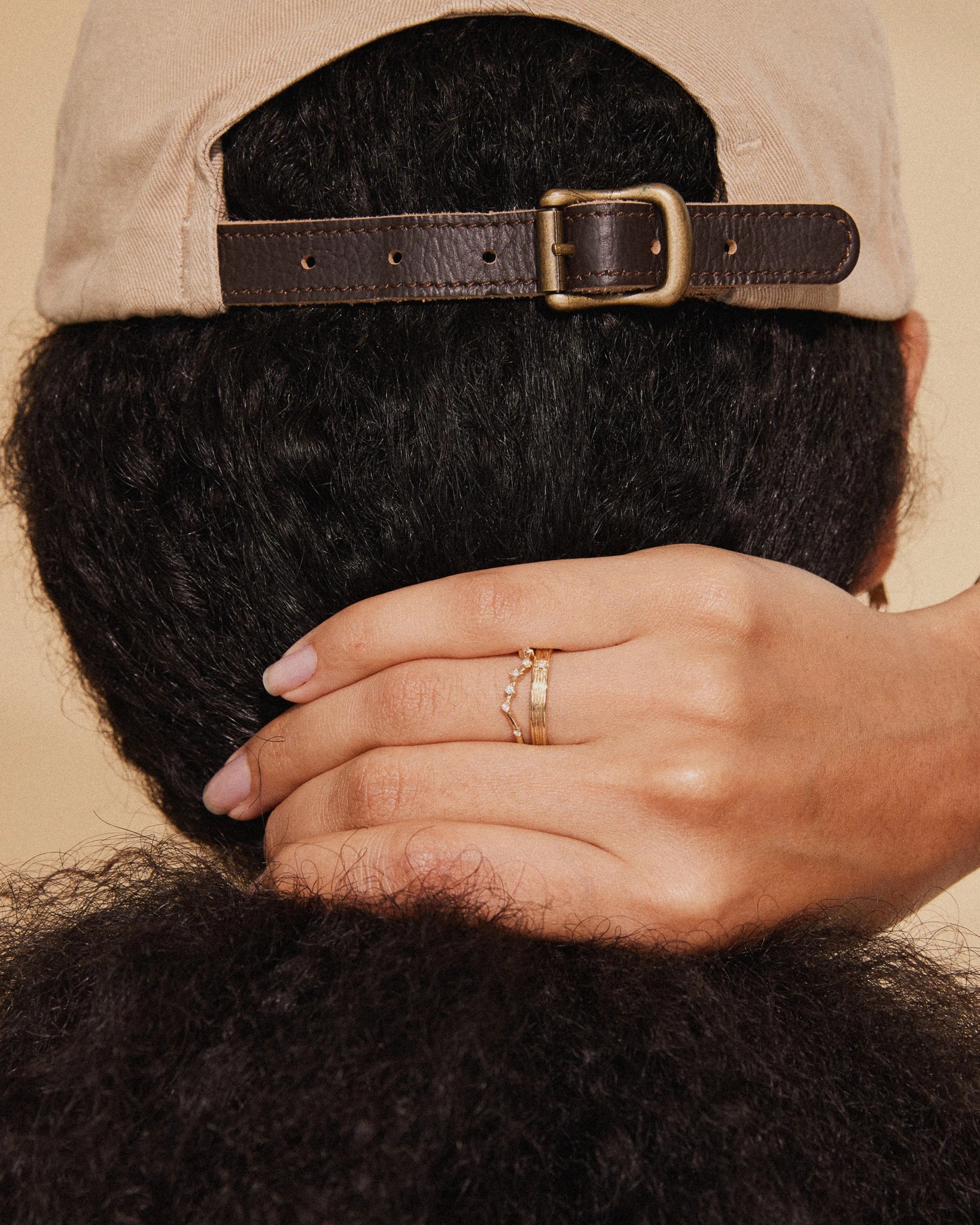
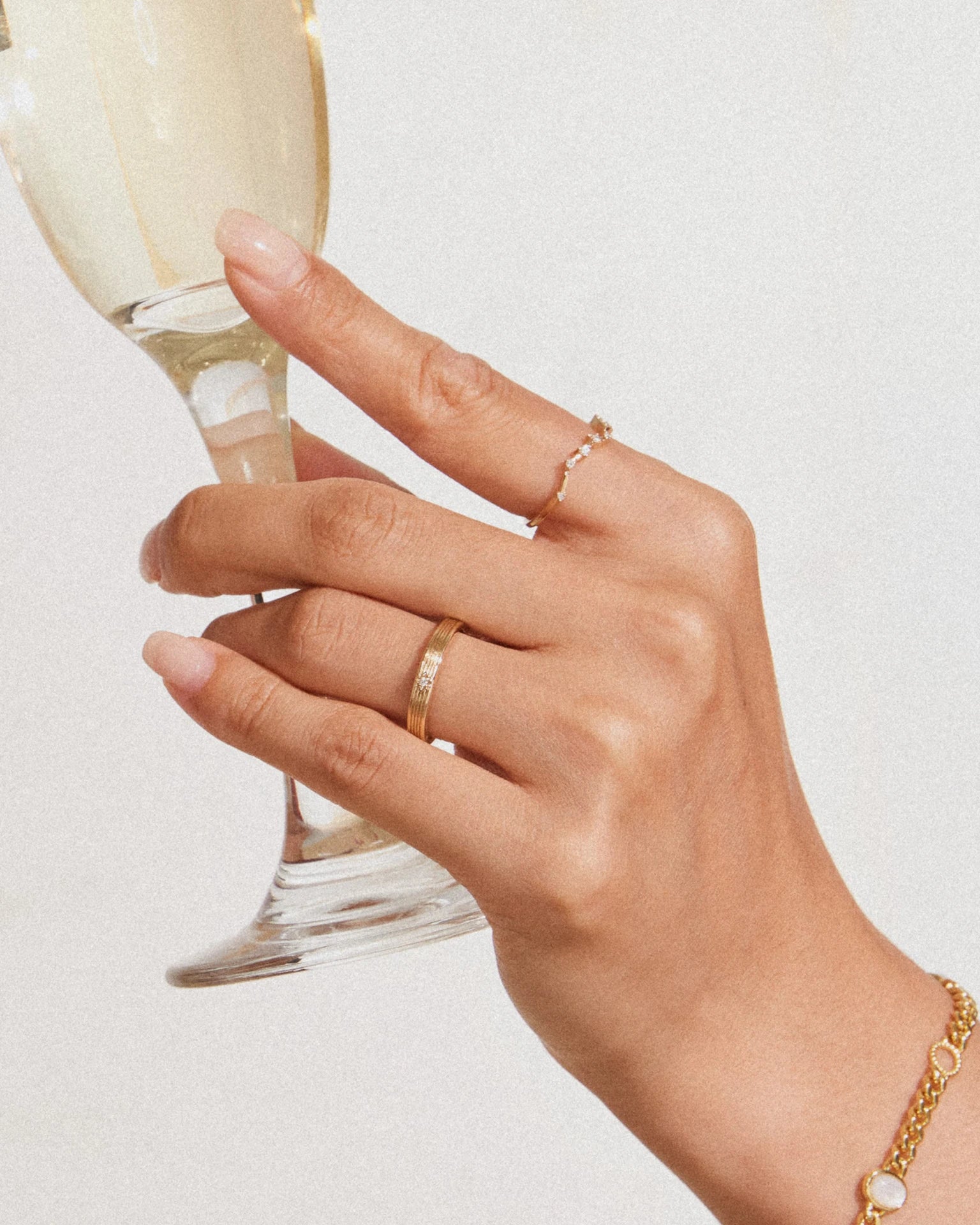
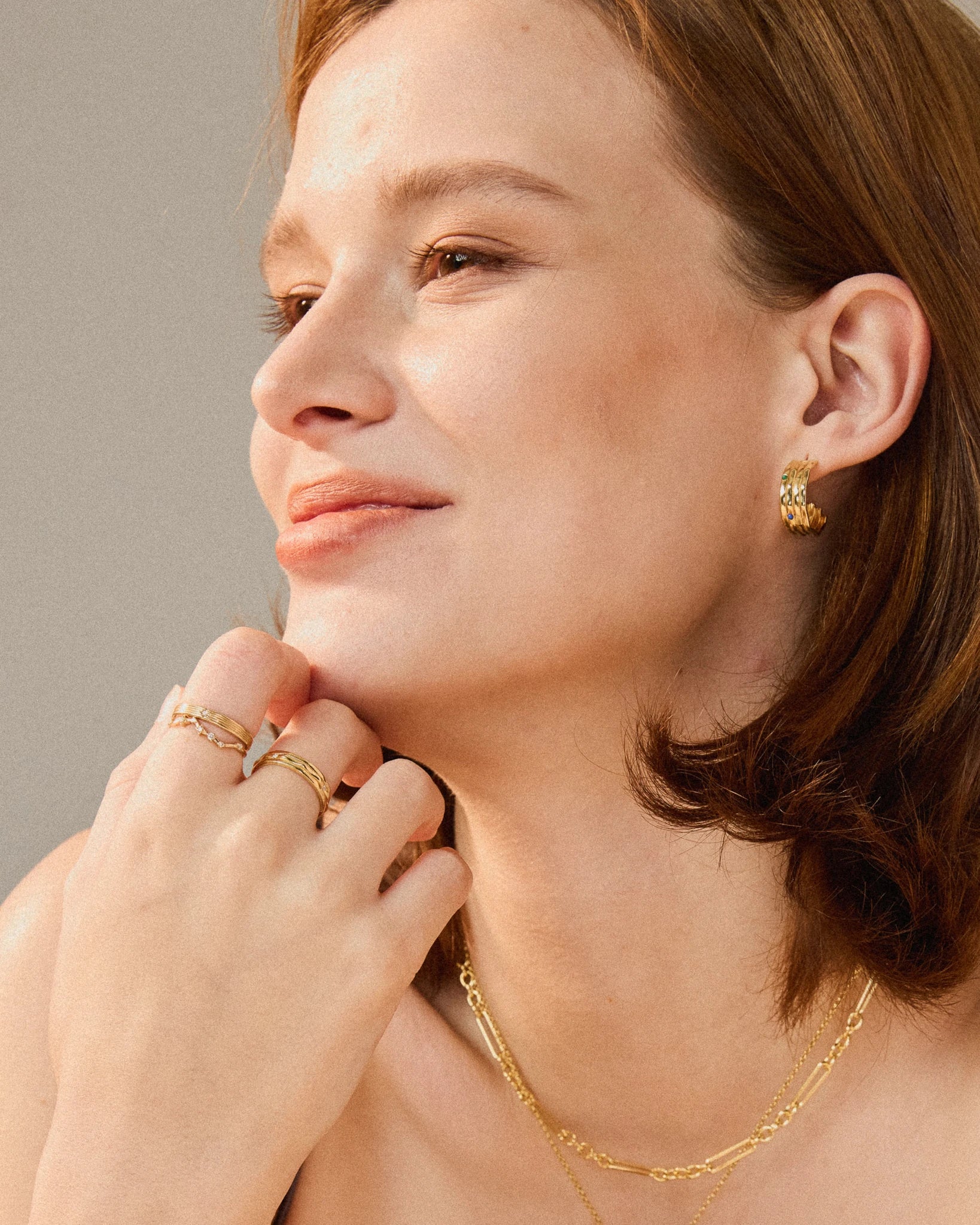
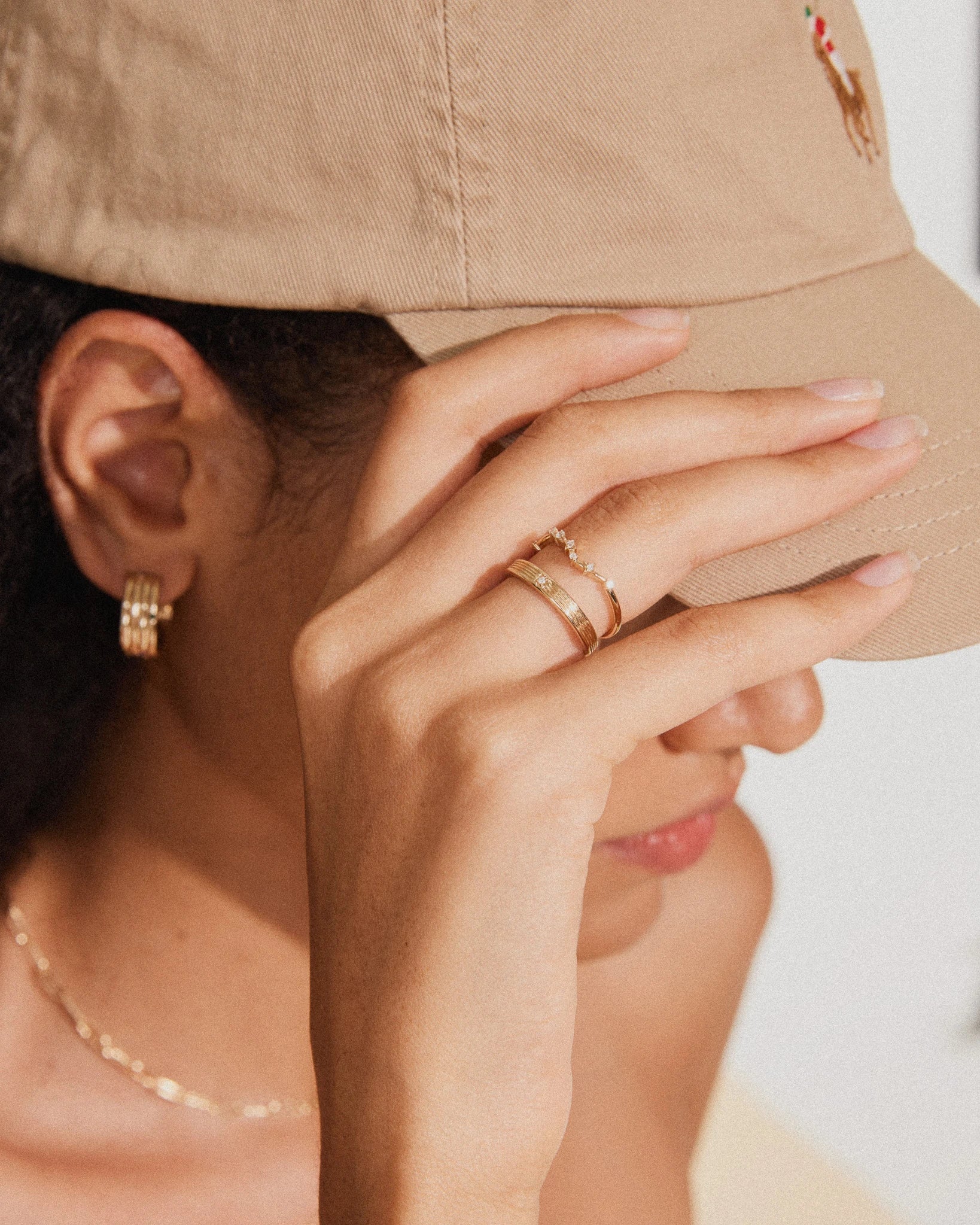
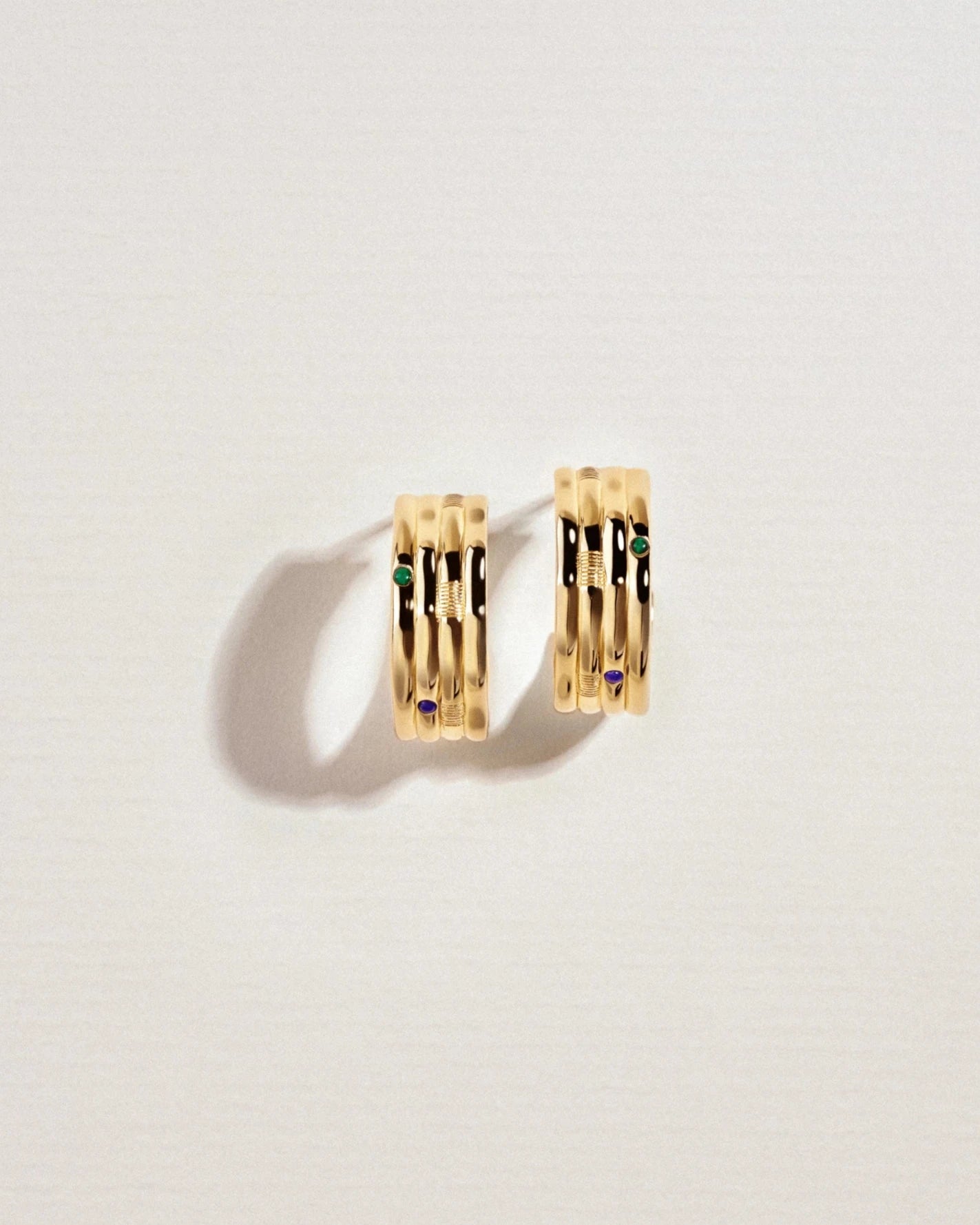
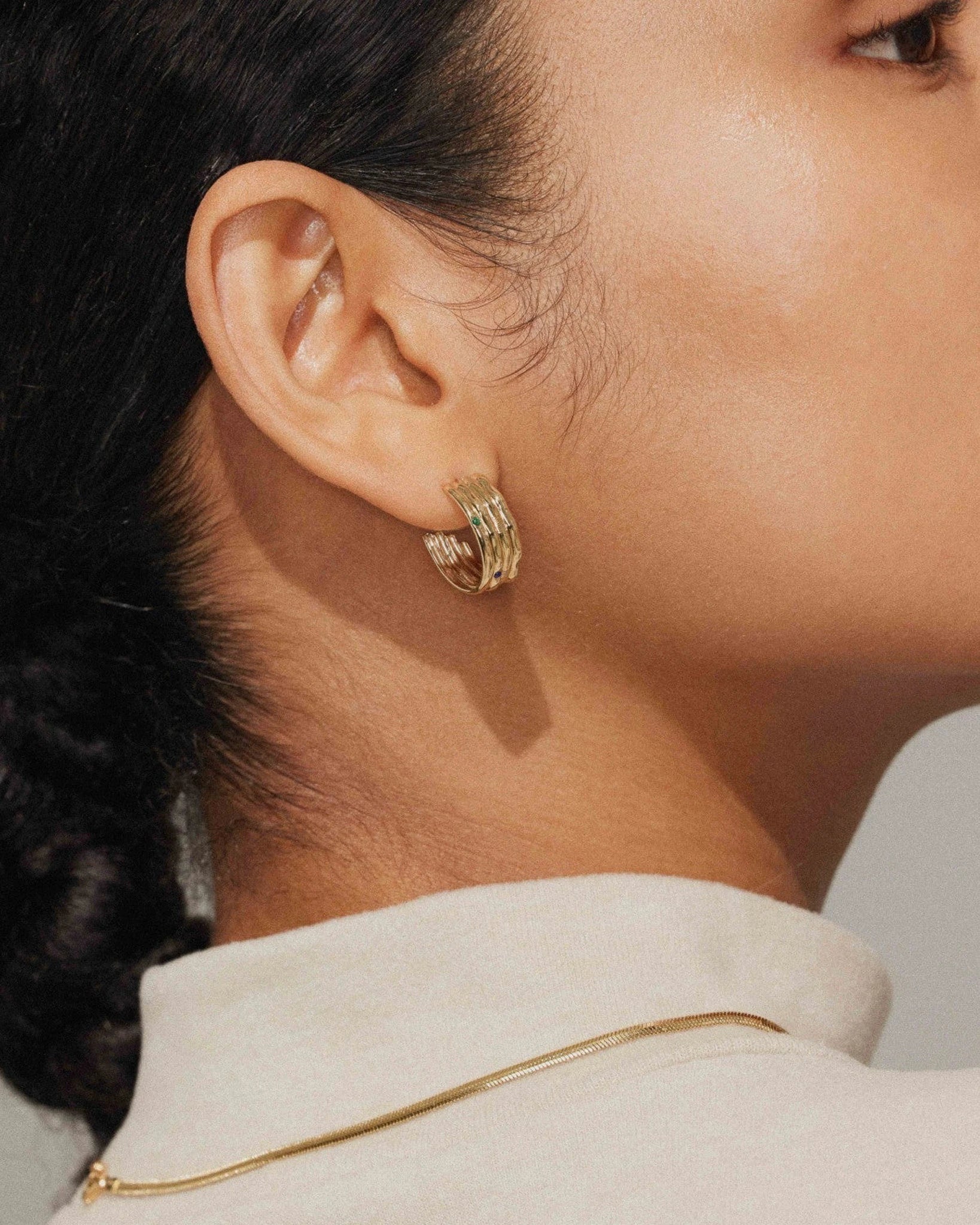
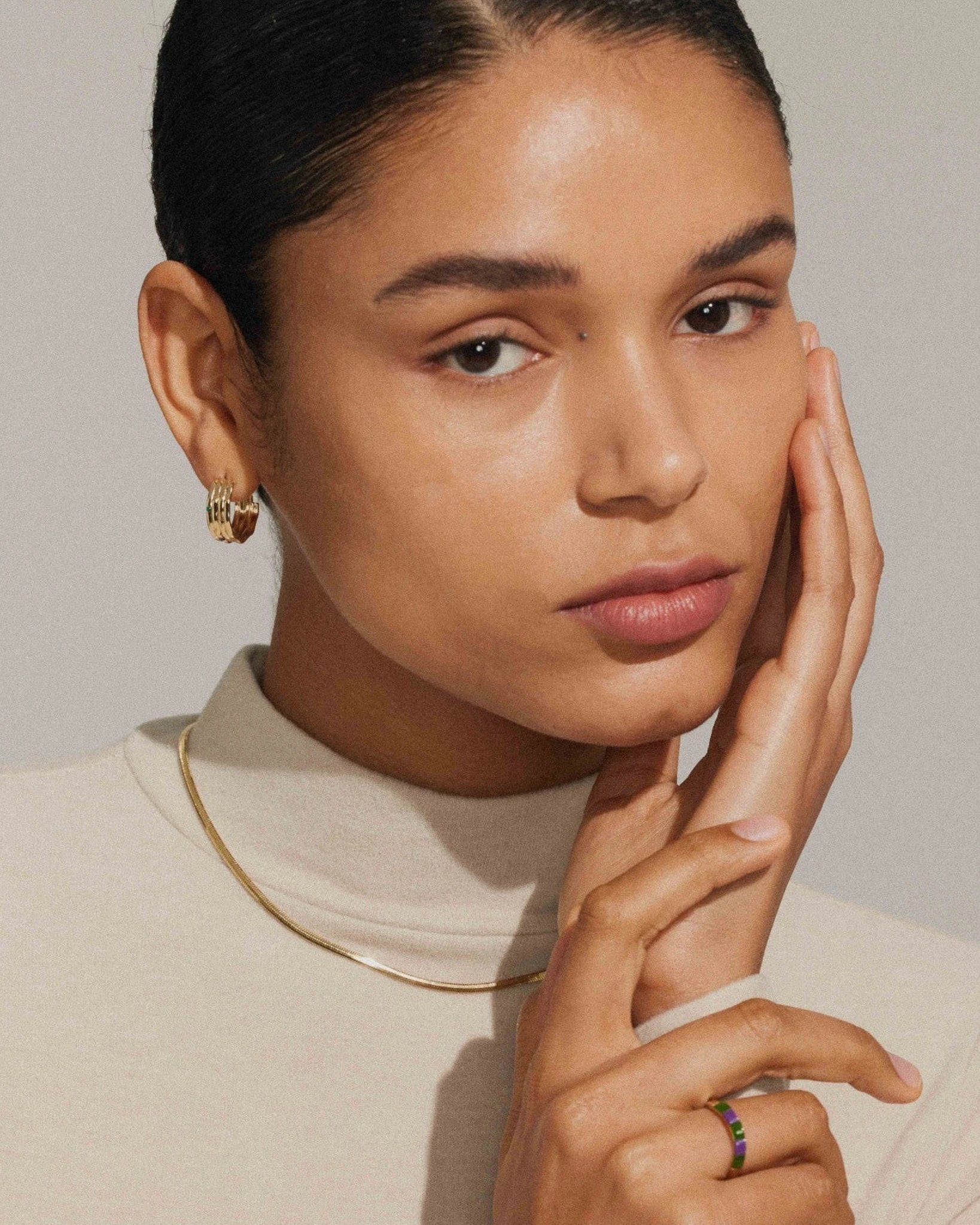
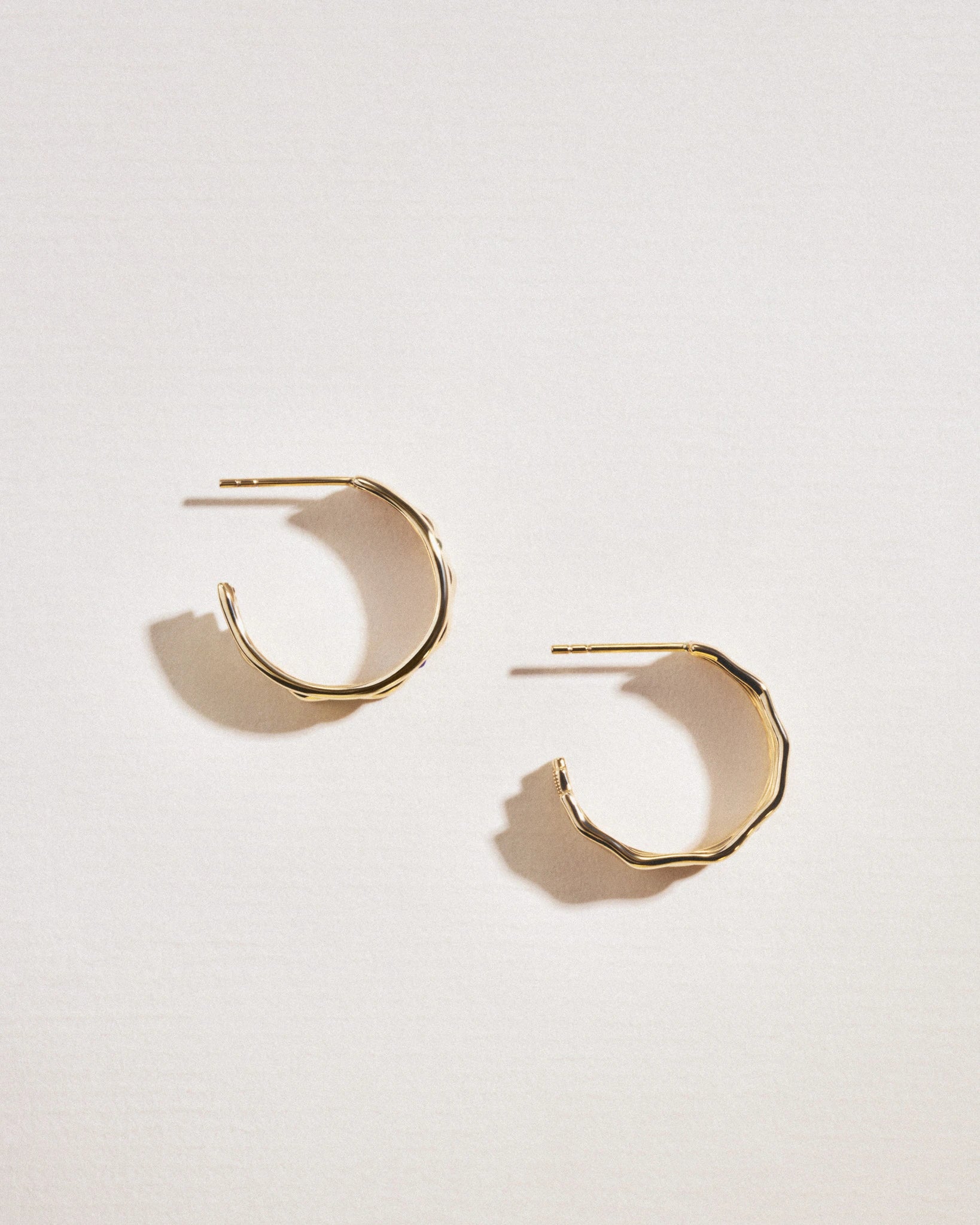
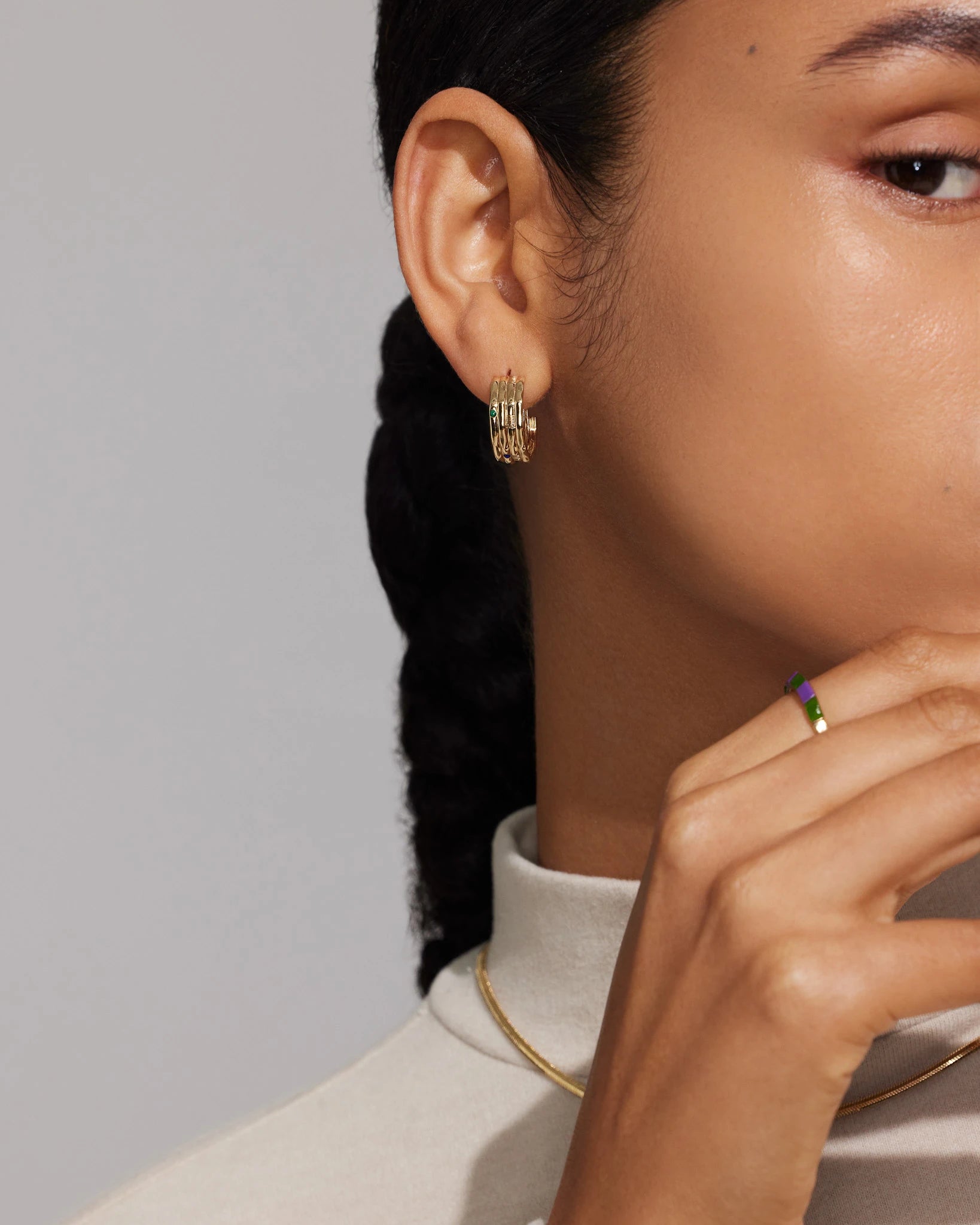
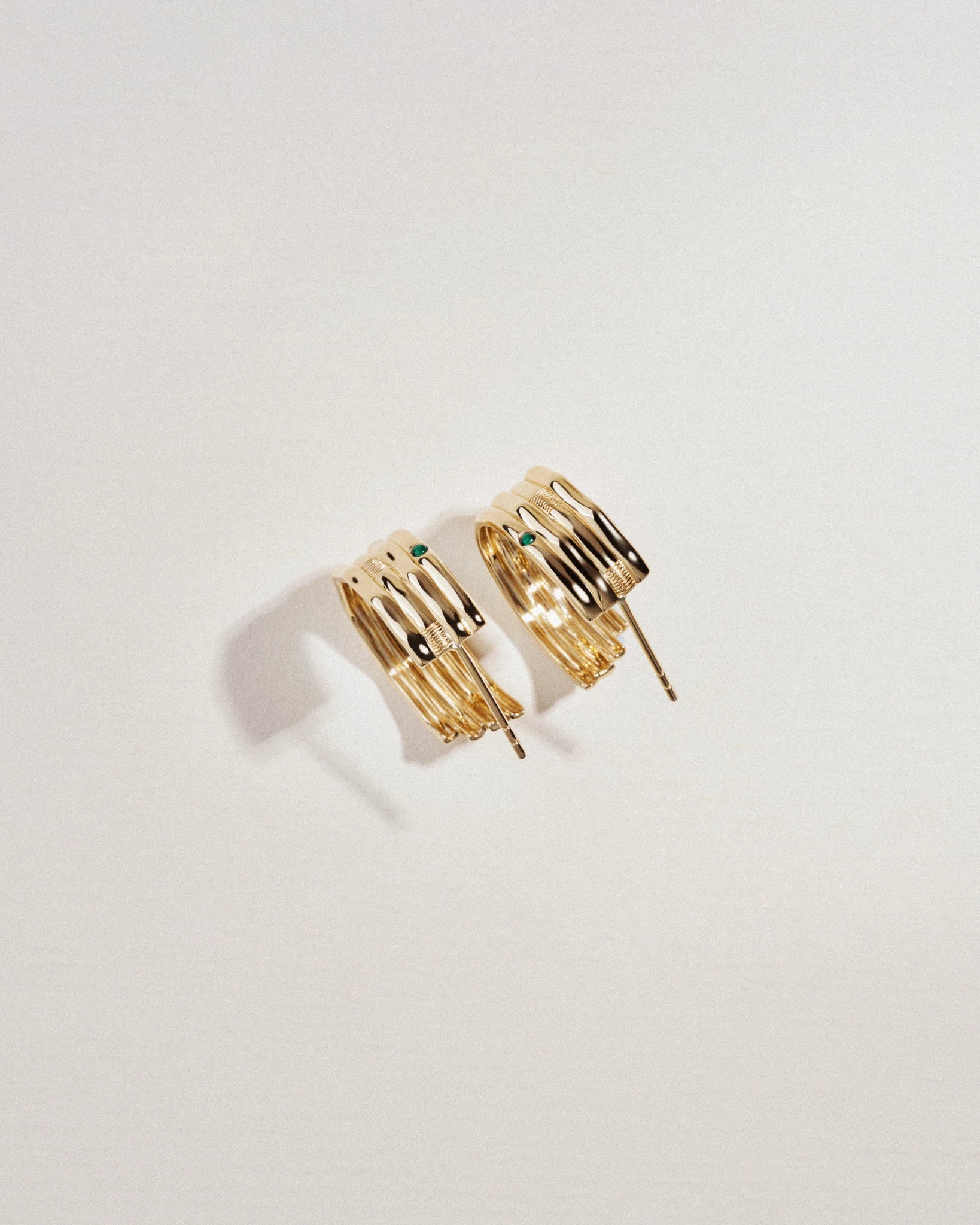
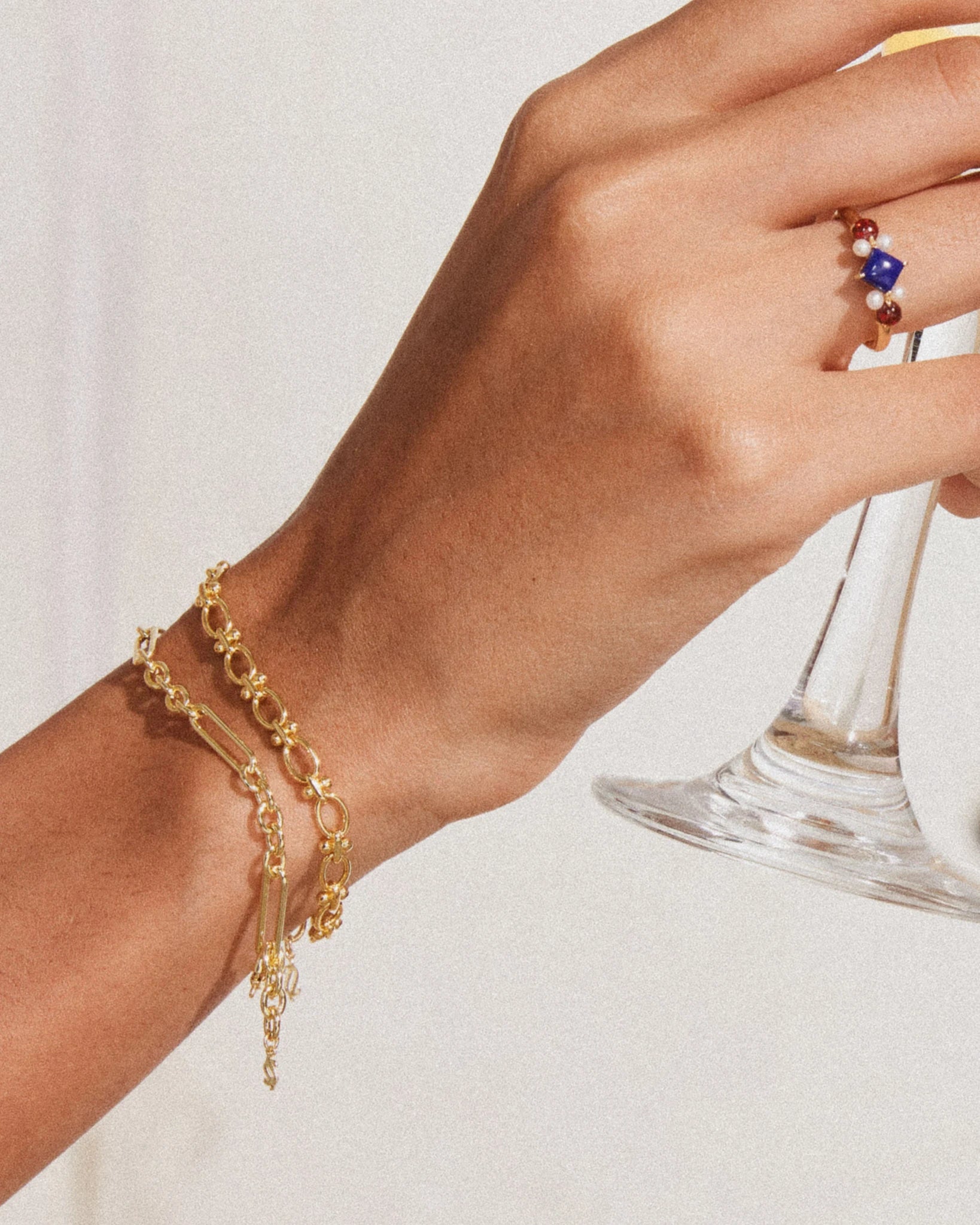
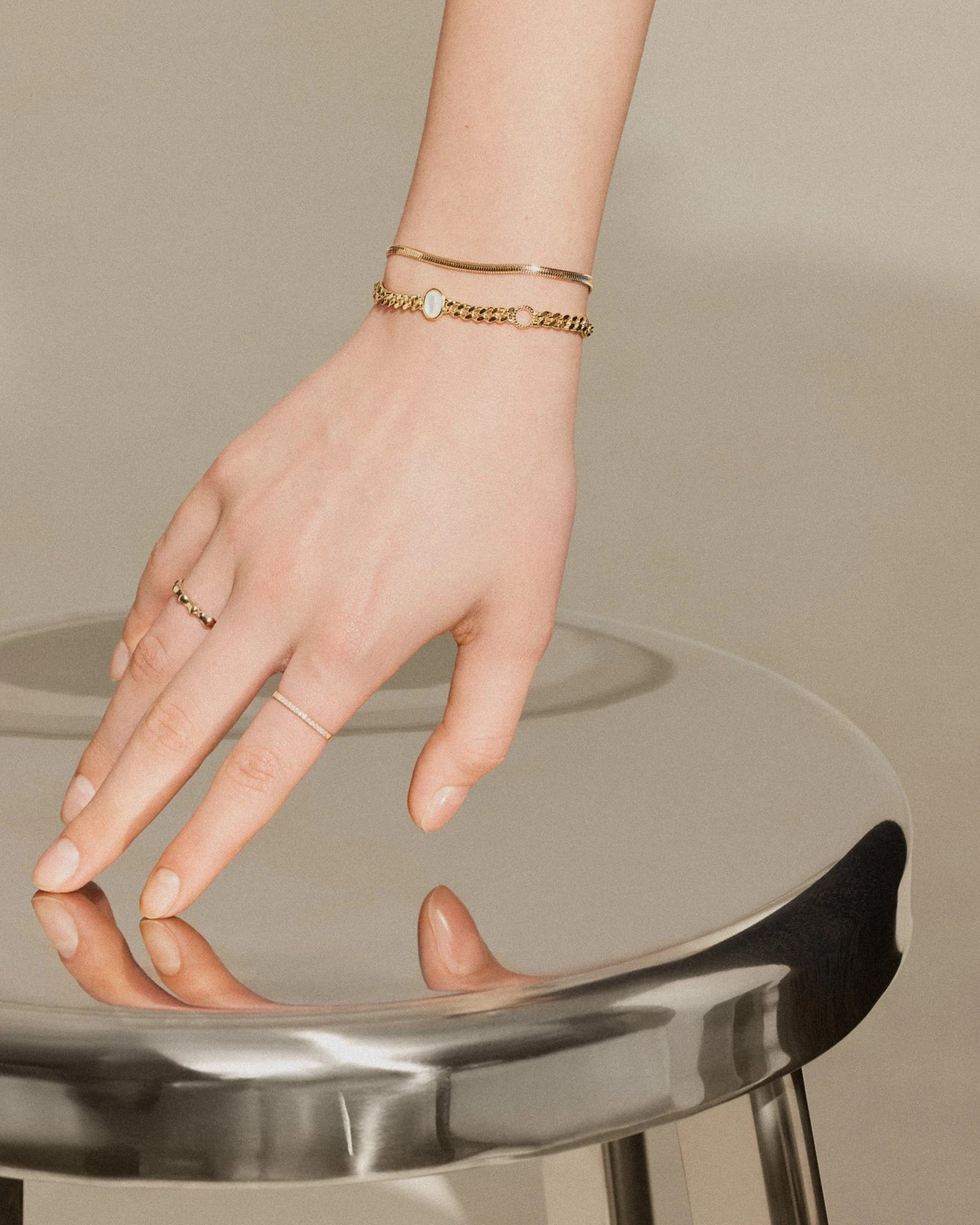
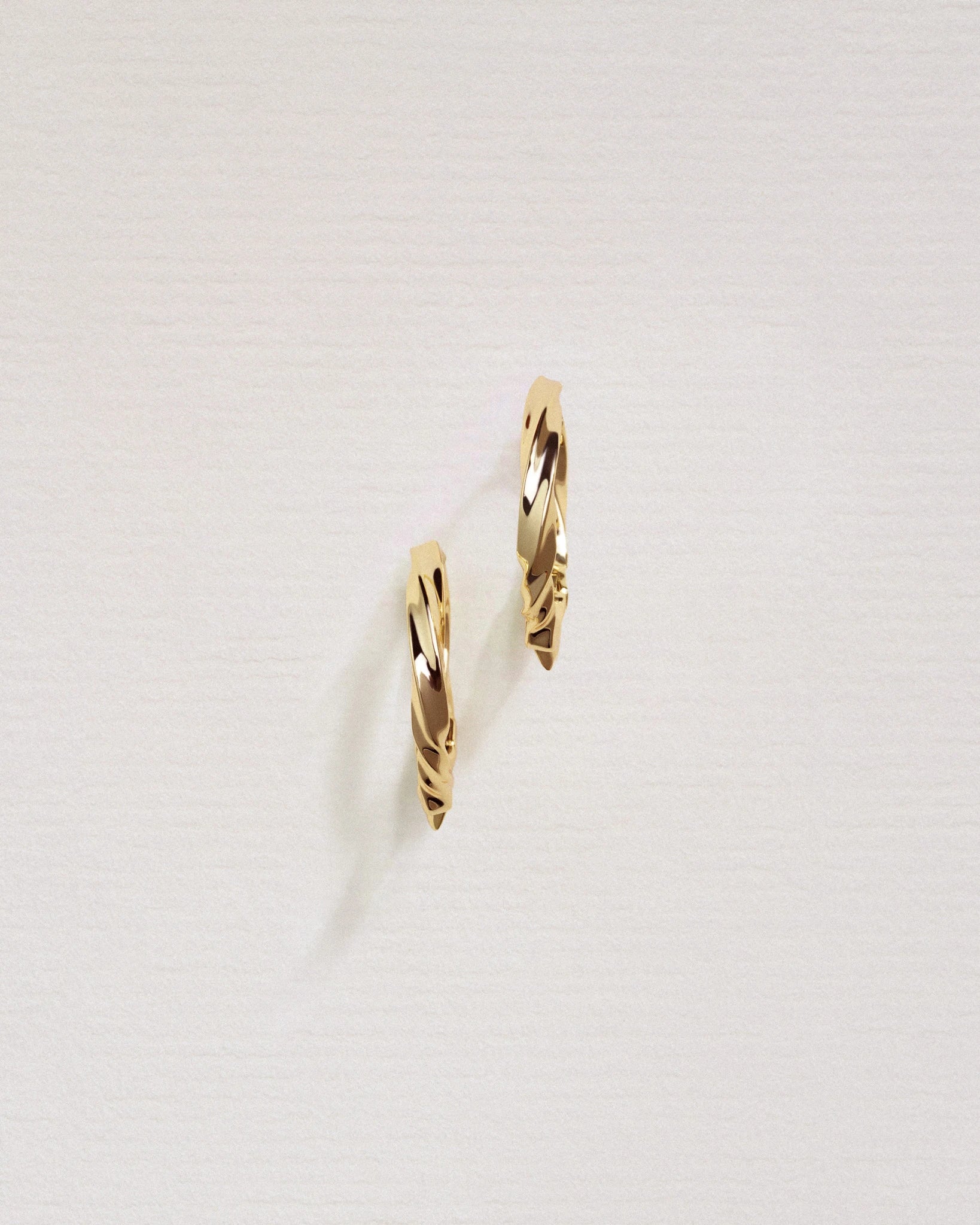
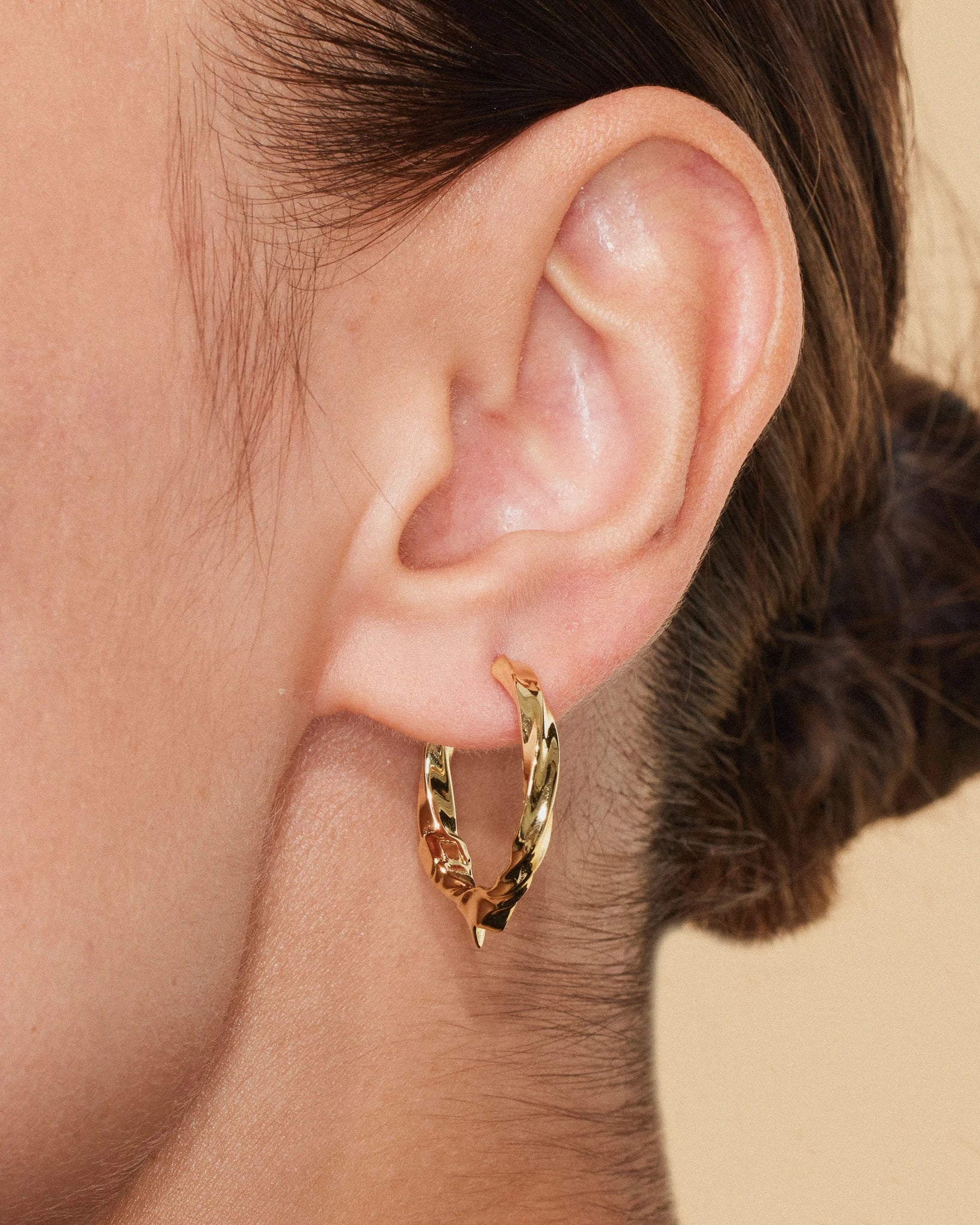
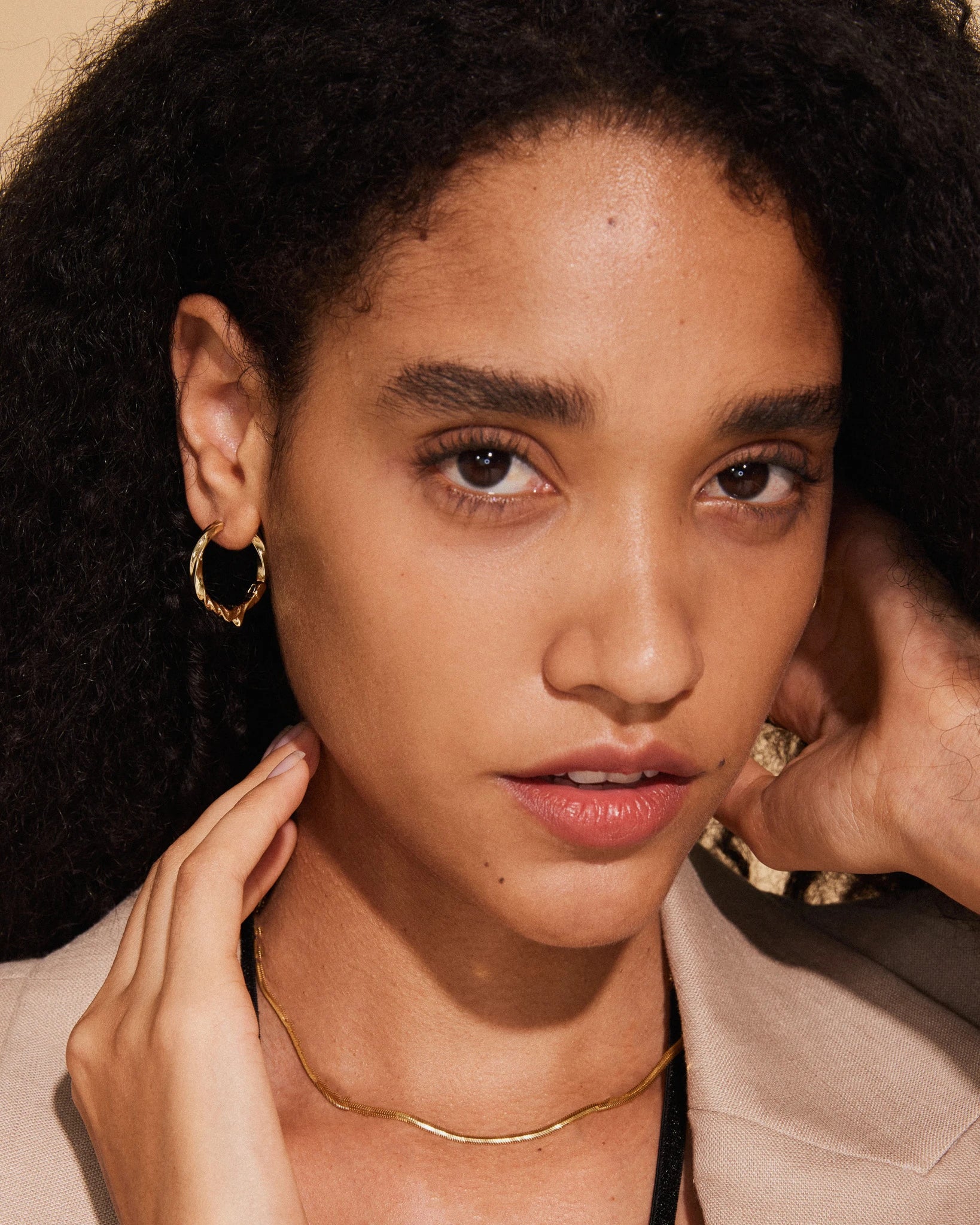
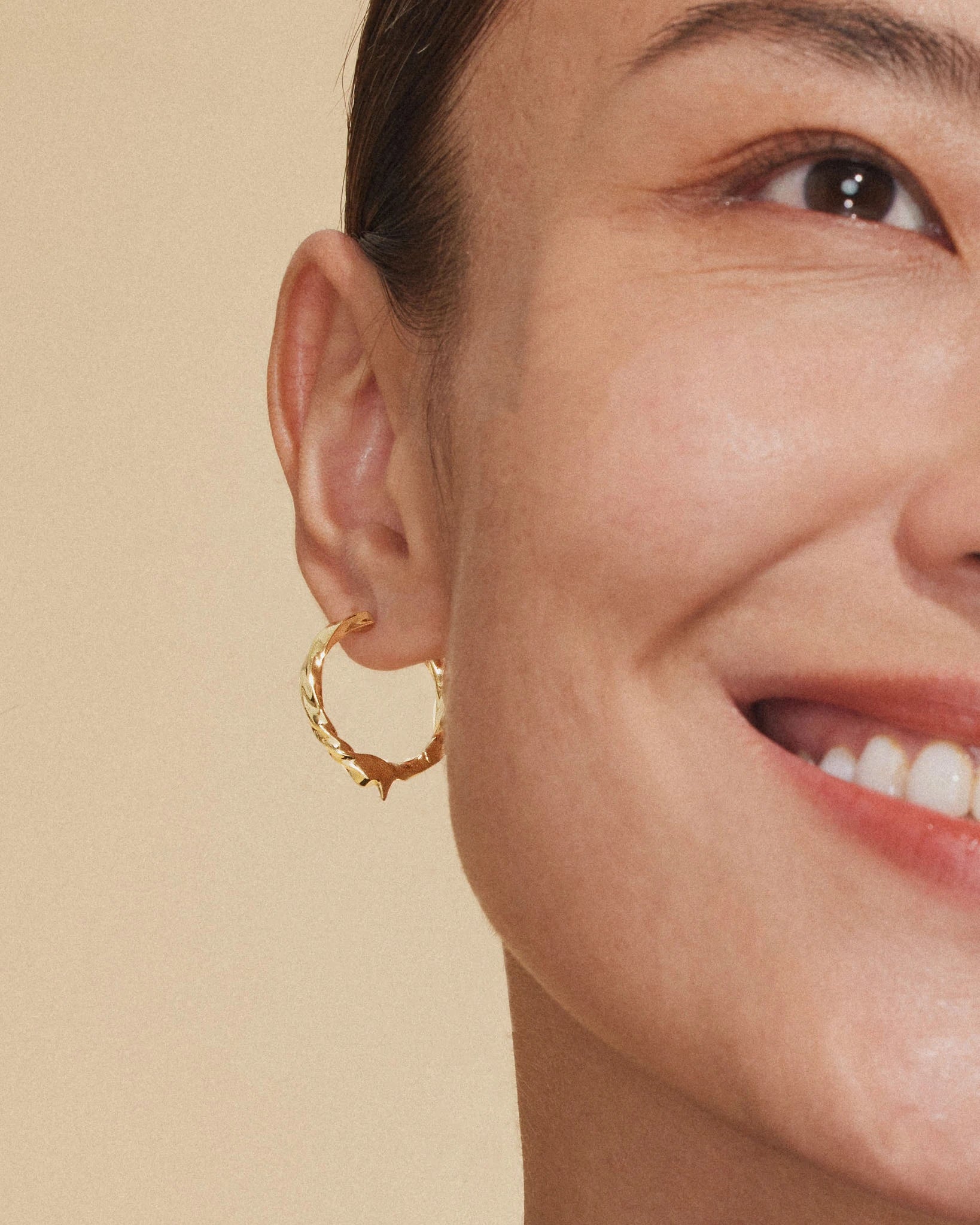
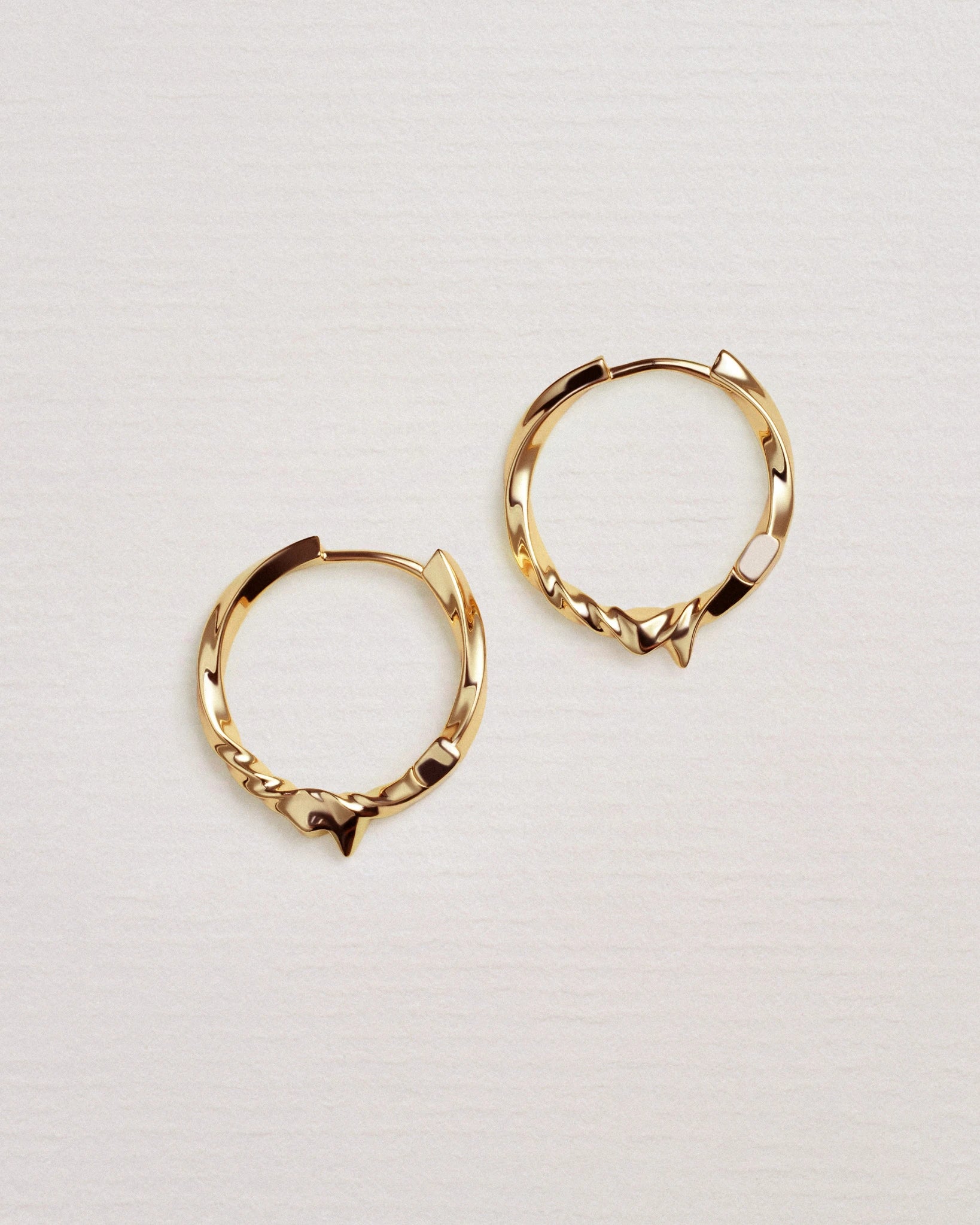
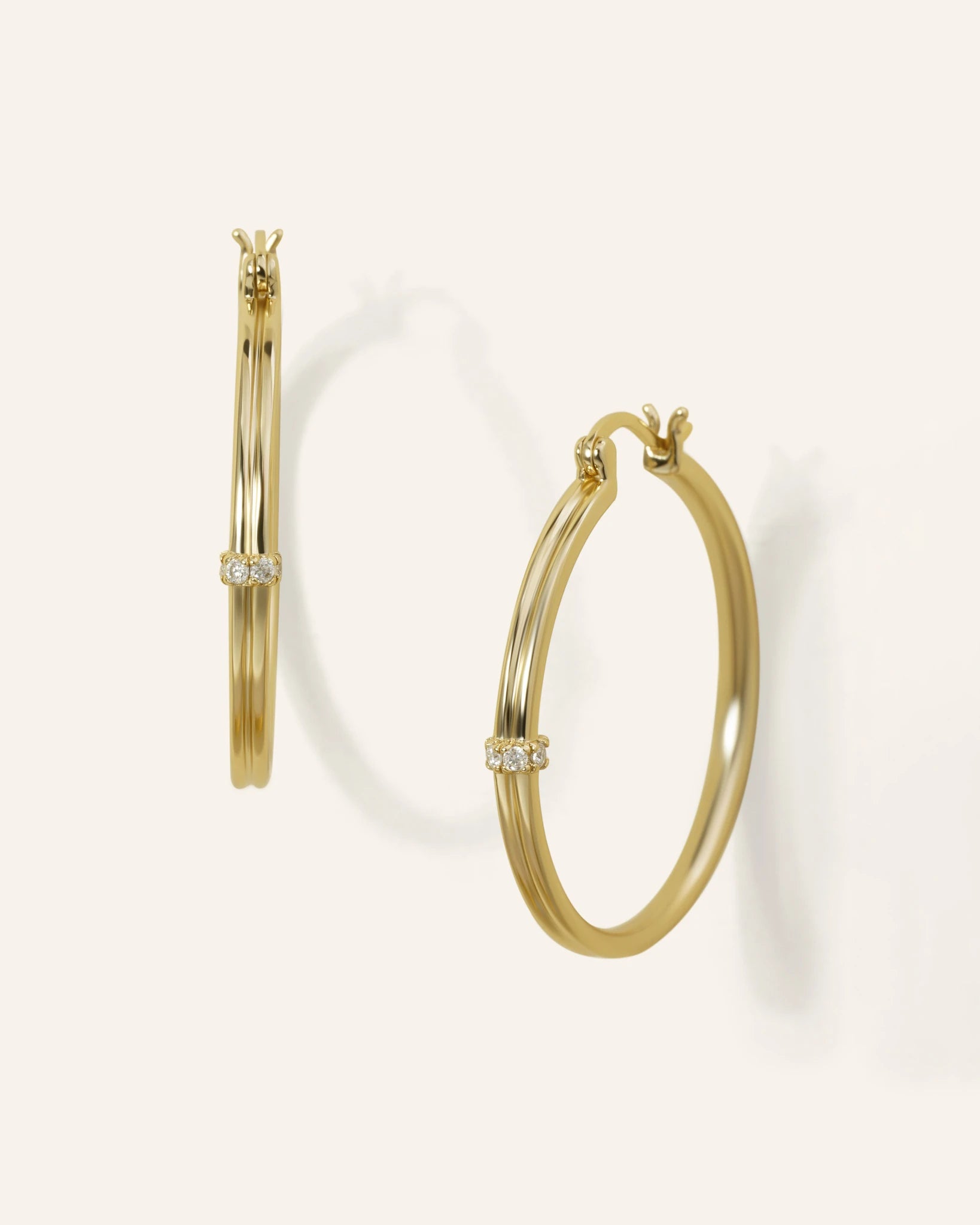
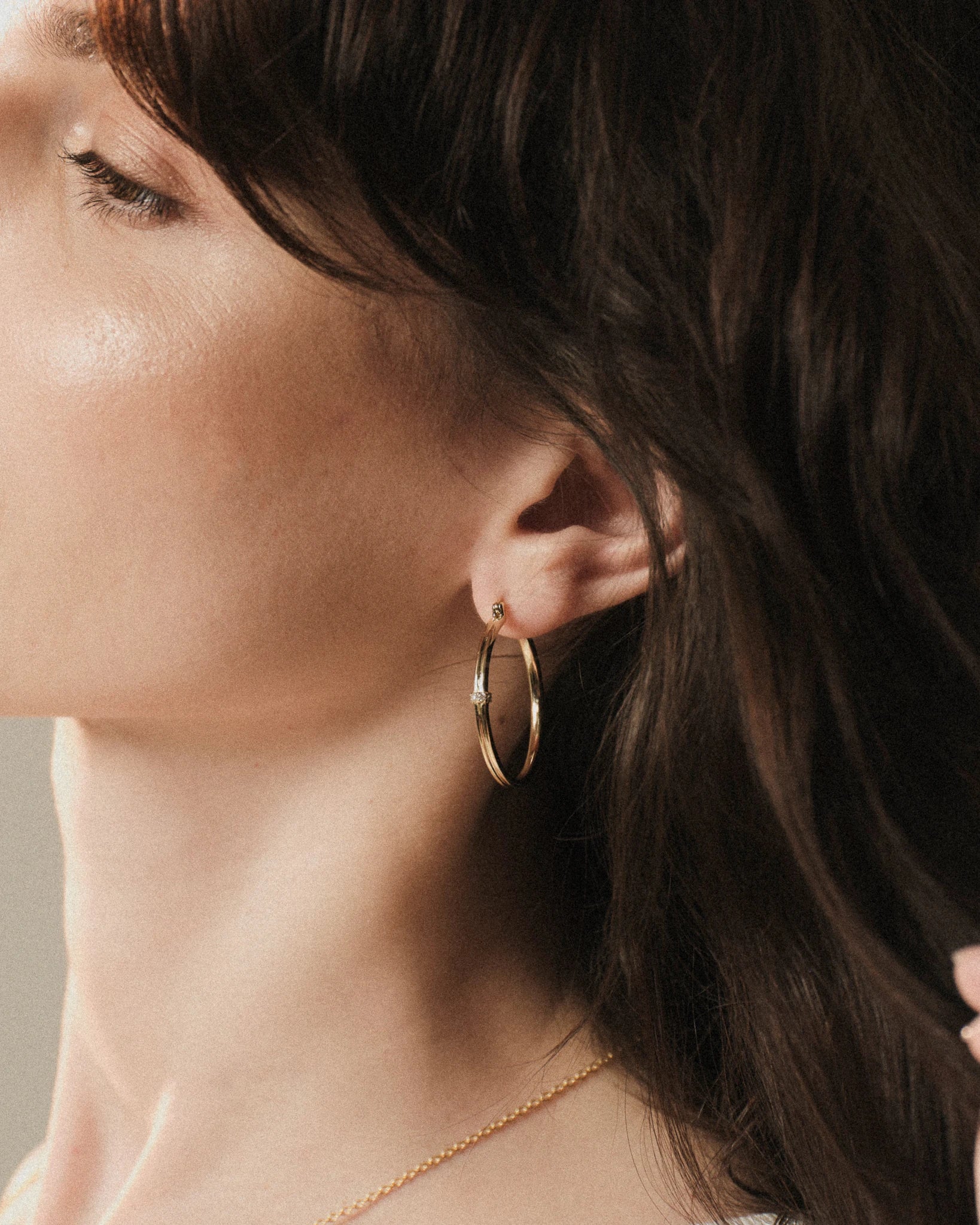
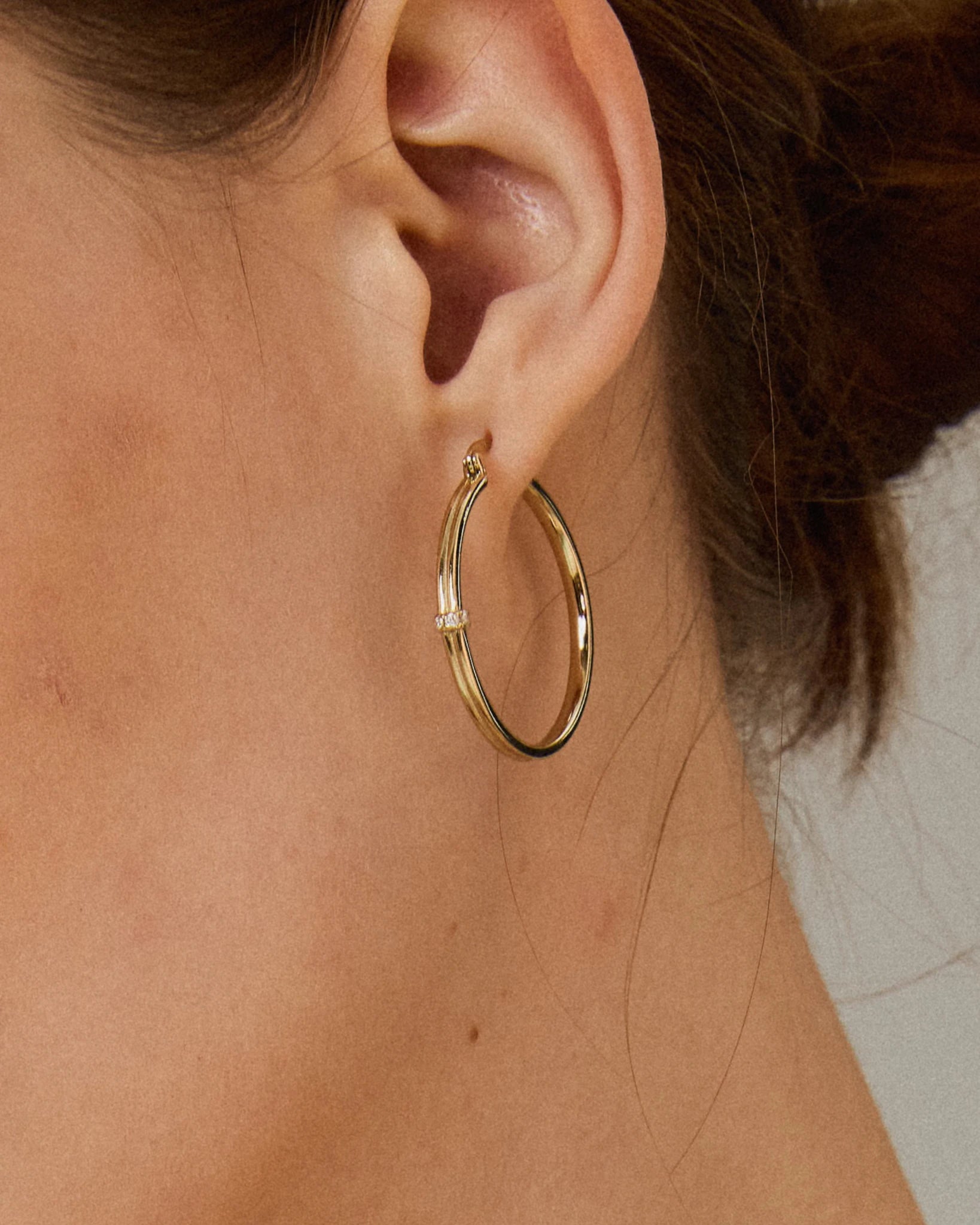
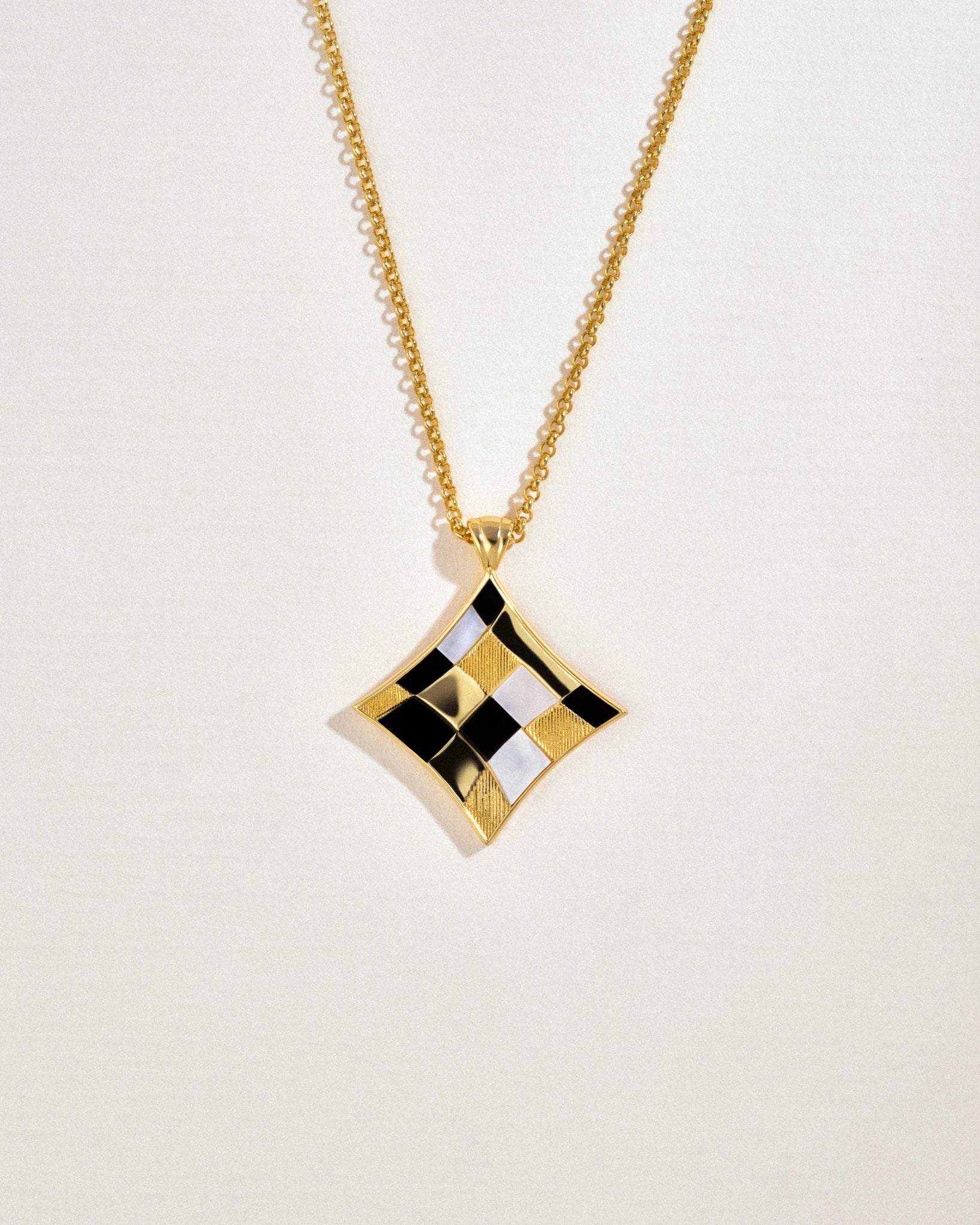
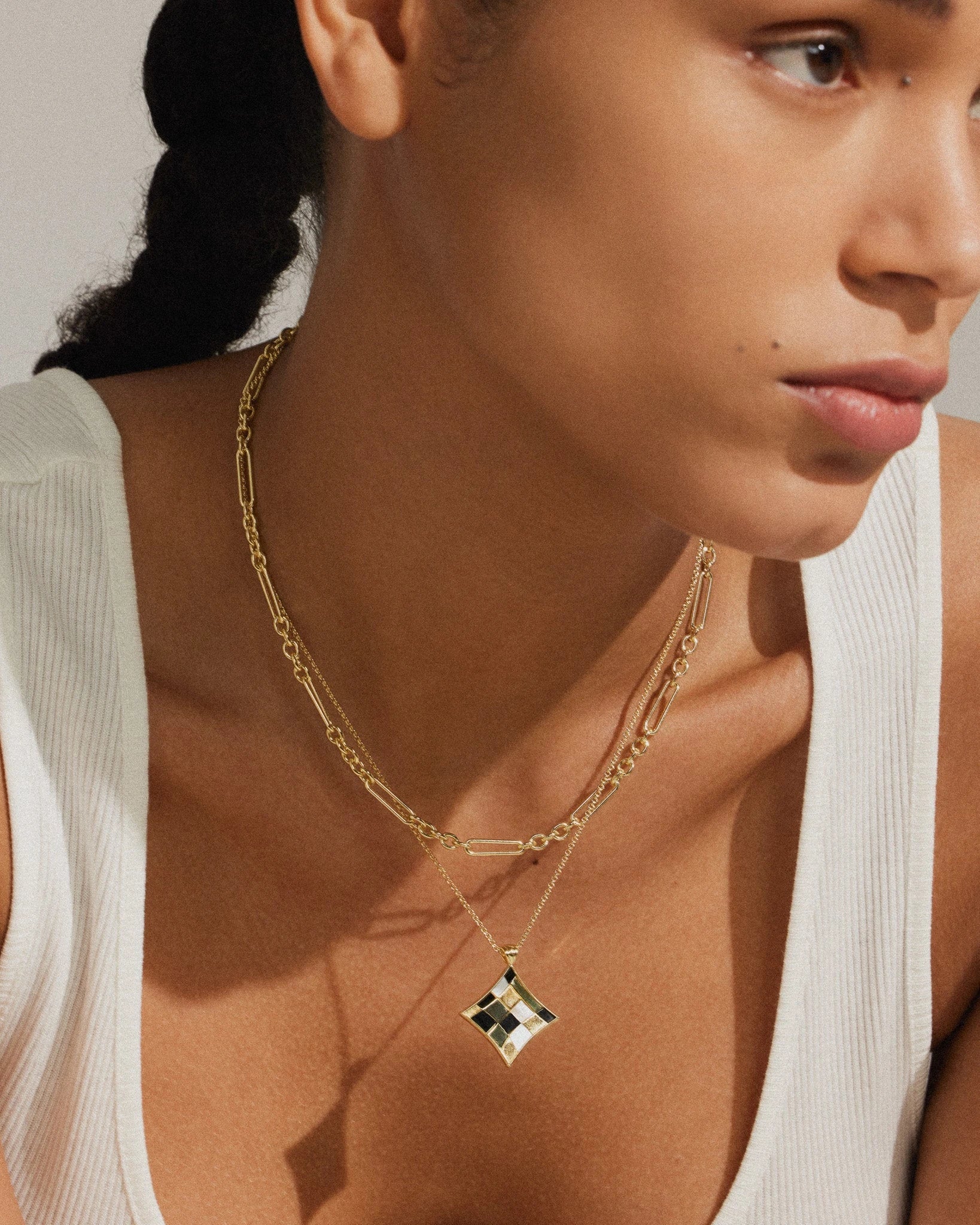
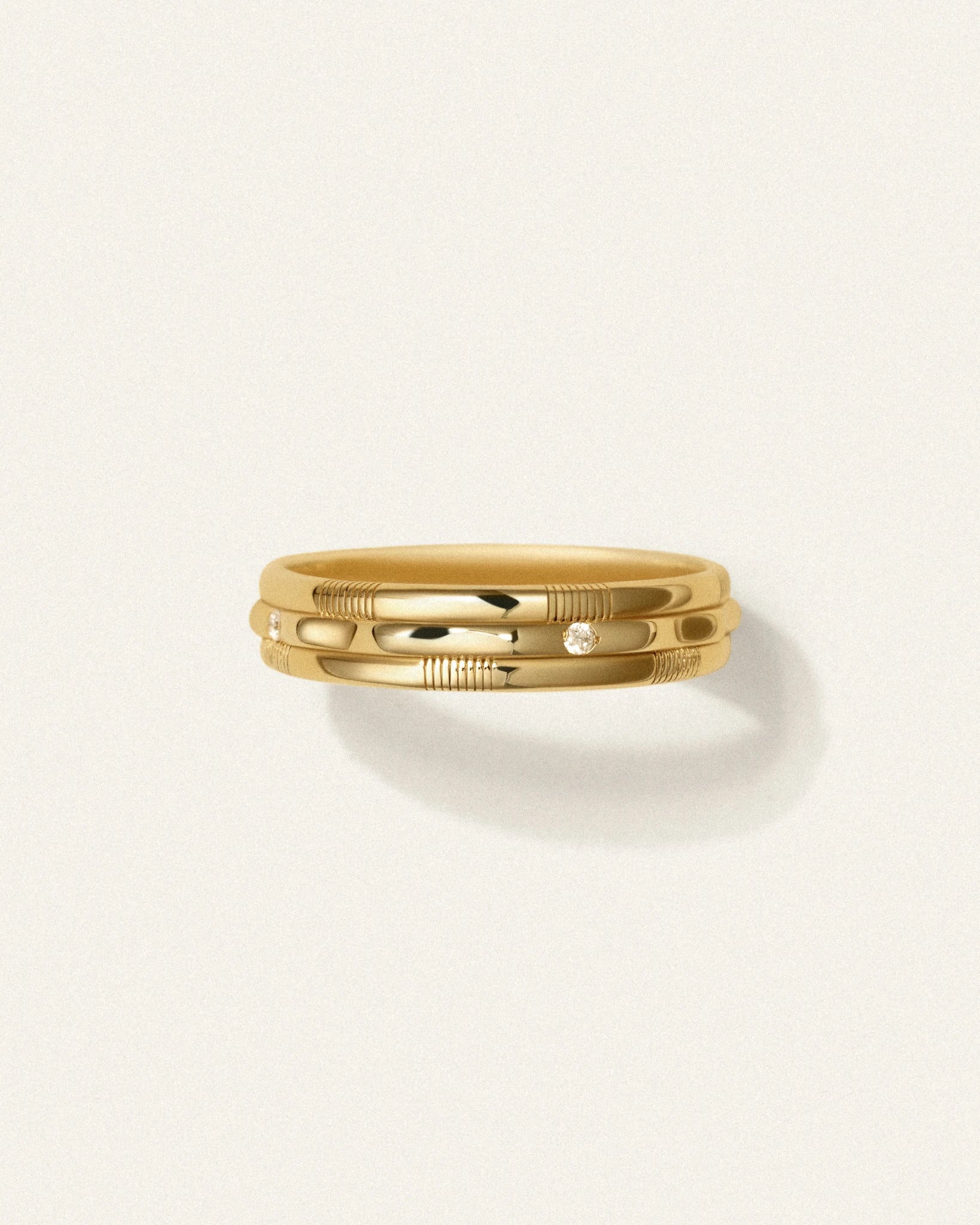
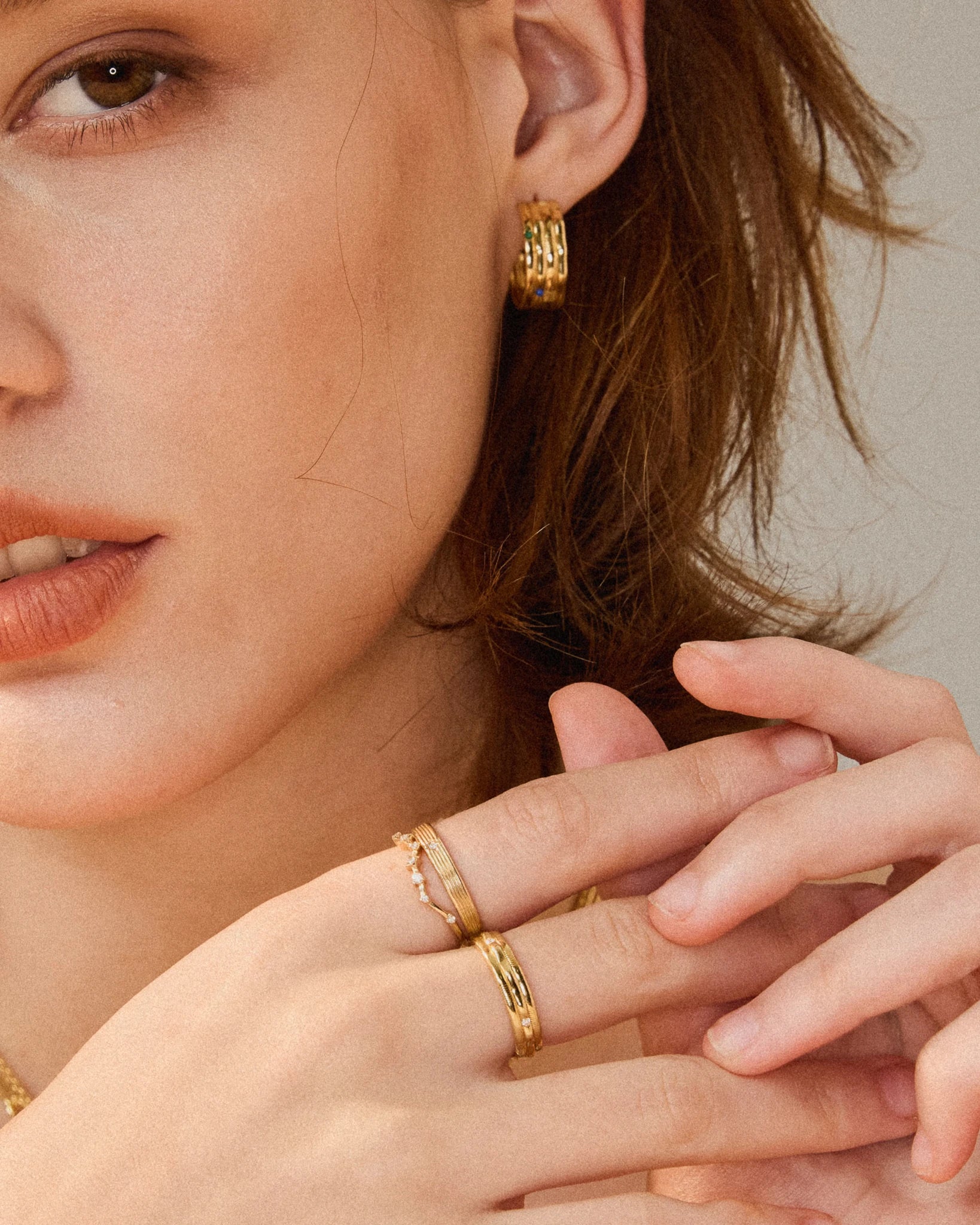
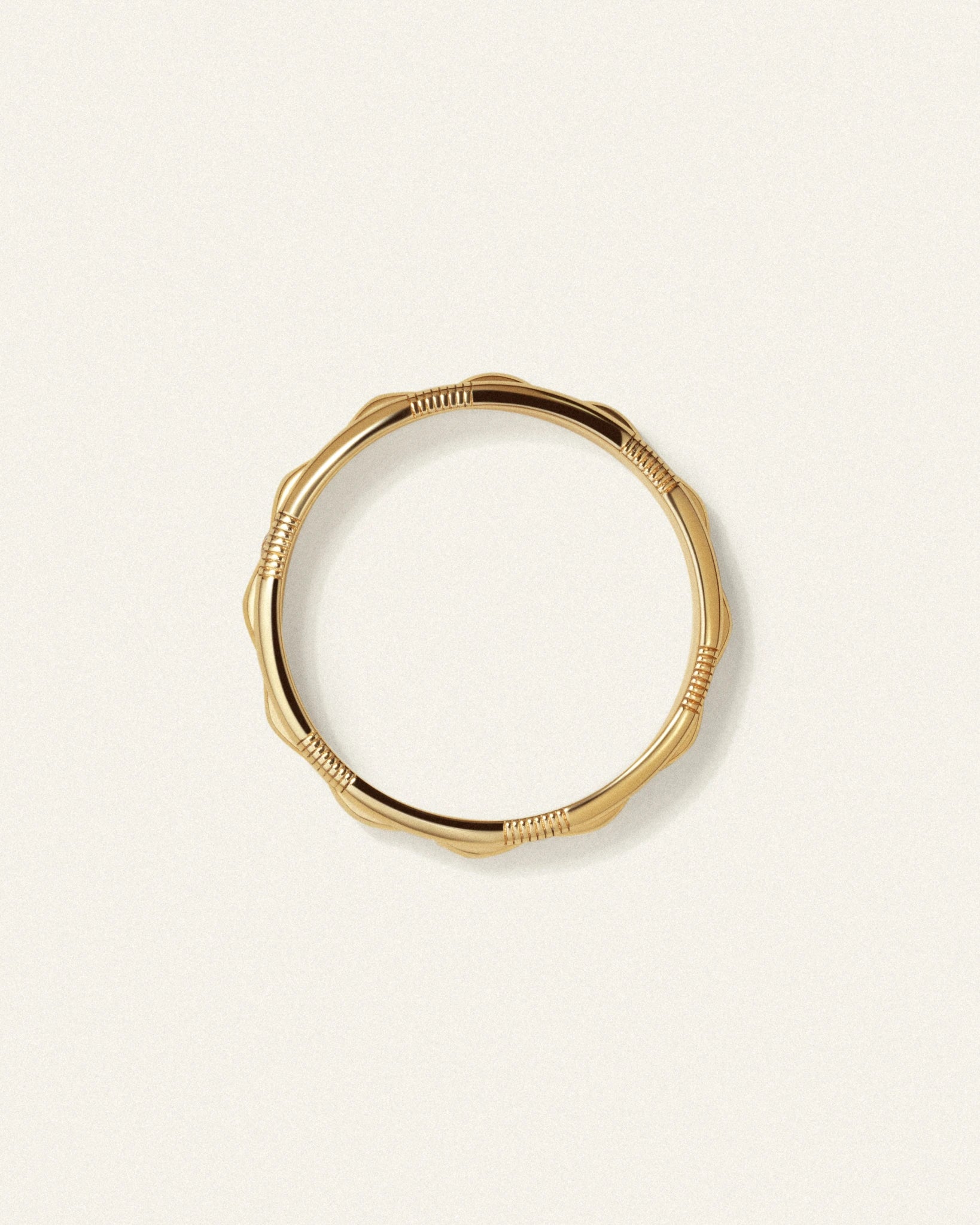
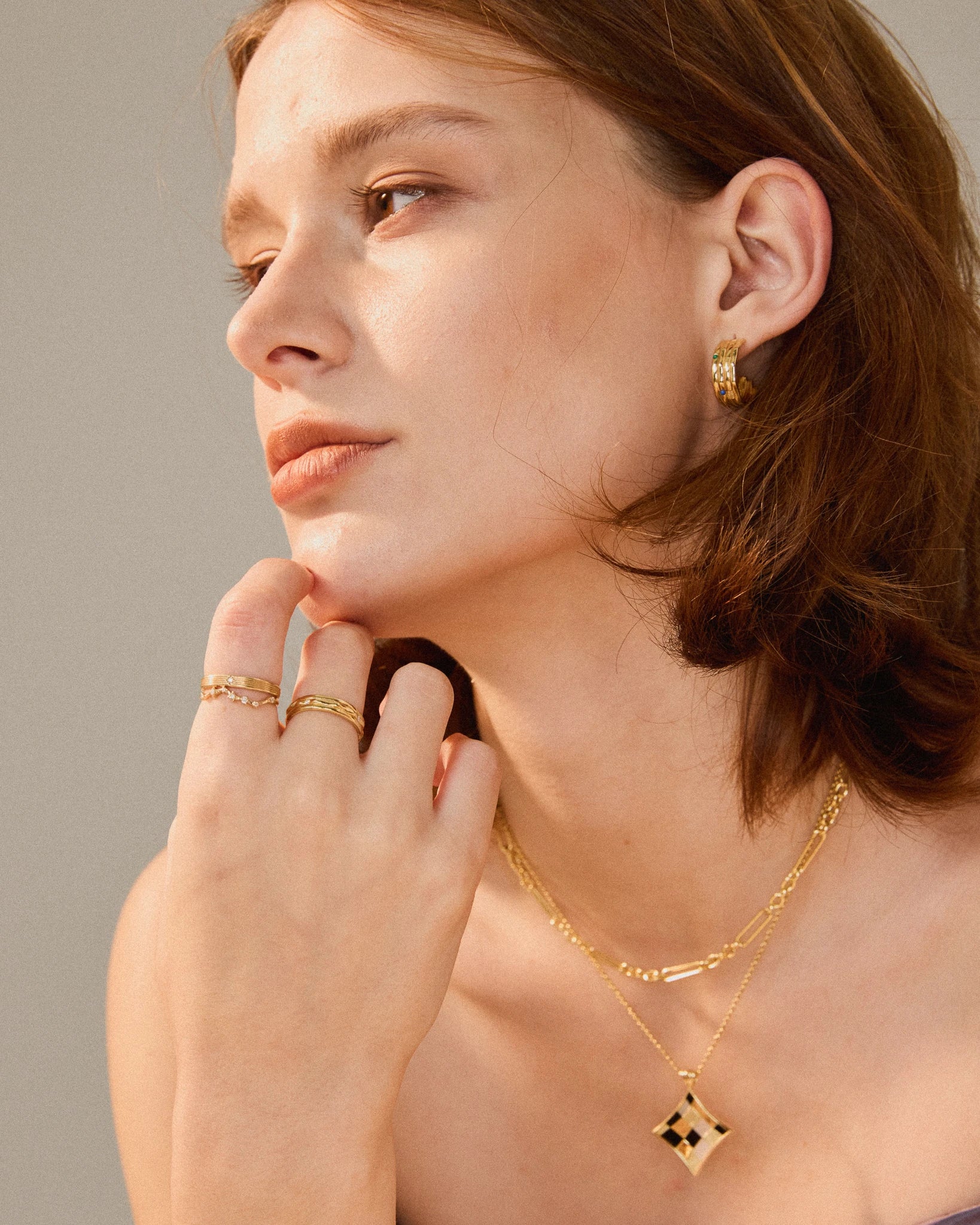
Moon Crest Ring | Glint Necklace | Colossus Earrings
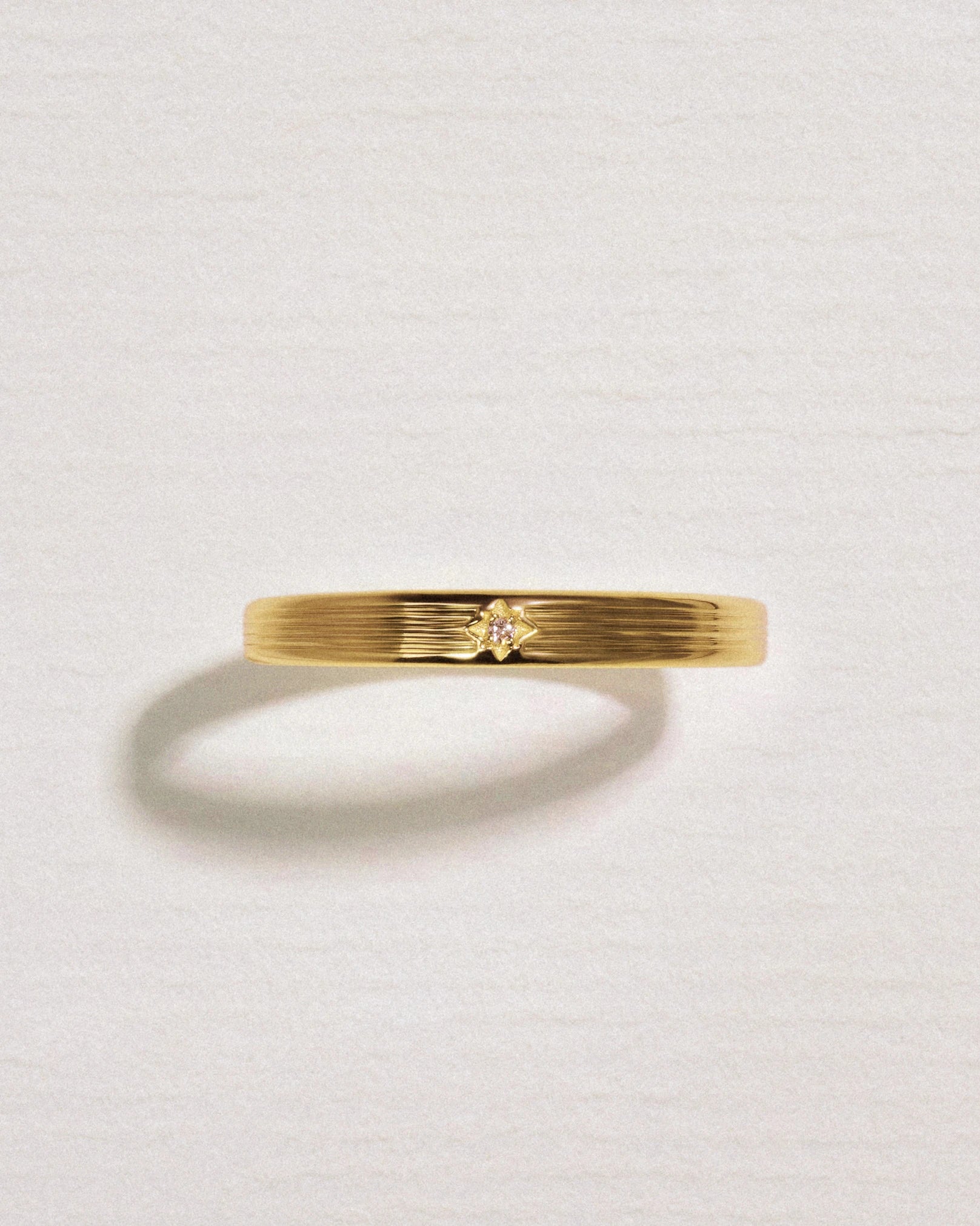
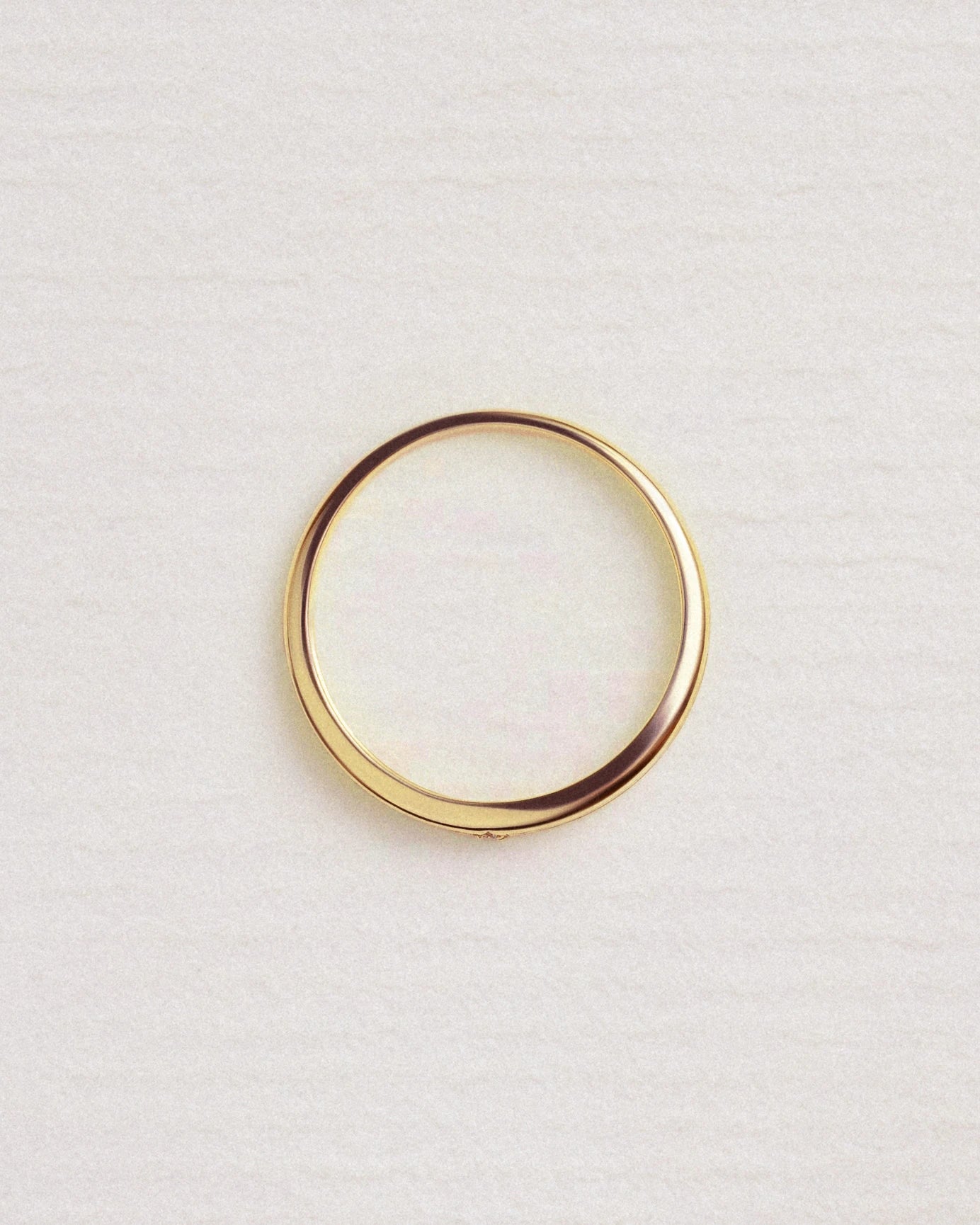
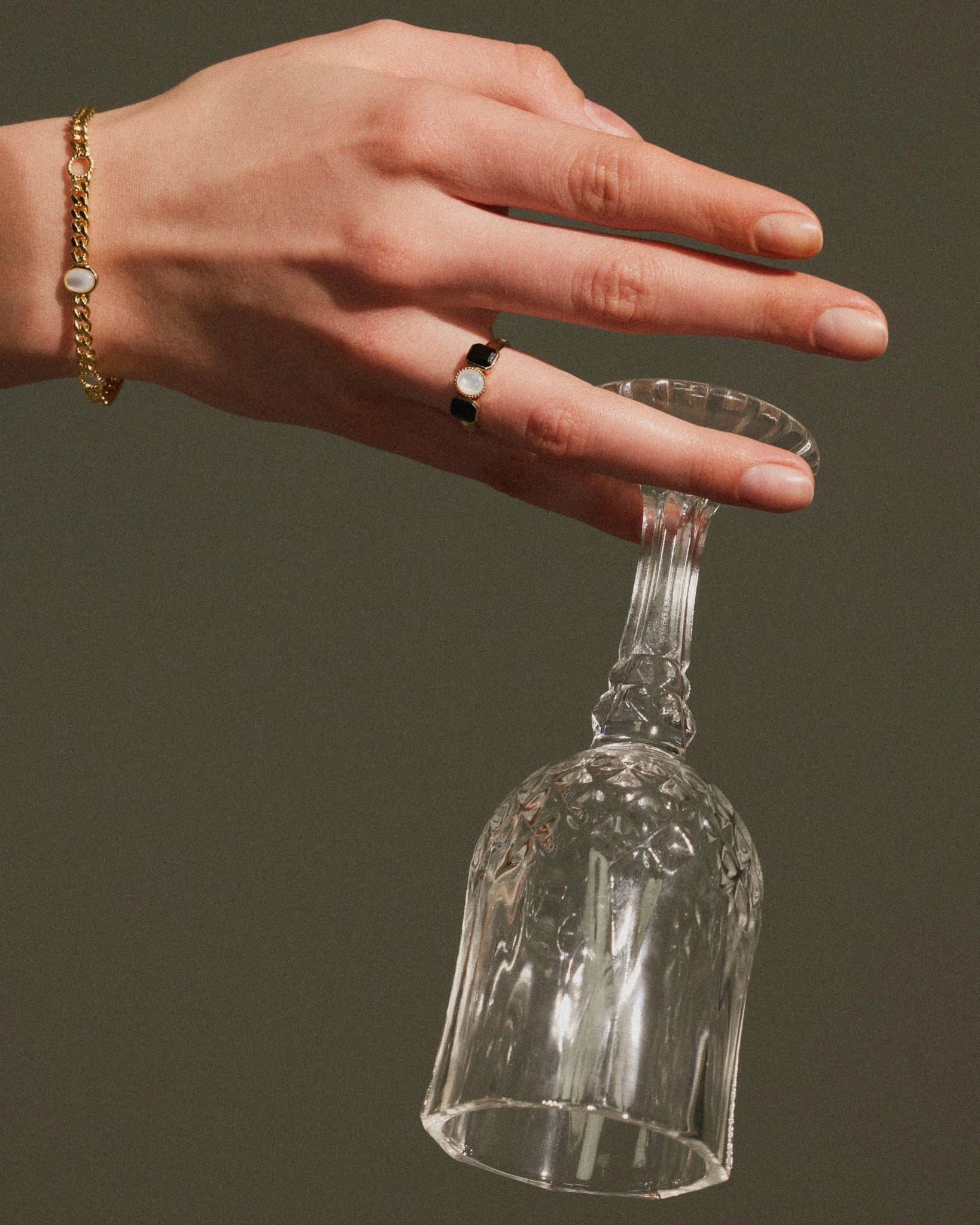
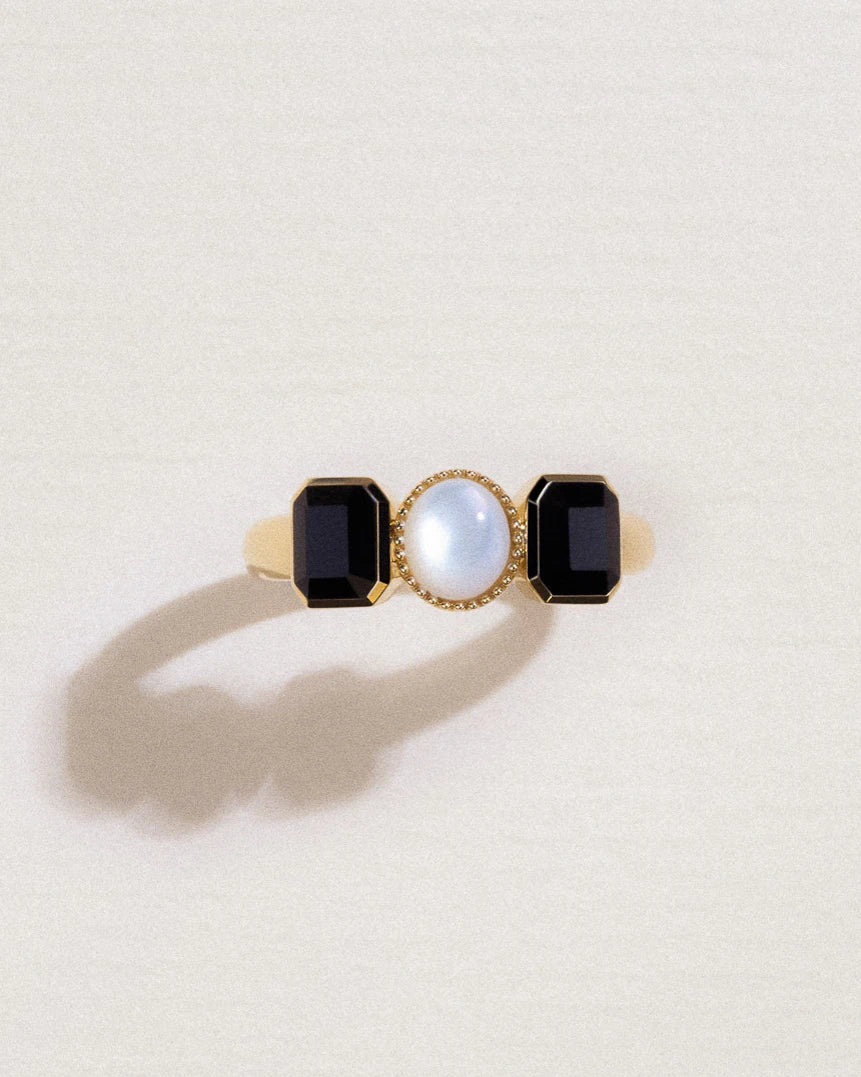
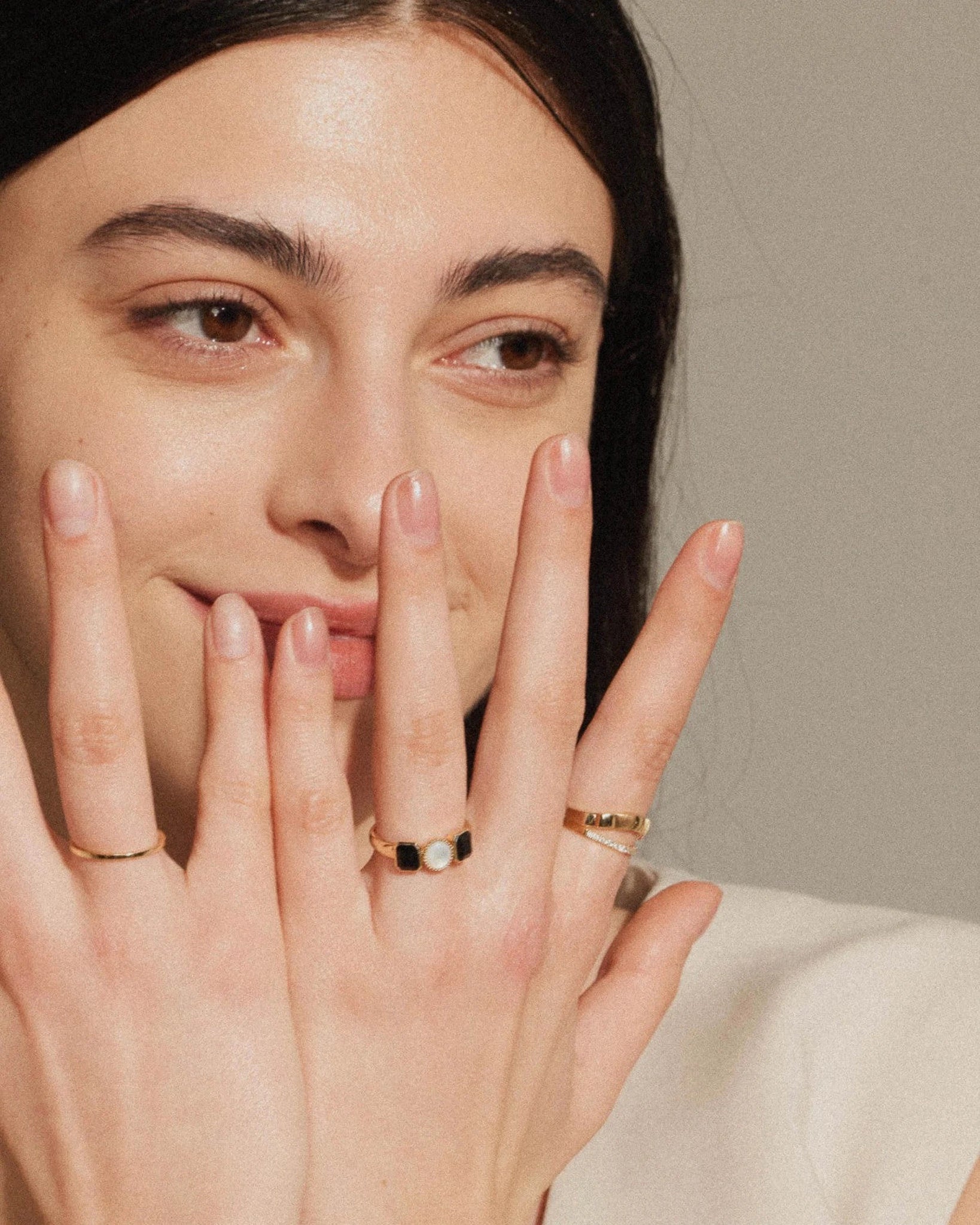
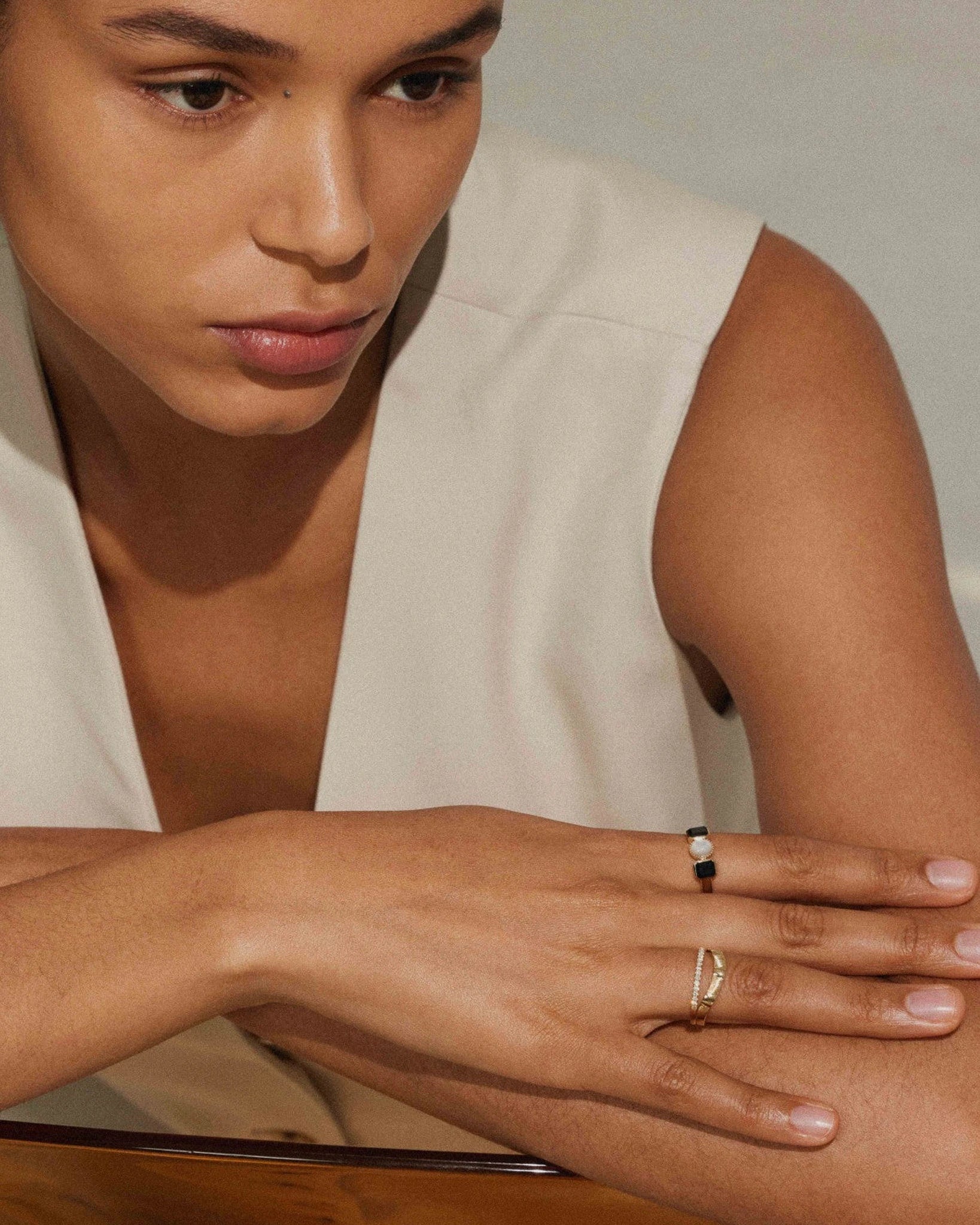
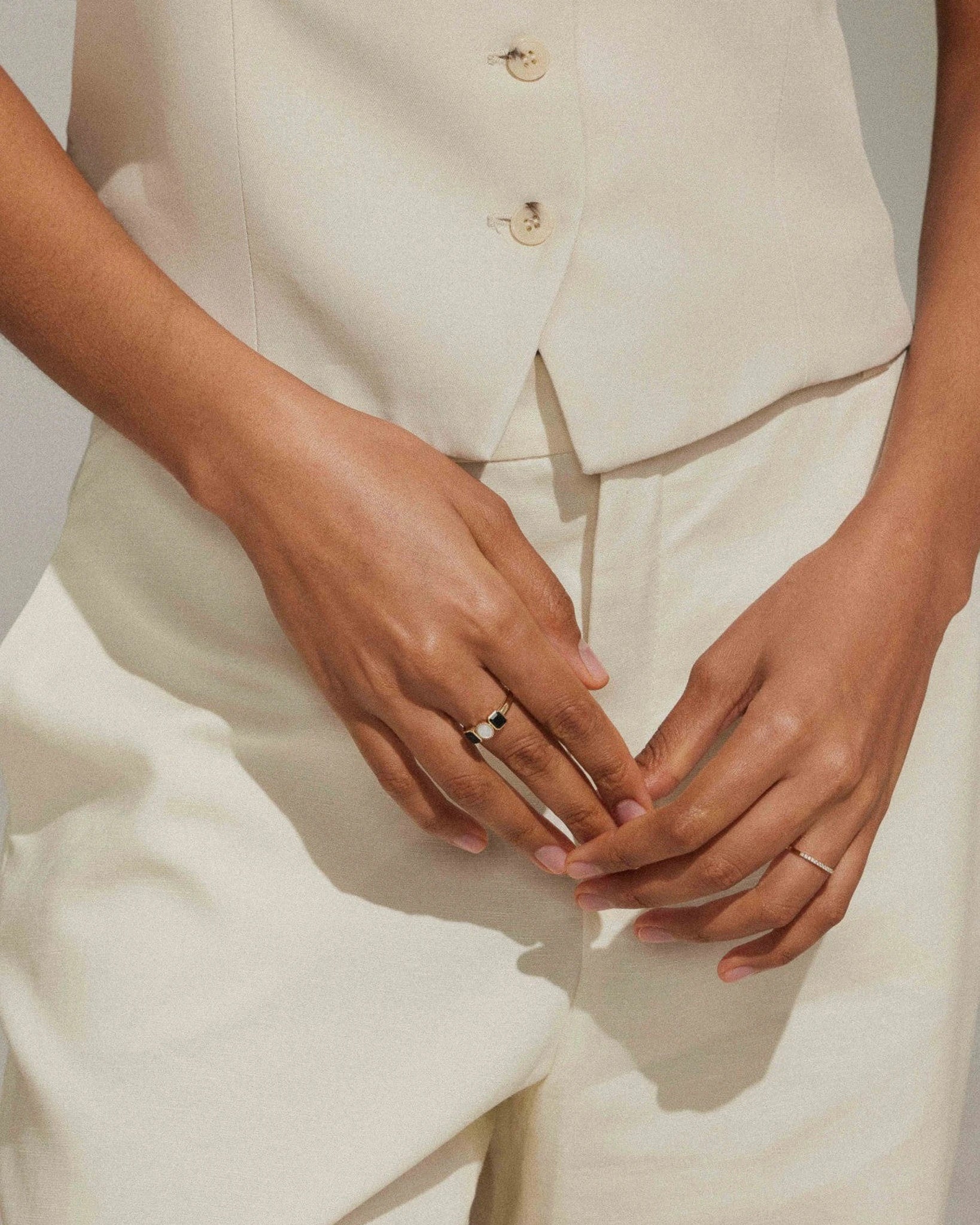
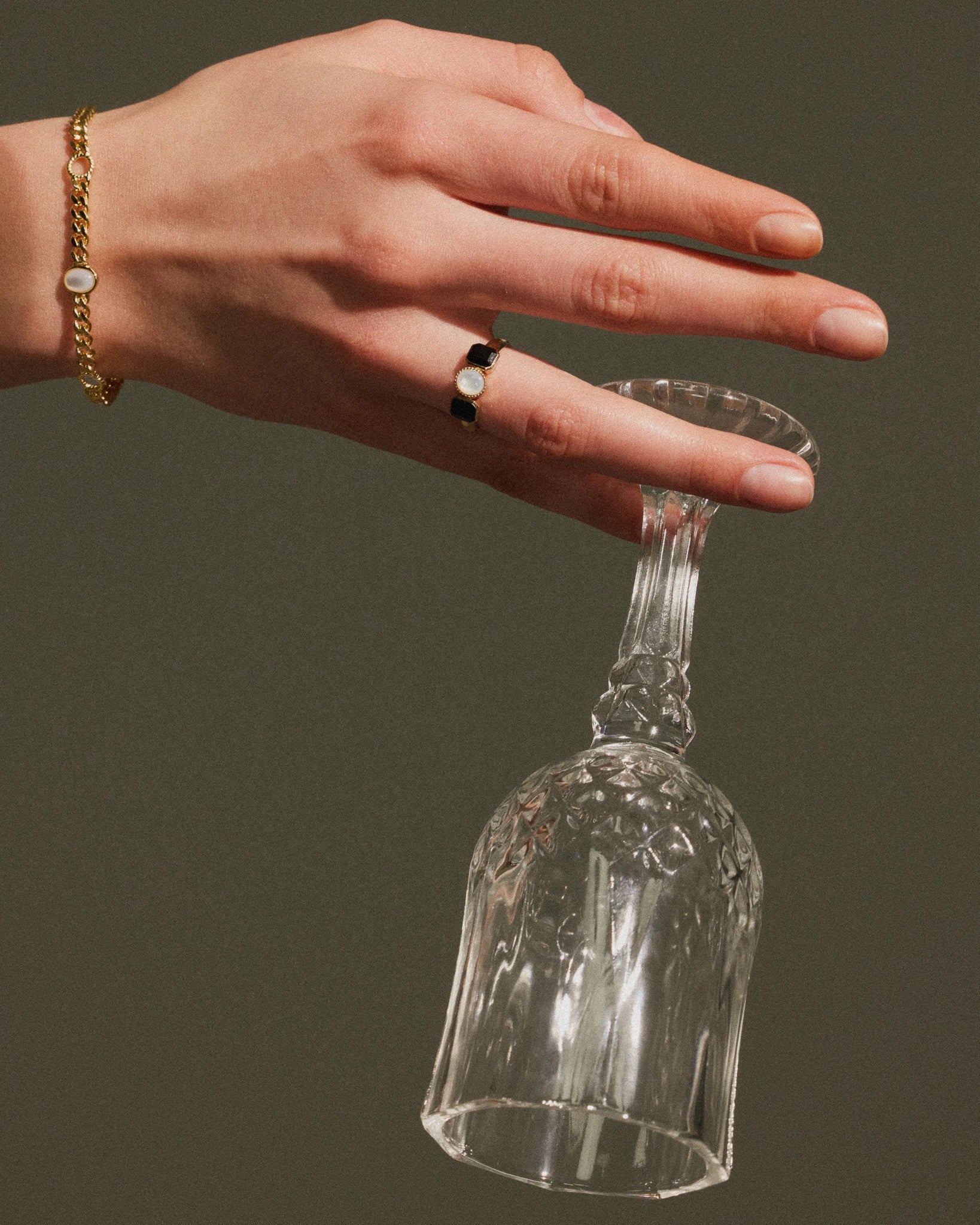
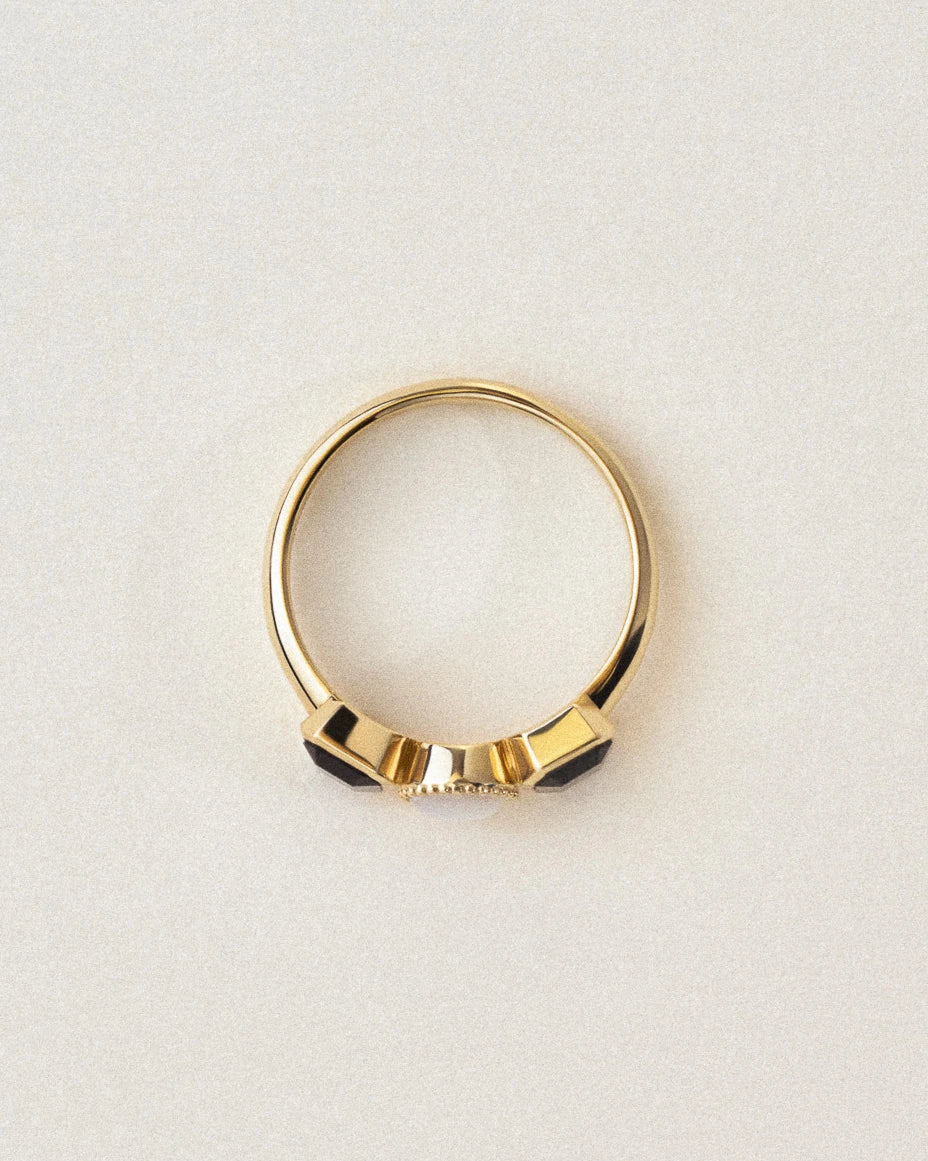
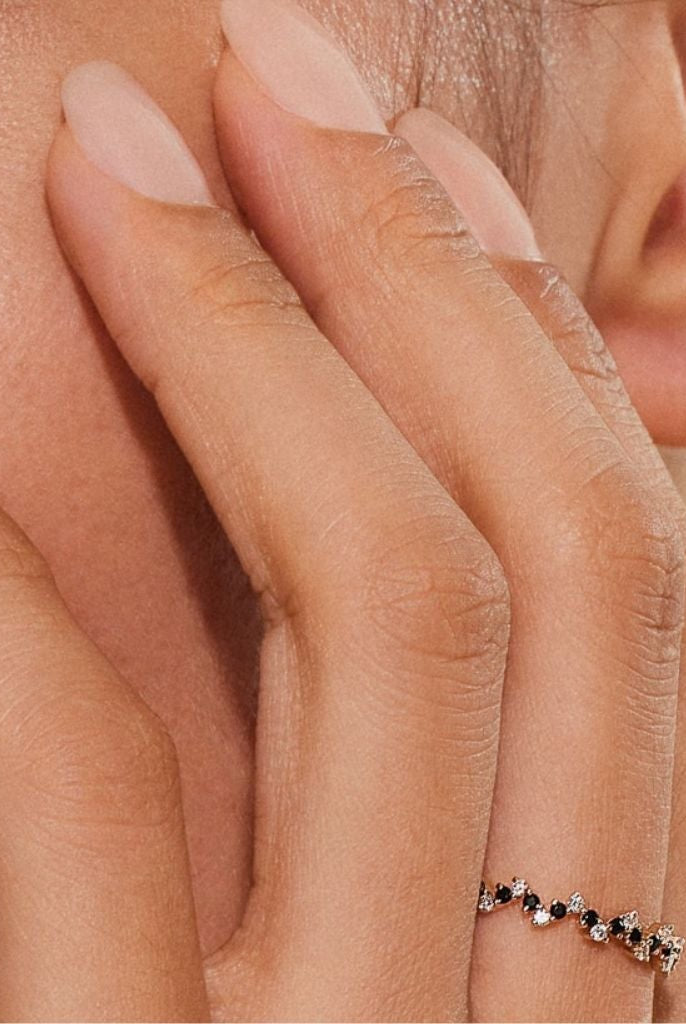
Moon Crest Ring
The Moon Crest Ring carries that same feeling of bringing the moon closer.
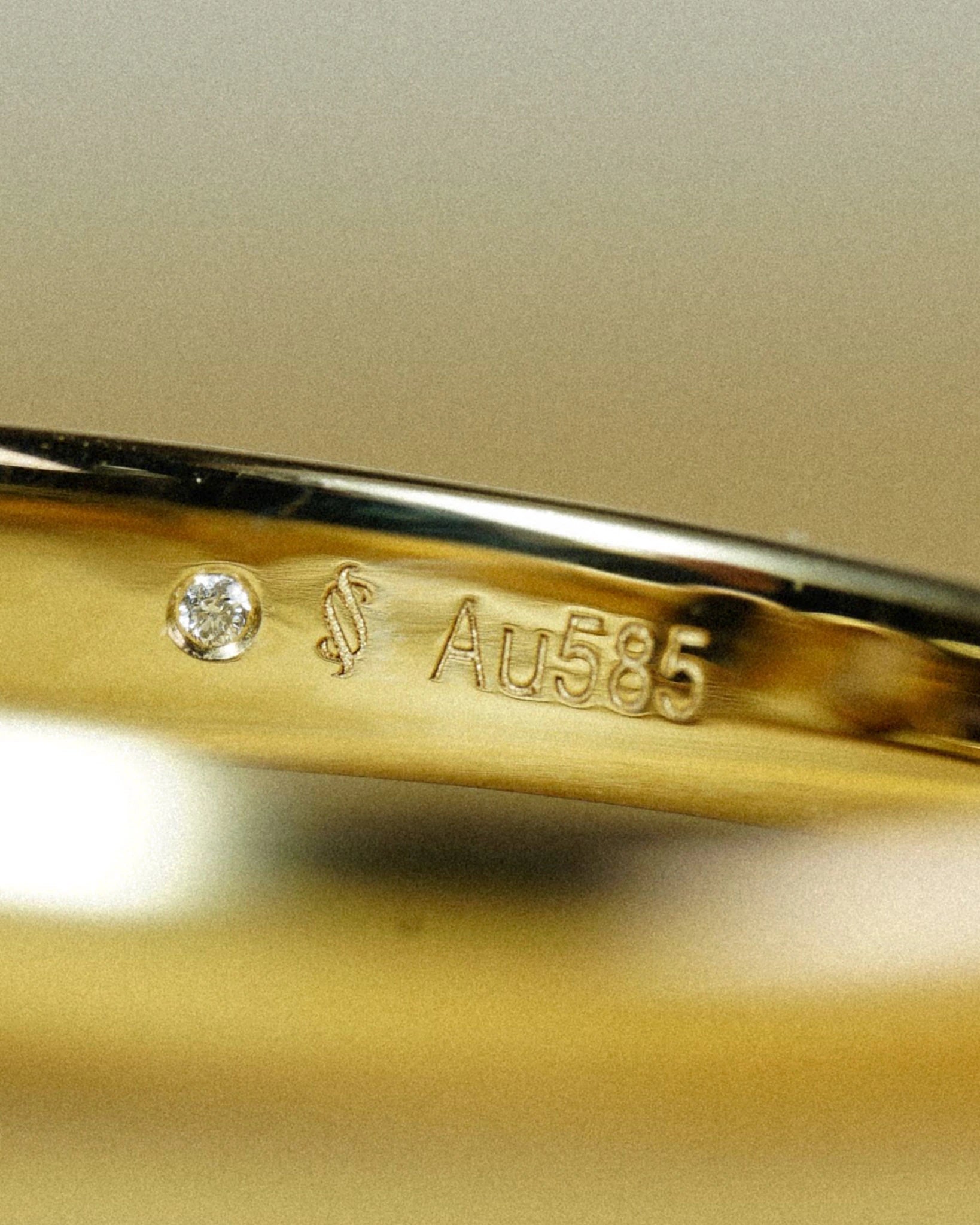
Mother of Pearl gives the ring its pale, shifting moonlit quality. Black Agate brings in the depth of the night sky. Set in 14K solid gold, the contrast feels simple but meaningful: light against dark, moon against night.
The crescent curve does not need to explain too much. It gives the ring its shape, its softness, and its connection to the poem’s central wish.
Not to own the whole sky.
Just to keep a small part of it close.

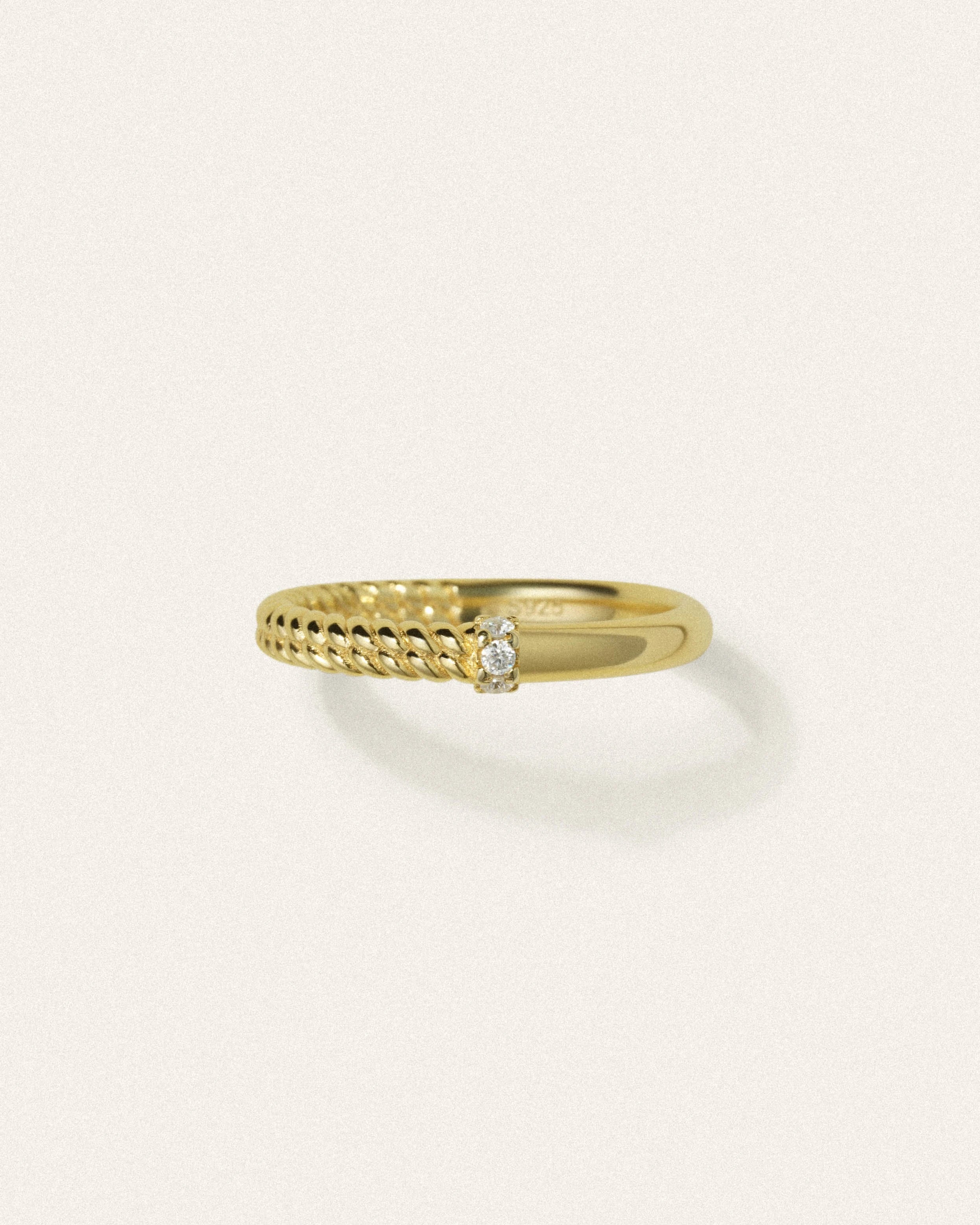
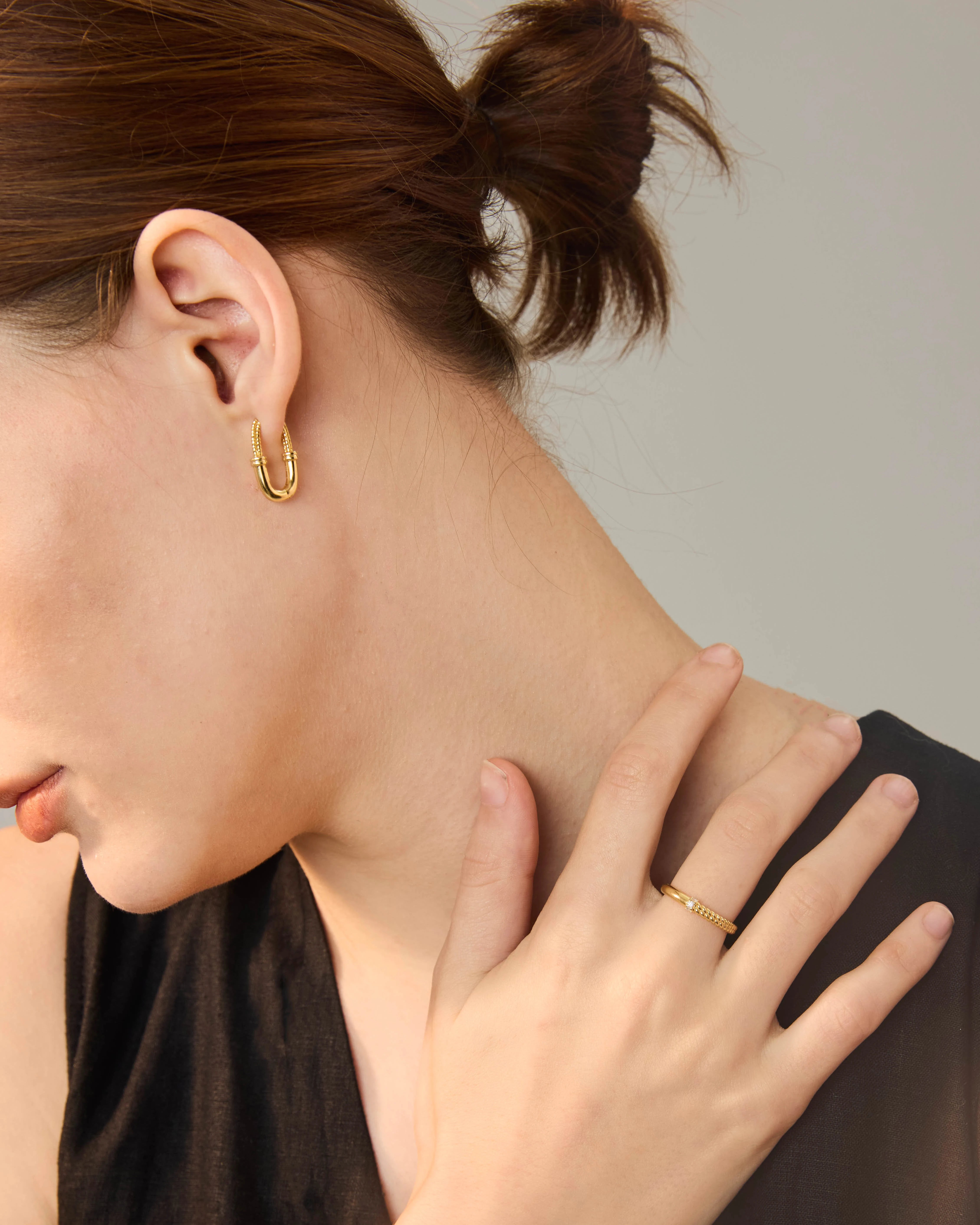
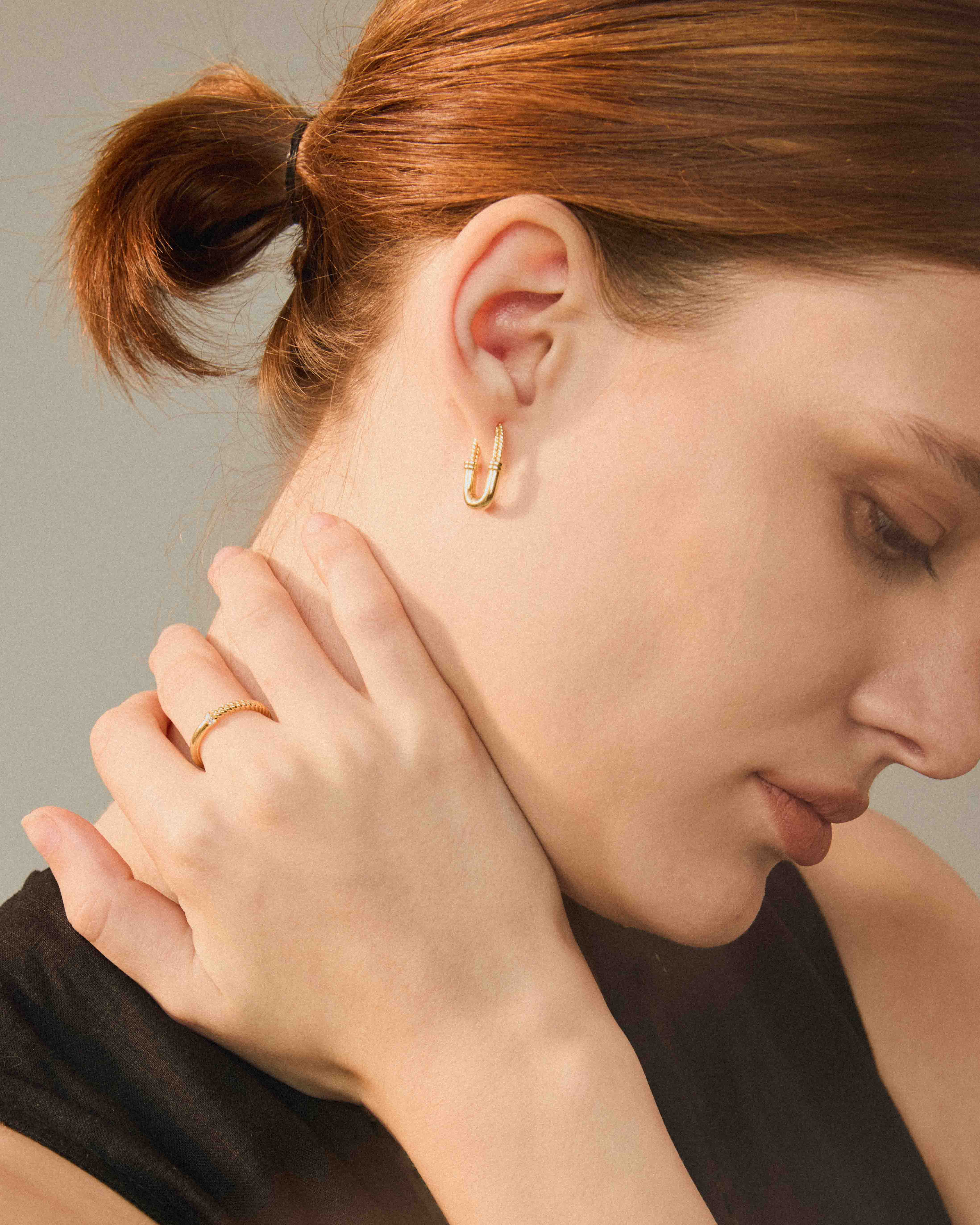
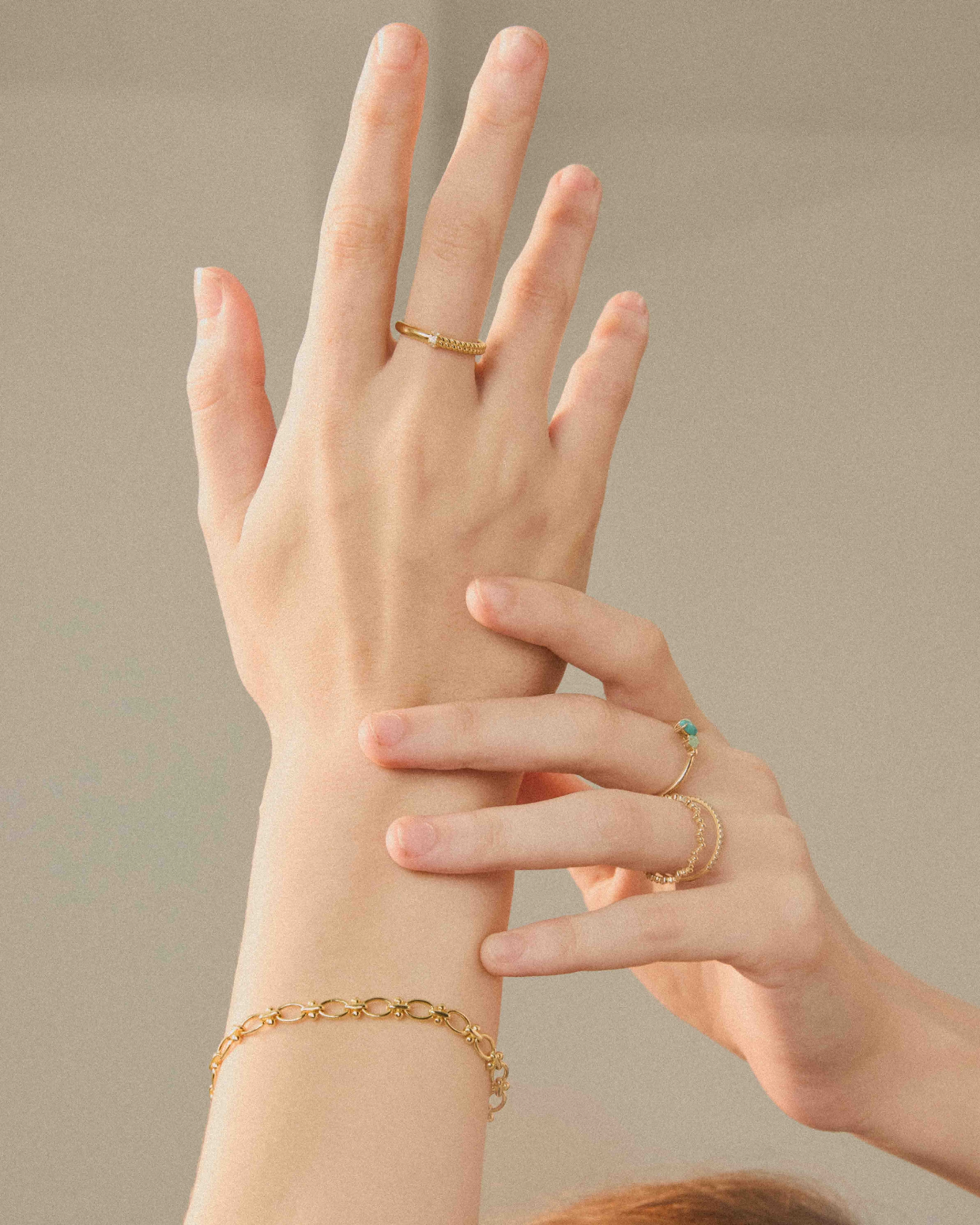
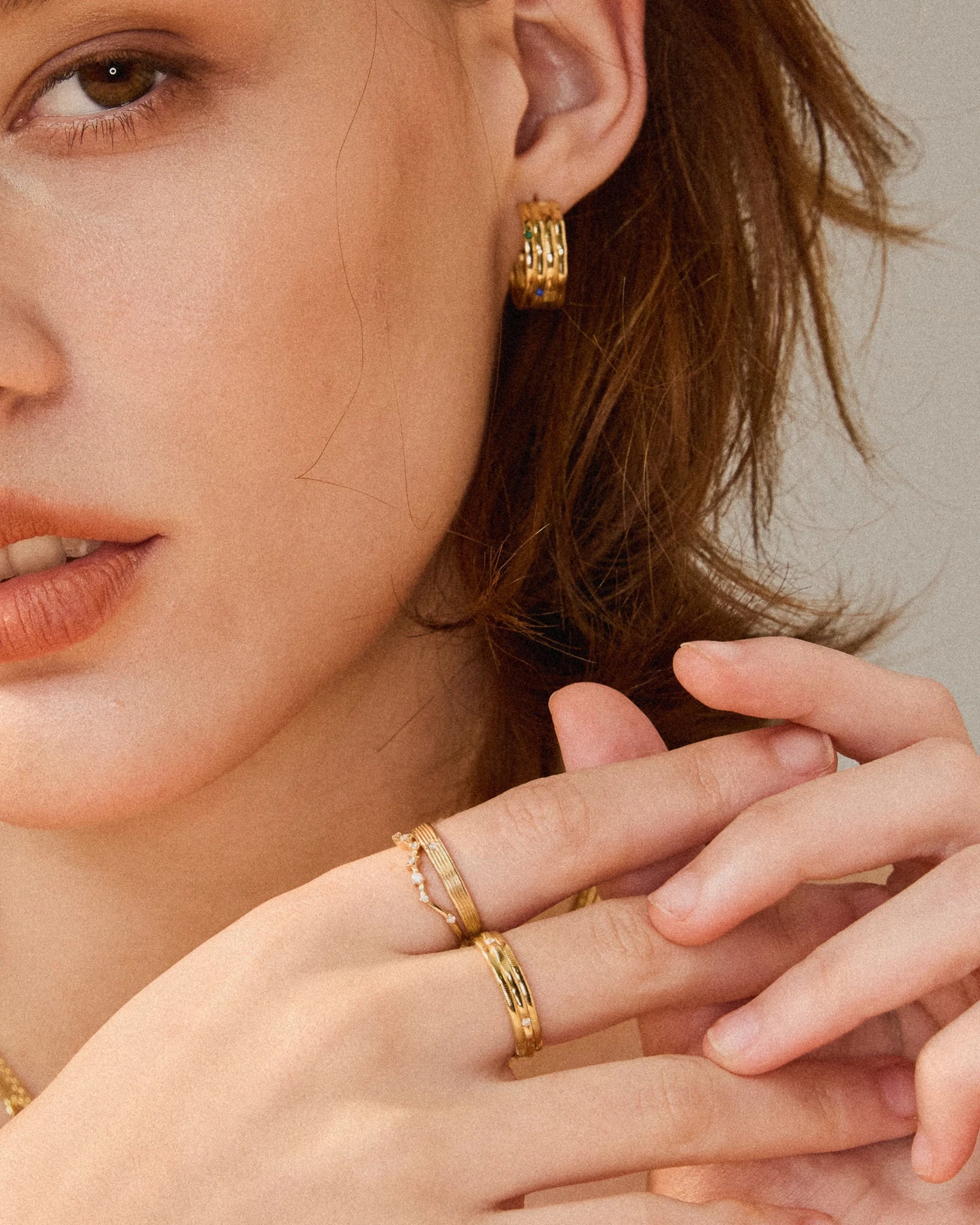
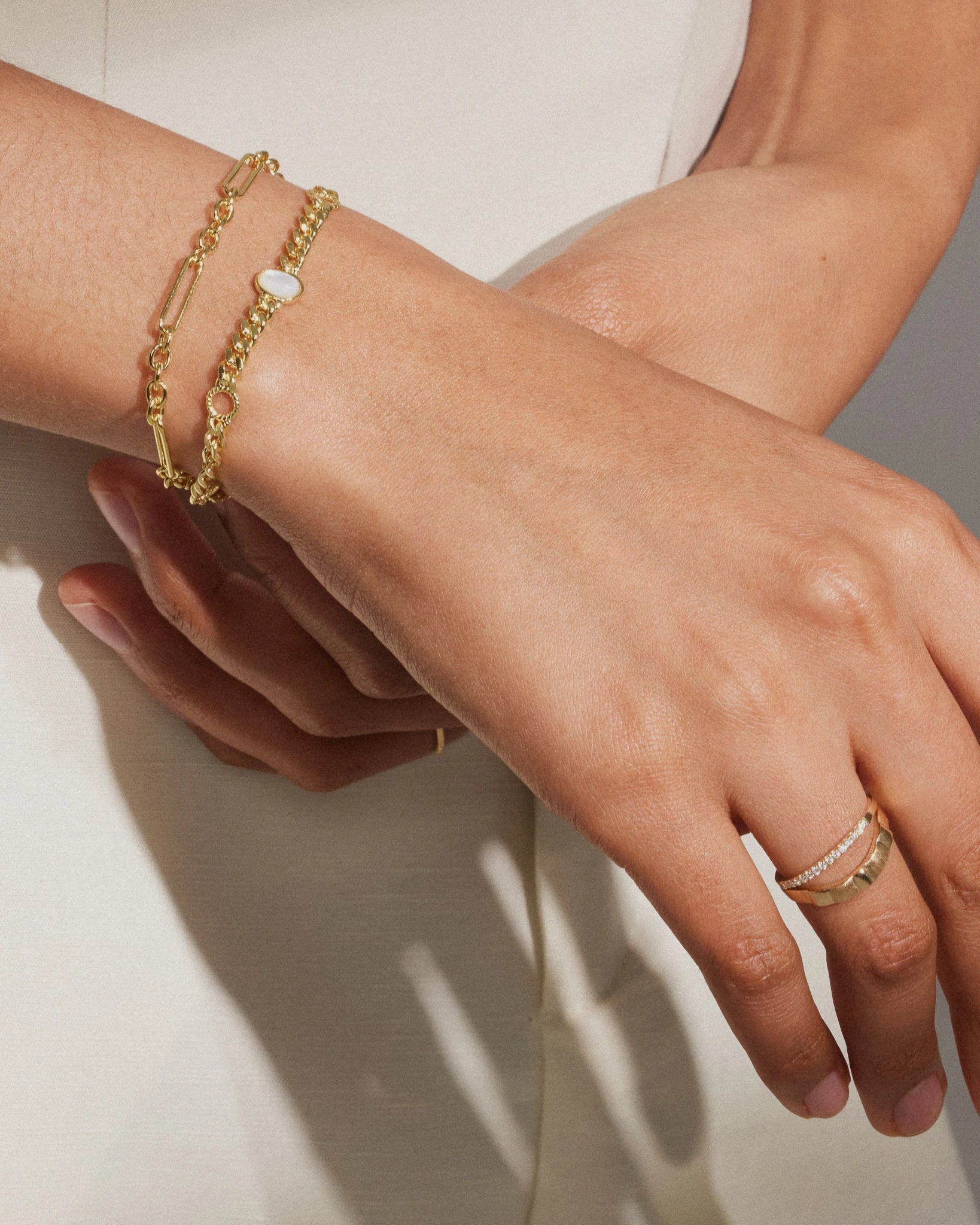
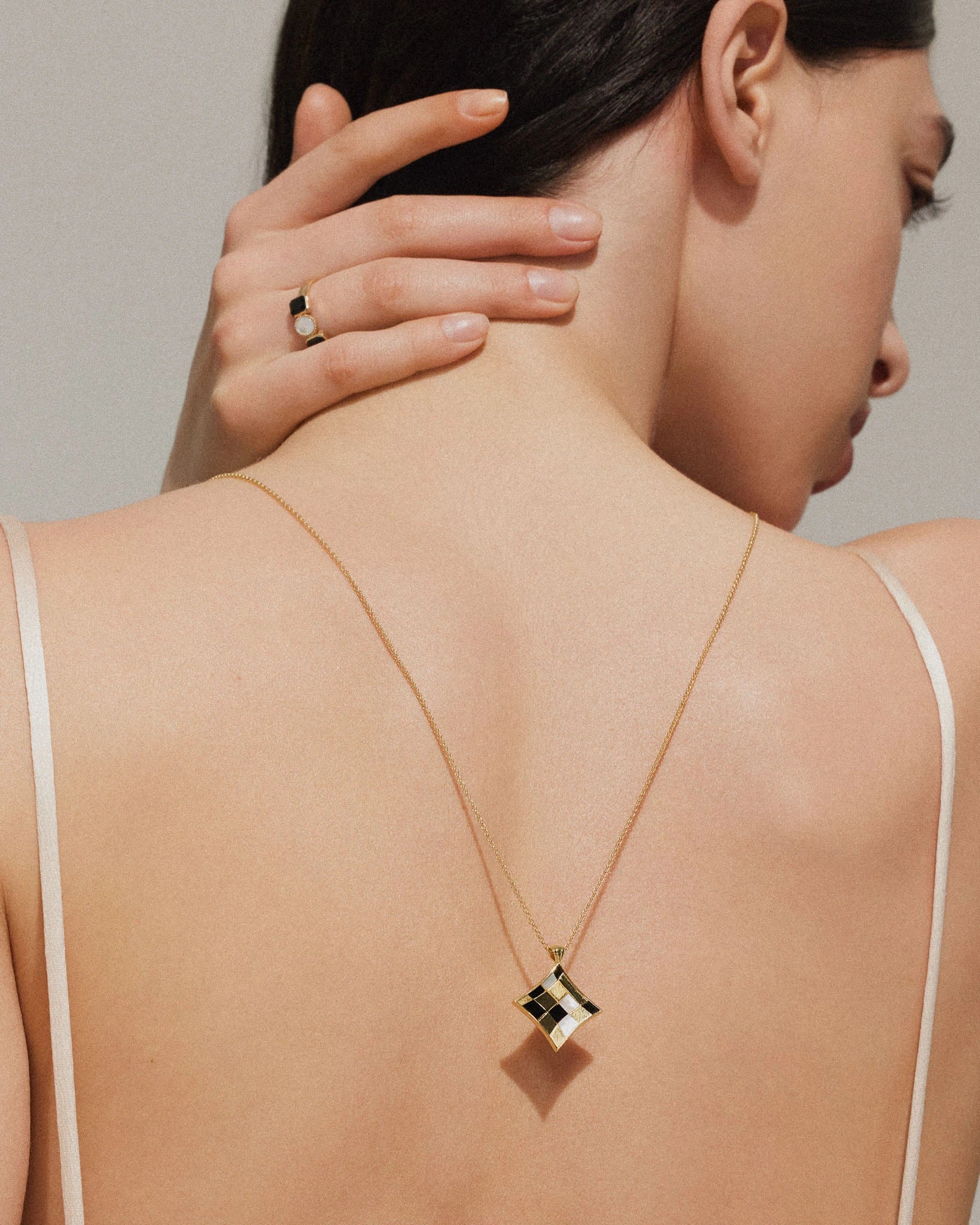
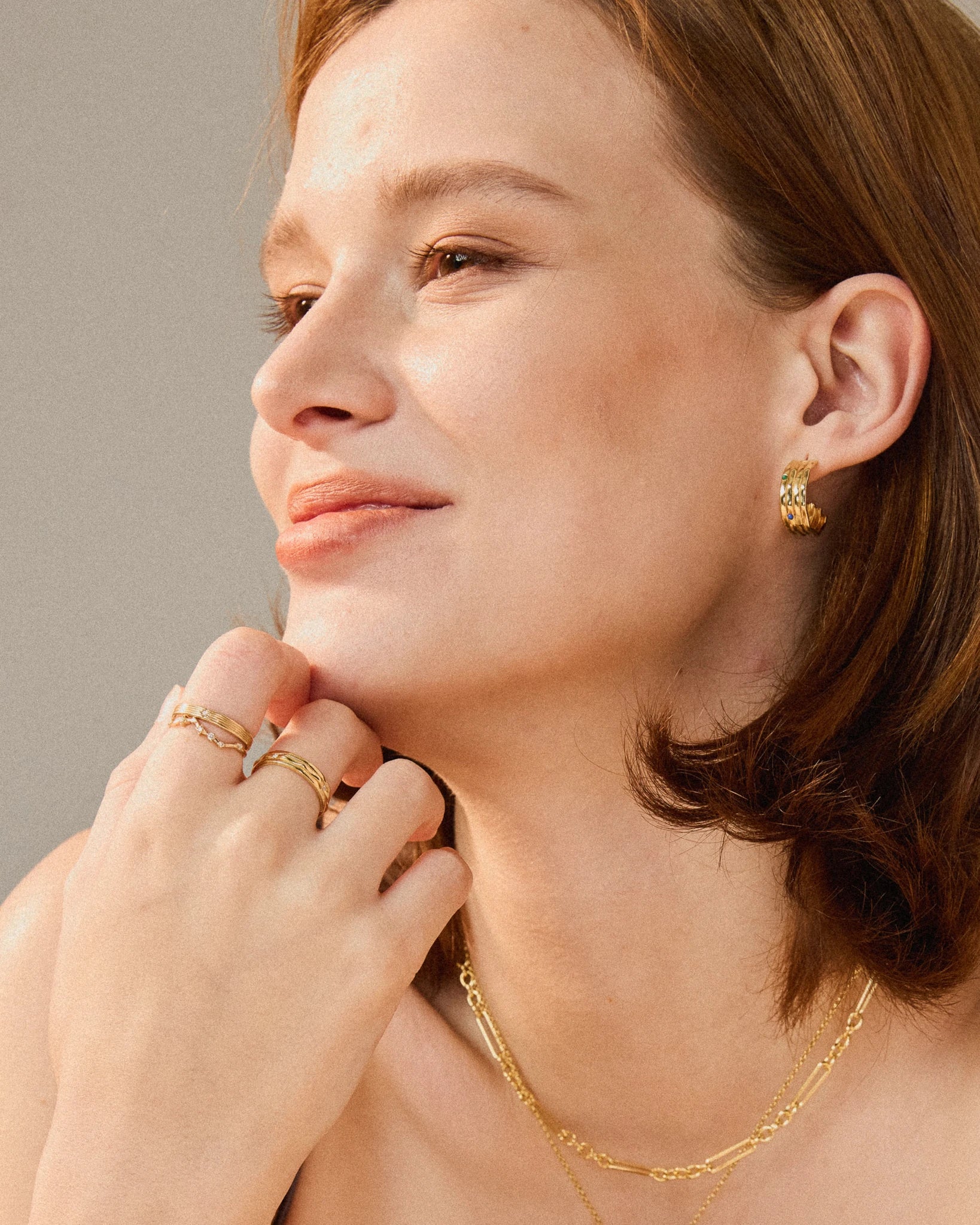
Moon Crest Ring | Golden Crest Ring | Colossus Earrings
One Last Thought
In the final lines, the child calls out to the moon: “Just a little nearer.”
That may be the most important line in the poem.
He is not asking for something grand. He is asking for closeness.
That is why the poem still feels tender, and why the crescent moon remains such a lasting shape in jewelry. It holds the feeling of something distant becoming personal, even for a moment.


ABOUT | ANTHOLOGY
A pocket library of feelings. Each installment gathers a handful of time-traveled poems around one theme—love, seasons, courage, the night—plus quick notes on why they still hum. Think of it as a mixtape of stanzas: brief, beautiful, easy to keep. The way a good line lingers, a good jewel does too; at Stanza we make pieces to hold the poems you live by. Read them, dog-ear them, wear them—then add your own line to the story.