
On “The Arrow and the Song” by Henry Wadsworth Longfellow
Some poems feel almost too simple at first.
You read them once and think, okay, I understand this.
Then something happens in your own life, someone remembers something you said years ago, wears something you gave them, brings up a moment you had forgotten, and suddenly the poem has teeth.
Henry Wadsworth Longfellow’s “The Arrow and the Song” is one of those poems.
It is short. An arrow is shot into the air. A song is breathed into the air. Both disappear.
Then, much later, both are found again.
That is the whole poem.
And somehow, it becomes about all the things we send into the world without knowing who will keep them.

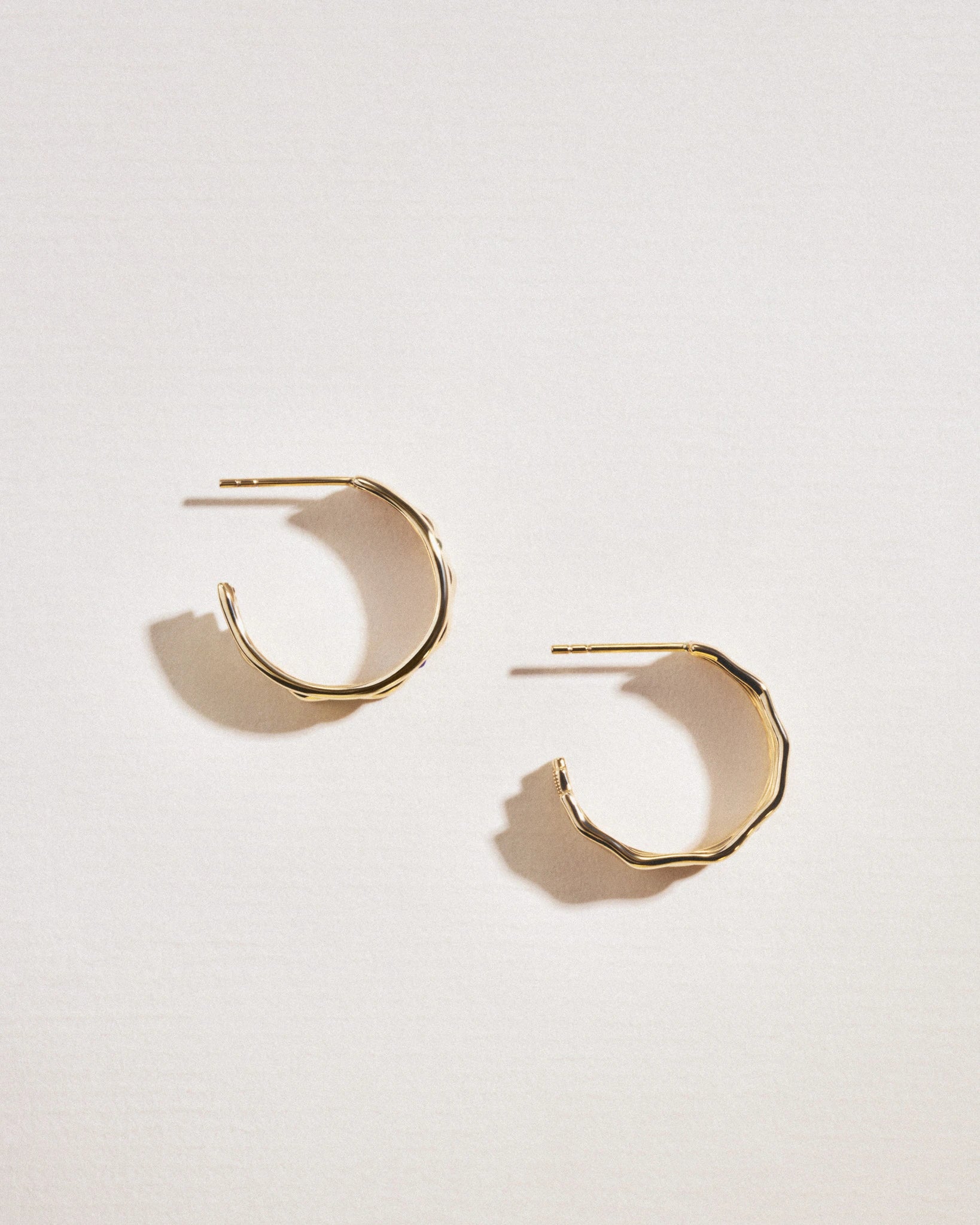
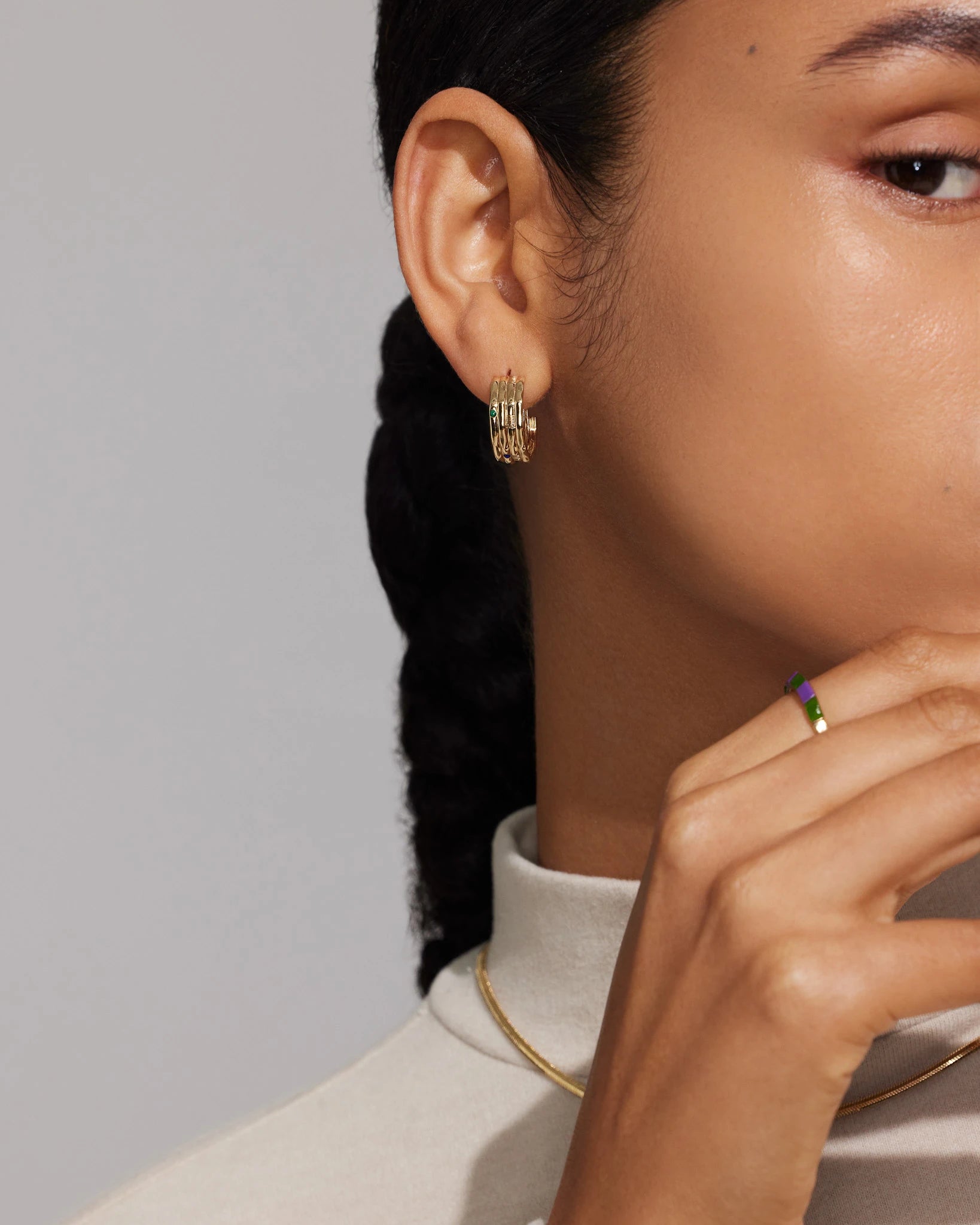
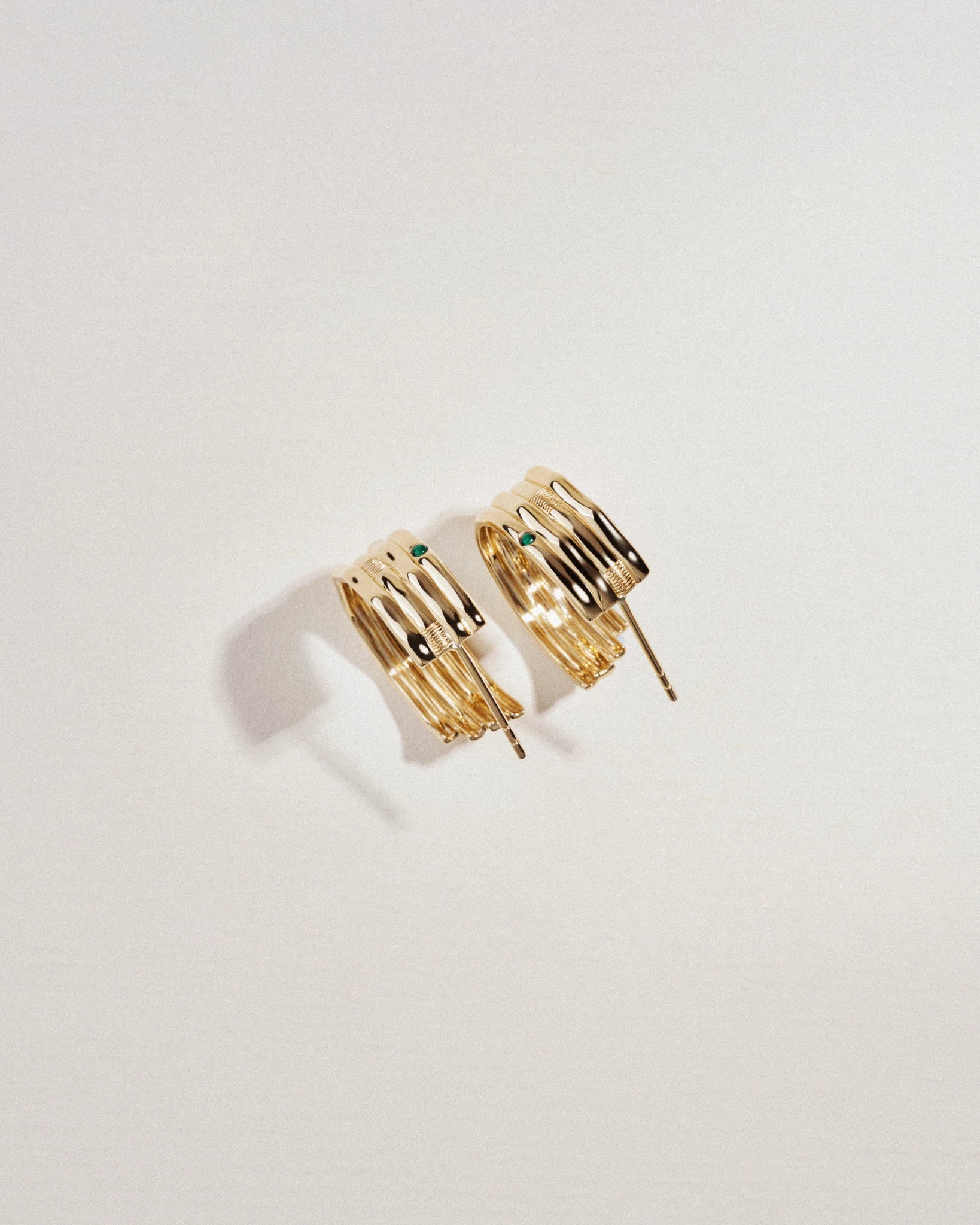
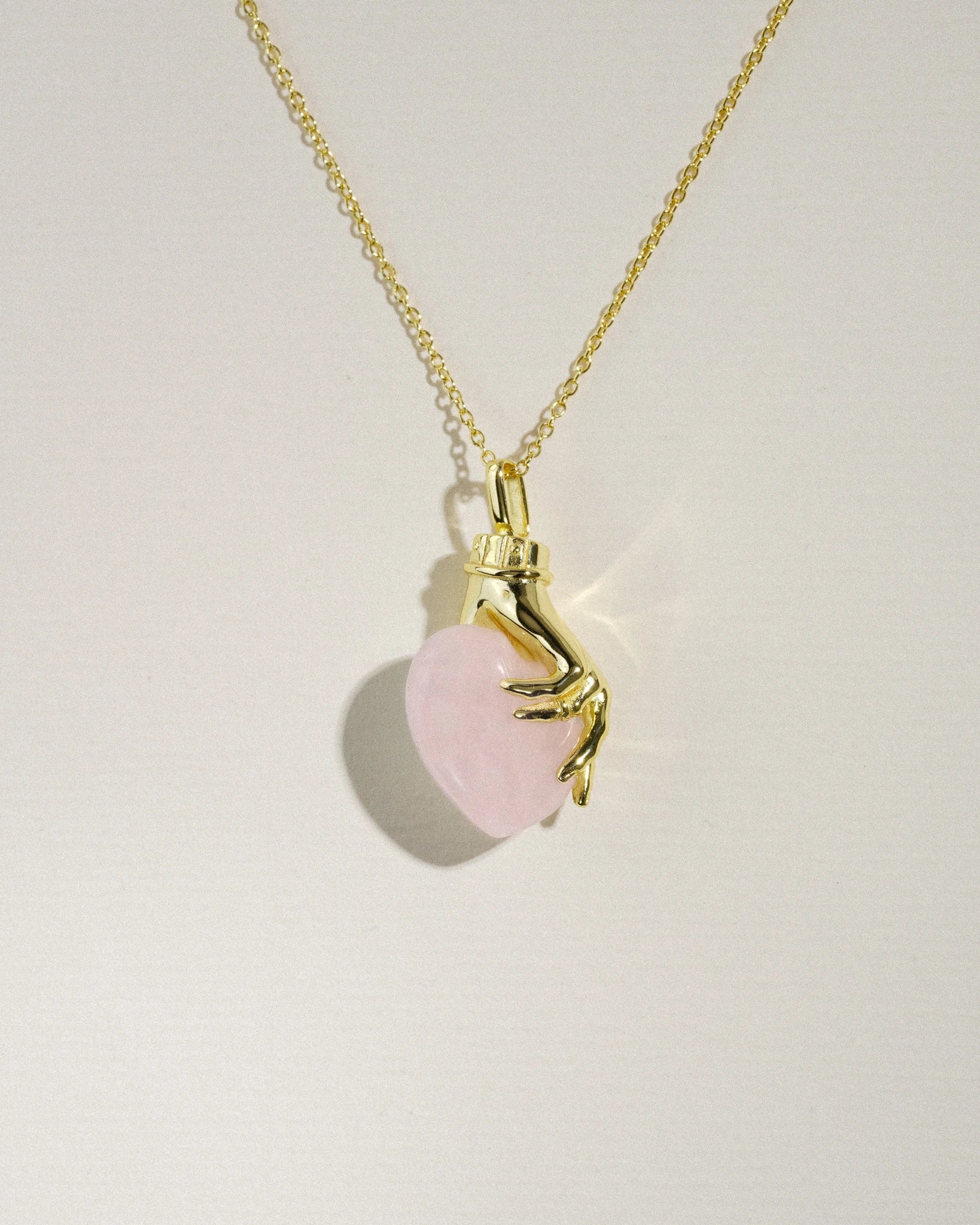
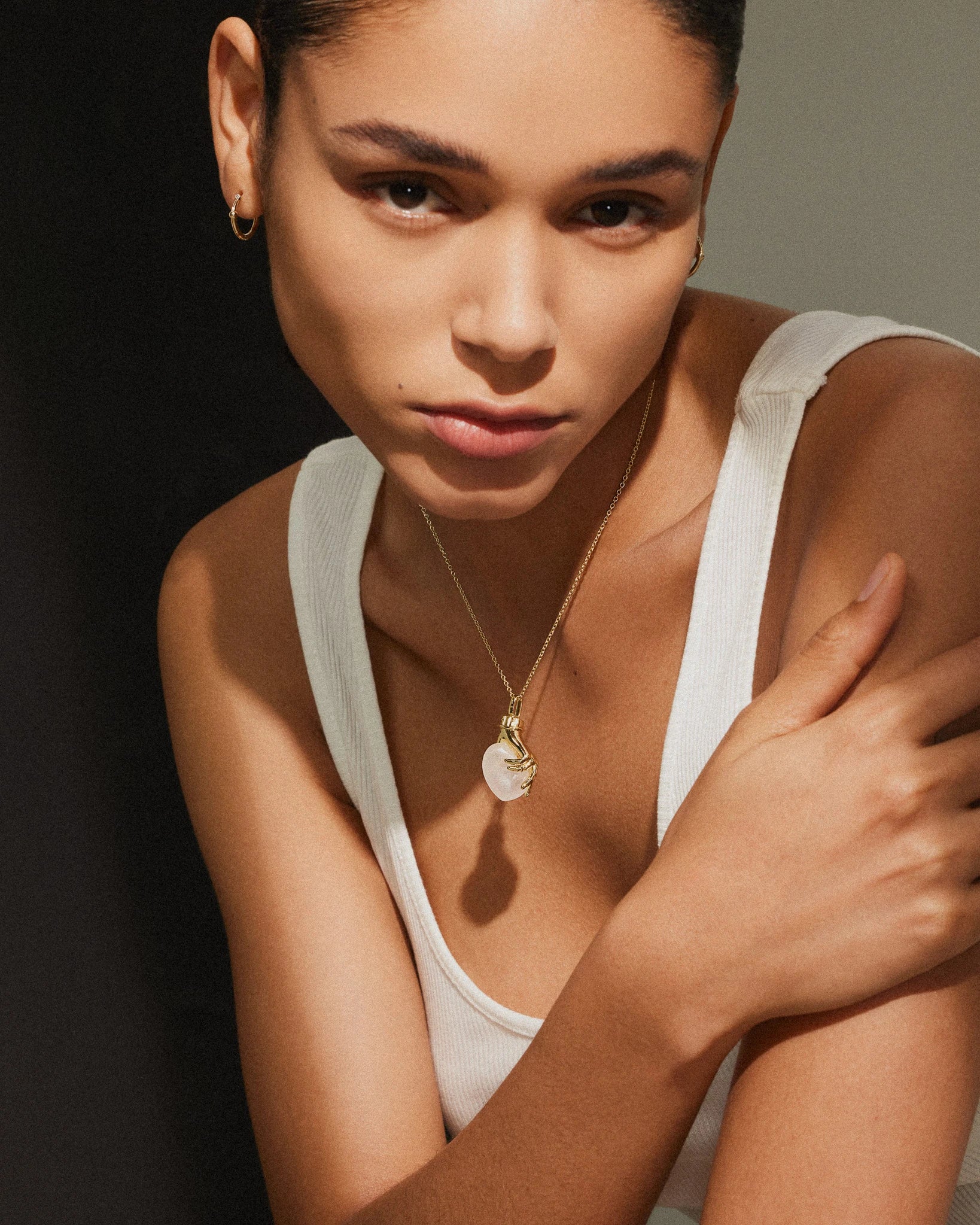
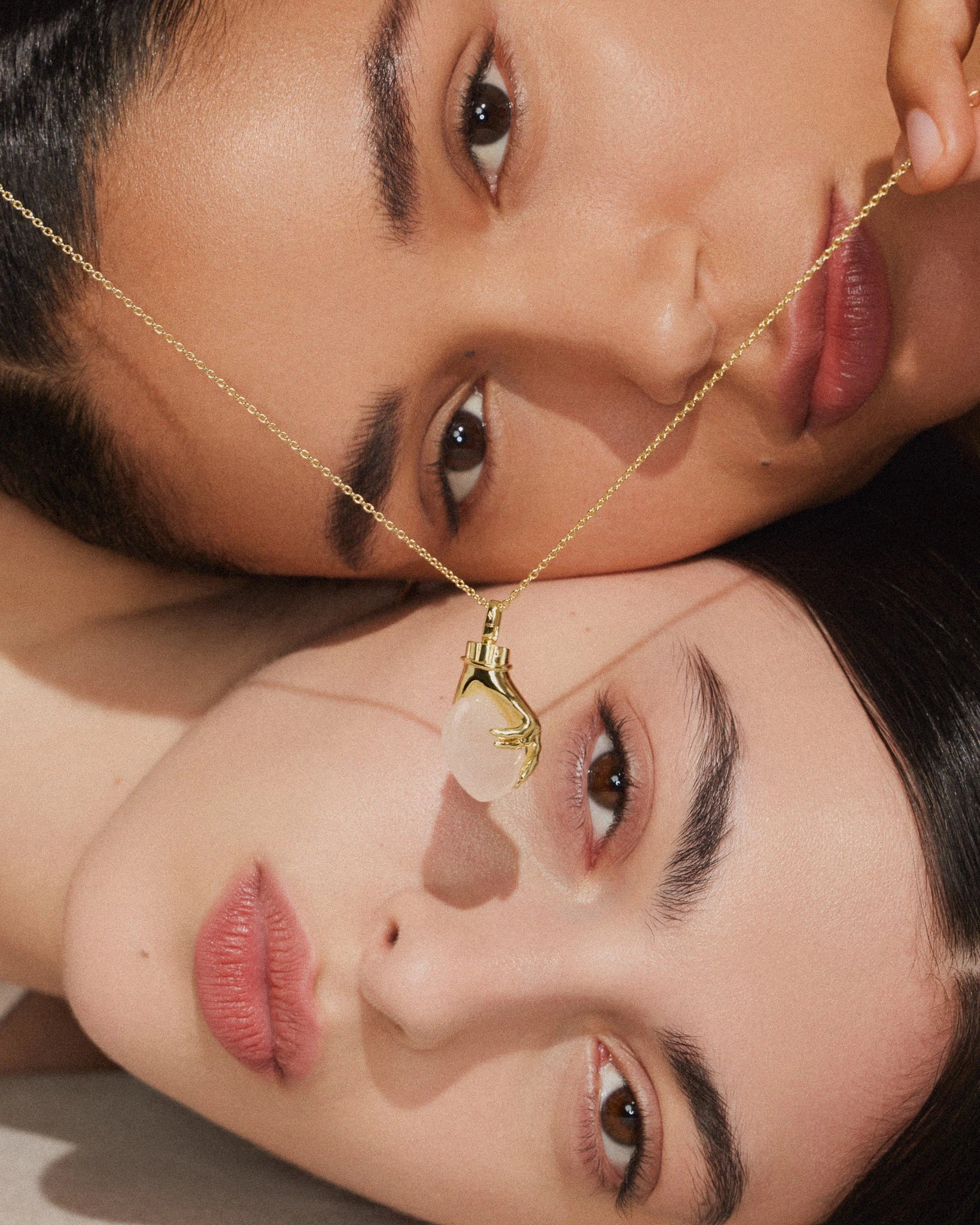
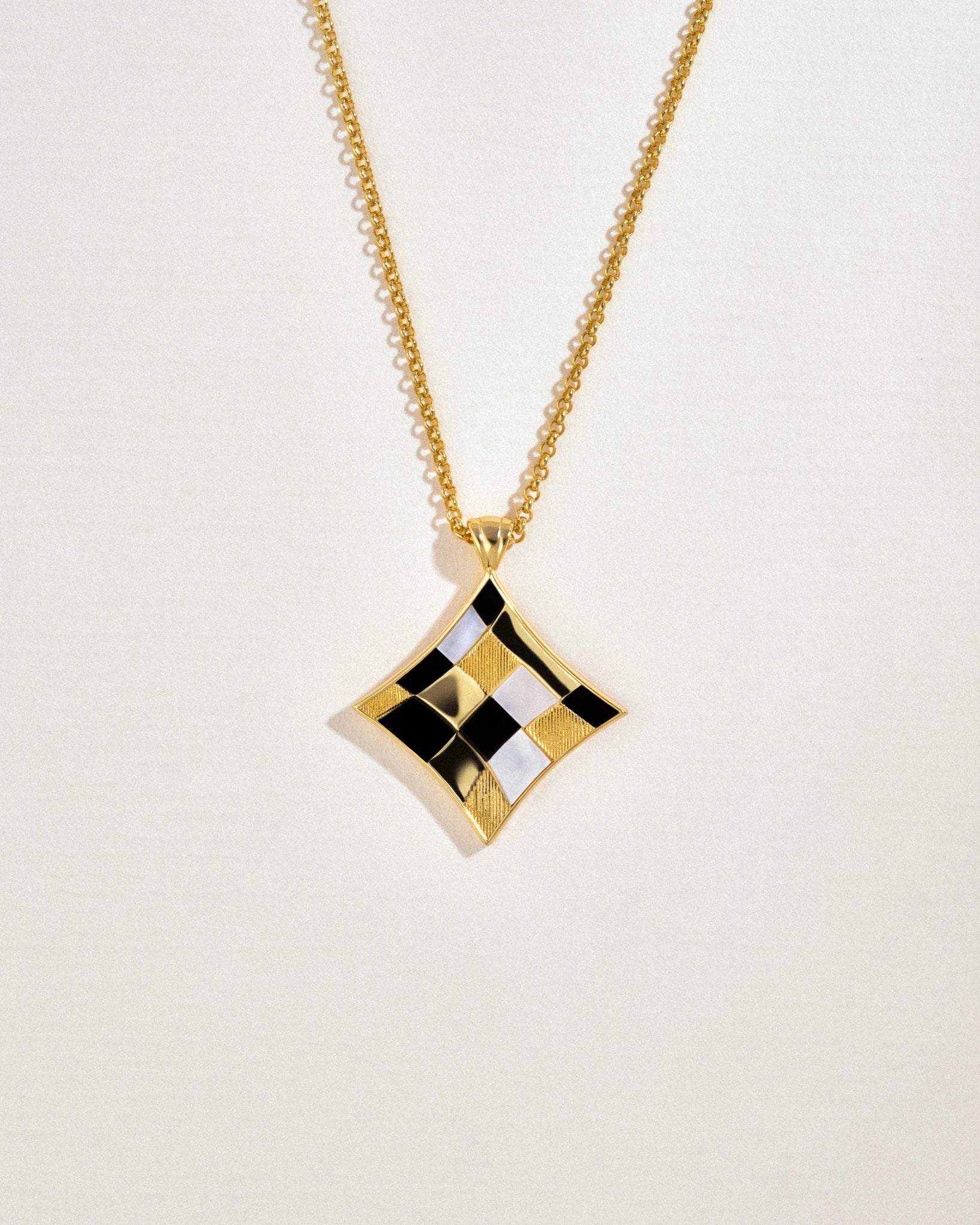
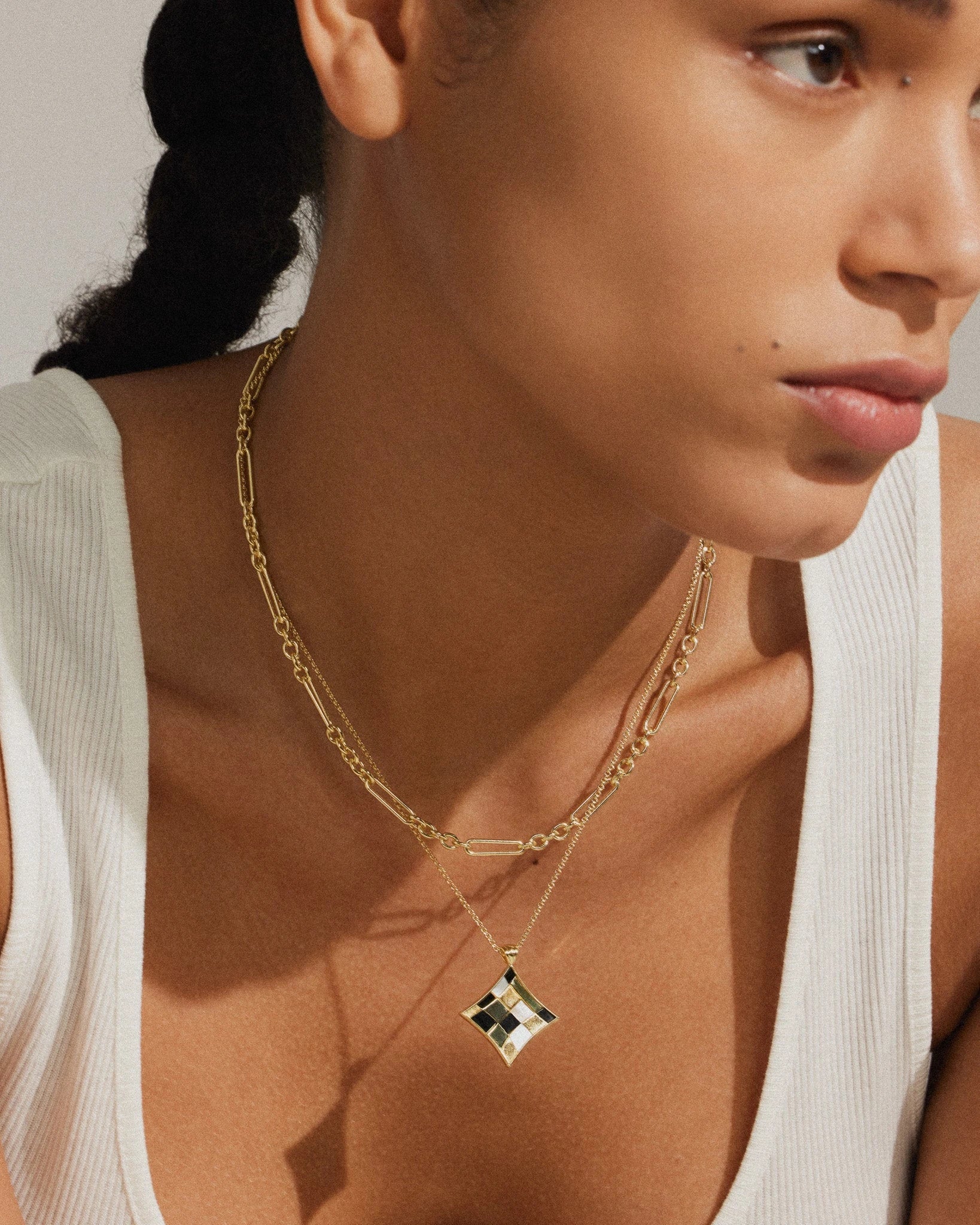
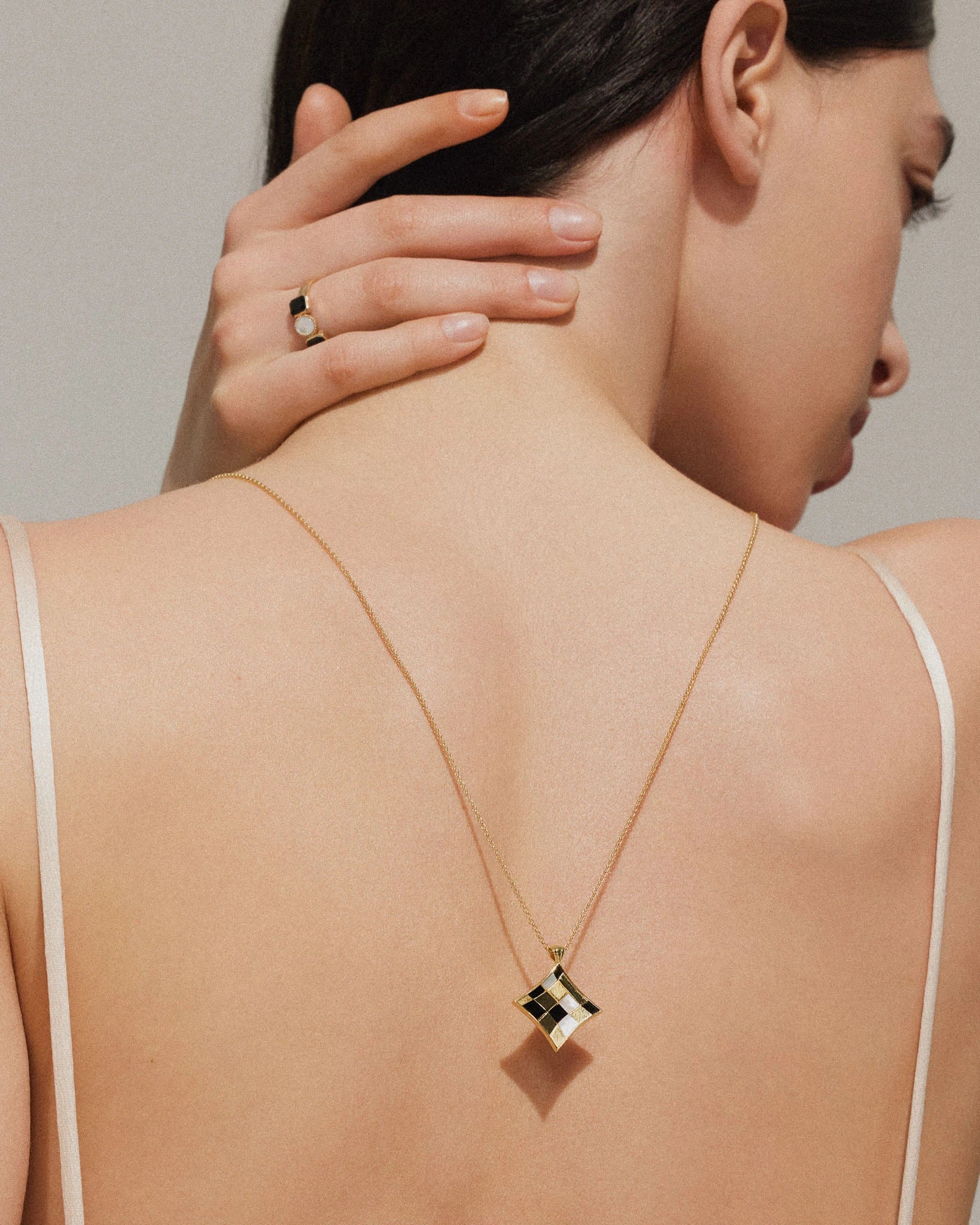
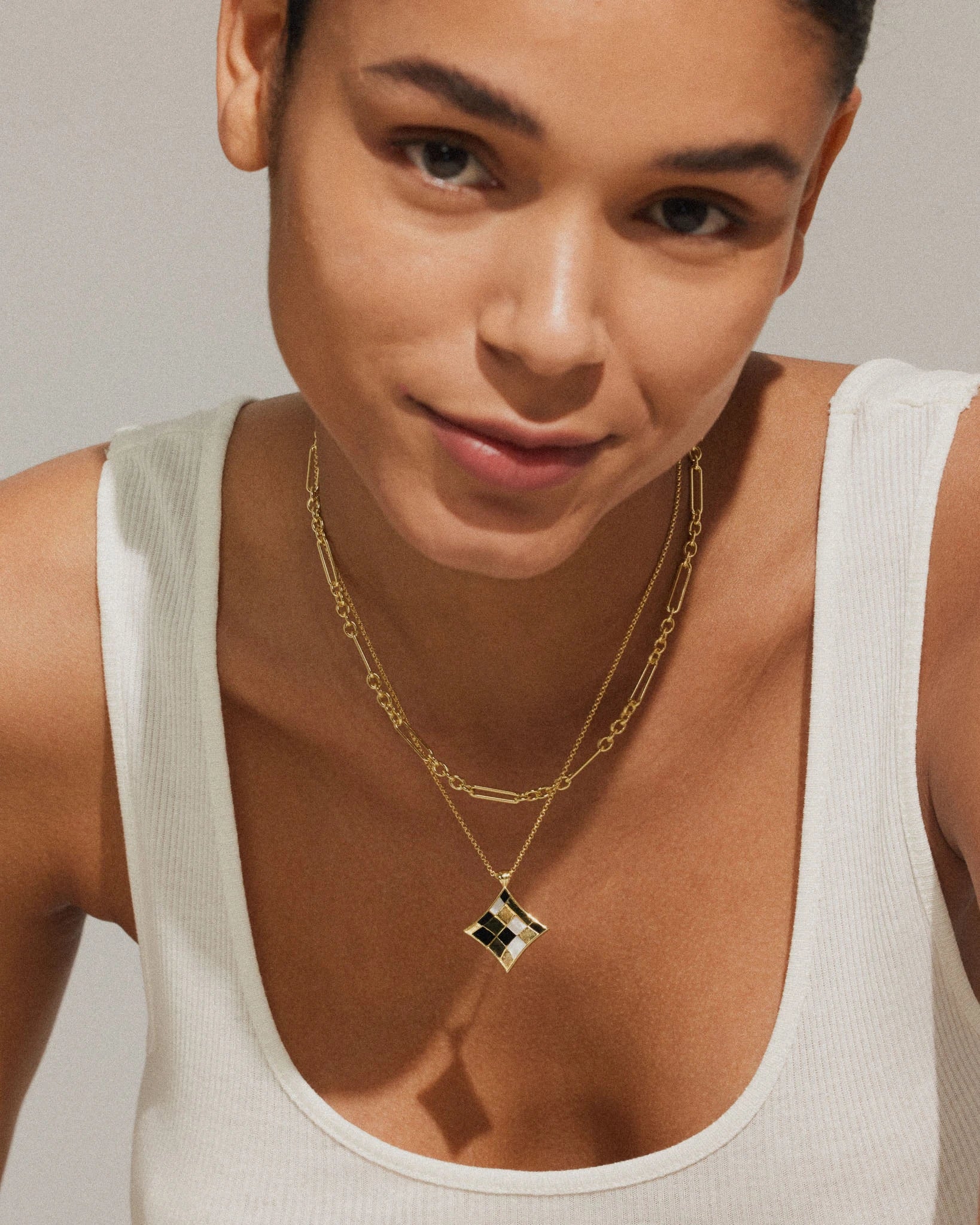
Gilded Link Necklace | Glint Necklace
The Poem
The Arrow and the Song By Henry Wadsworth LongfellowI shot an arrow into the air,It fell to earth, I knew not where;For, so swiftly it flew, the sightCould not follow it in its flight.I breathed a song into the air,It fell to earth, I knew not where;For who has sight so keen and strong,That it can follow the flight of song?Long, long afterward, in an oakI found the arrow, still unbroke;And the song, from beginning to end,I found again in the heart of a friend.

The Arrow Leaves First
The poem begins with something physical.
An arrow. A clean line. A direction. You can imagine the pull, the release, the quick movement through the air.
But the speaker loses sight of it almost immediately.
That feels familiar.
We do this all the time, even when we are not holding arrows. We send a message. We make a decision. We give someone advice. We say something too quickly, or too honestly, or not honestly enough.
Then it leaves us.
We don’t always get to know where it lands.
The arrow is the part of life we think we can aim. The plan. The gesture. The thing we meant to do.
But even aimed things can disappear from view.

Then Comes the Song
The second image feels softer.
That word, breathed, changes everything.
A song is not forced out. It is released. It comes from the body and leaves before you can hold onto it.
I think that is why this part of the poem feels closer. A song is more like the things we give without realizing we are giving them: the way we speak to someone, the encouragement we barely remember offering, the small kindness that did not feel important at the time.
Those things are hard to track.
You can’t follow their path. You can’t measure their effect. You don’t always know who needed them.
And maybe that is what makes them matter.

What Someone Keeps
The last stanza is the reason the poem stays with me.
Long afterward, the arrow is found in an oak, still unbroken.
But the song is found somewhere else.
That line is so simple it almost walks past you.
But it says something very real: sometimes what we send out comes back as proof that someone kept it.
Not everything important returns as an object.
Sometimes it returns as someone saying,
“I still remember when you told me that.”
Or, “I kept this.”
Or, “I wore it because it reminded me of you.”
Or, “You probably forgot, but that meant a lot.”
That is the kind of return the poem understands.

Why This Feels Like Jewelry
Jewelry has this strange double life.
It is an object, yes. Metal, stone, clasp, chain, weight. You can put it in a box. You can hold it in your palm.
But the reason it matters is rarely only physical.
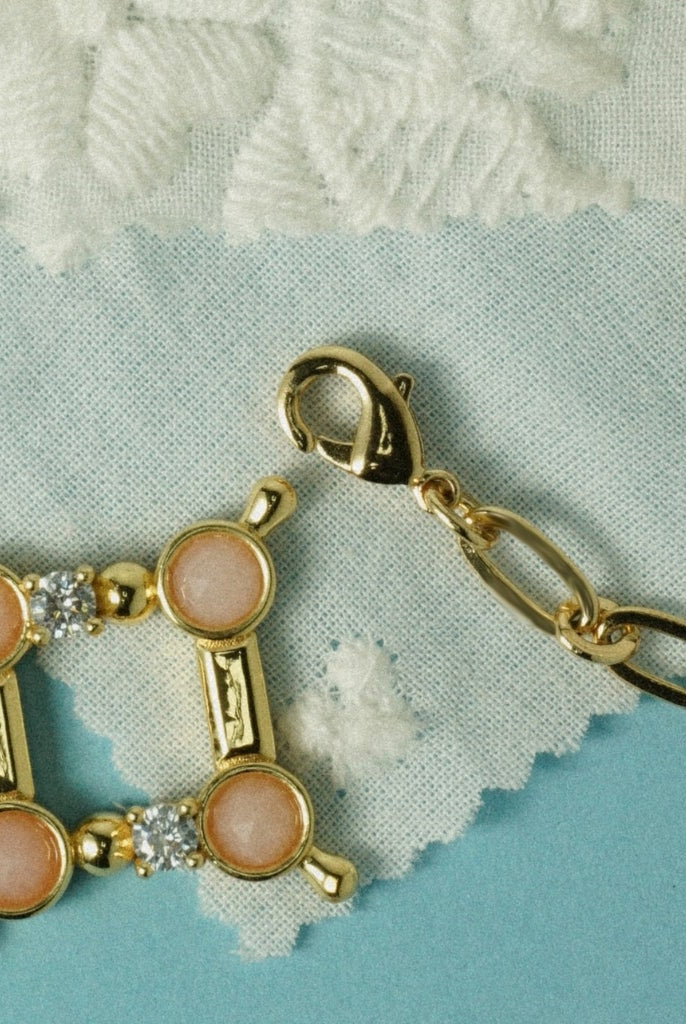
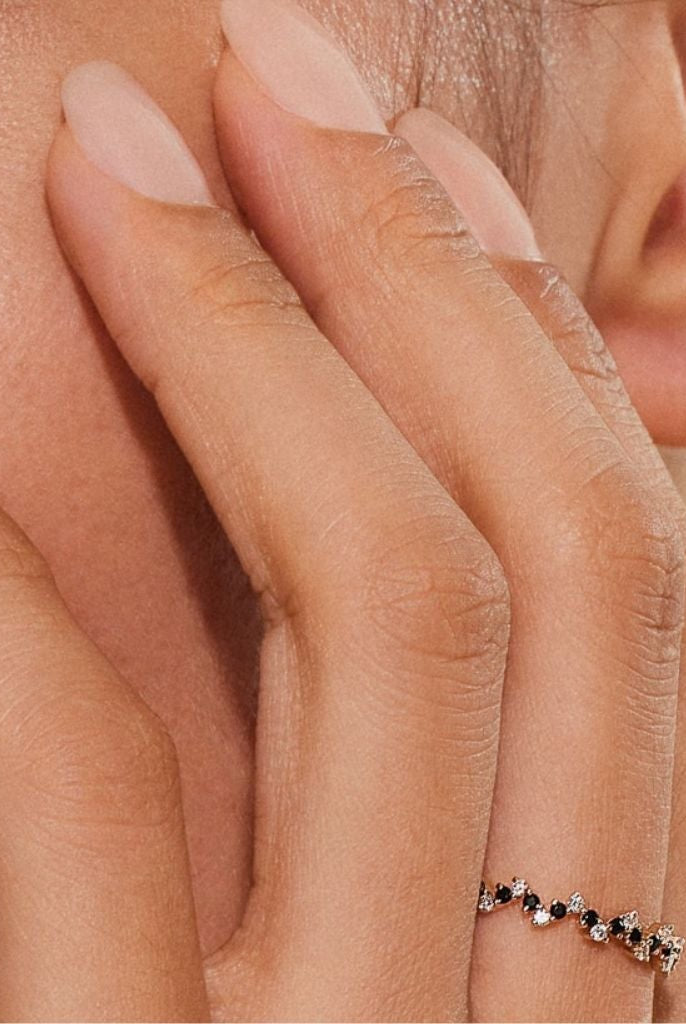
A necklace can be a gift, but also a sentence someone didn’t know how to say. A ring can mark a season you survived. A pendant can become a habit, something you reach for before leaving the house because it makes you feel a little more like yourself.
The piece is visible.
The meaning is not always visible.
That is why jewelry feels so close to Longfellow’s song. Once it is given, worn, or carried, its meaning does not stay exactly where it began. It moves into the person who keeps it.
It becomes part of their memory.

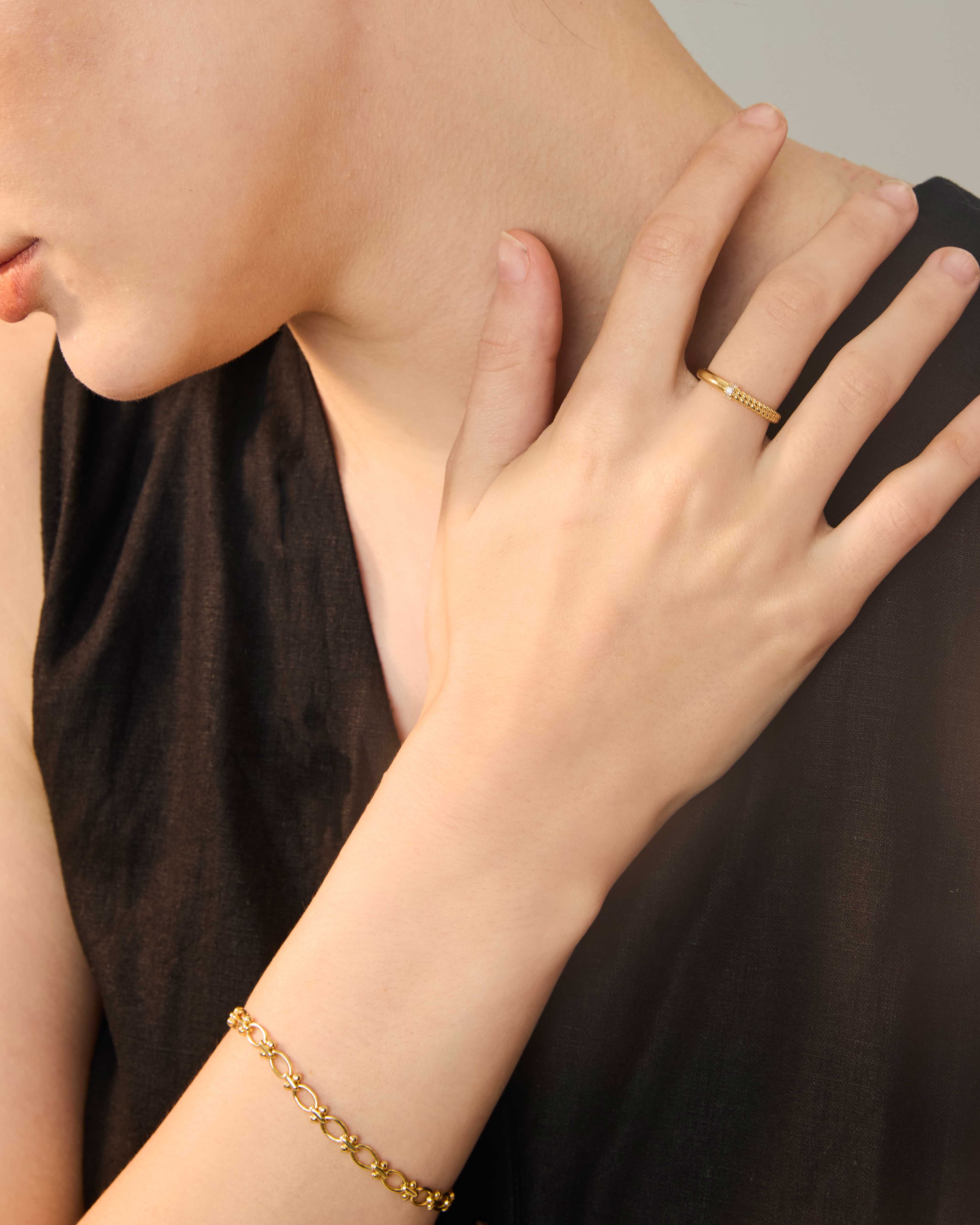
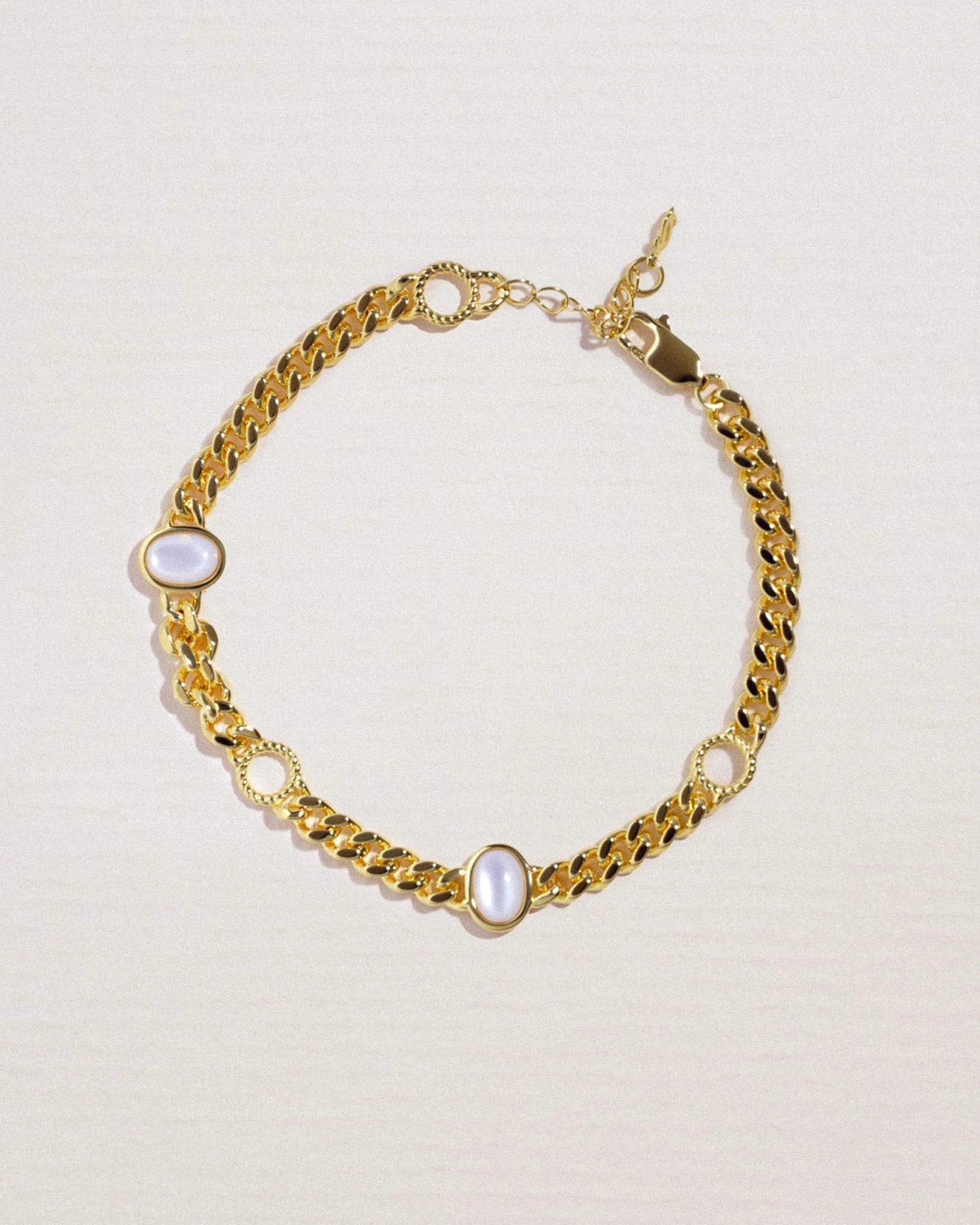
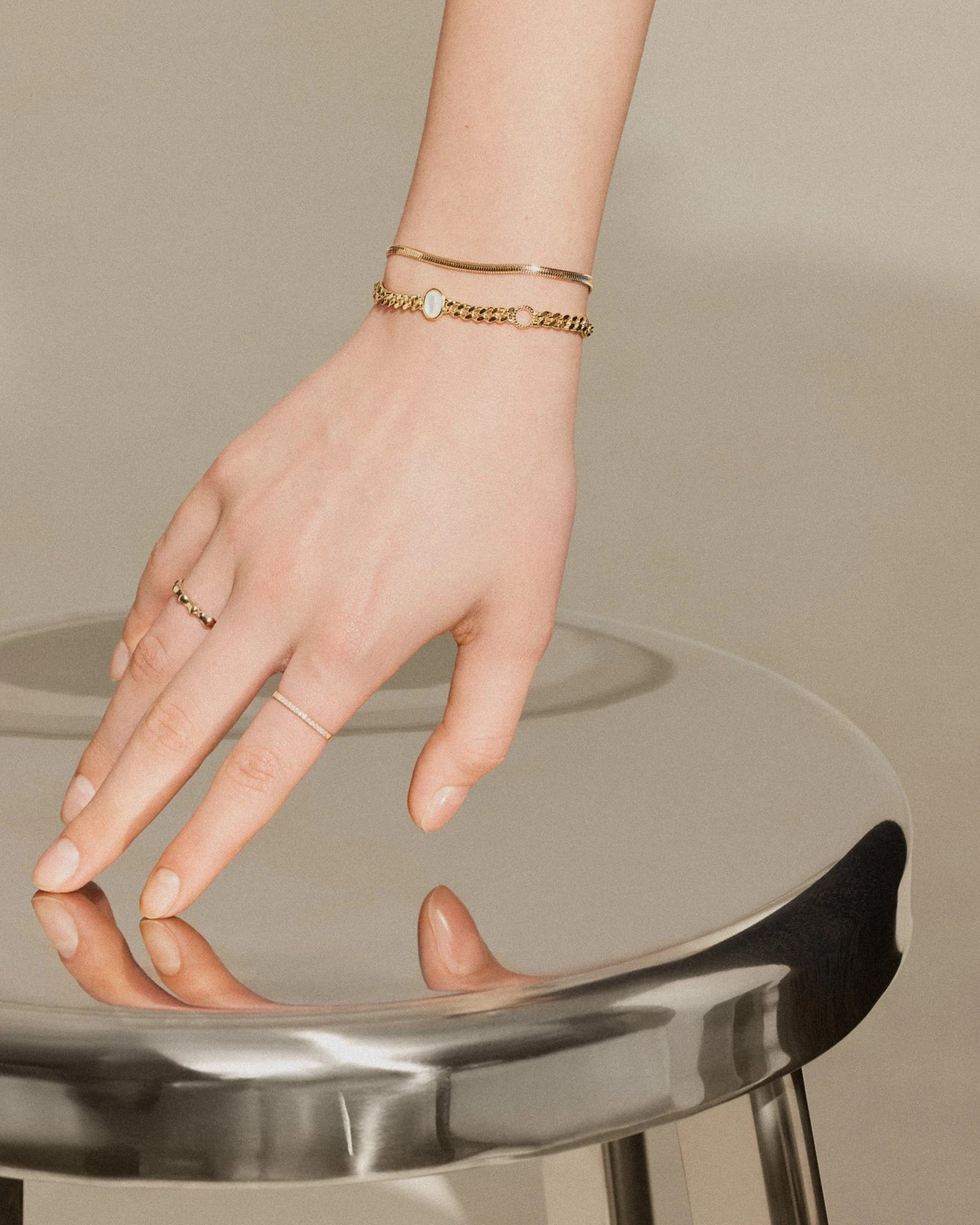
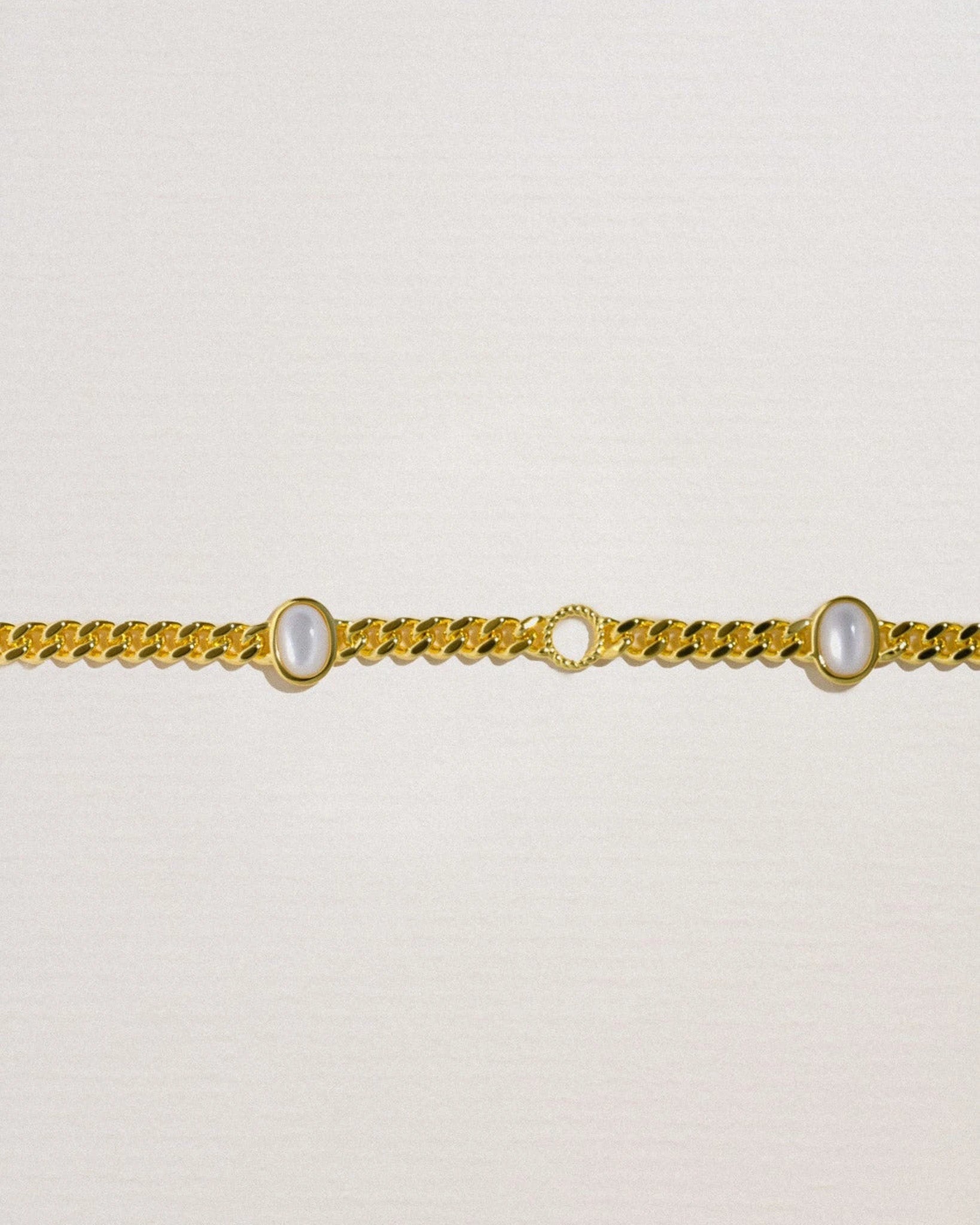
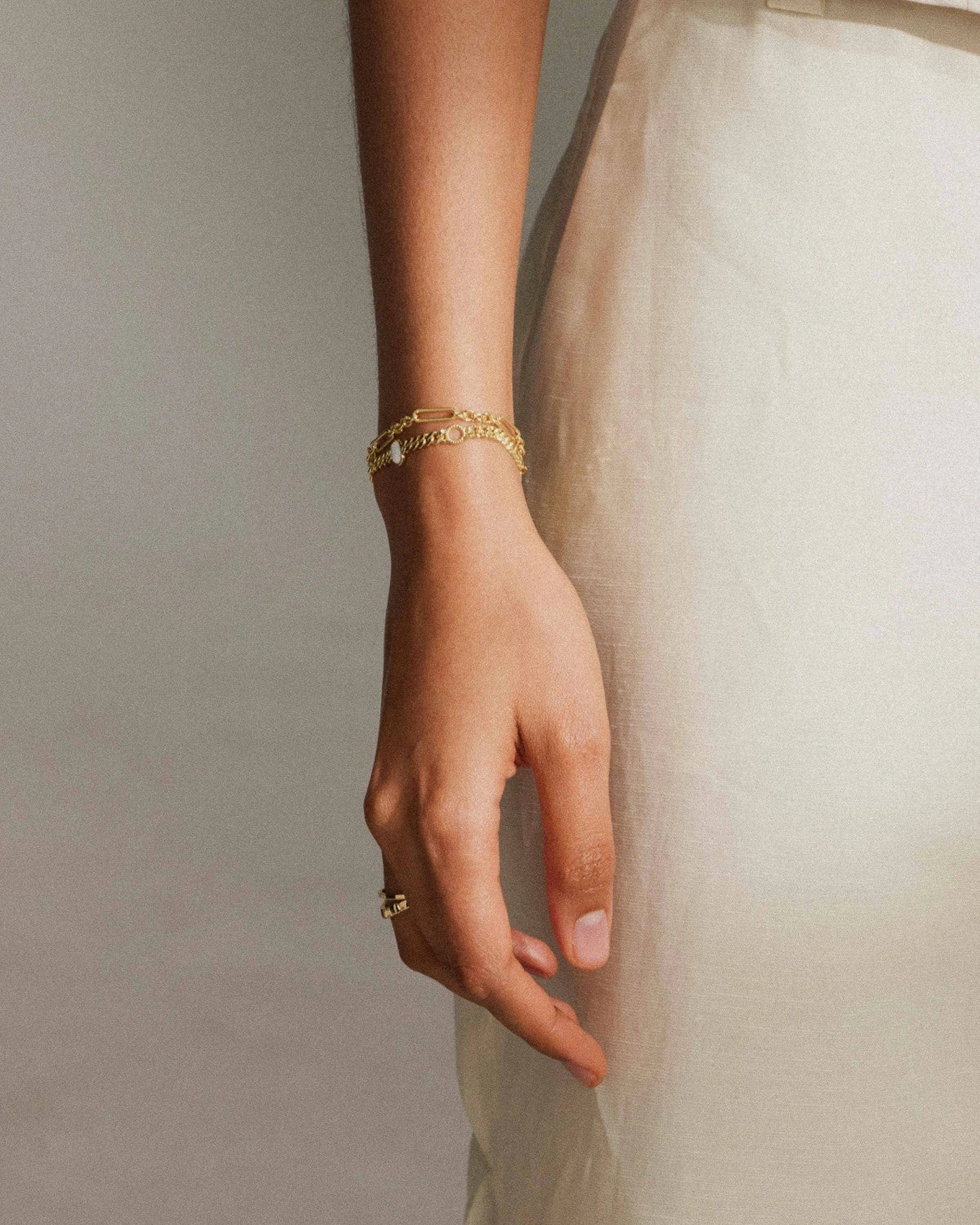
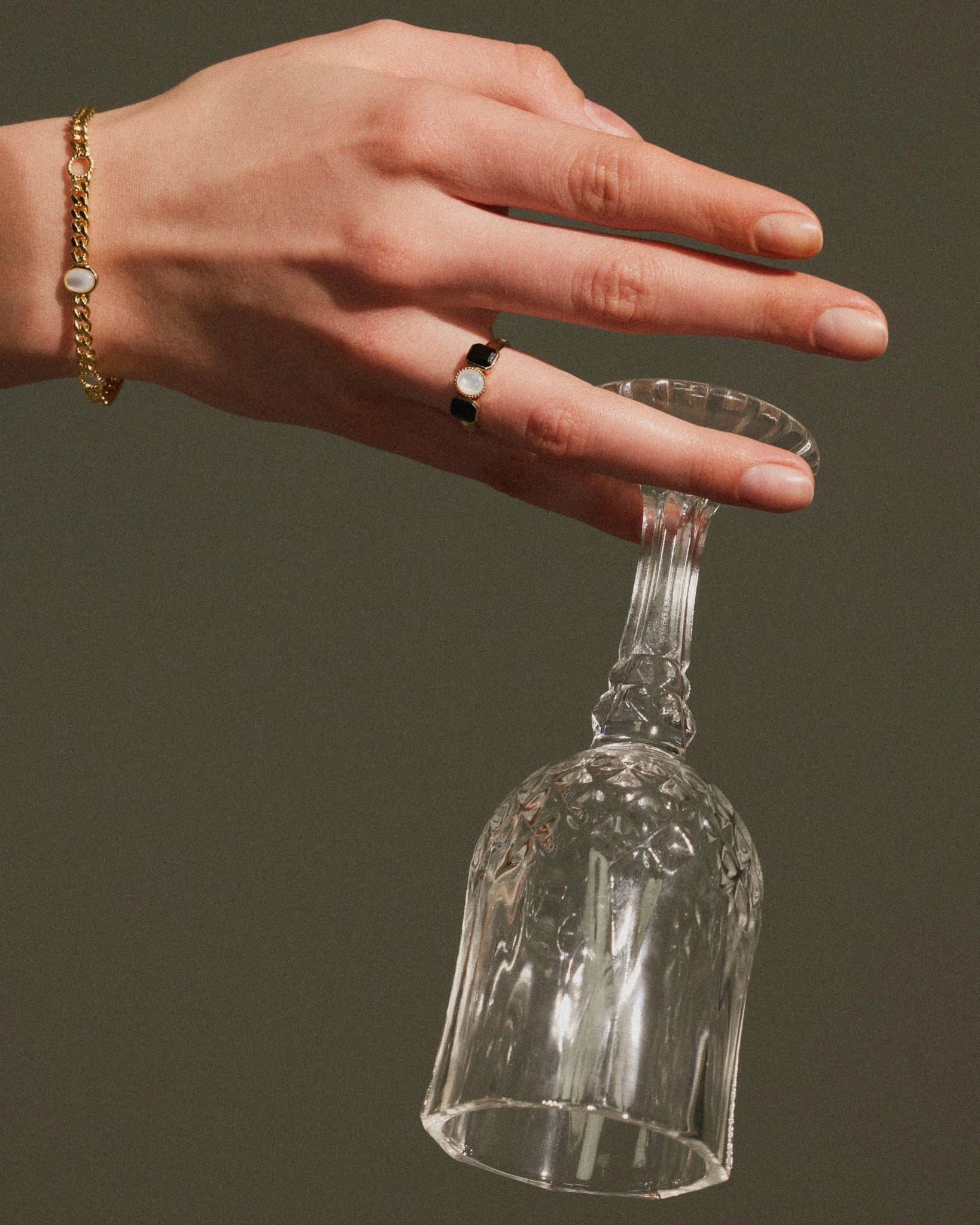
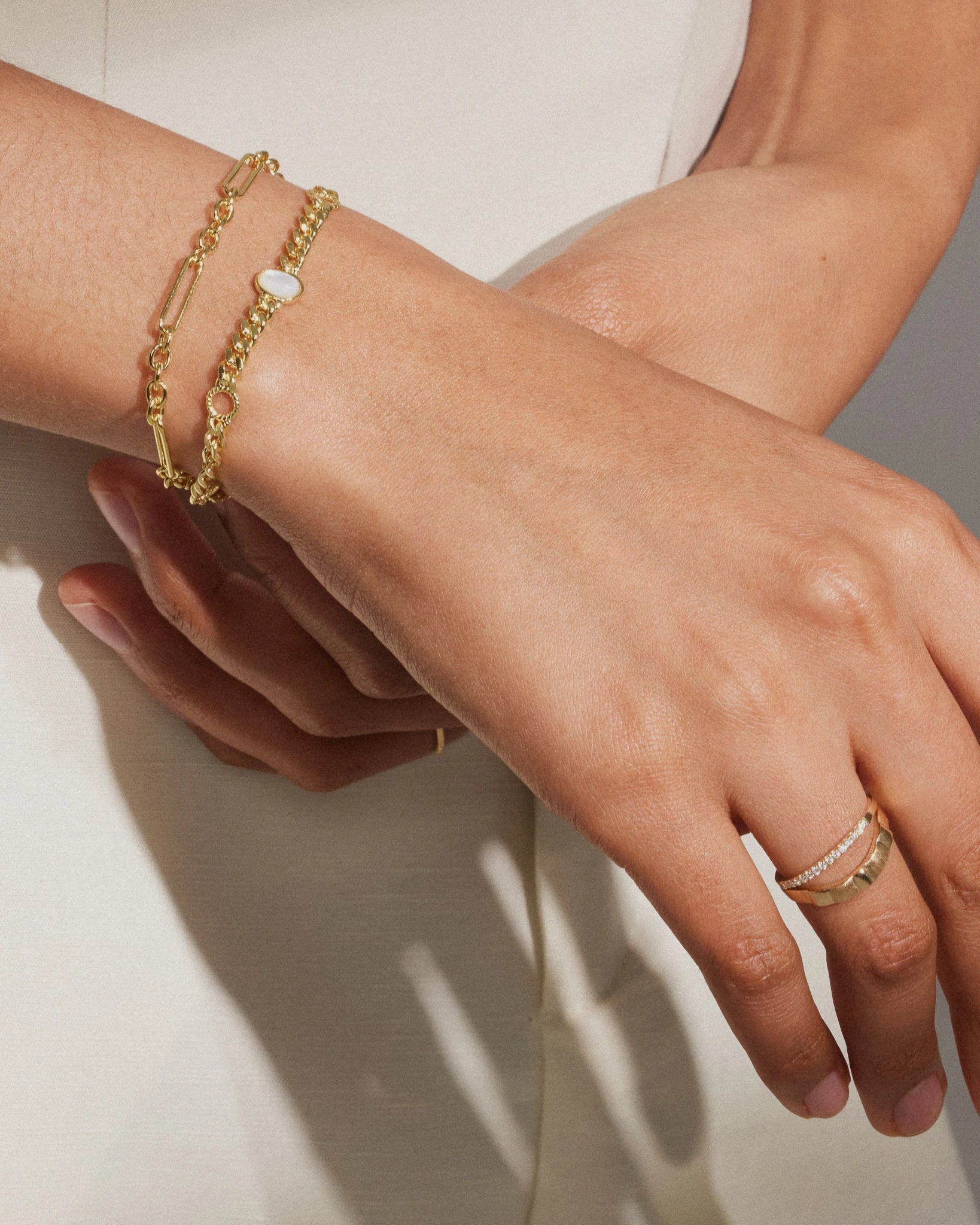
Gilded Link Bracelet | Reverie Bracelet
The Gifts We Don’t Get to Follow
There is something comforting, and a little scary, about not knowing where things land.
We like to know that our care mattered. That the gift was loved. That the words arrived the way we meant them. That the effort was seen.
But life rarely gives us perfect tracking information.
Some things disappear for years.
Some come back much later.
Some never come back at all, but still live somewhere we cannot see.
I think that is what makes the poem feel so gentle. It does not say everything we send out will return. It only says that sometimes, wonderfully, something does.
And when it does, it may return in a form more intimate than we expected.

A Stanza Way of Reading It
At Stanza, we often think about jewelry as something that travels.
From a sketch to a finished piece.
From our hands to yours.
From a gift box to a drawer, a wrist, a neckline, a daily routine.
But the real journey begins after that.
A piece may start as one idea, then become something else entirely once it belongs to someone. It gathers mornings, birthdays, difficult weeks, tiny victories, trips, dinners, ordinary Tuesdays. It becomes less about what we meant when we made it, and more about what it comes to mean for the person wearing it.That is the part we cannot control.
And maybe that is the most beautiful part. The part that completes the piece.

Fortune's Turn Necklace | Simply Herringbone Chain Necklace
One Last Thought
The arrow is found unbroken.
The song is found remembered.
One returns as proof that it survived.
The other returns as proof that it was loved.
And maybe the best things we give live somewhere between the two: something you can touch, and something that keeps speaking long after it first left your hands.

Tyger Eye Necklace | Simply Herringbone Chain Necklace
Sincerely yours,