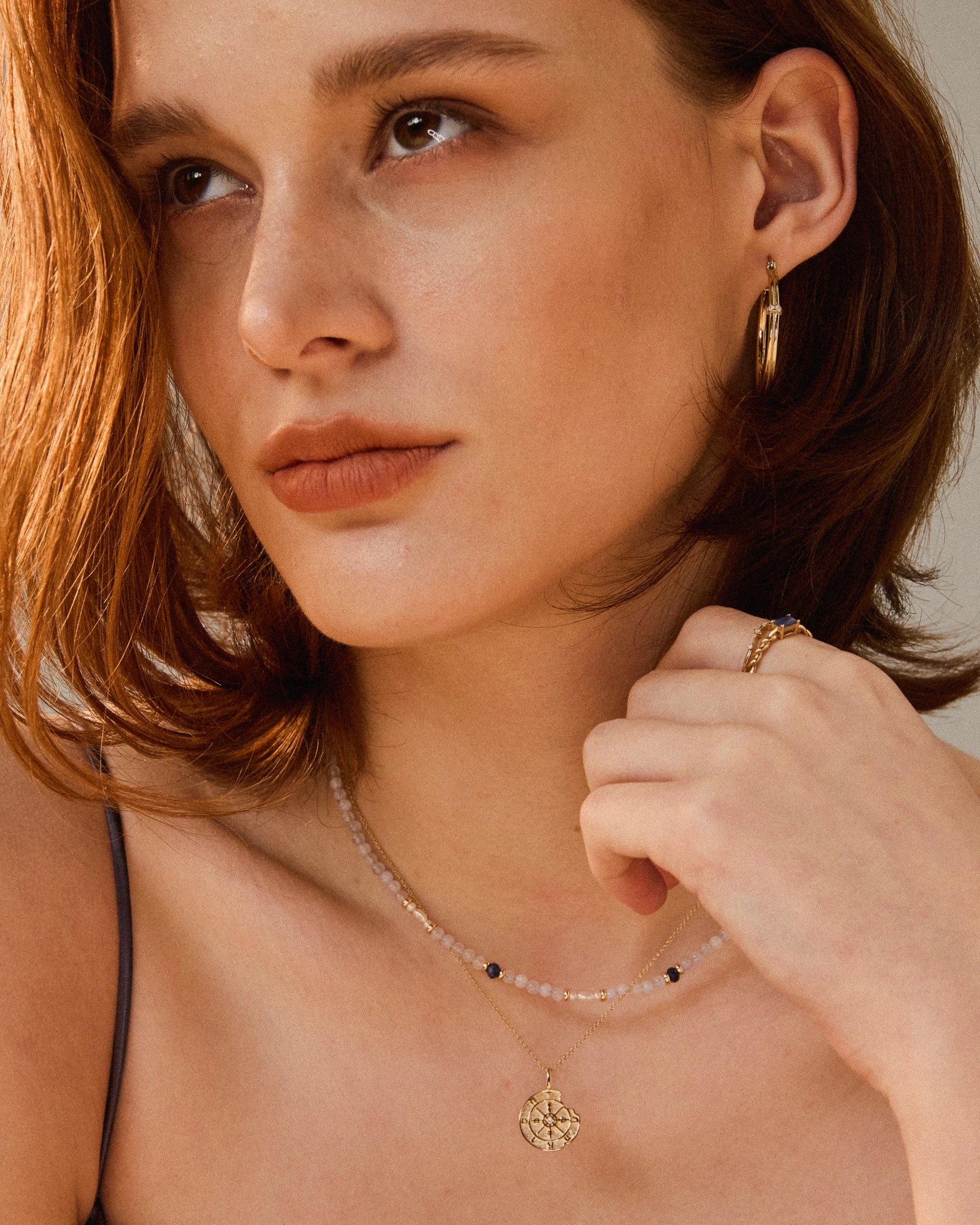

Some people wear jewelry to finish an outfit.
Others wear it to hold a thought.
Charms and pendants usually belong to the second group. They’re small, often understated, and rarely chosen by accident. Picked slowly. Worn often. Kept close long after trends move on.
If jewelry were language, charms would be punctuation.
A pause. A turn. A reminder.
Brief — but intentional.

Pendants as Punctuation
Poems are built the same way.
A comma changes the pace.
A period brings certainty.
A question mark leaves room.
In Emily Dickinson’s poems, a dash can hold as much meaning as a full sentence. It doesn’t rush you forward. It asks you to stay for a second longer.
That’s how pendants work.
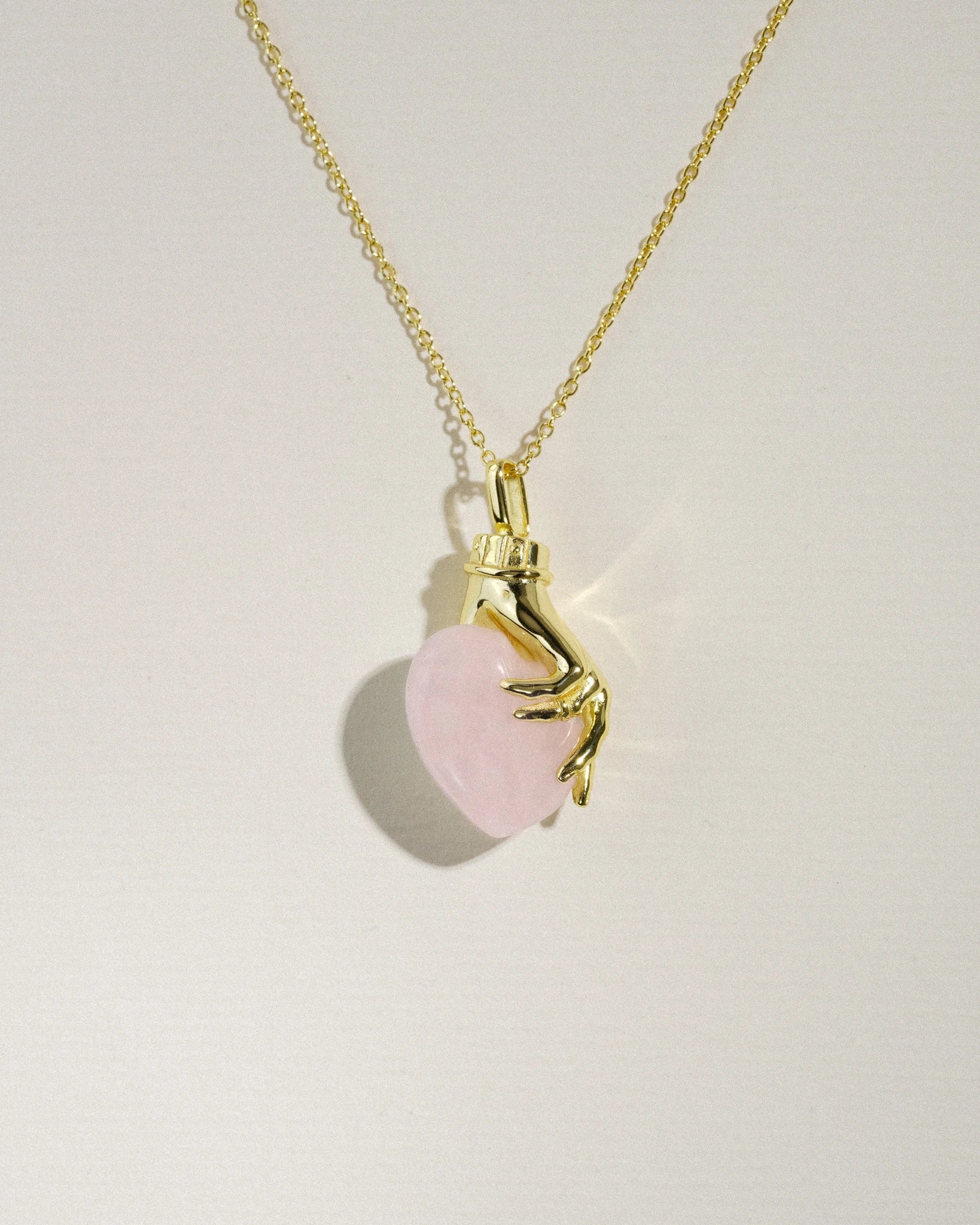
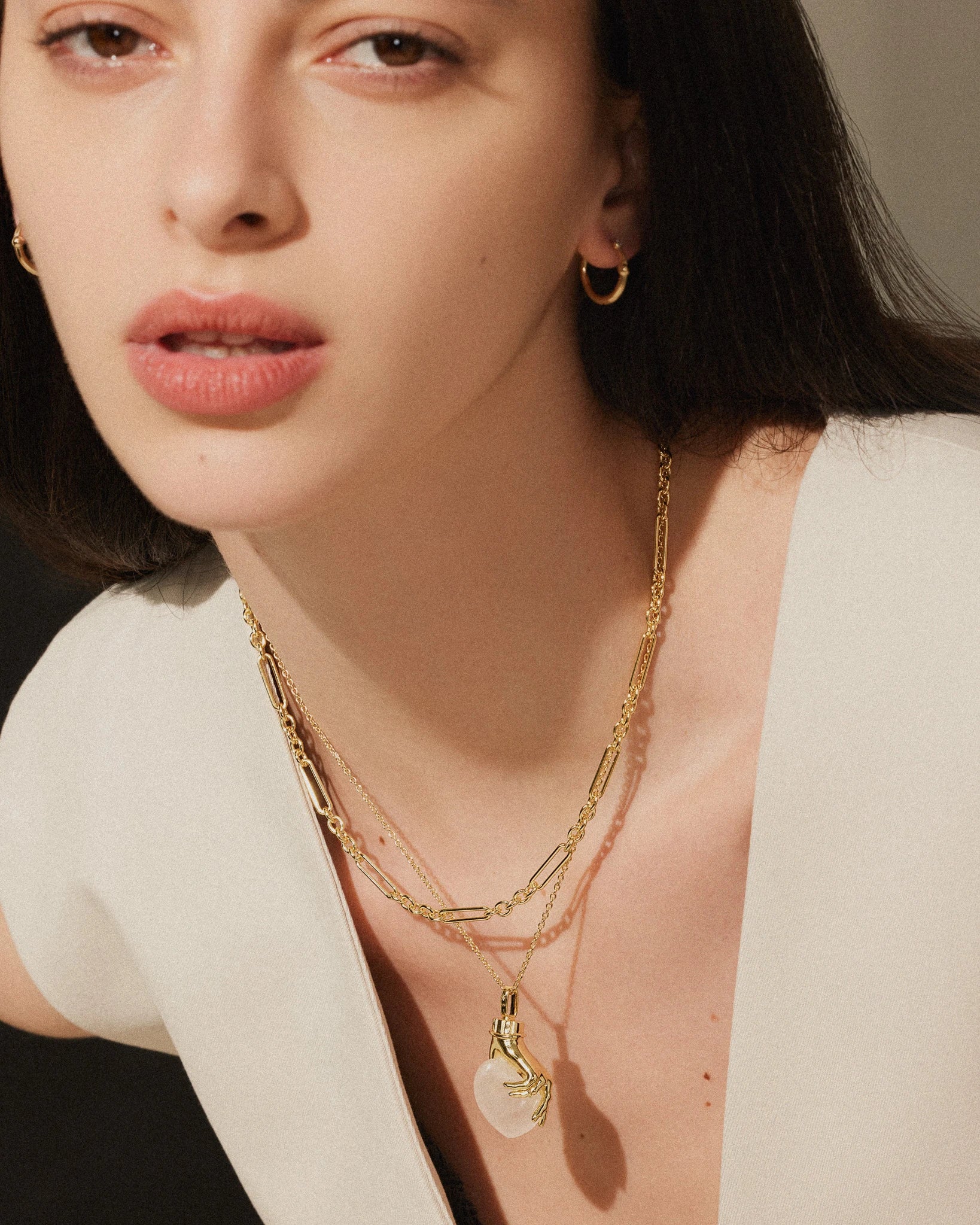
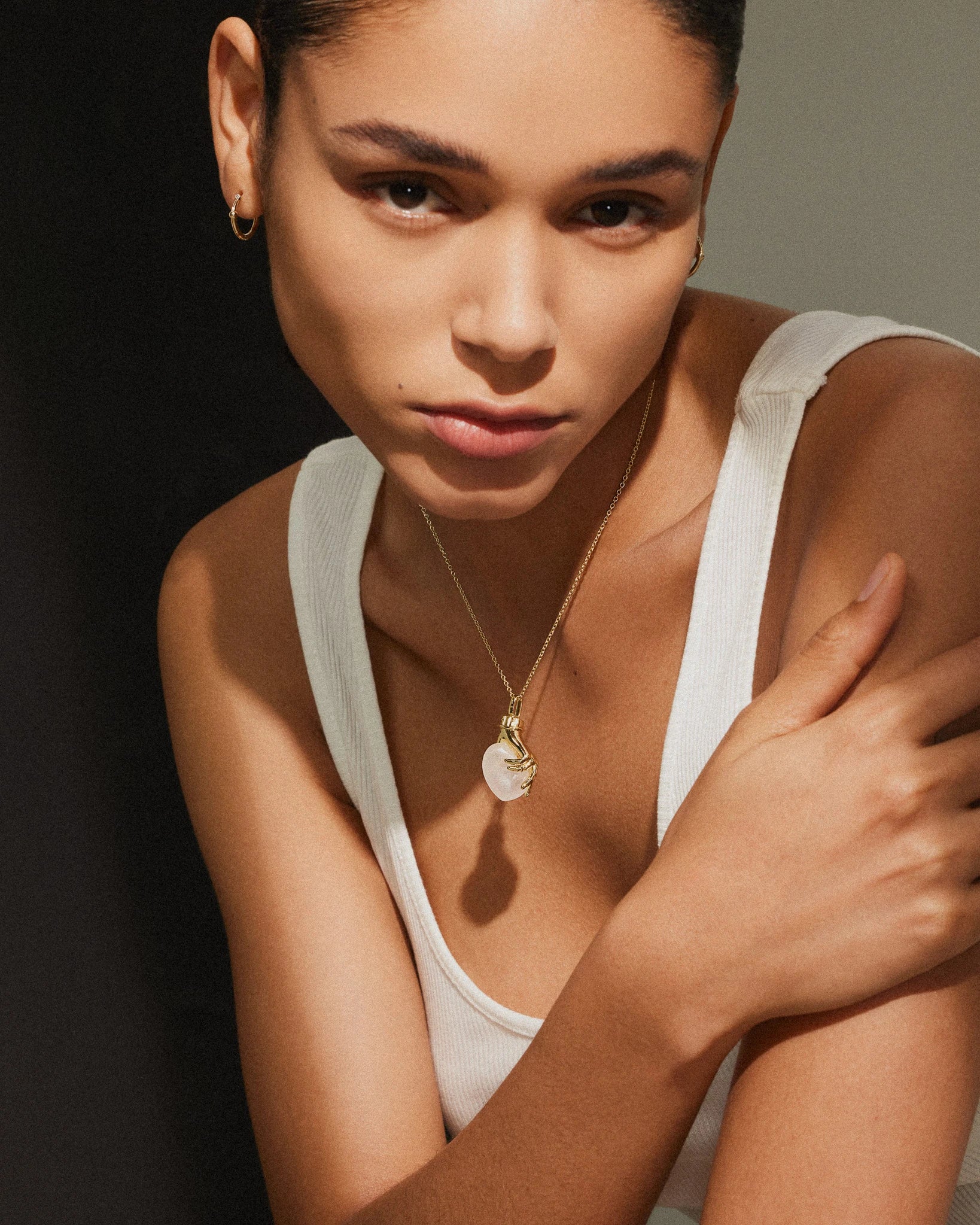
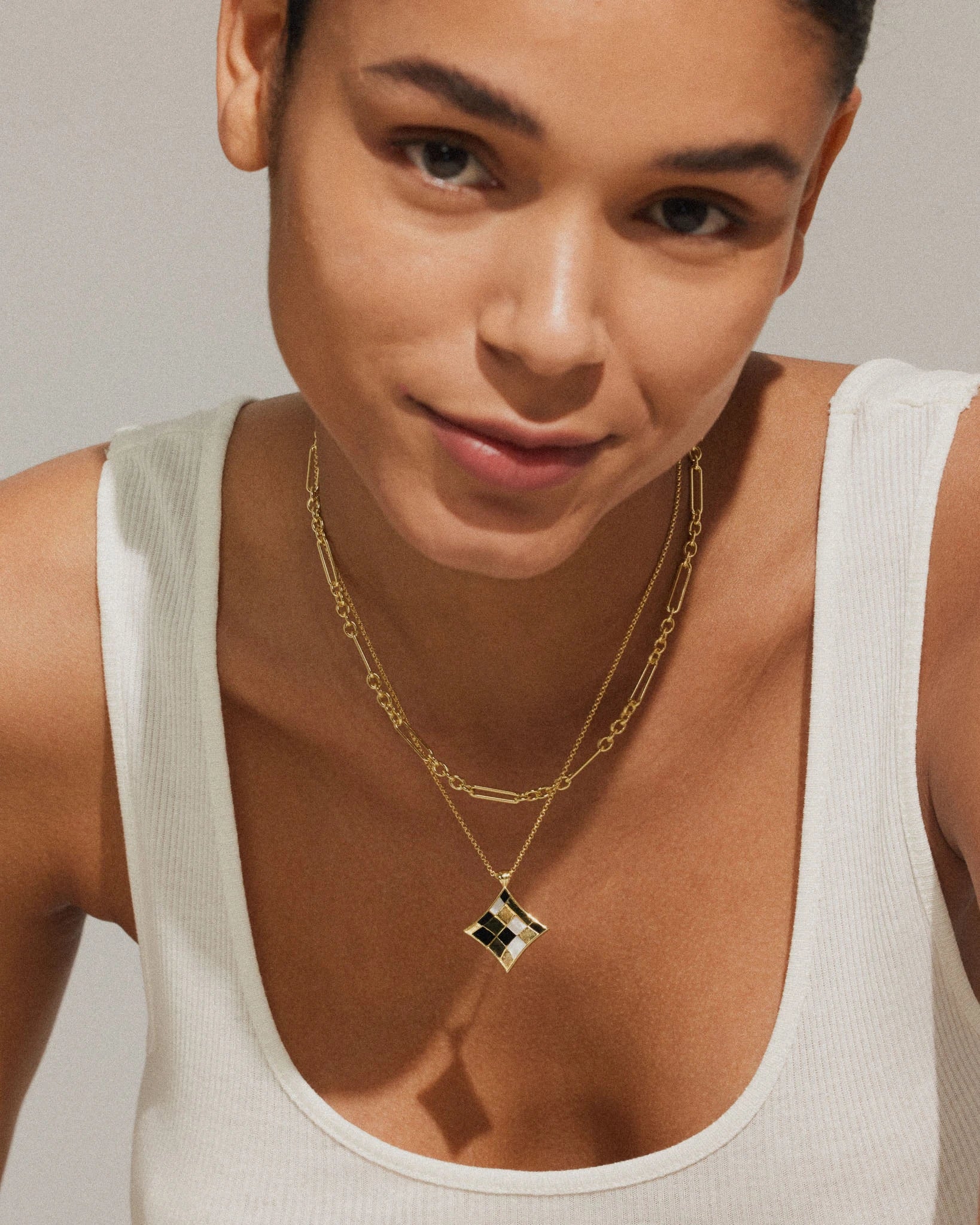
A piece like the Fortune’s Turn Pendant acts like a comma. It doesn’t interrupt the sentence — it gives it breath. It blends into your look, settling in quietly, meant to be worn daily, not announced.
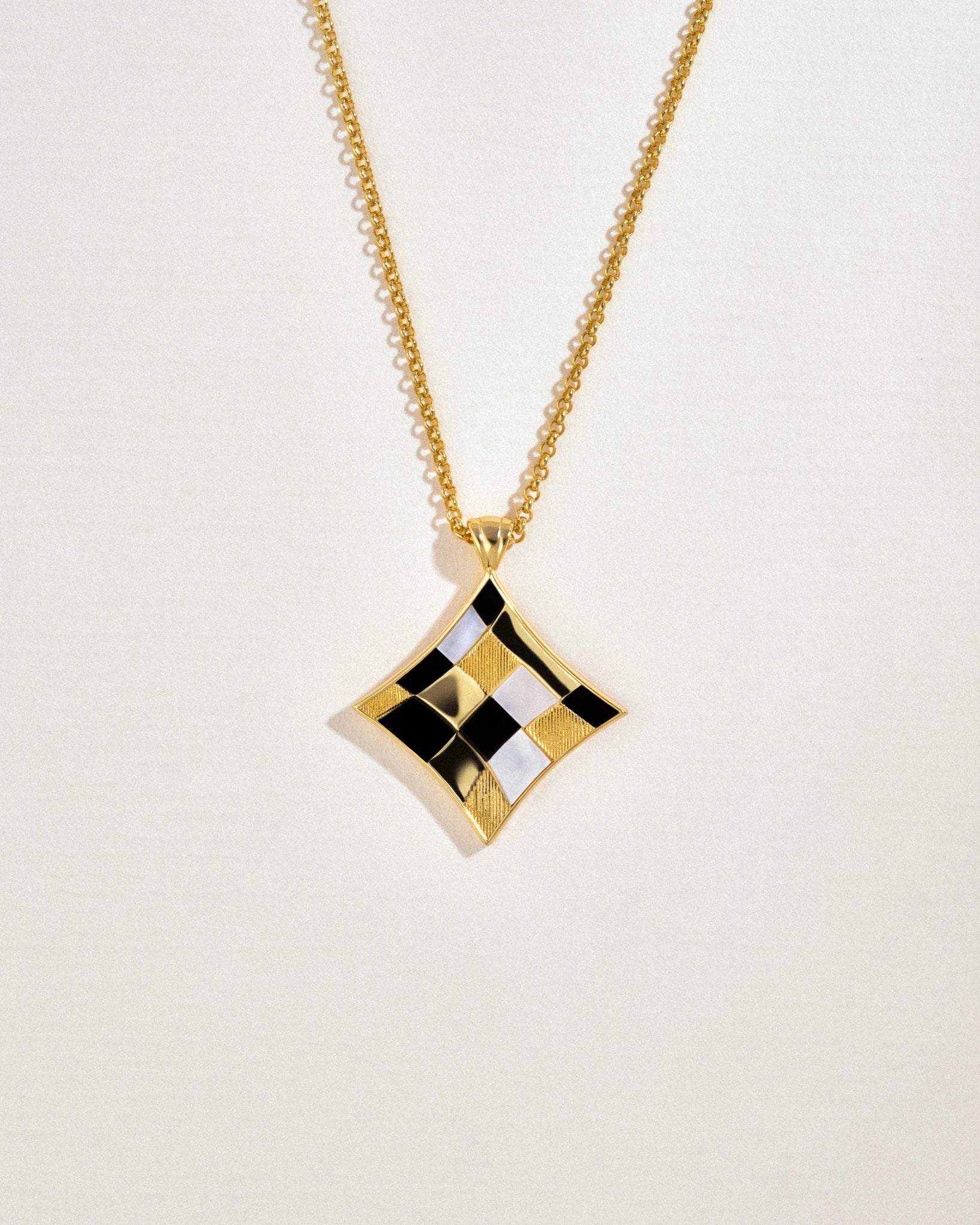
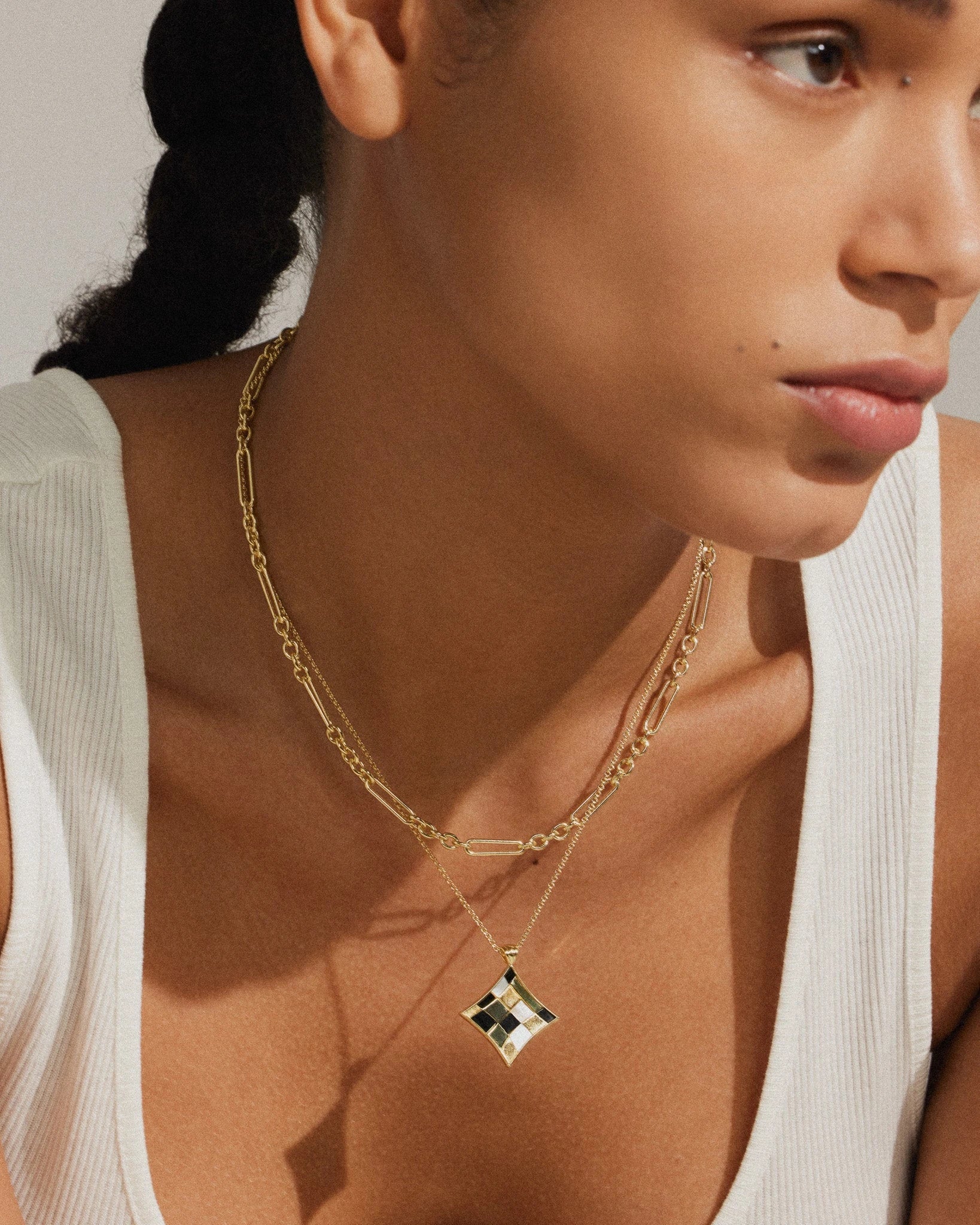
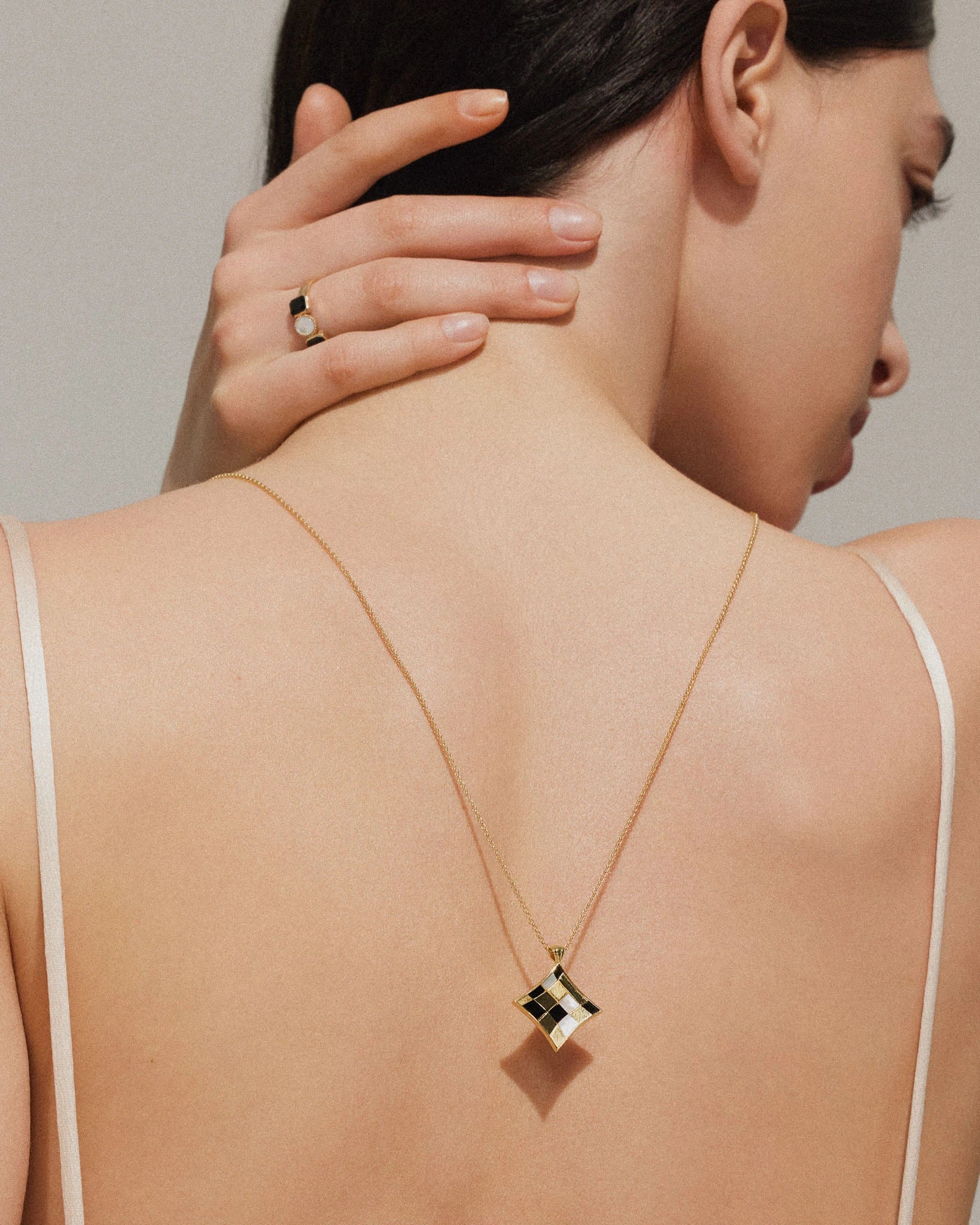
The Tyger Eye Pendant, on the other hand, is closer to an exclamation point. It has weight. Presence. It doesn’t ask permission to be seen. Like William Blake’s “Tyger Tyger, burning bright,” it carries intensity and focus. You feel it immediately.
Neither is better. They just say different things.

Chains Hold the Sentence. Pendants Hold the Meaning.
A chain is the line everything rests on.
A pendant decides where the emphasis lands.
That’s why people don’t usually stop at one charm. Meaning accumulates. Symbols shift. What once felt like a full stop might become a pause later on.
The Cross Pendant often functions like a period. Steady. Grounding. A sense of completion at the end of a thought. It doesn’t need decoration — it holds its own weight.
Some days call for certainty. Others don’t.

Cross Pendant | Scarlet Pearl Necklace
When Jewelry Becomes a Parenthesis
Some poems hide their most personal lines inside brackets — thoughts meant to be held close rather than announced.
That’s where a piece like the Once Upon A Pendant Locket lives. It’s a parenthesis. A space within the sentence that belongs only to you. A photo. A memory. A story folded inward.
You don’t wear it to explain anything.
You wear it because it carries something you’re not ready to set down.

Once Upon A Pendant Locket | Reverie Necklace
How We Think About Designing a Pendant
When we design a pendant, we think about how it will actually live with you — whether it can move easily between chains you already own, whether it layers well, or stands confidently on its own. We also think about presence. Some pendants are meant to blend in and become part of your everyday rhythm; others are designed to stand out. Pieces like Fortune’s Turn settle quietly into a look, while Tyger Eye is meant to hold the center.

How People Actually Wear Charms
Not perfectly centered.
Not always layered the same way.
Not with intention every single morning.
People wear the same pendant through different phases. They switch chains. They layer it with beads one season, let it stand alone the next. They forget it’s there — until they need it.
That’s when a charm earns its place.
When it doesn’t demand attention, but still matters.

A Stanza Way of Thinking About Charms
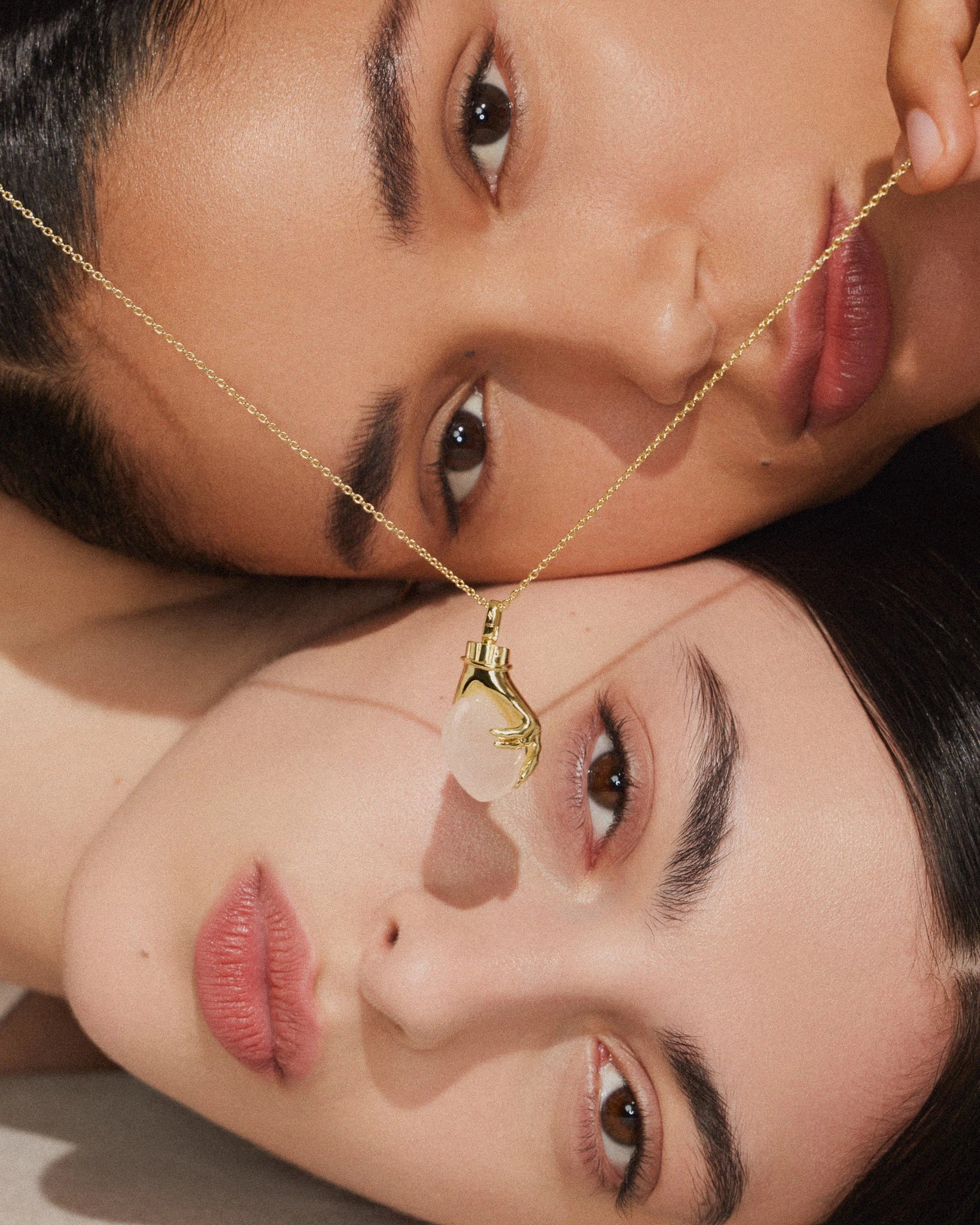
At Stanza, we think of charms the way we think of lines in a poem. Each one complete on its own, but richer when placed beside another.
A heart doesn’t stay fixed in meaning.
A symbol doesn’t stay frozen in time.
What you carry changes as you do.
That’s why our pendants aren’t designed to dictate meaning. They’re designed to make room for it — for interpretation, for memory, for growth.

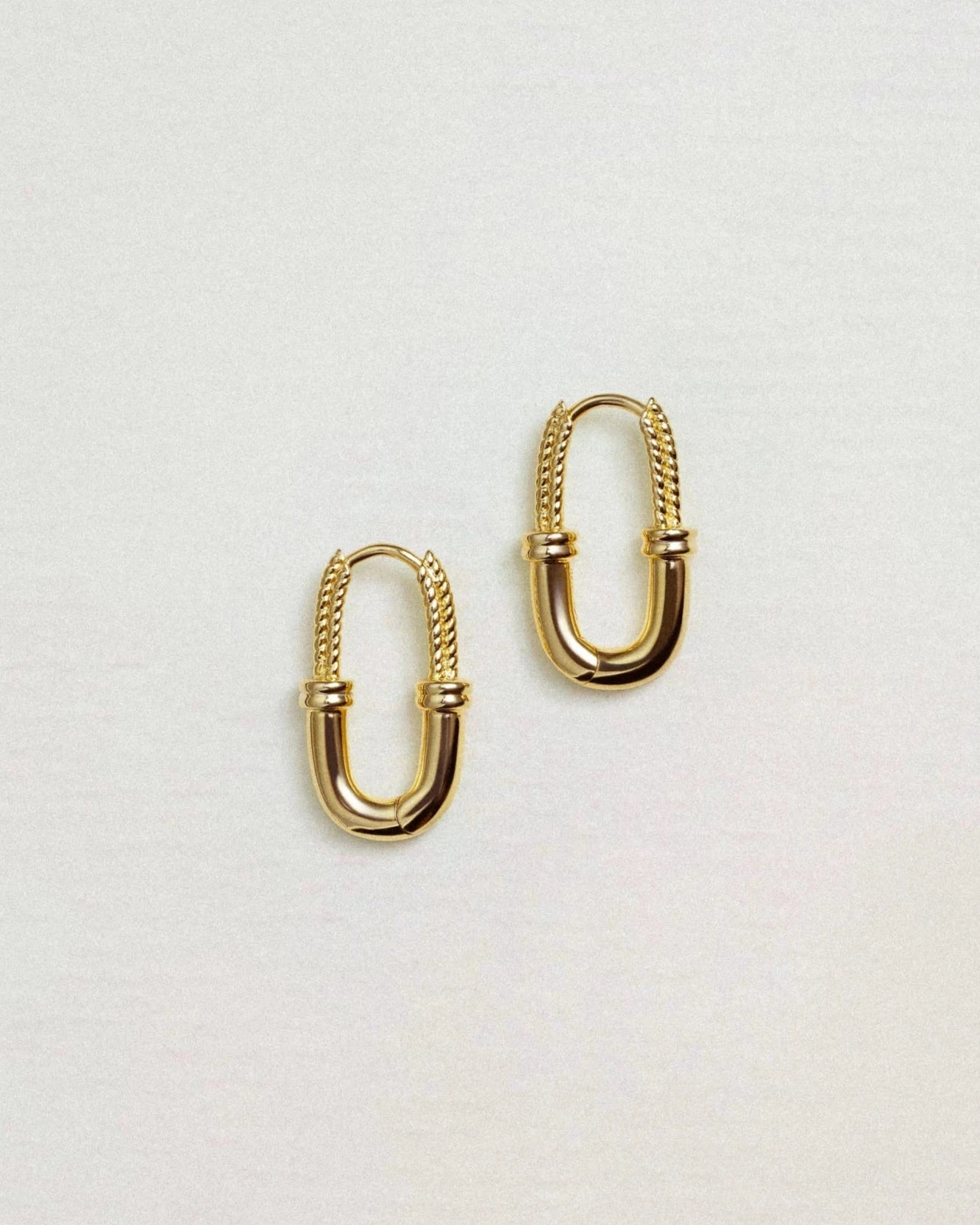
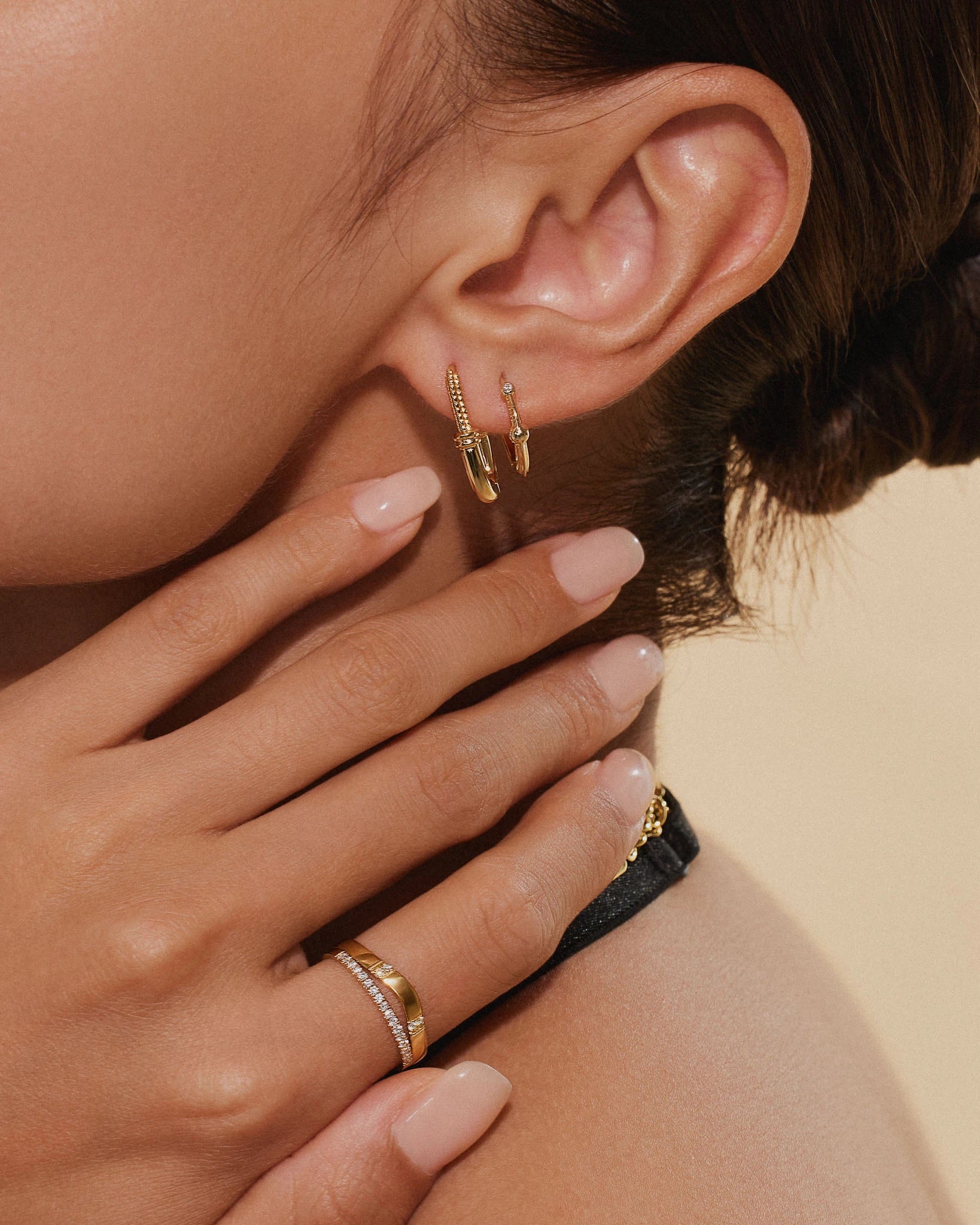
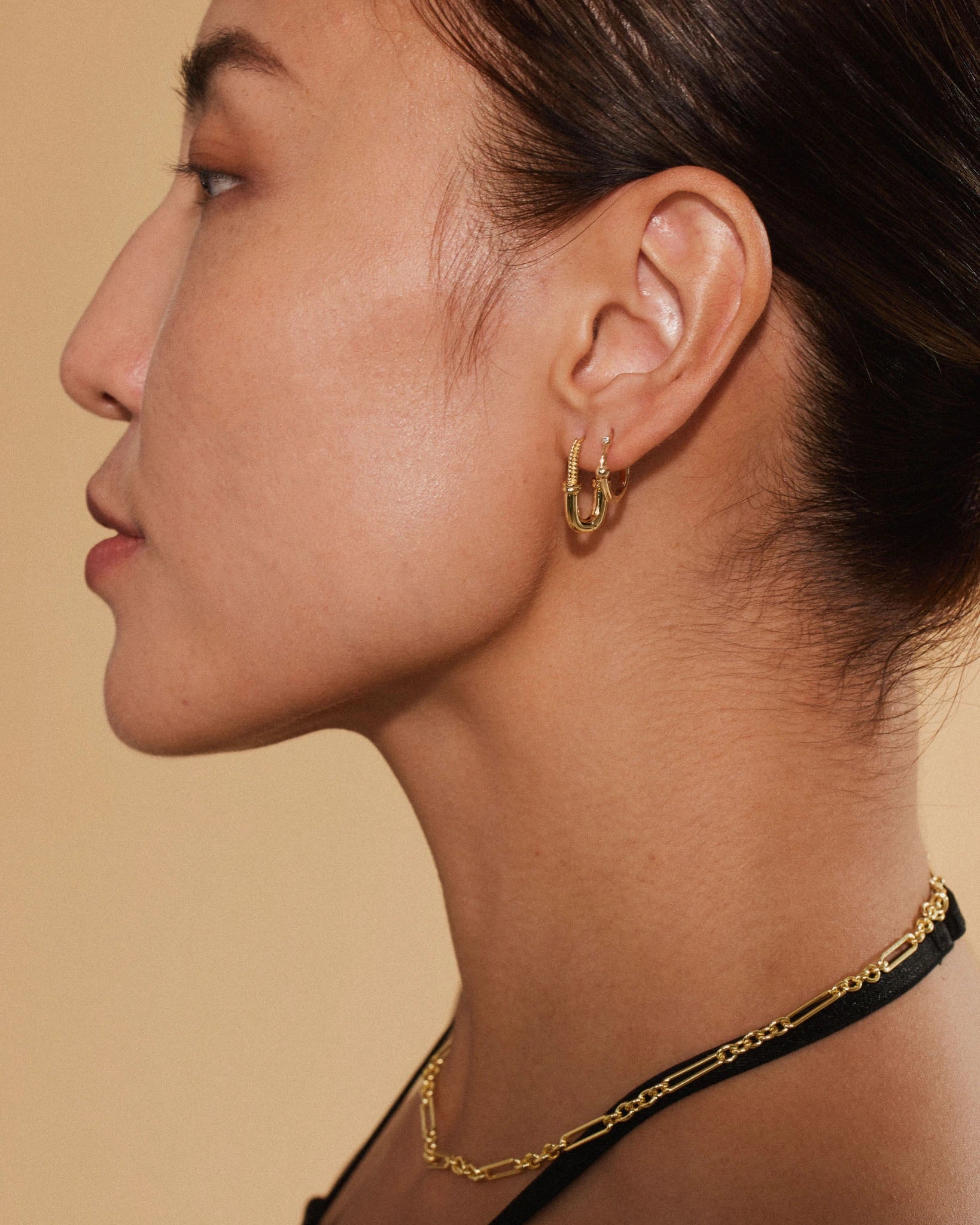
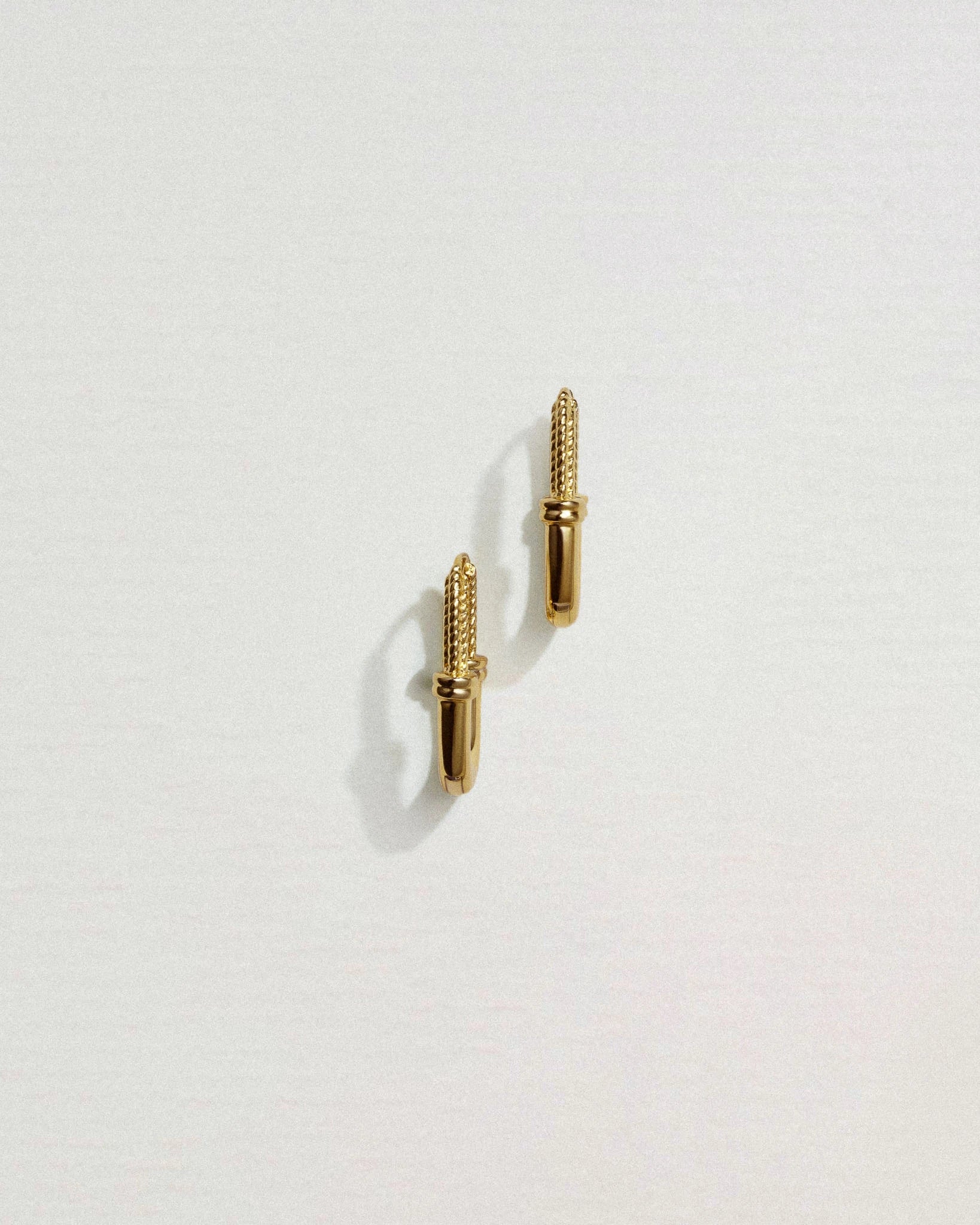
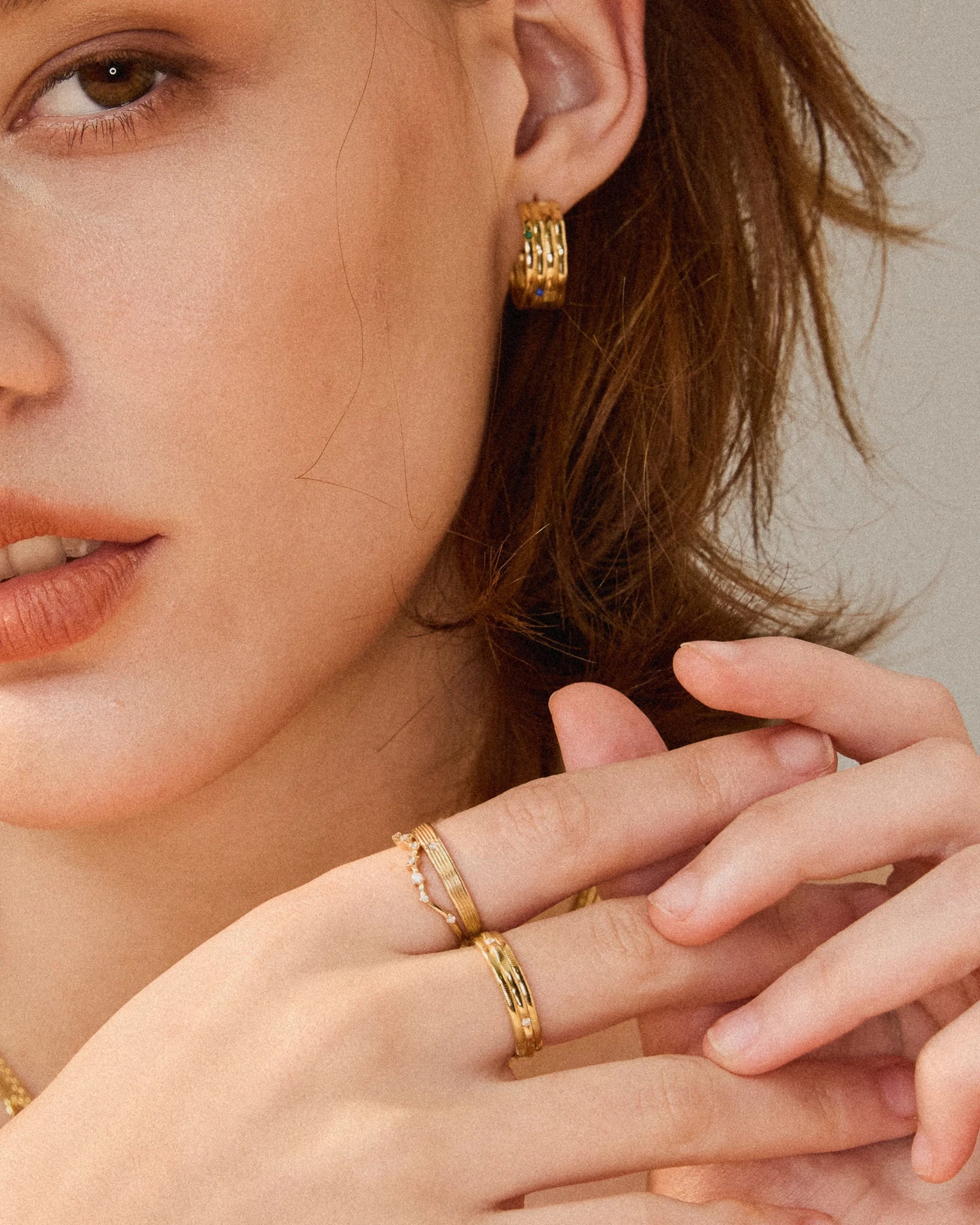
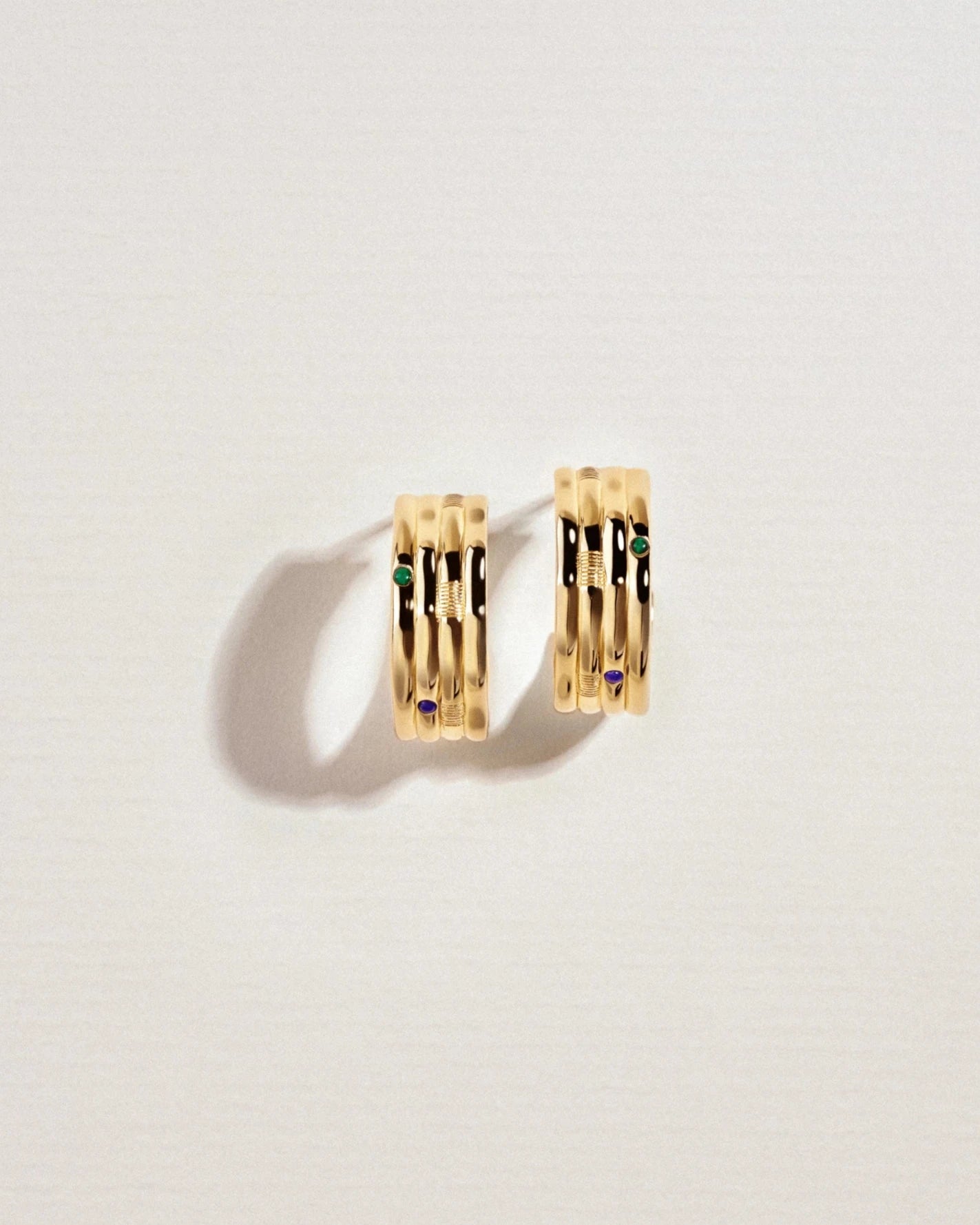
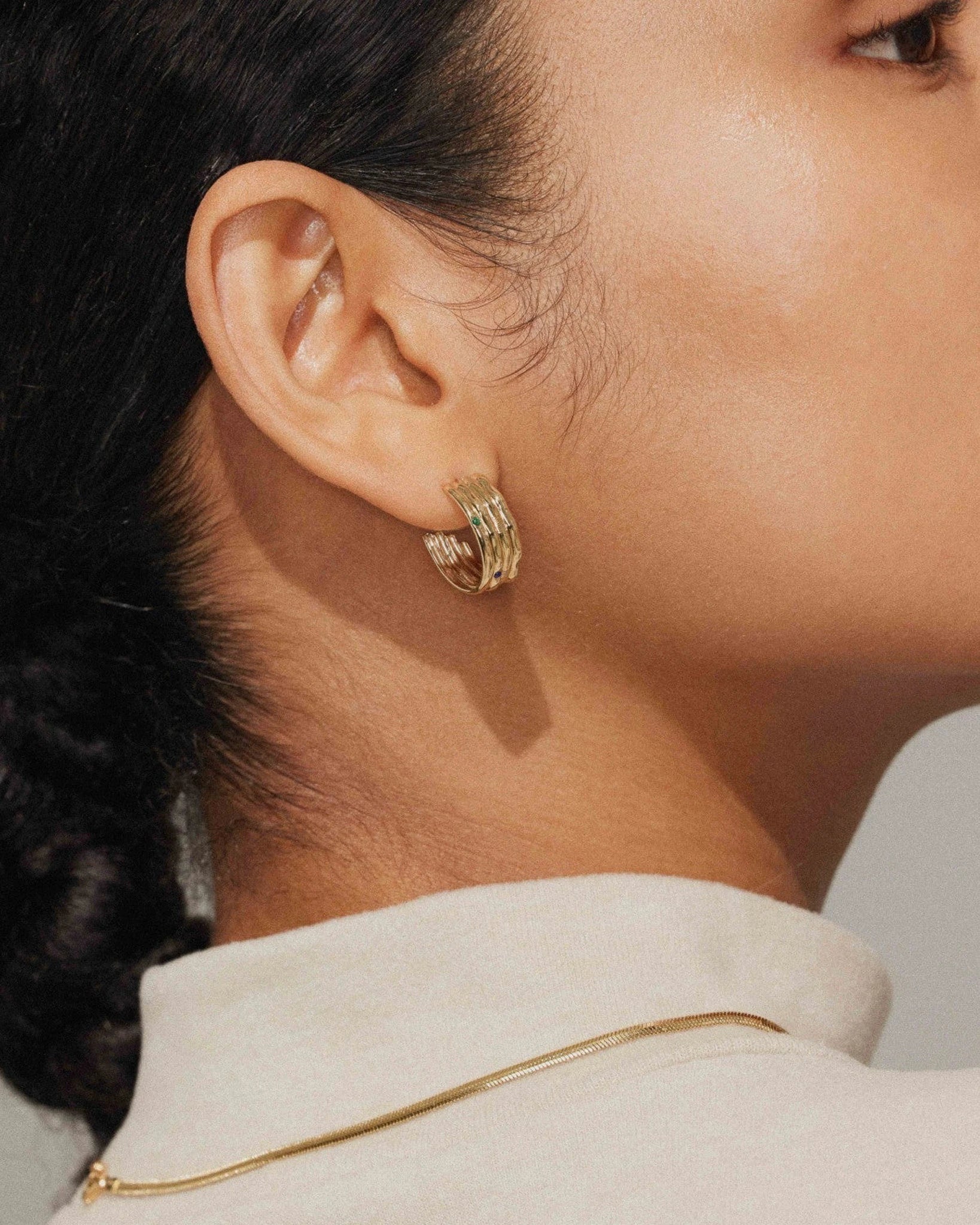
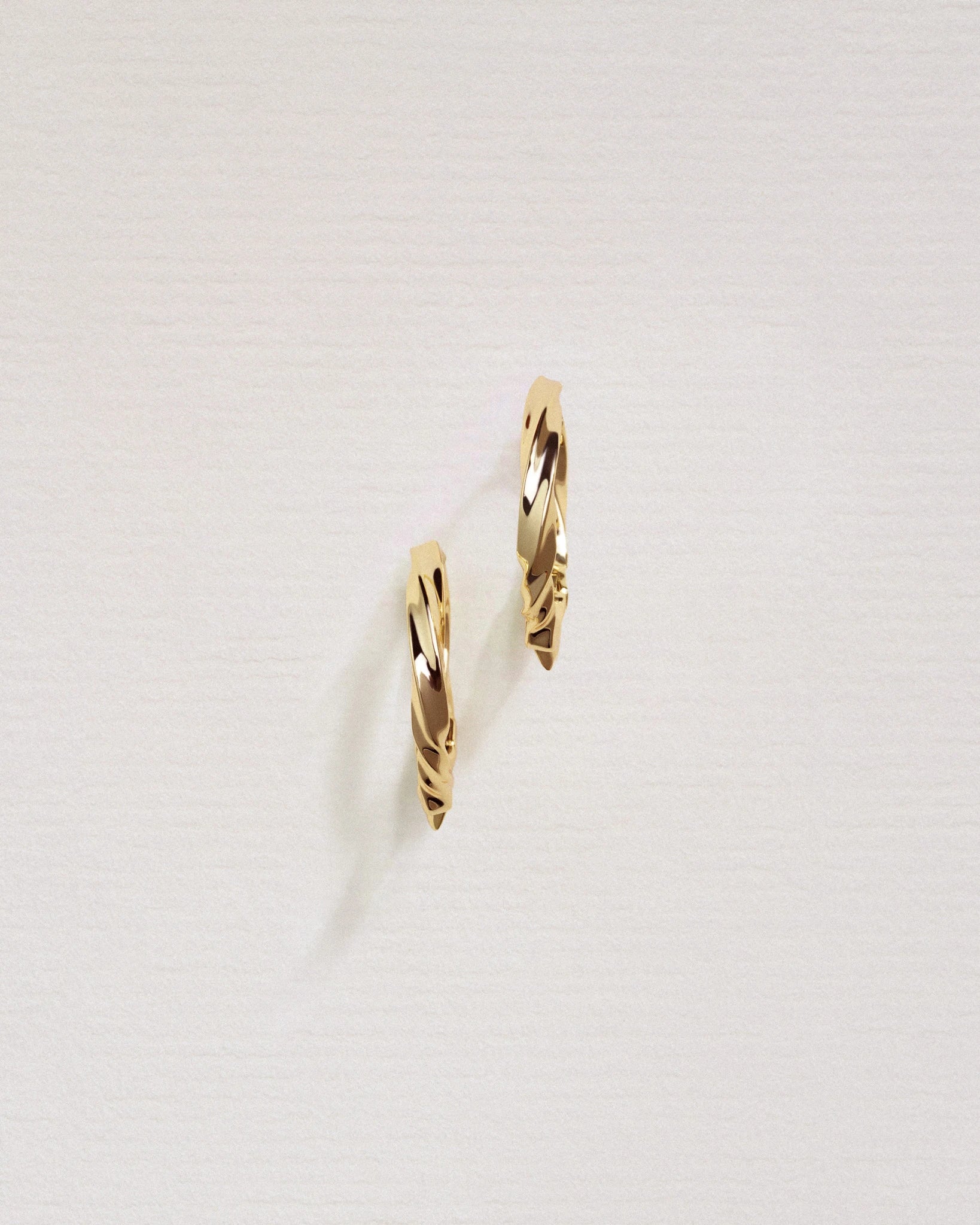
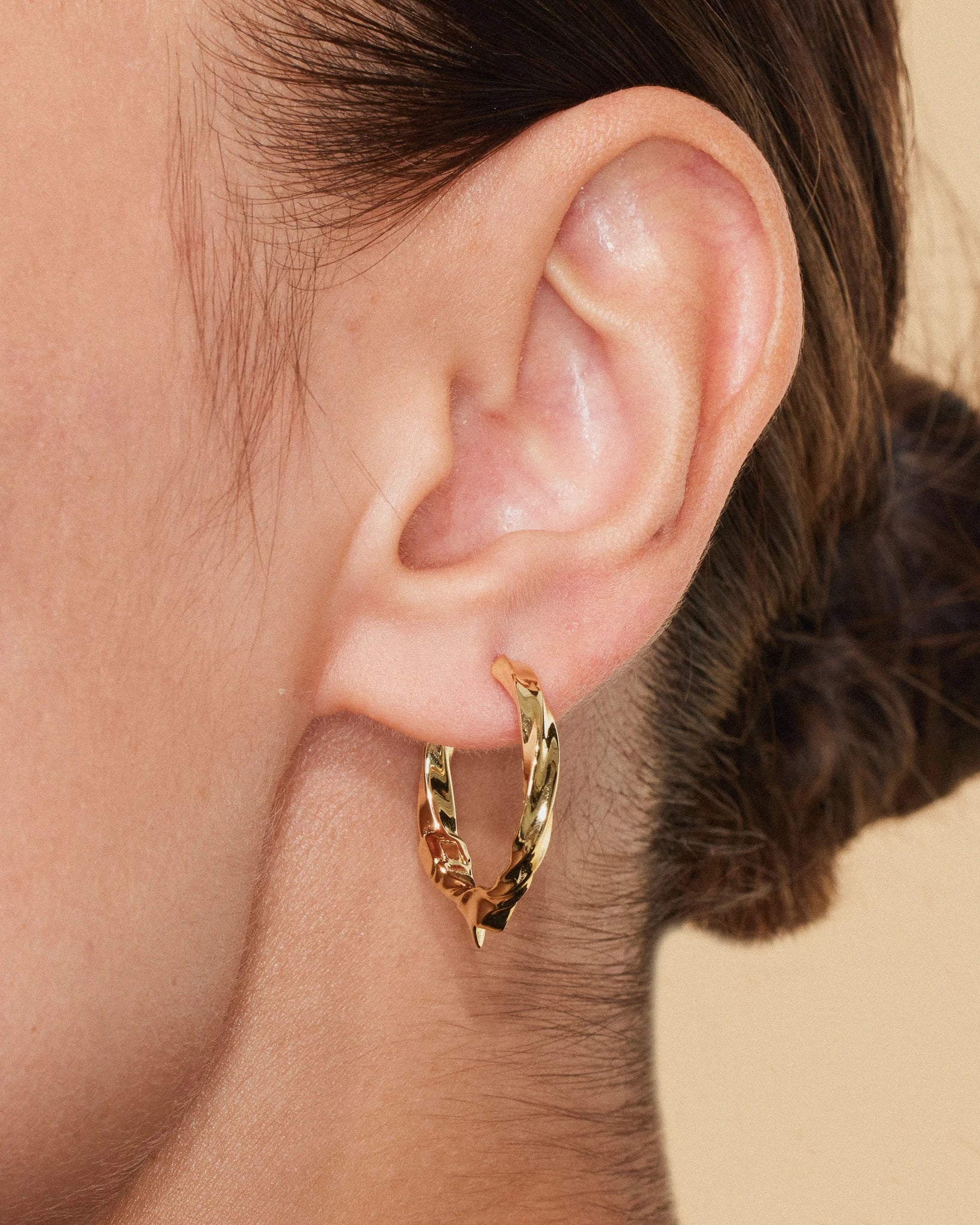
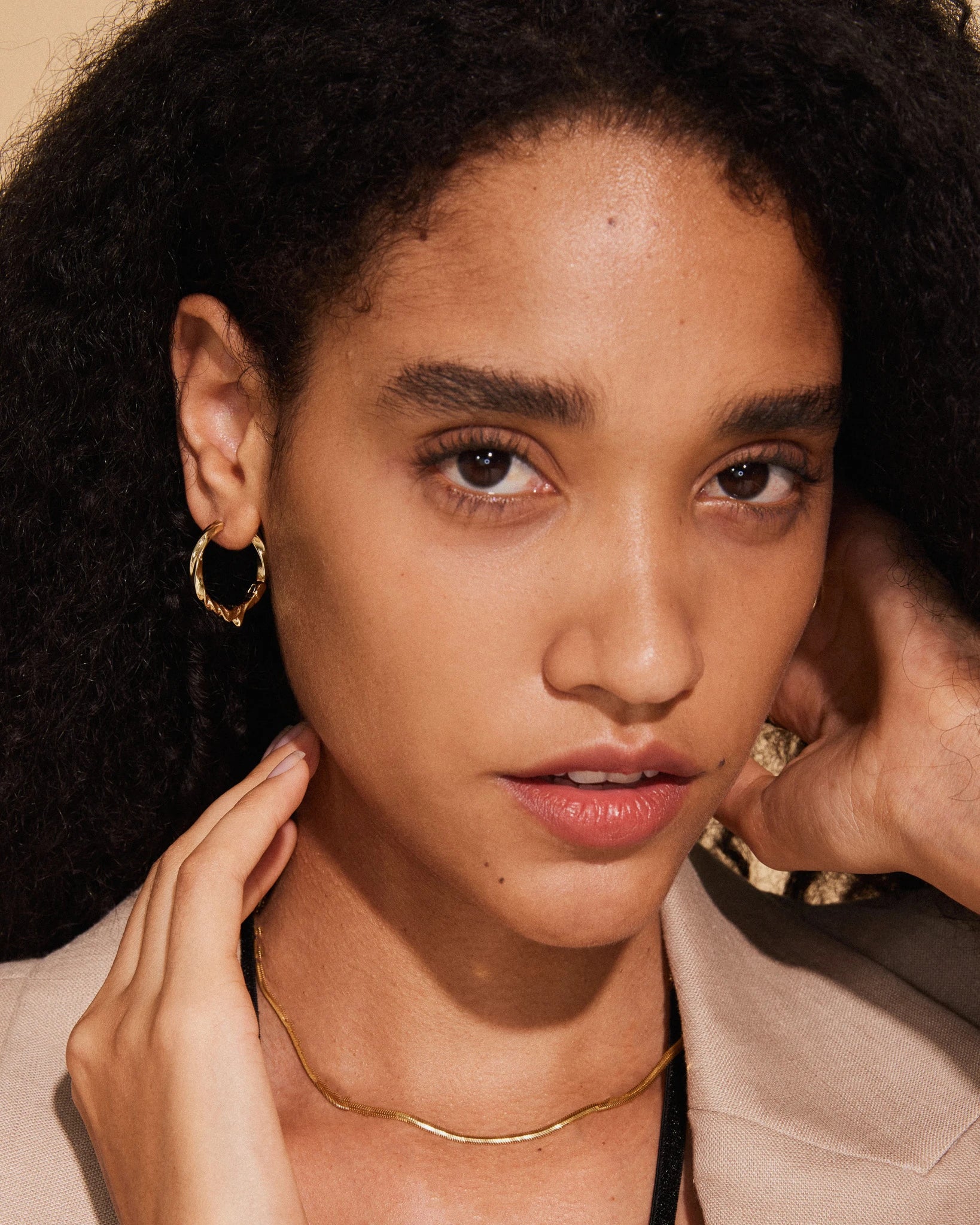
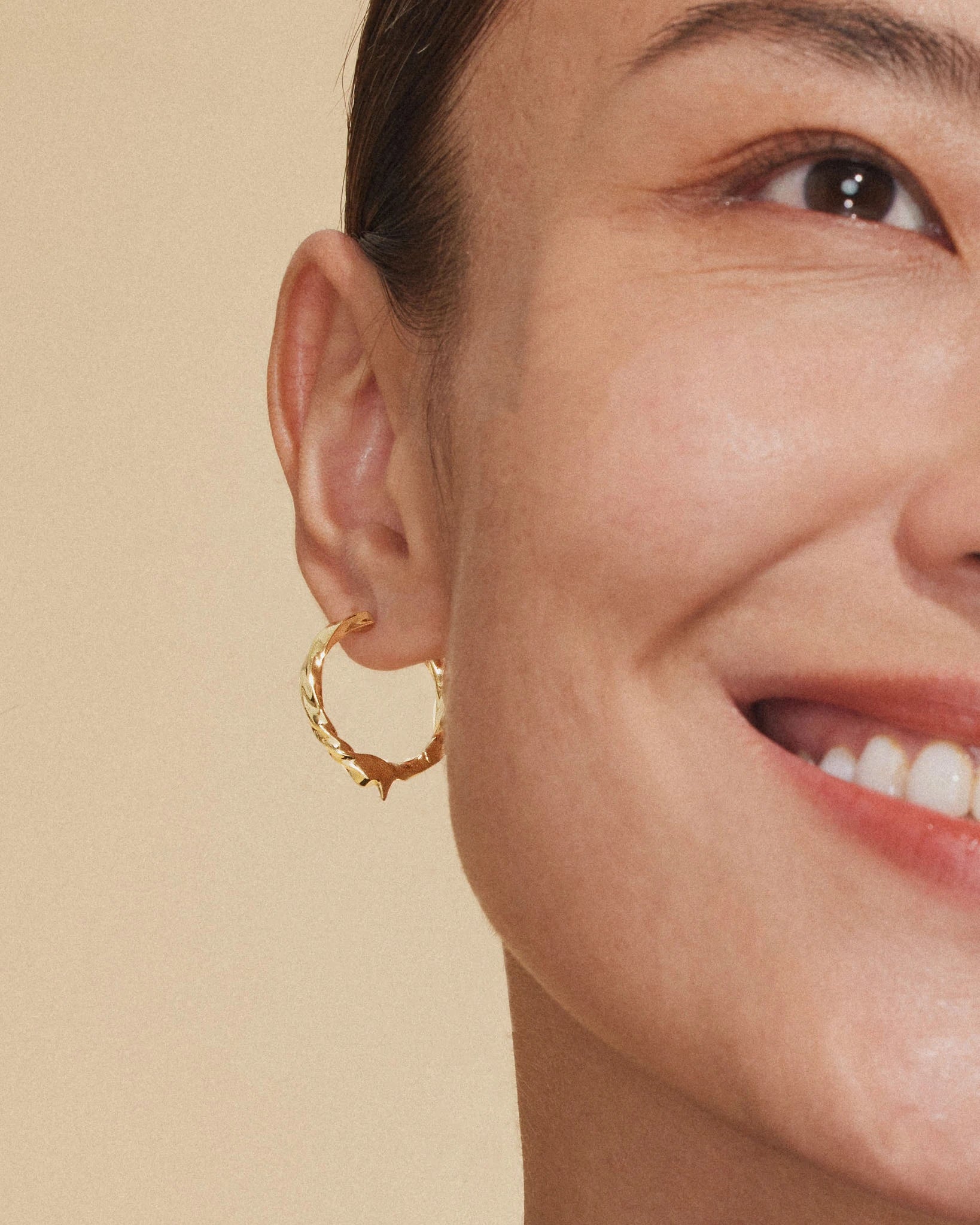
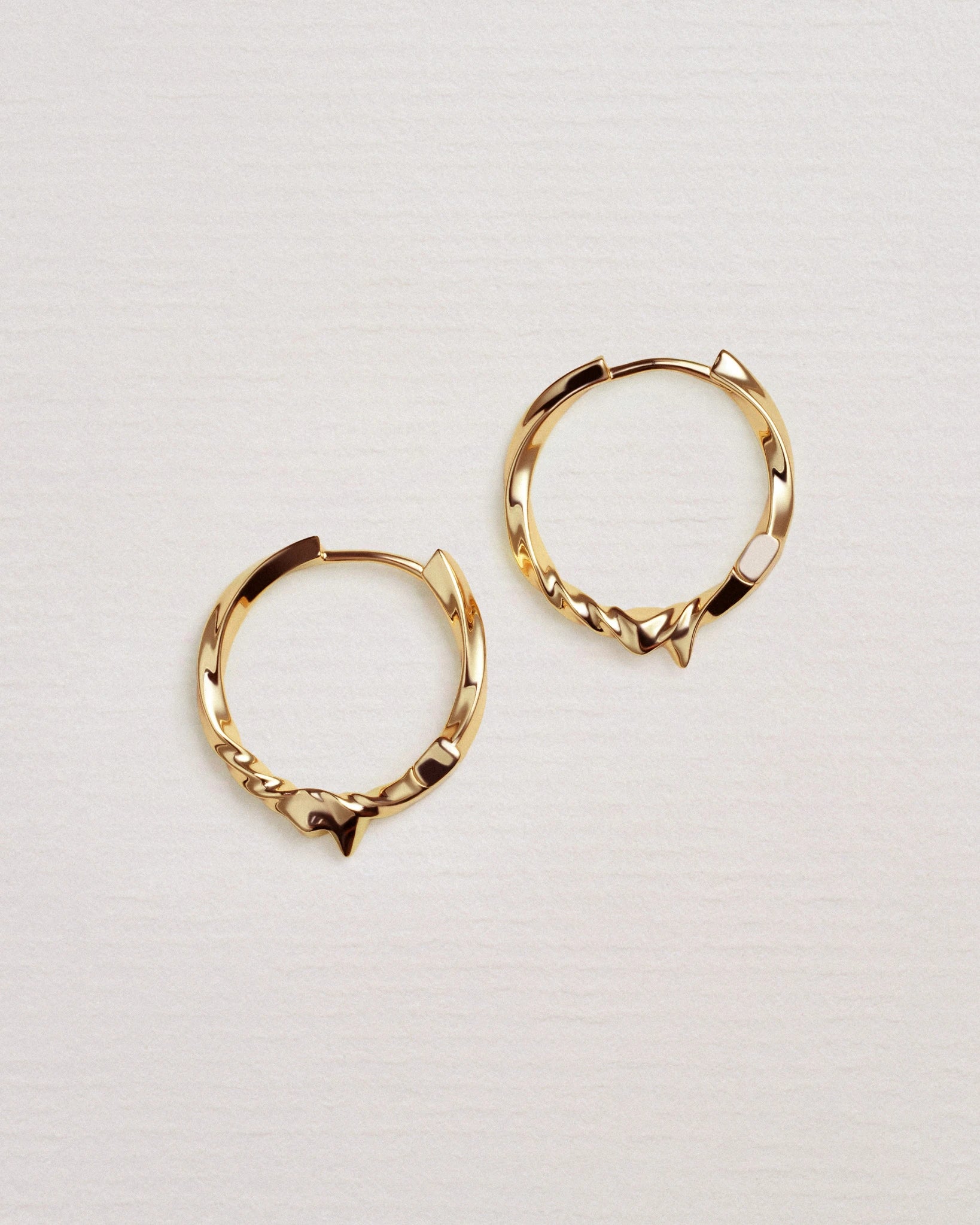
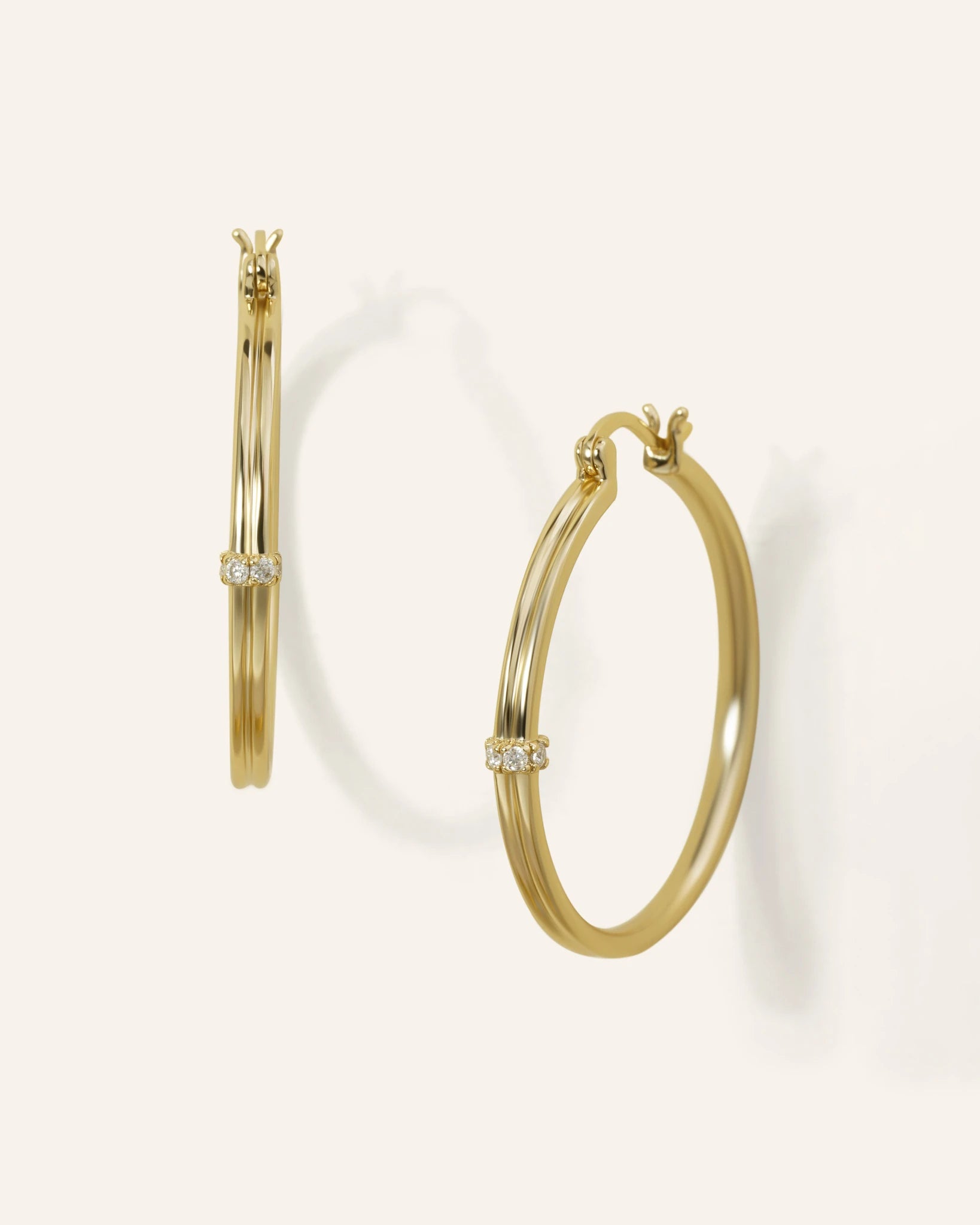
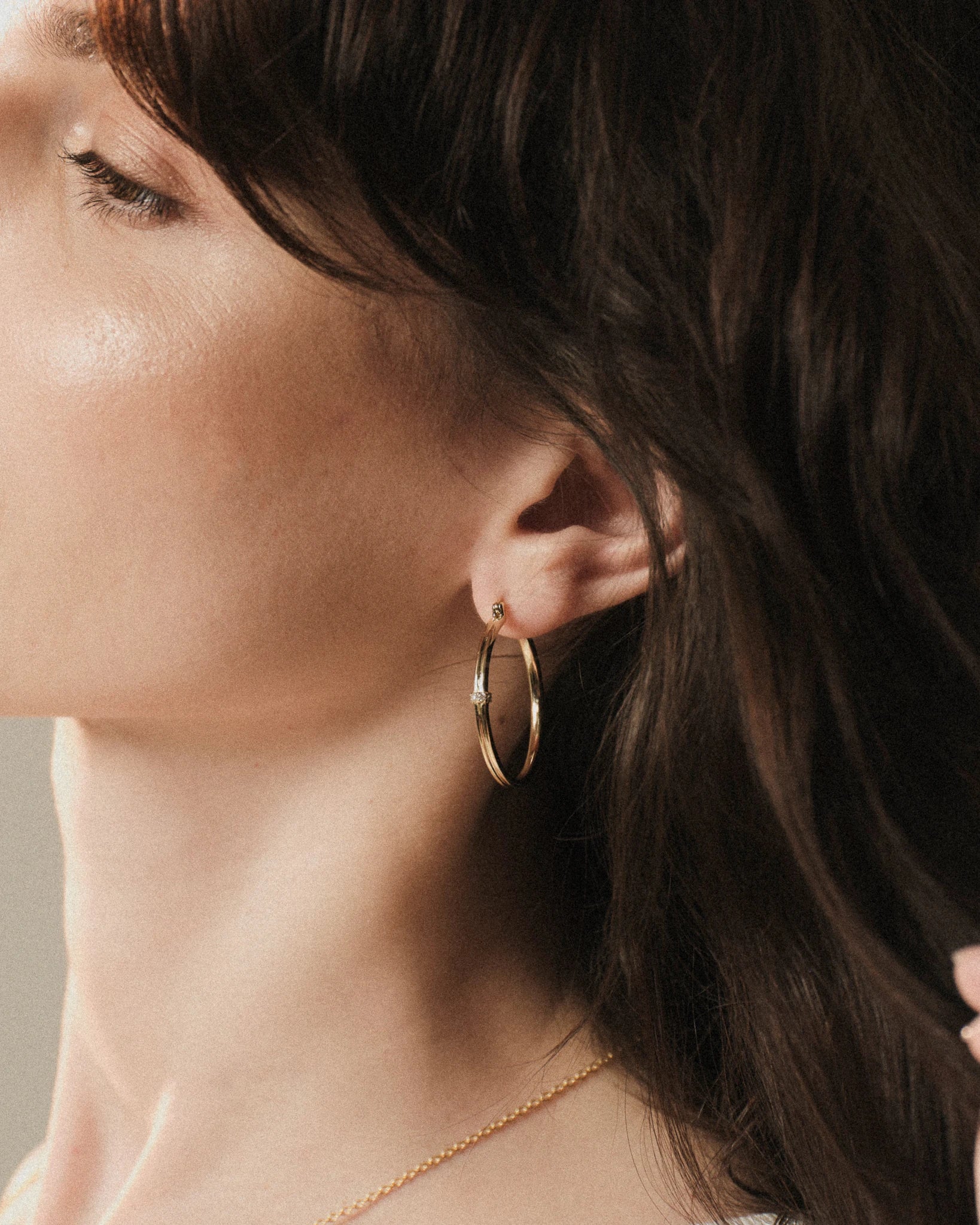
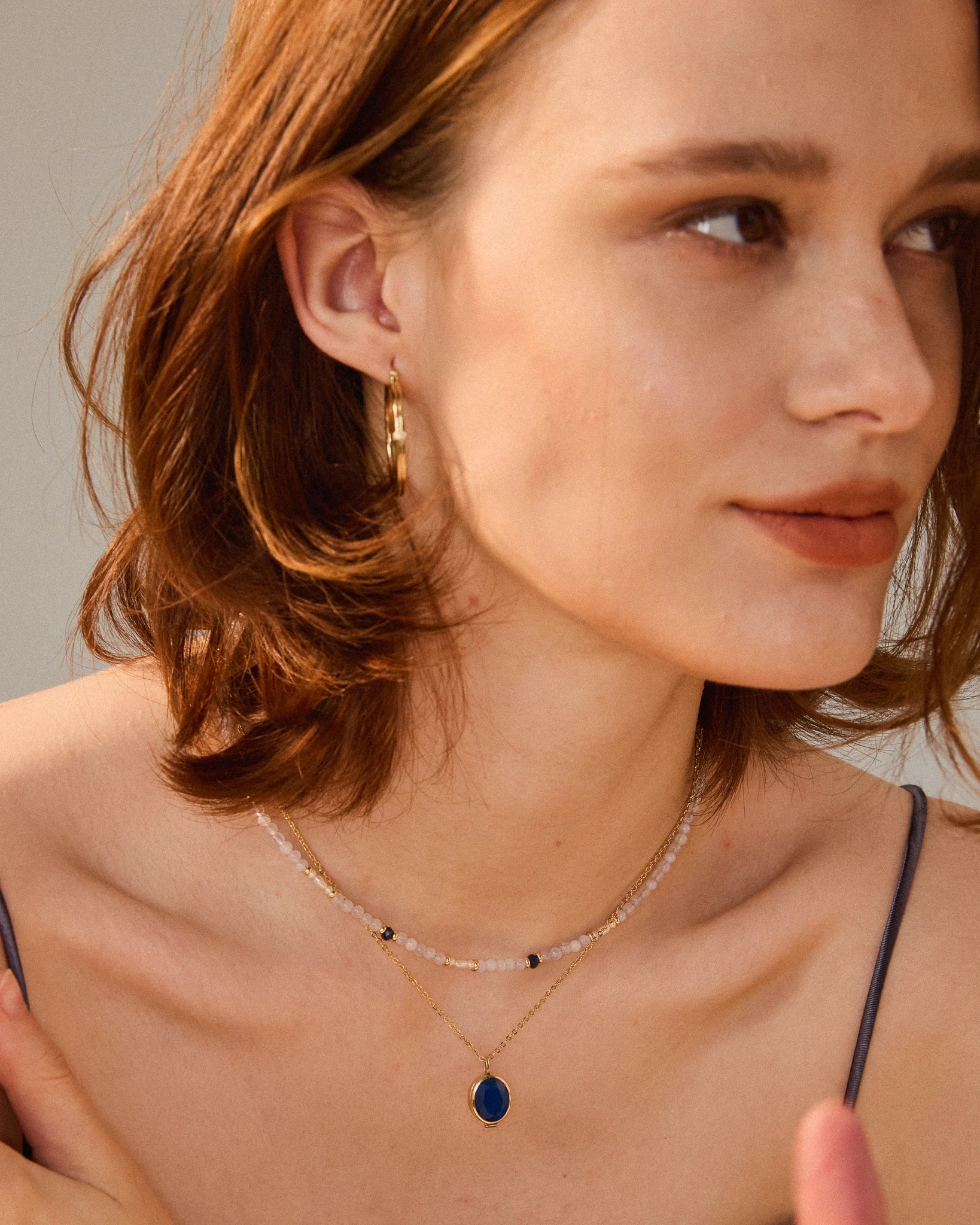
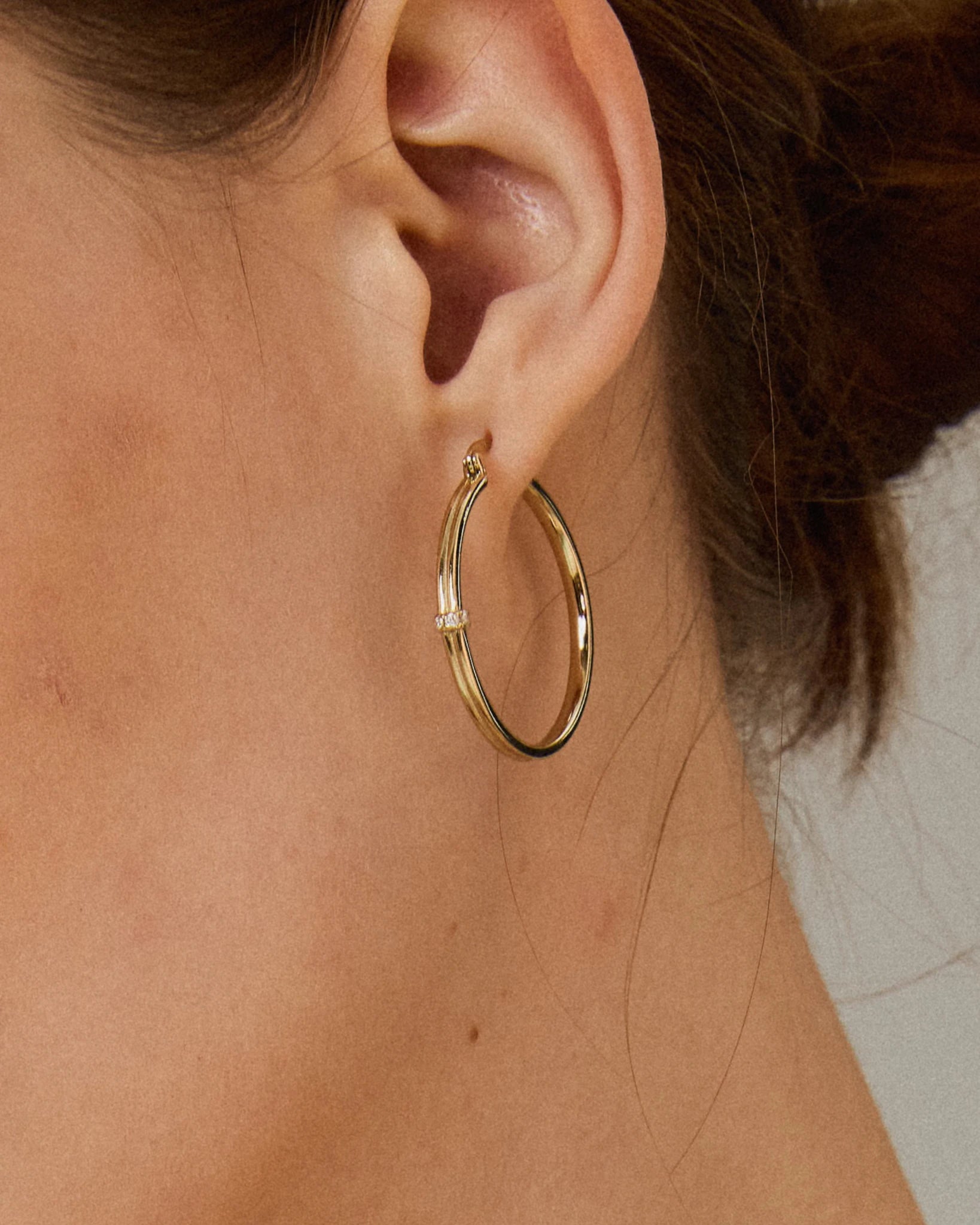
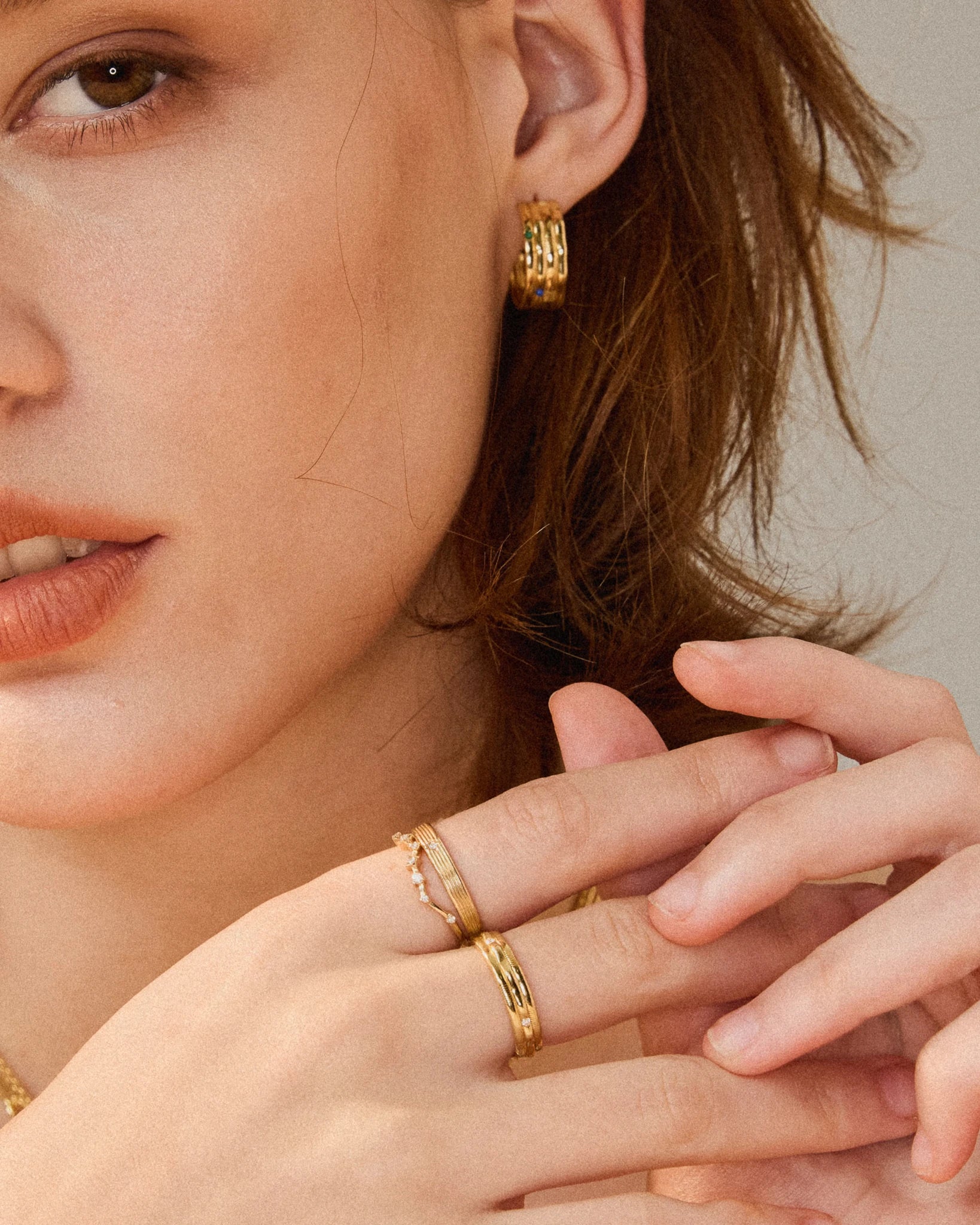
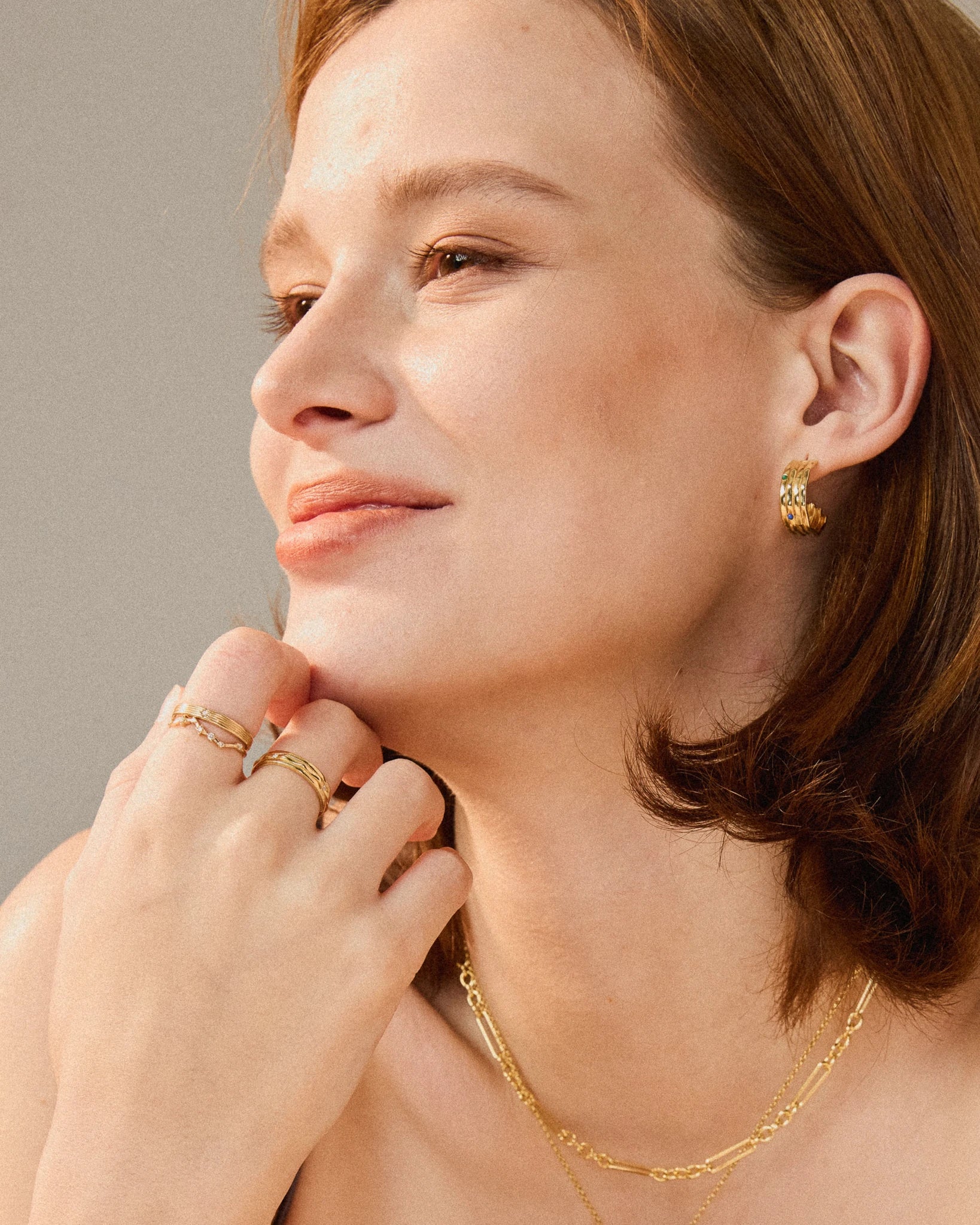
Brio Hoops | Roselight Hoop Charm
Choosing What to Carry
You don’t need many charms.
You just need the right punctuation.
The ones that slow you down.
The ones that give emphasis.
The ones that let your sentence keep going.
Because the most meaningful jewelry doesn’t shout.
It stays close.
And like a good poem, it keeps revealing more the longer you live with it.