
The Day It Happened
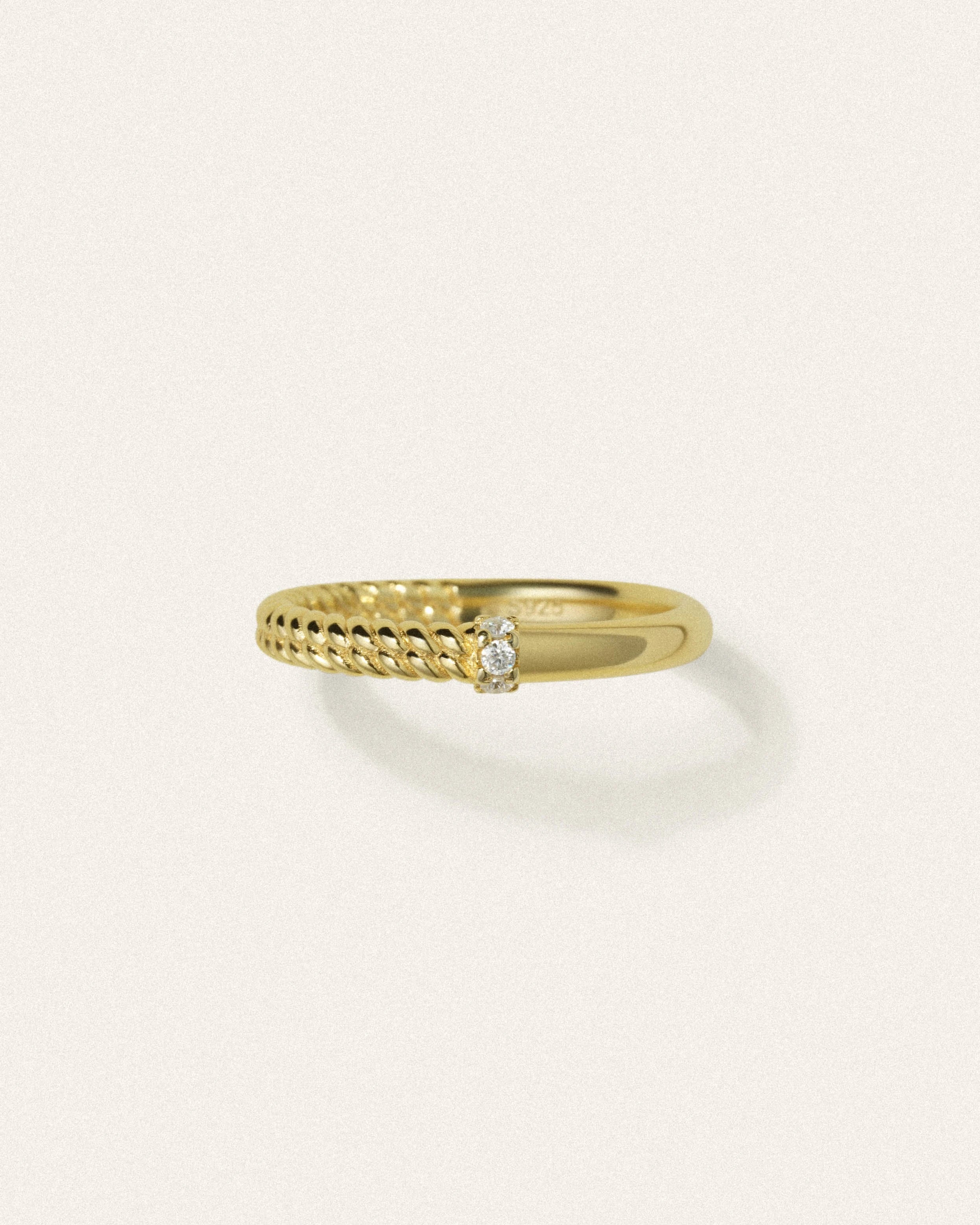
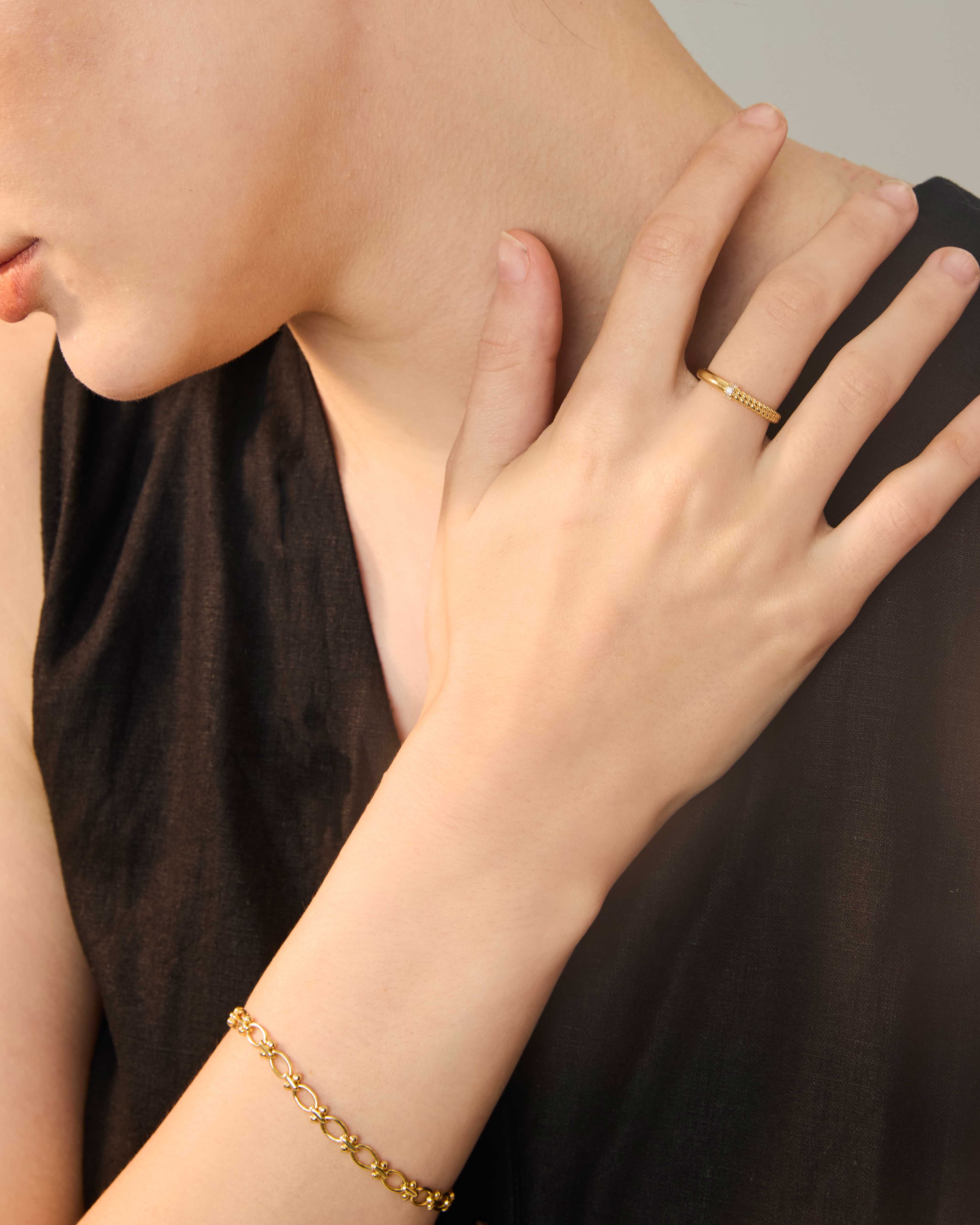
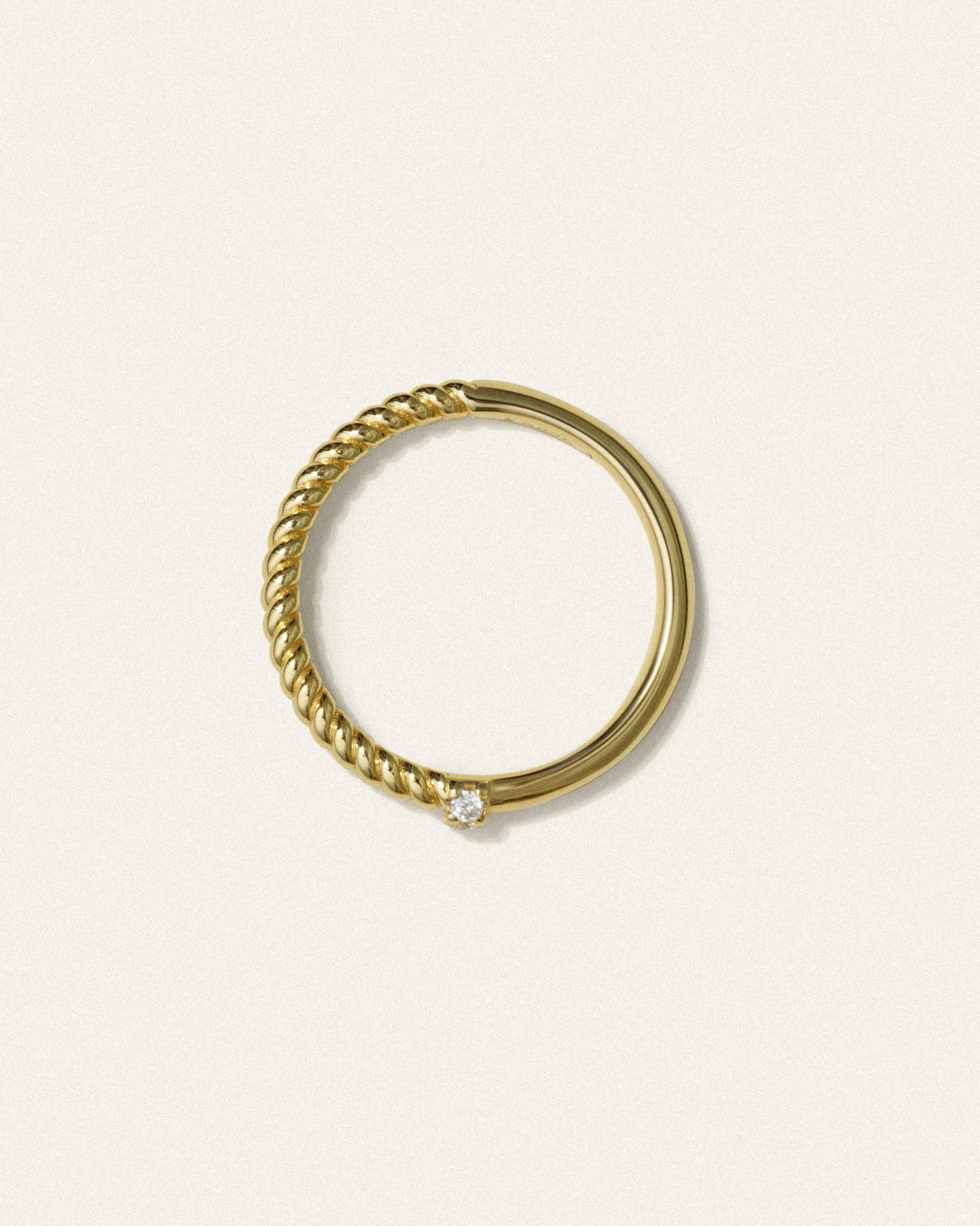
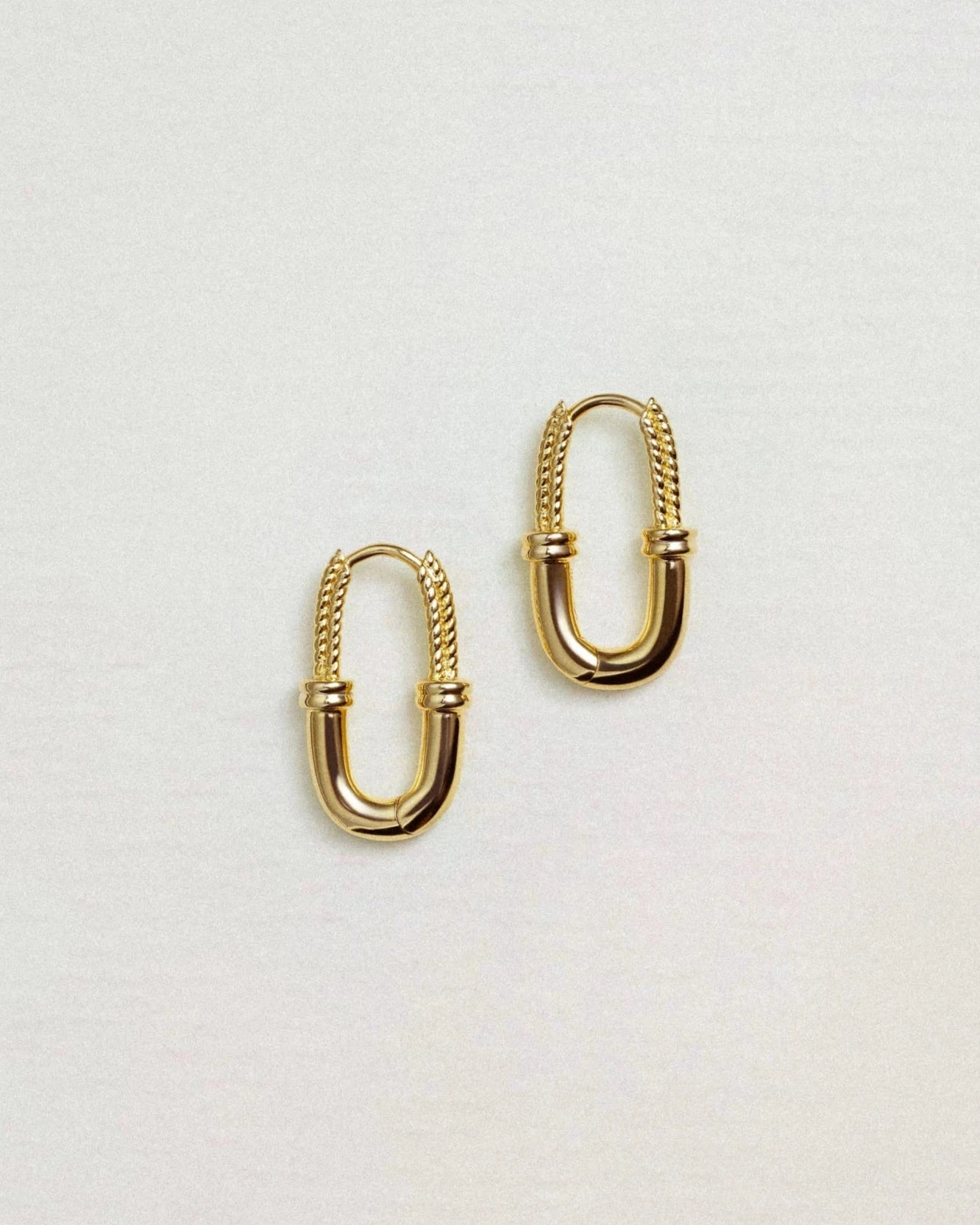
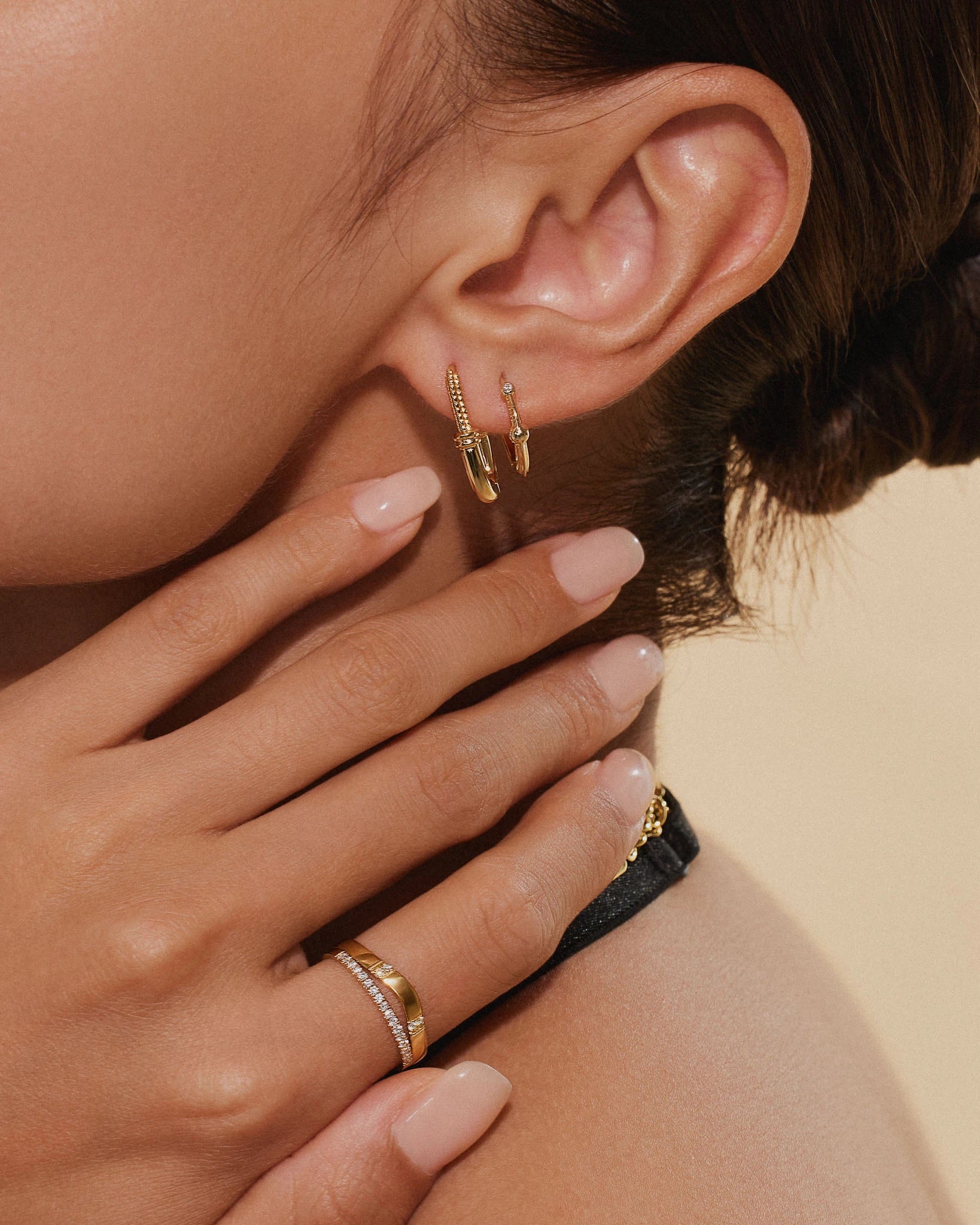
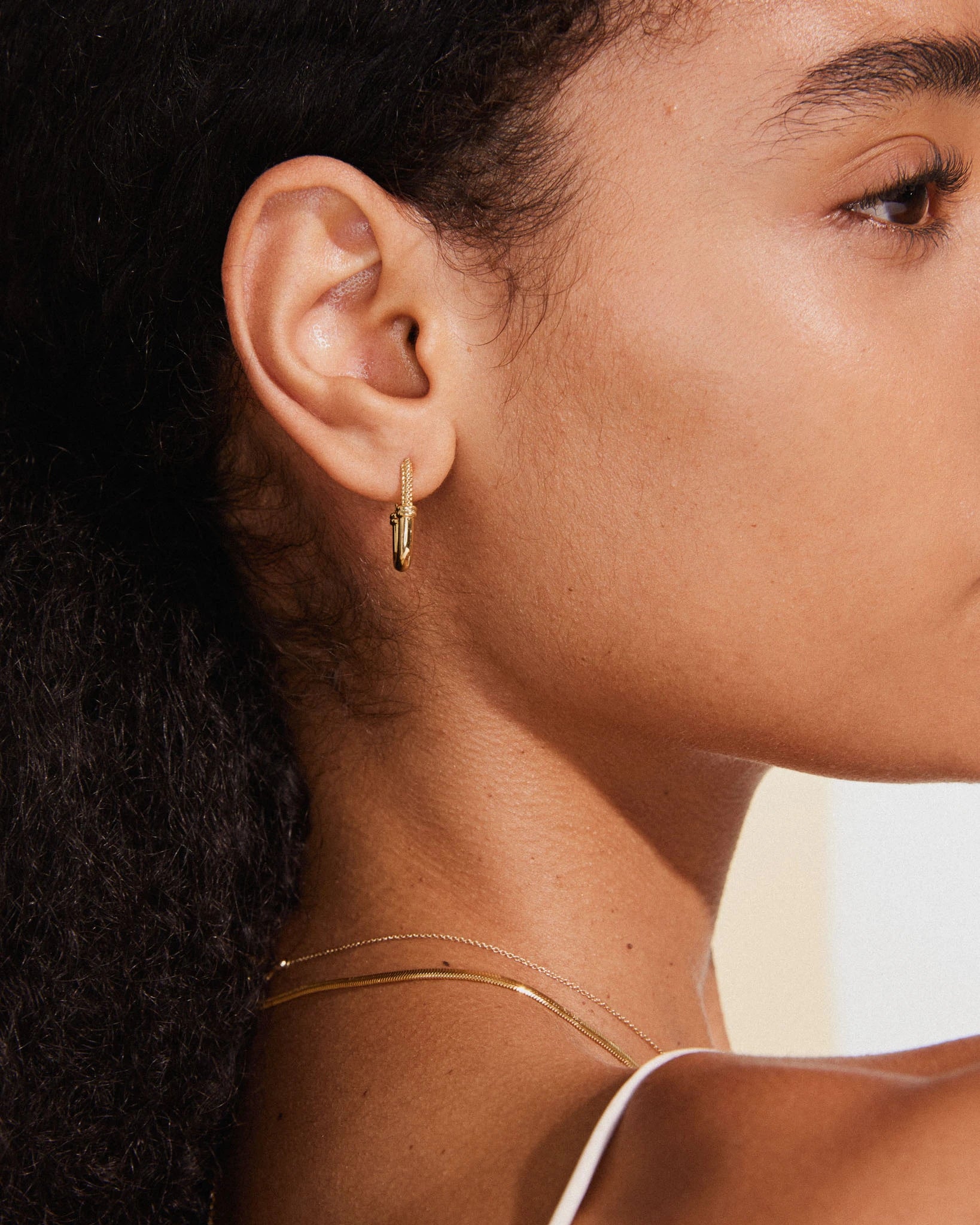
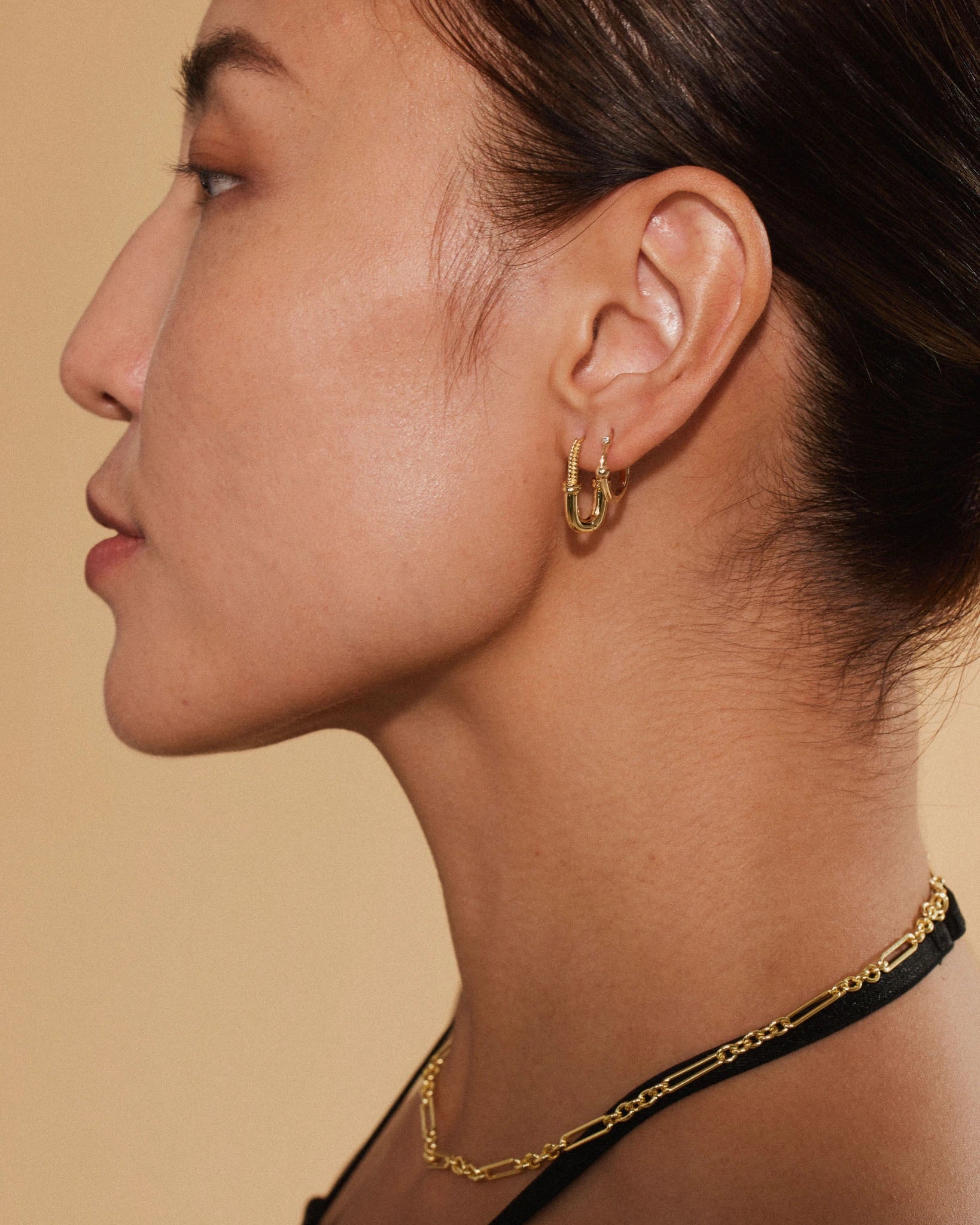
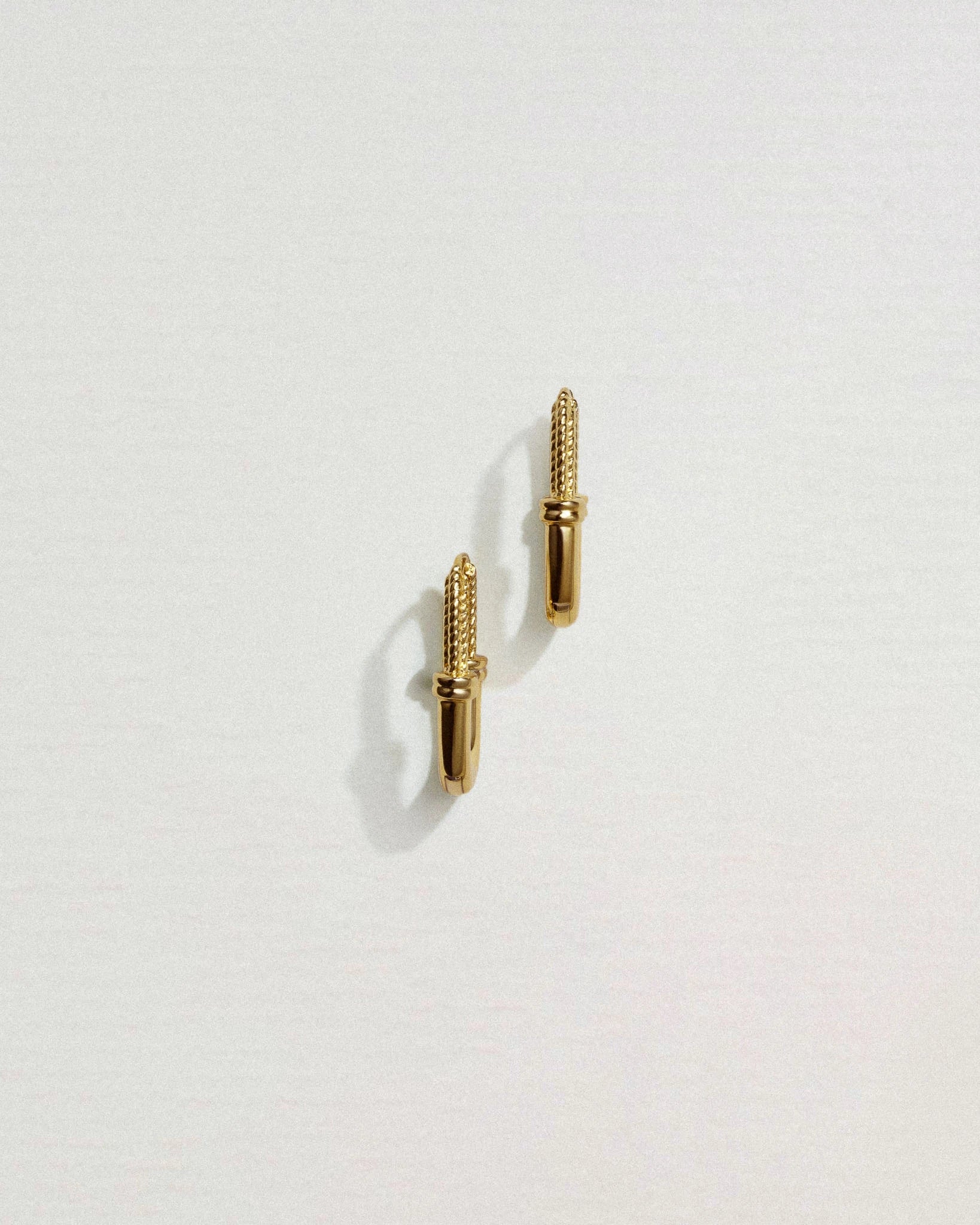
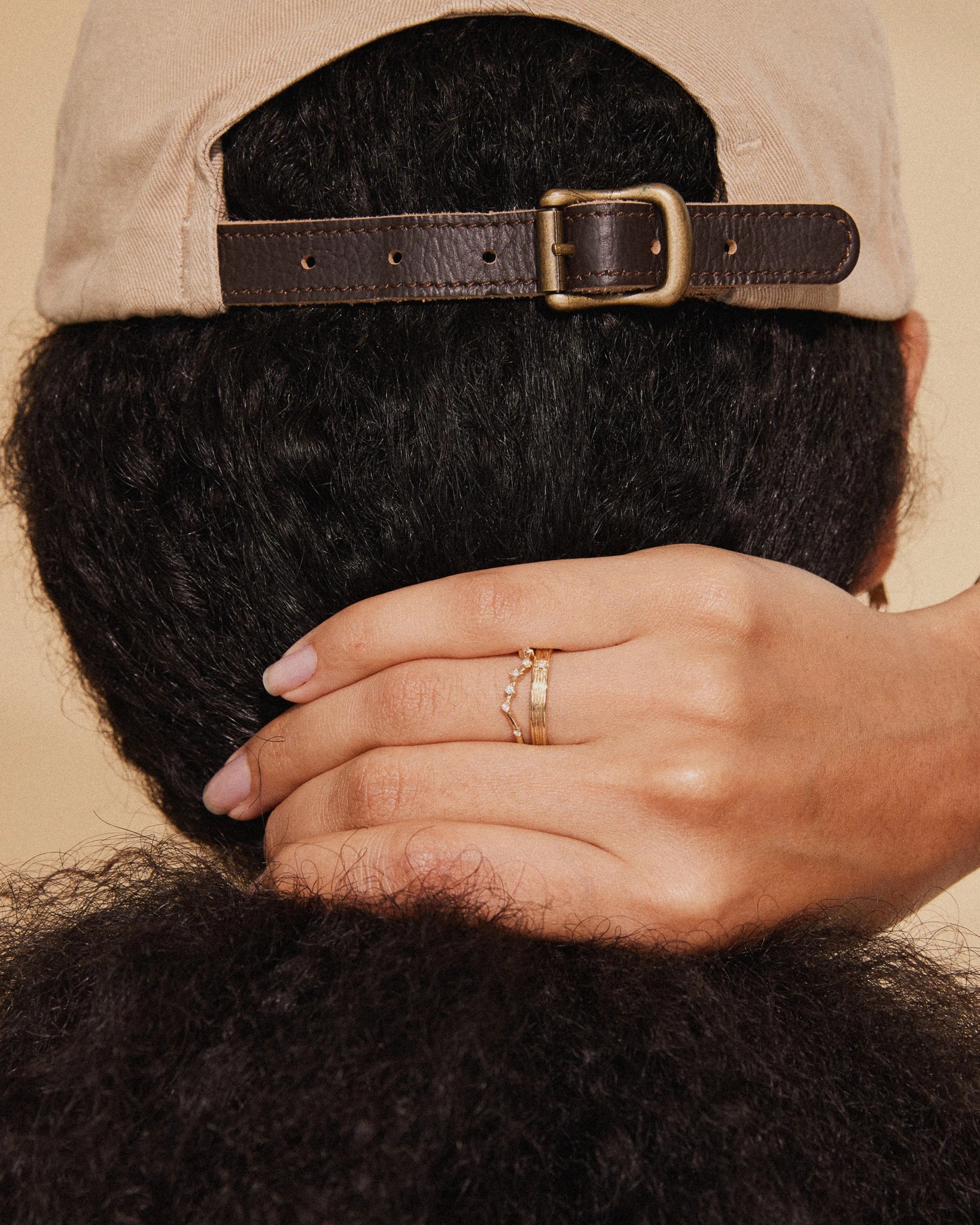
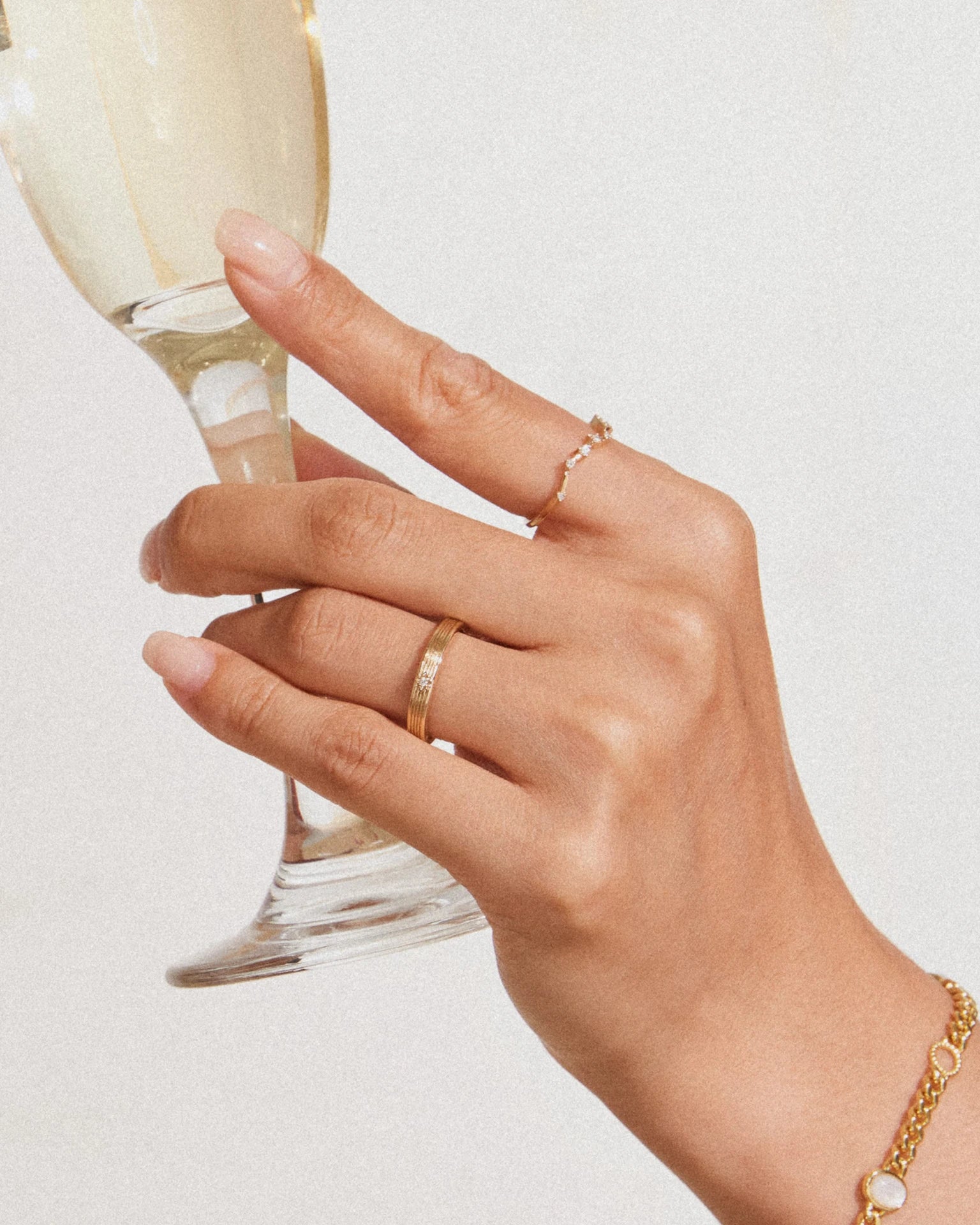
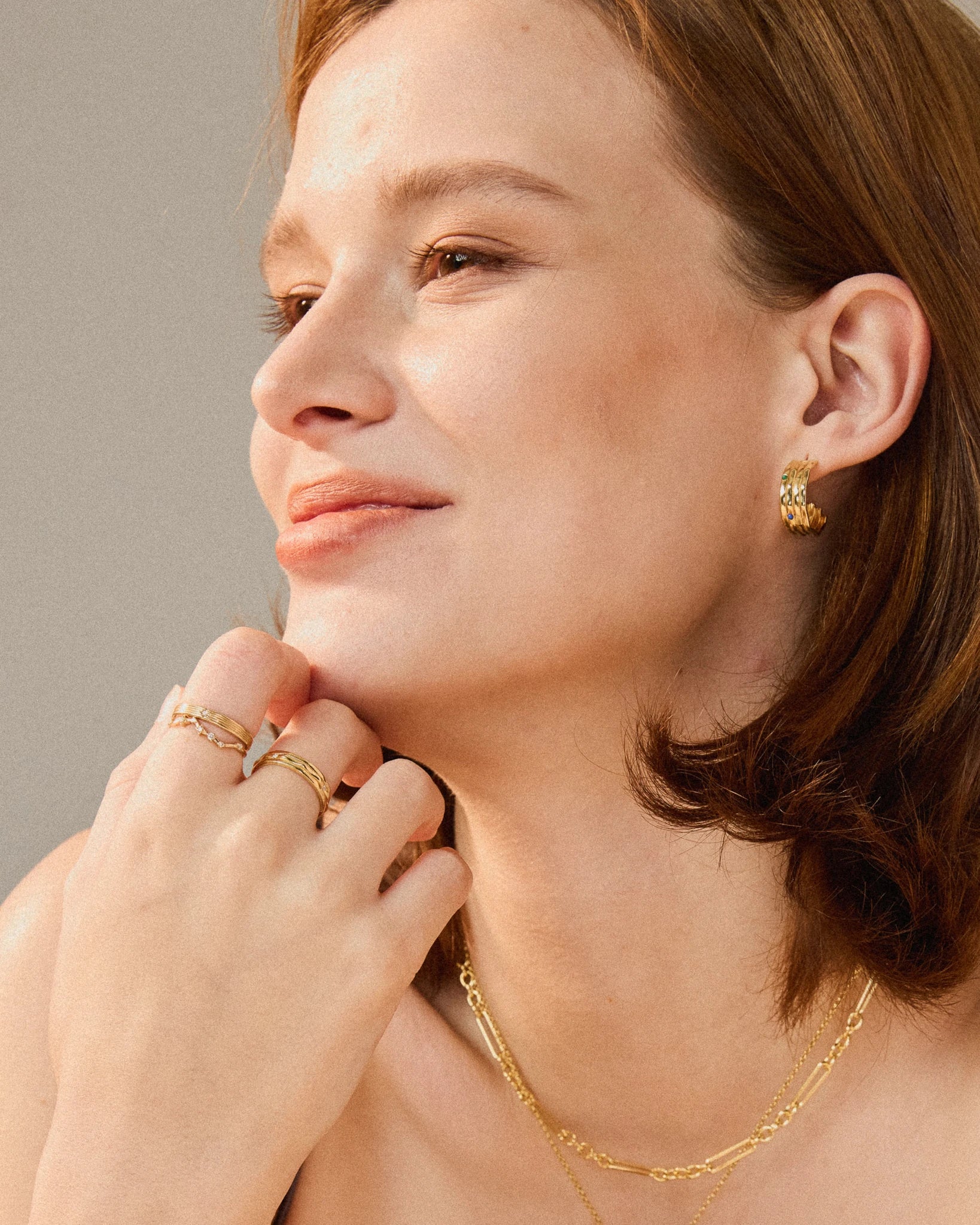
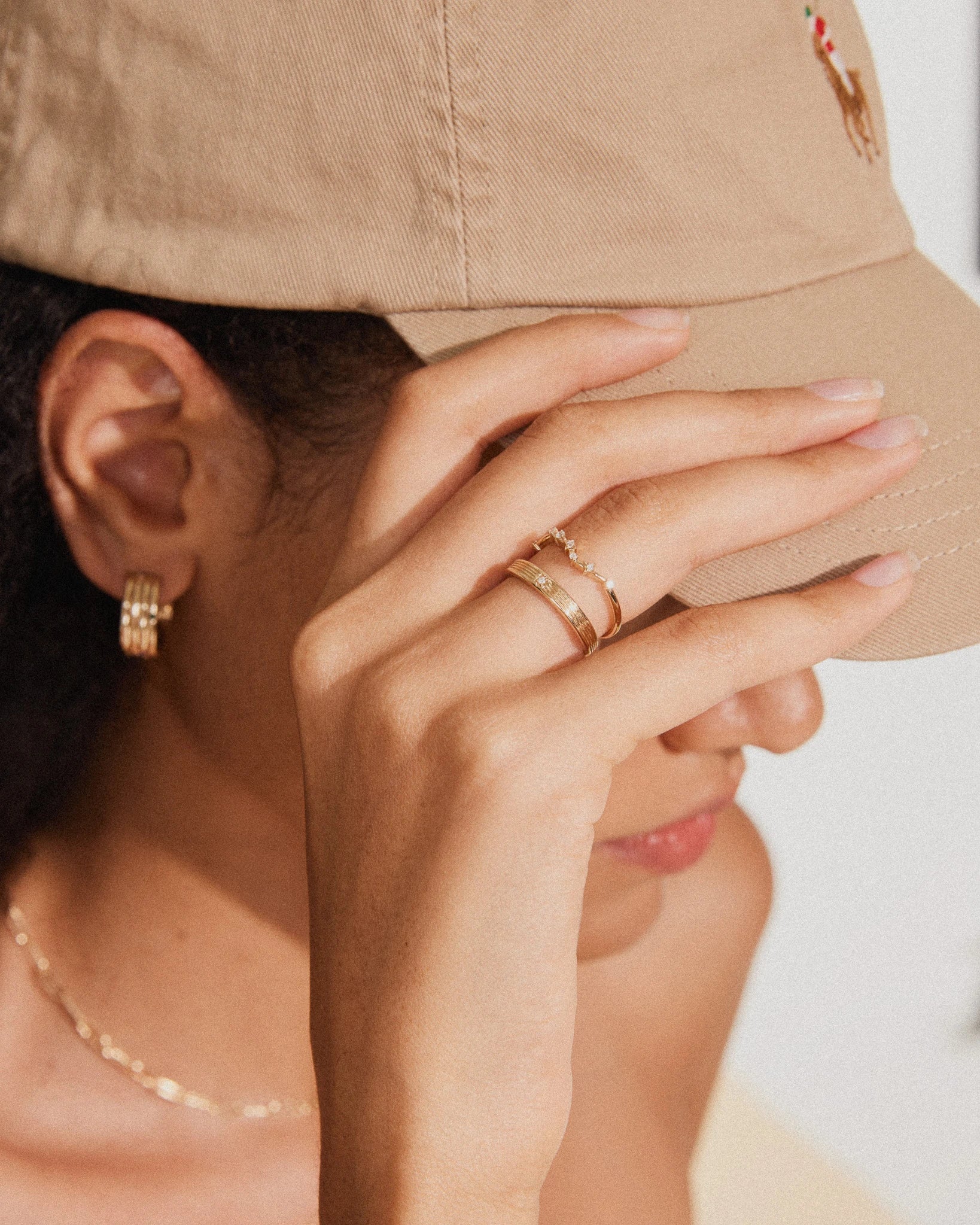
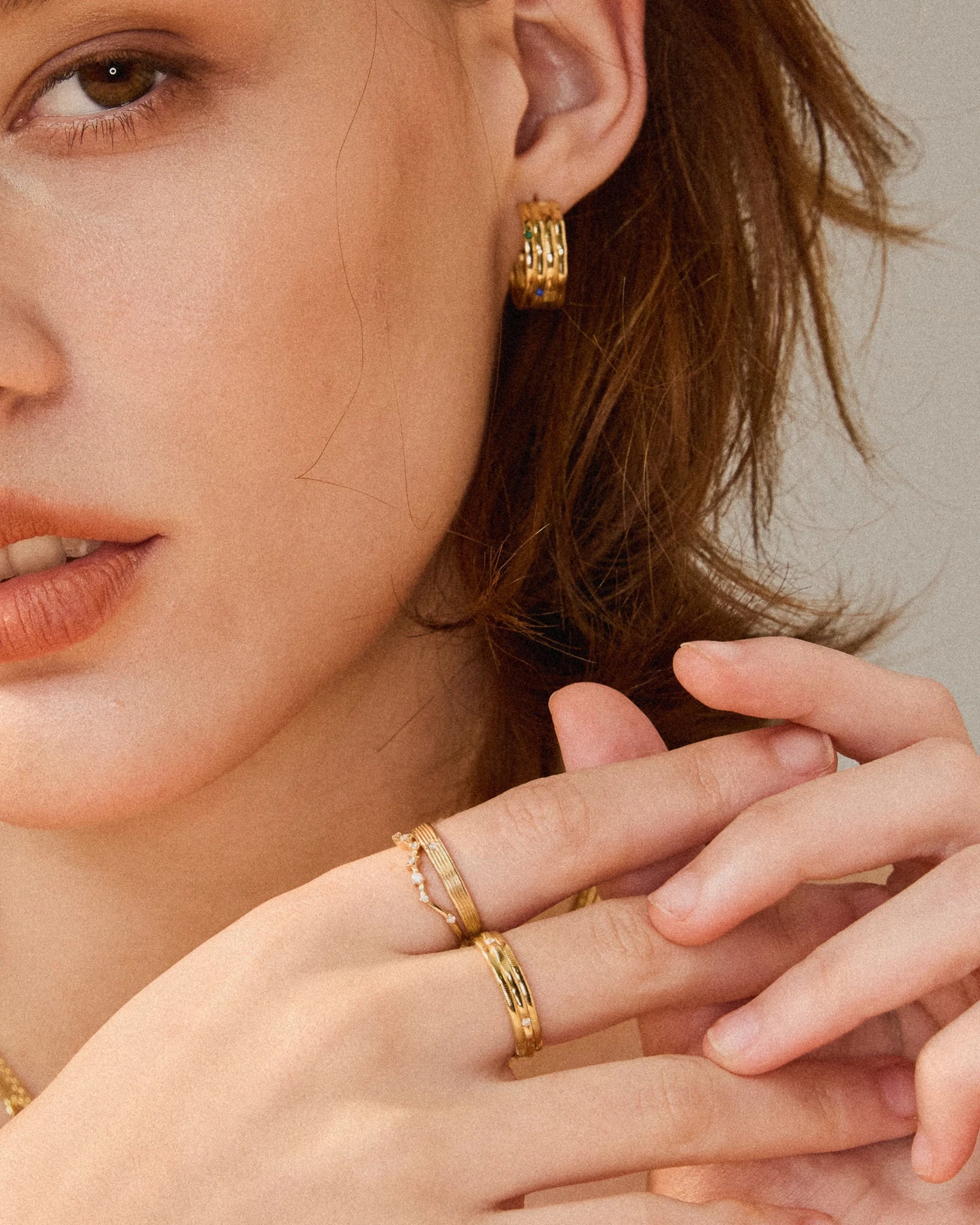
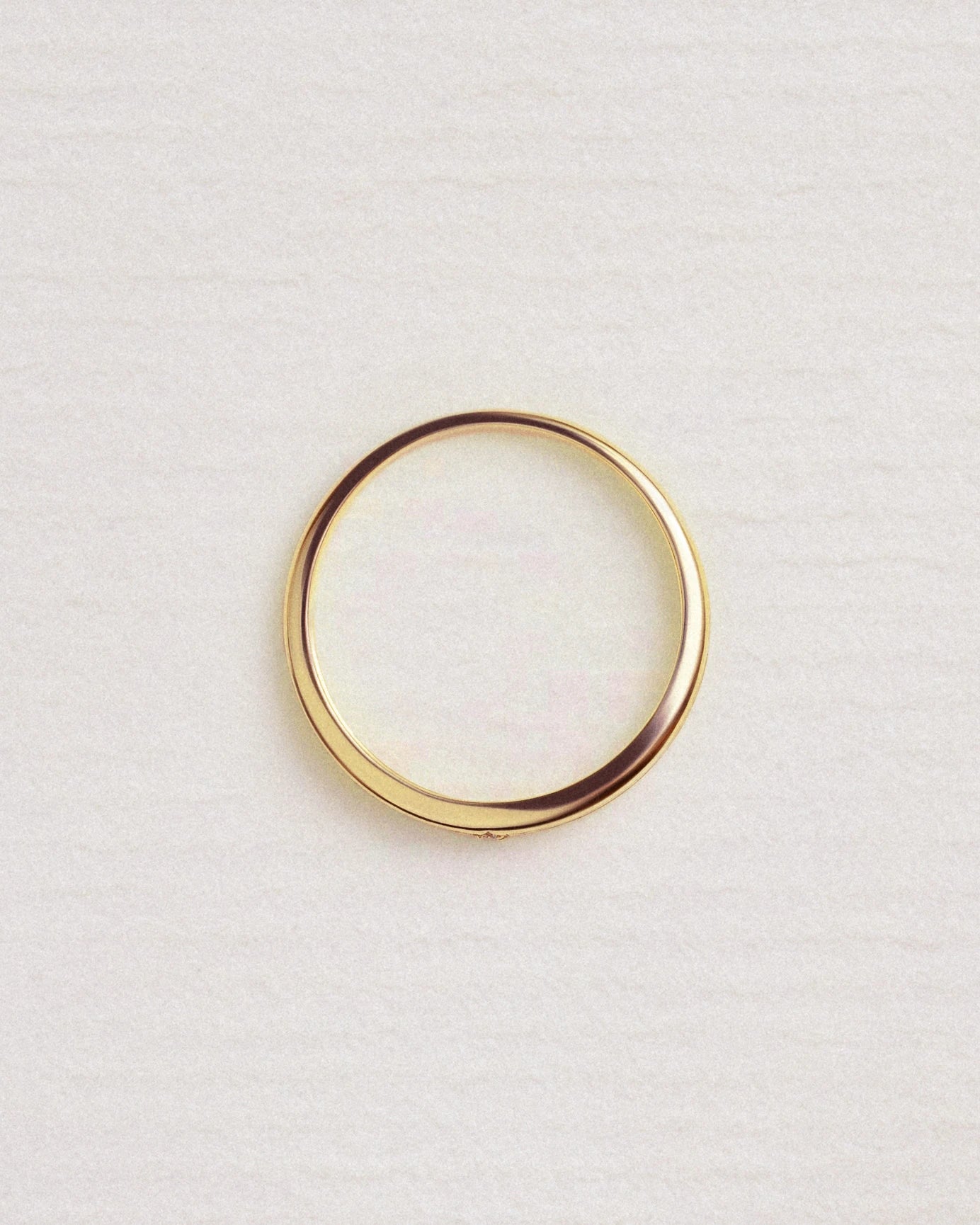
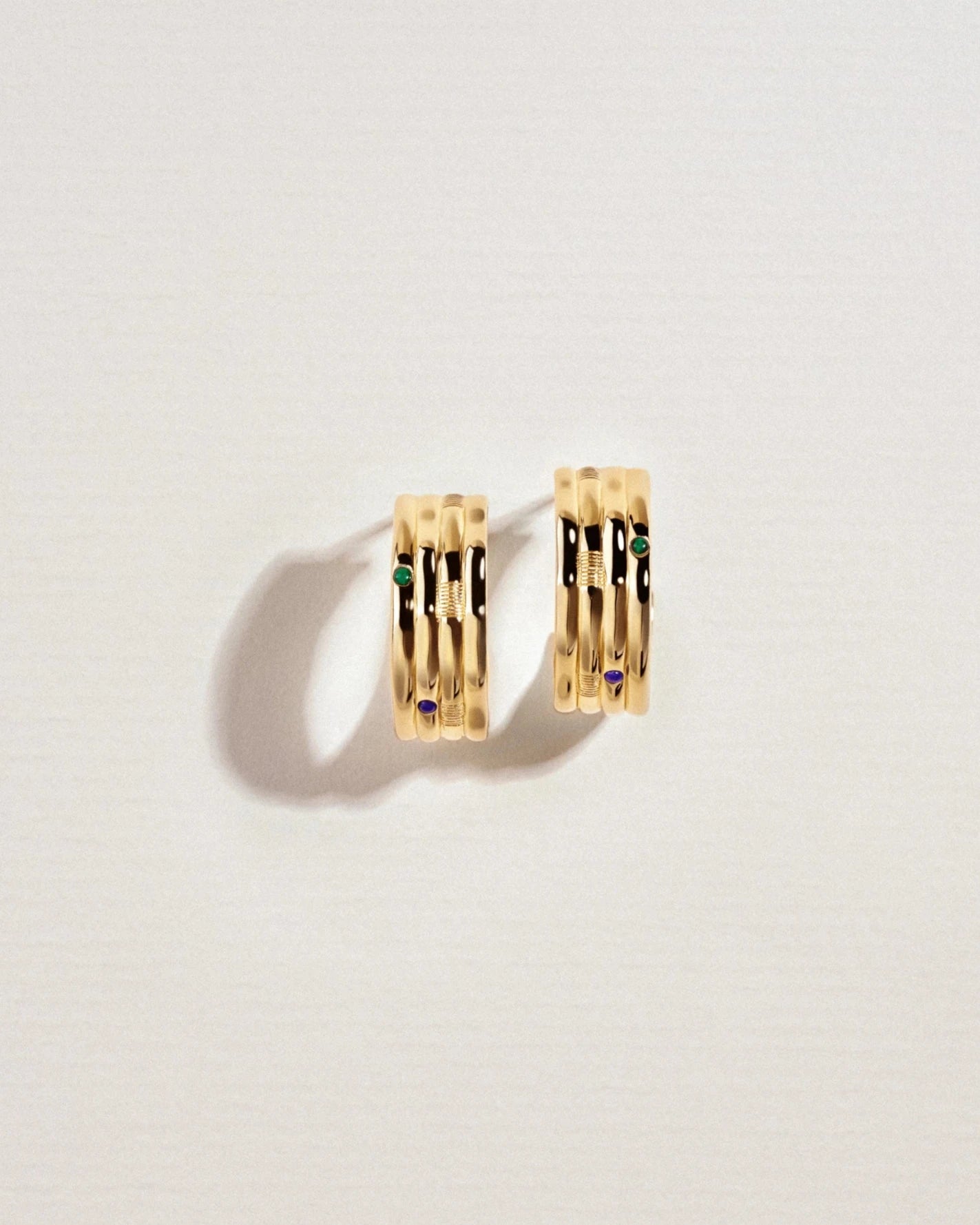
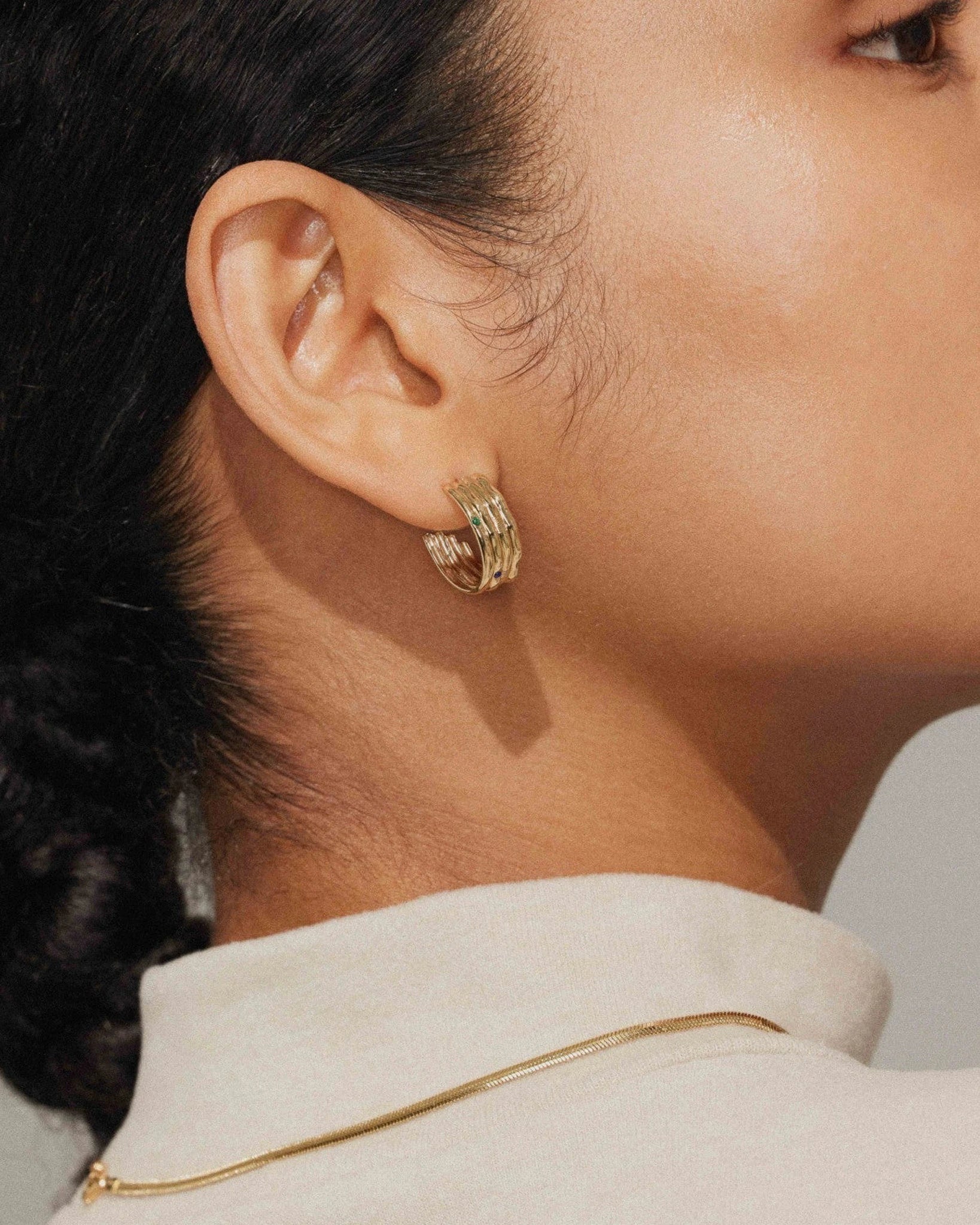
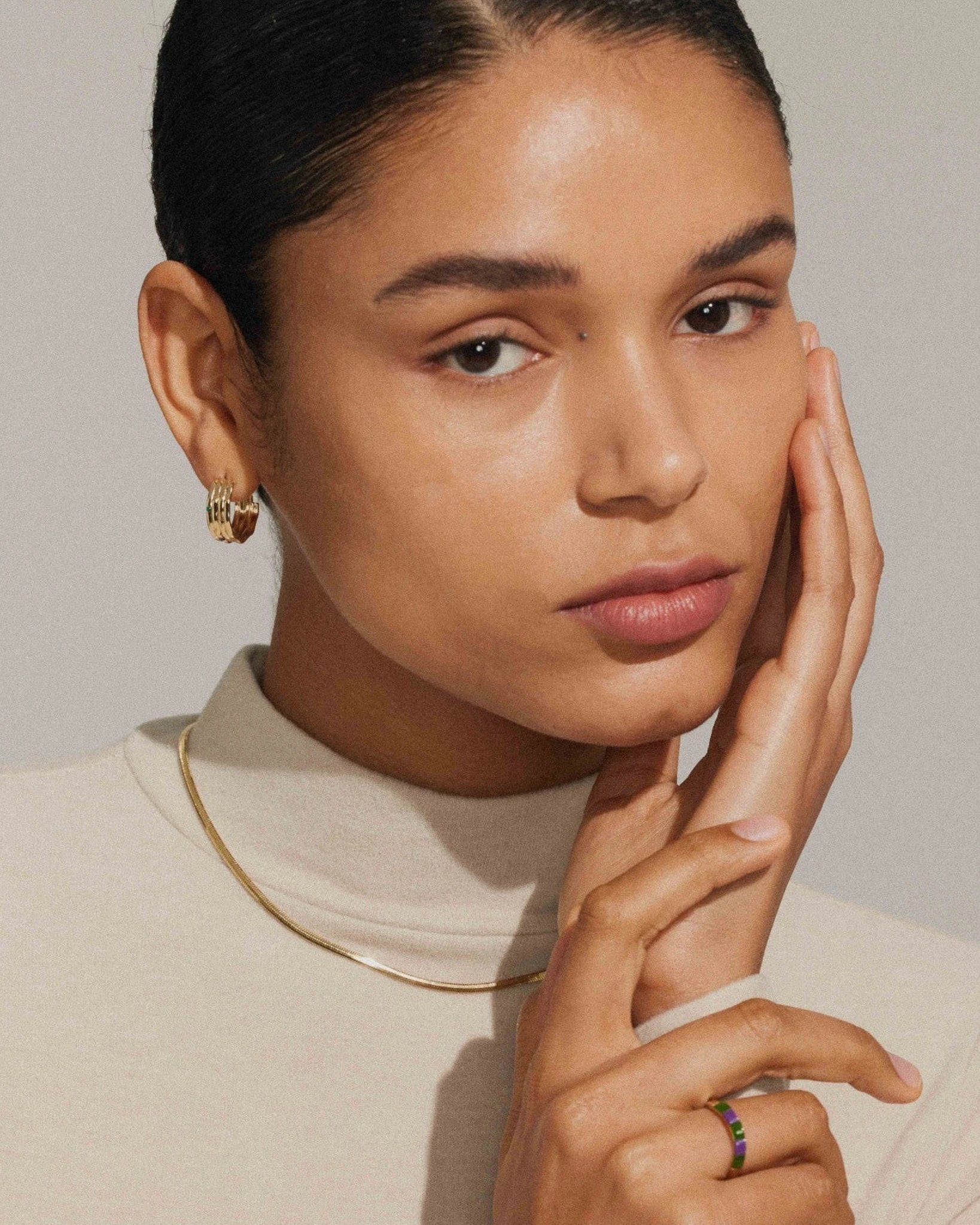
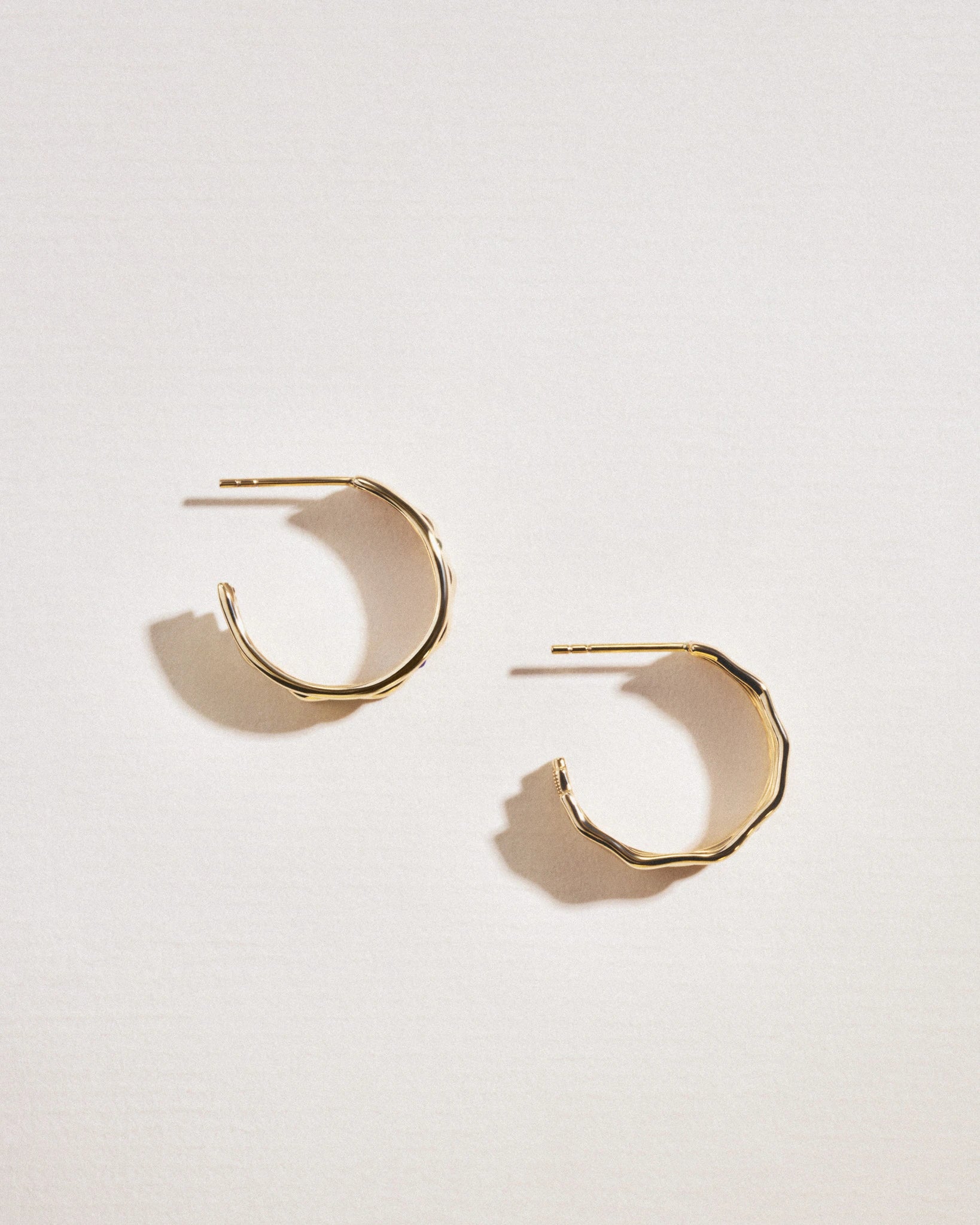
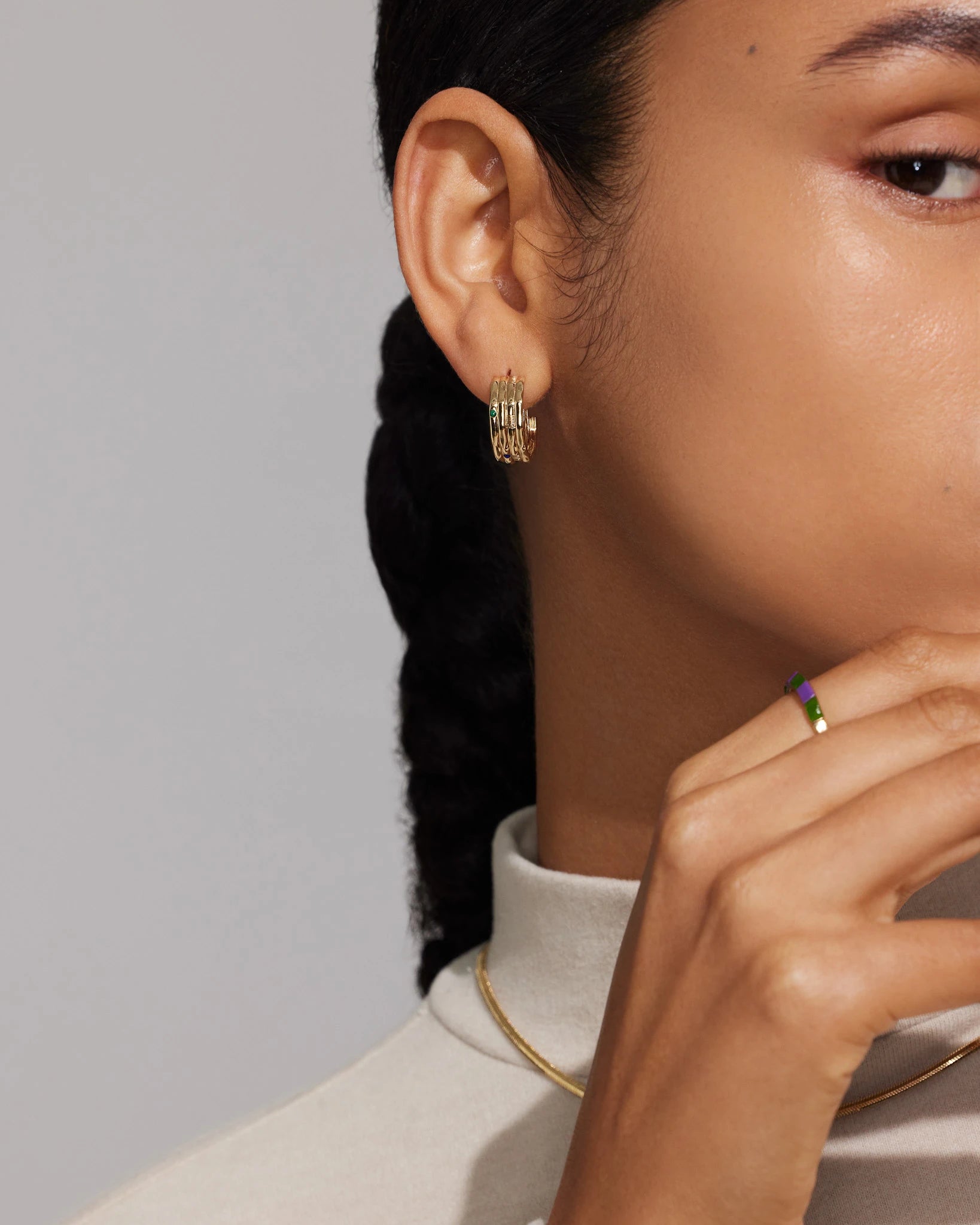
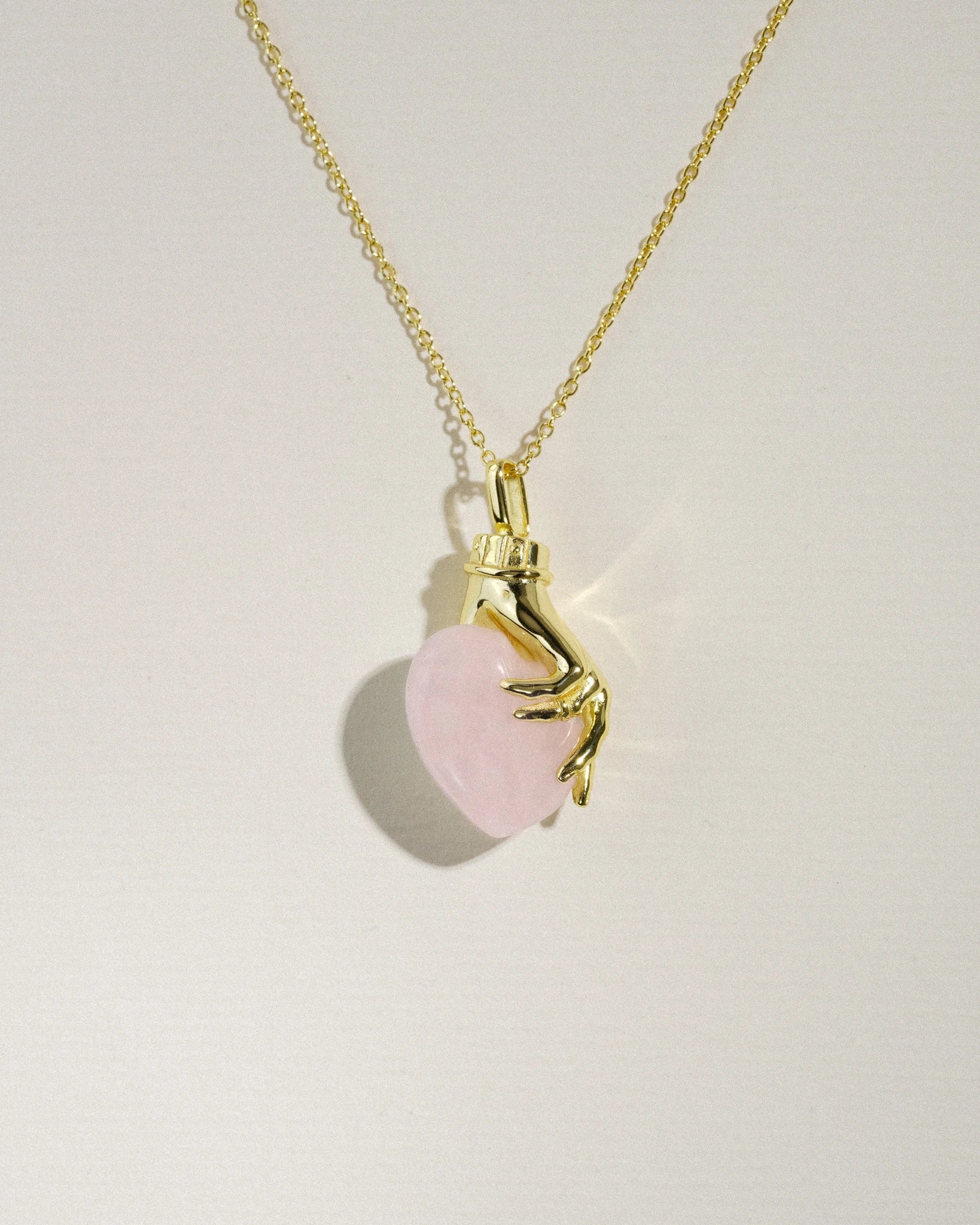
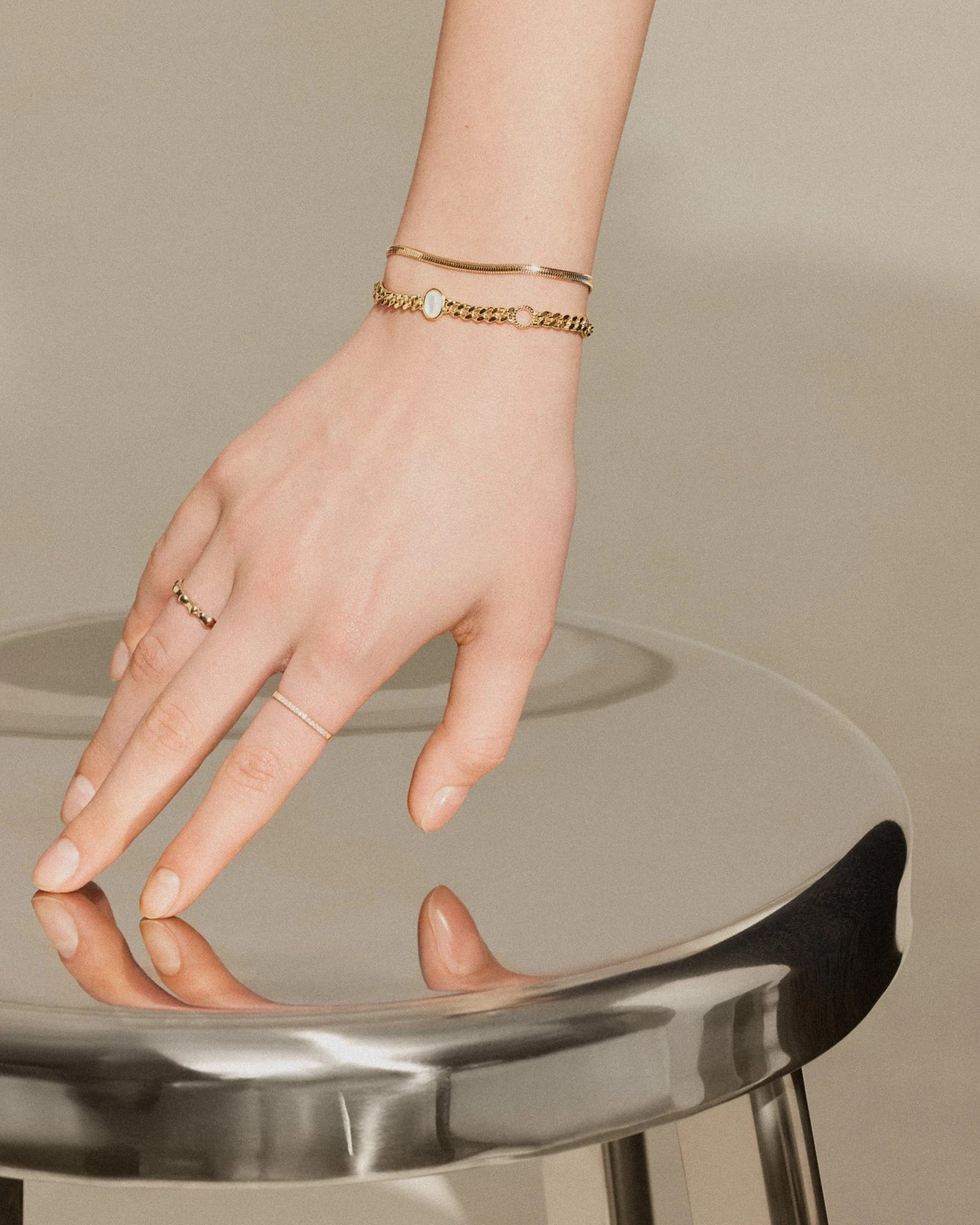
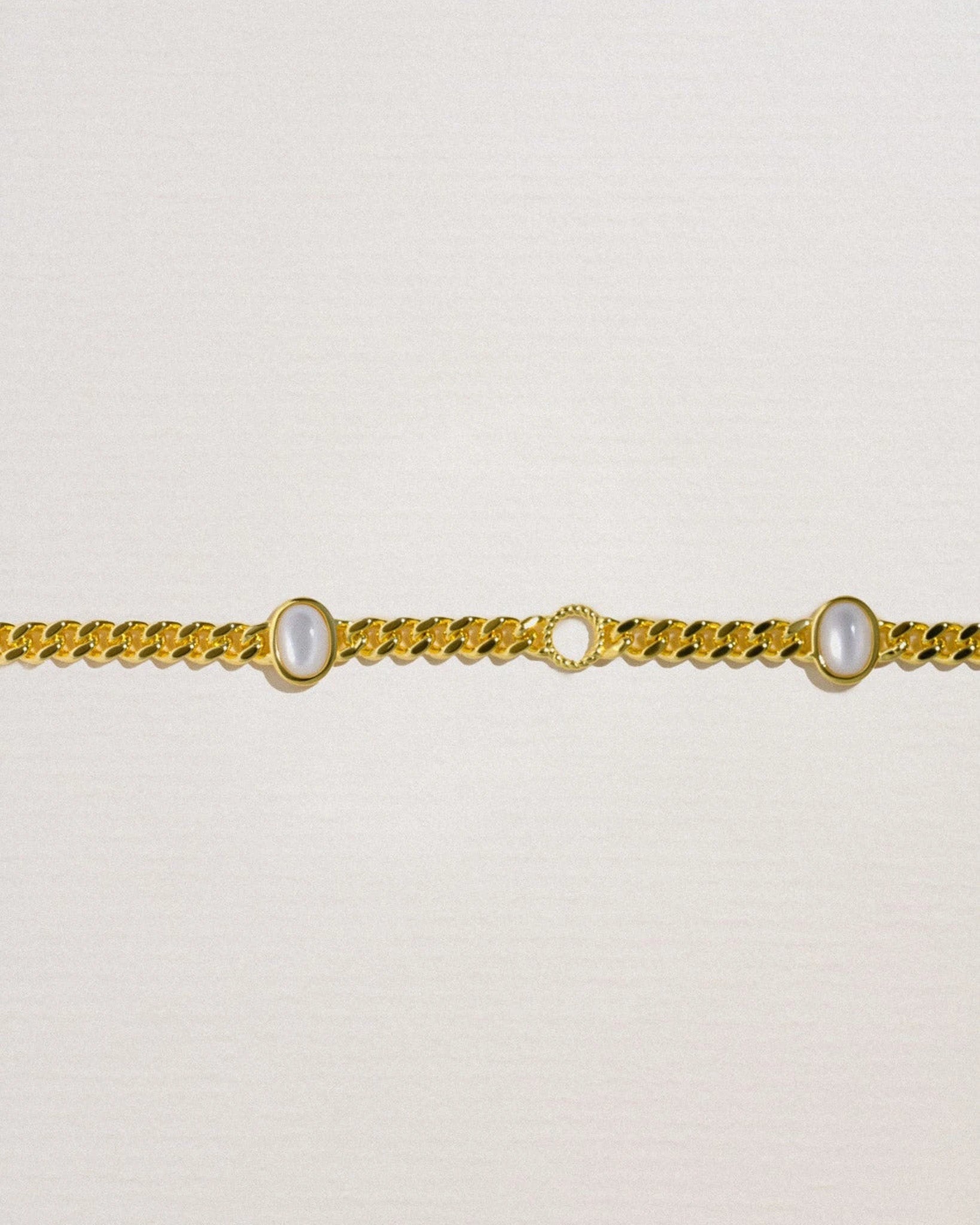
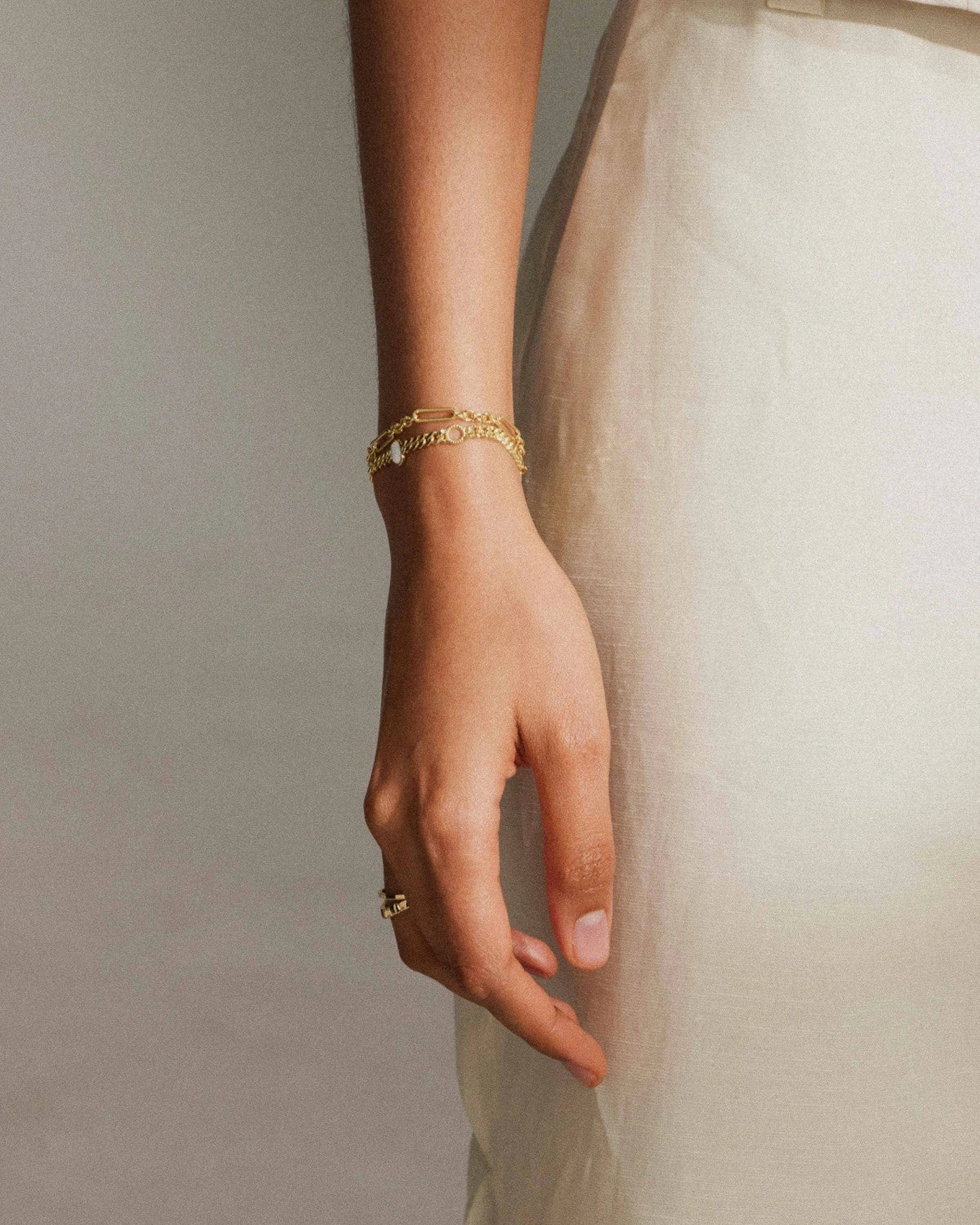
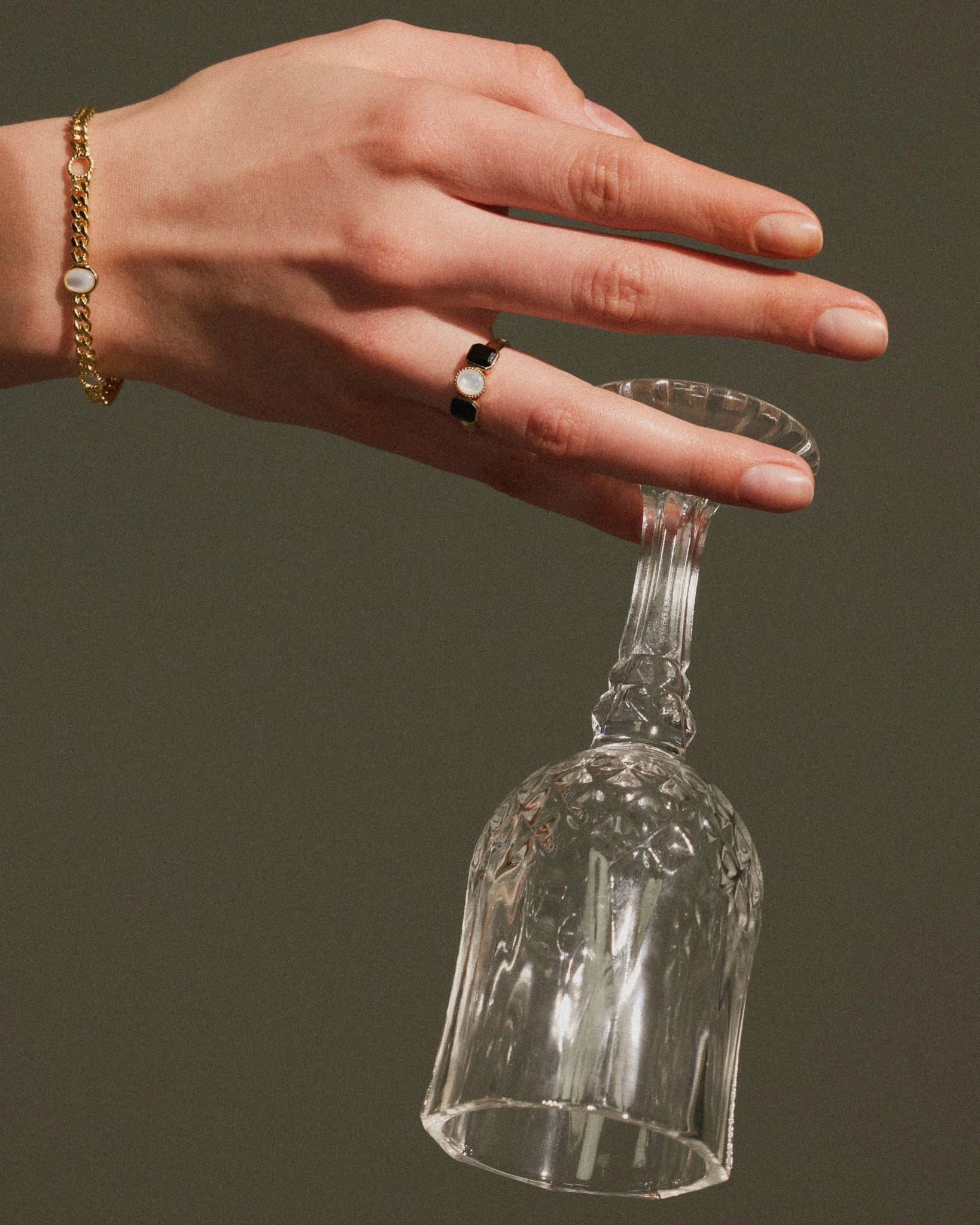
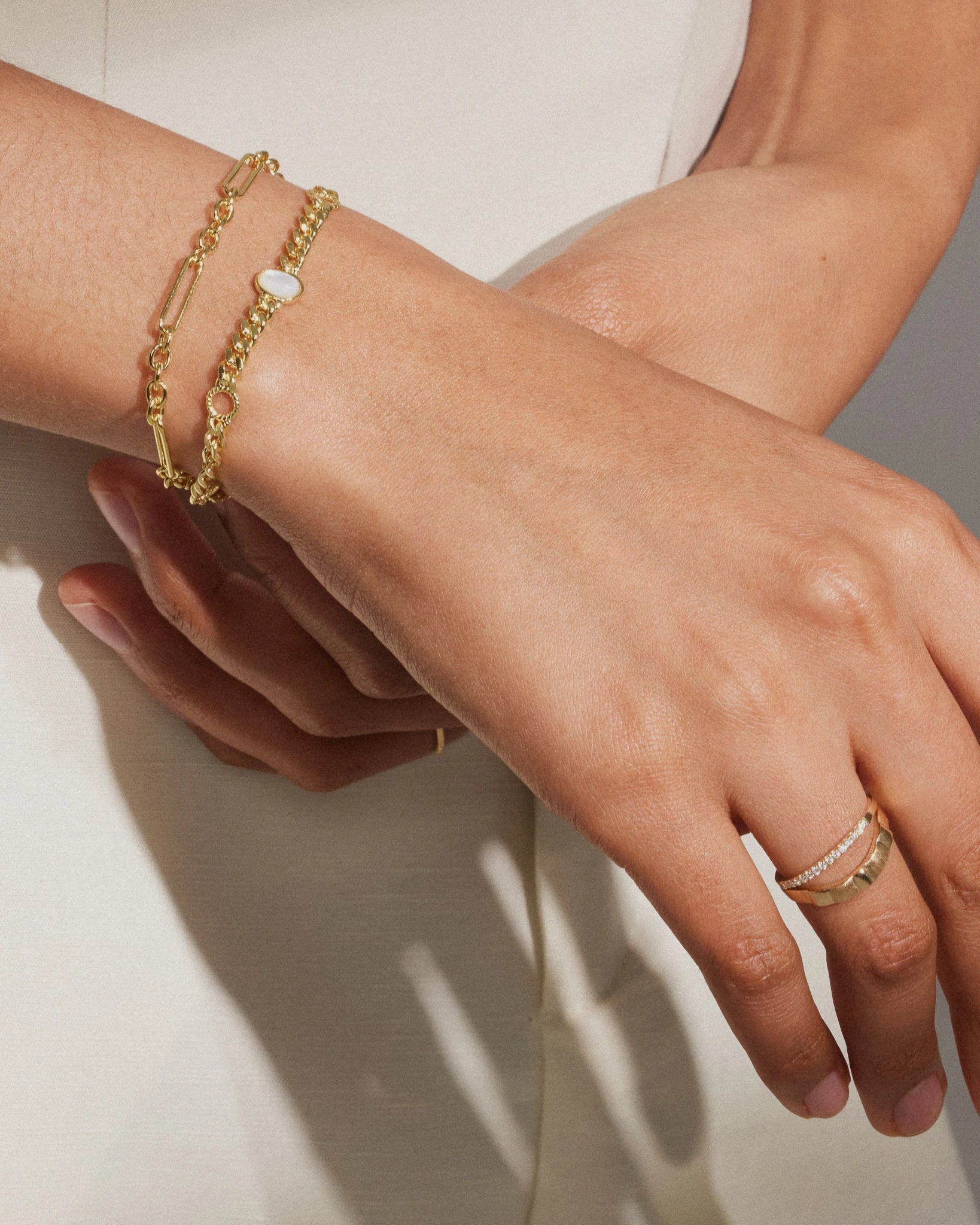
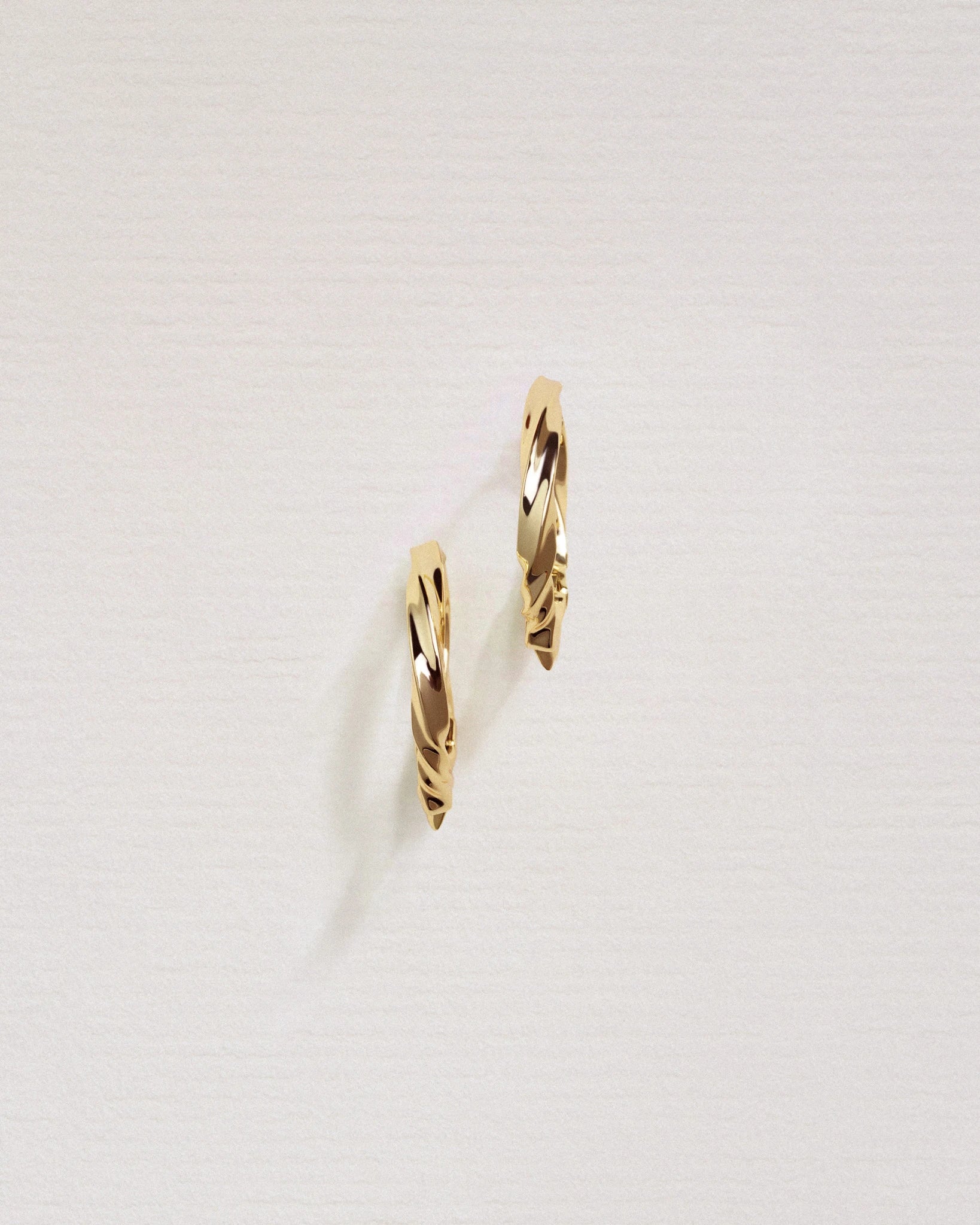
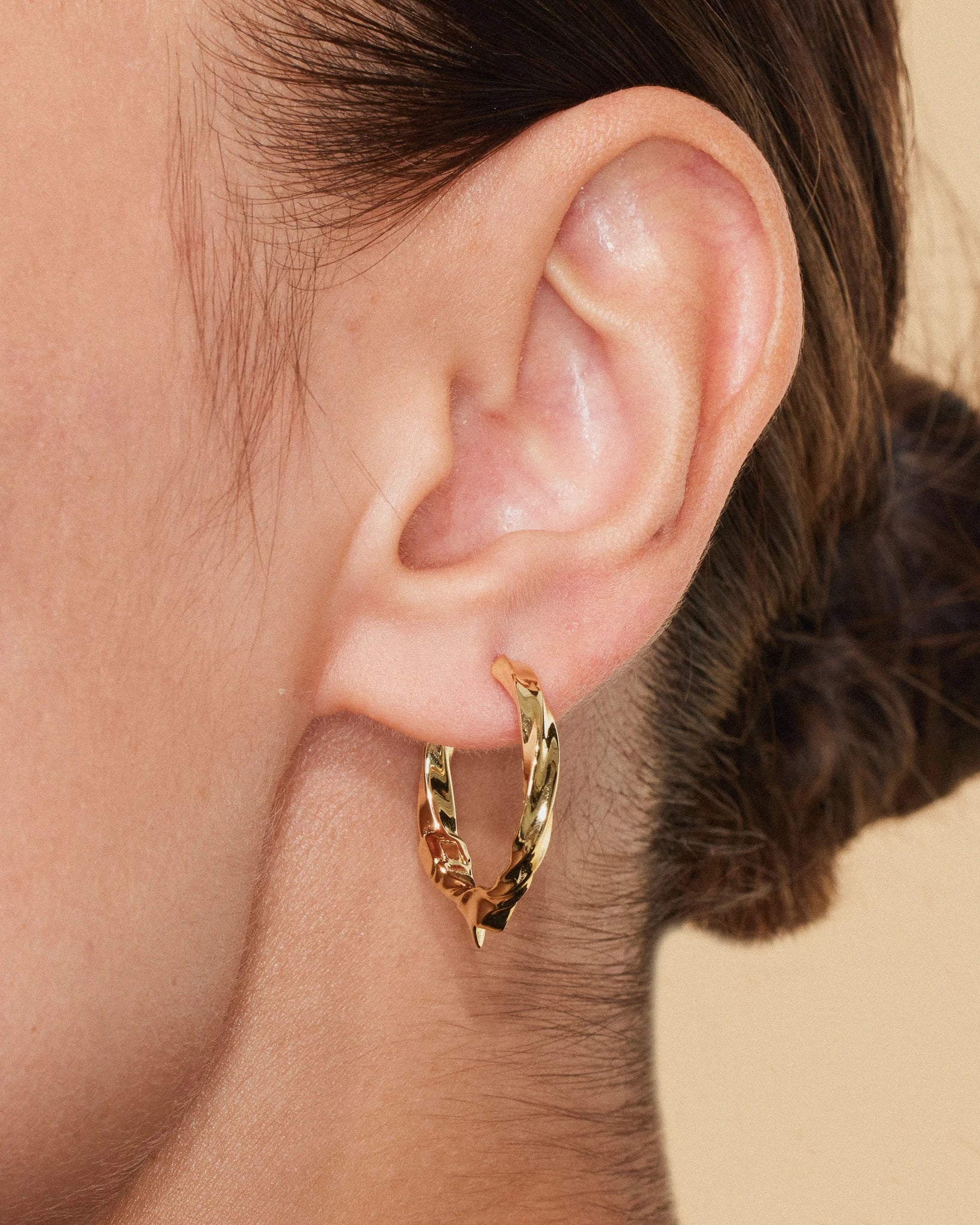
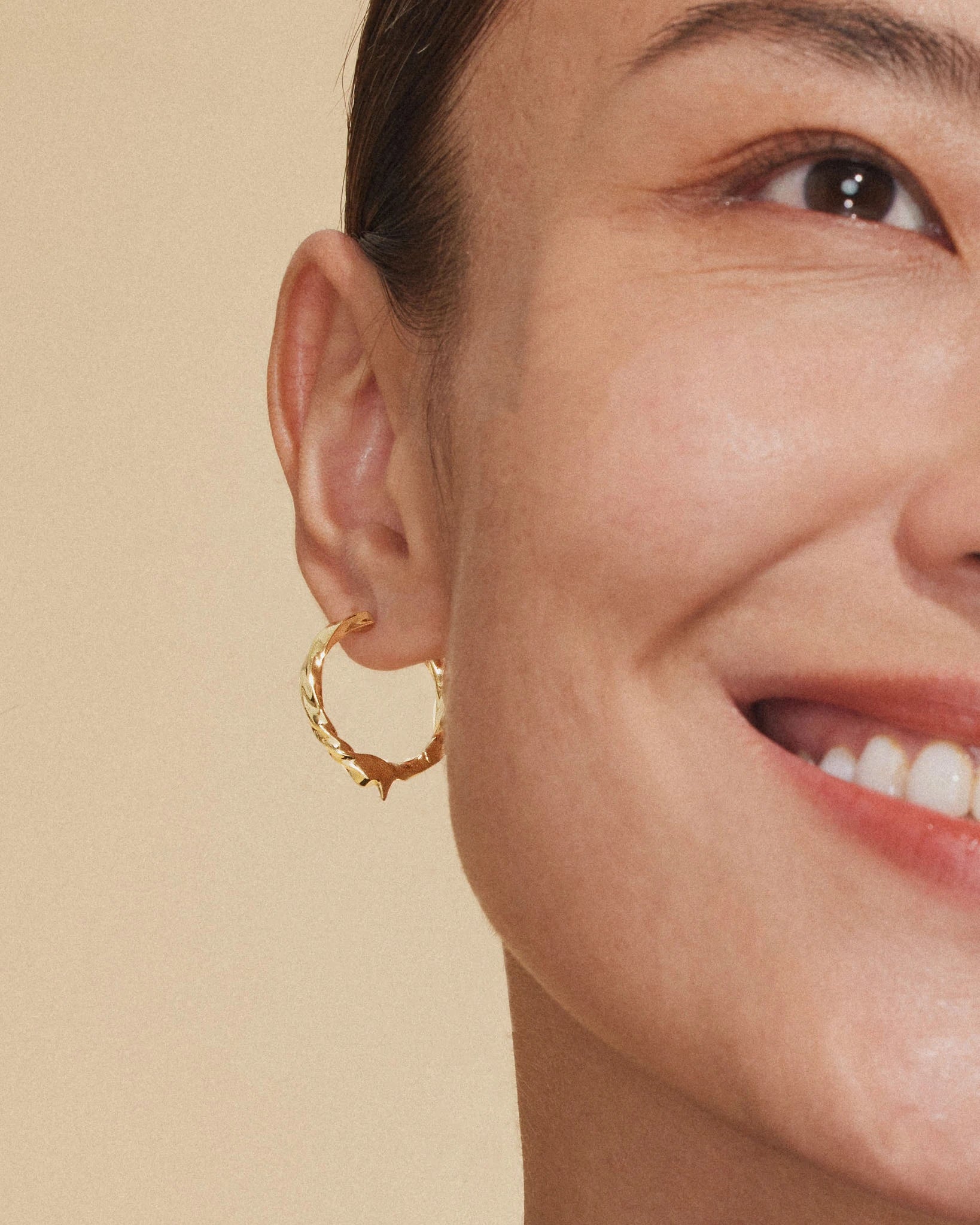
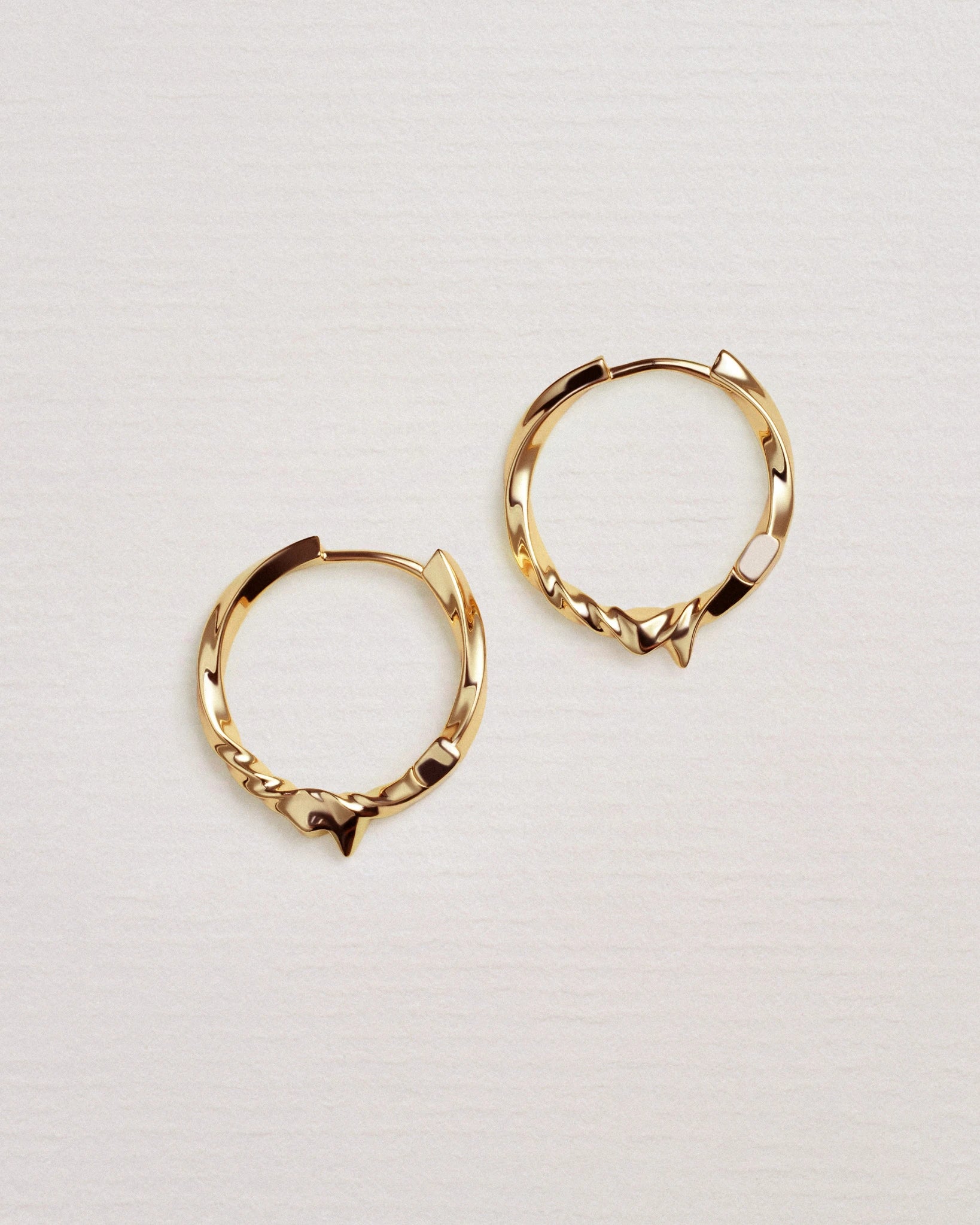
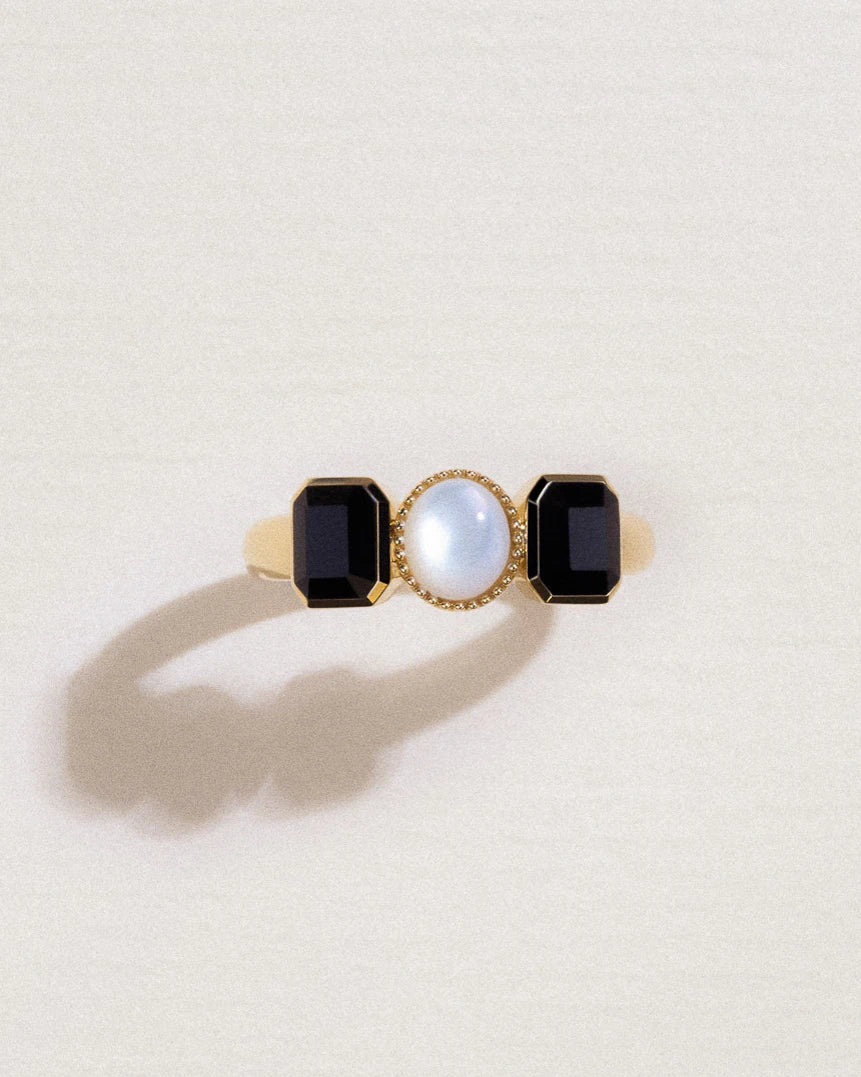
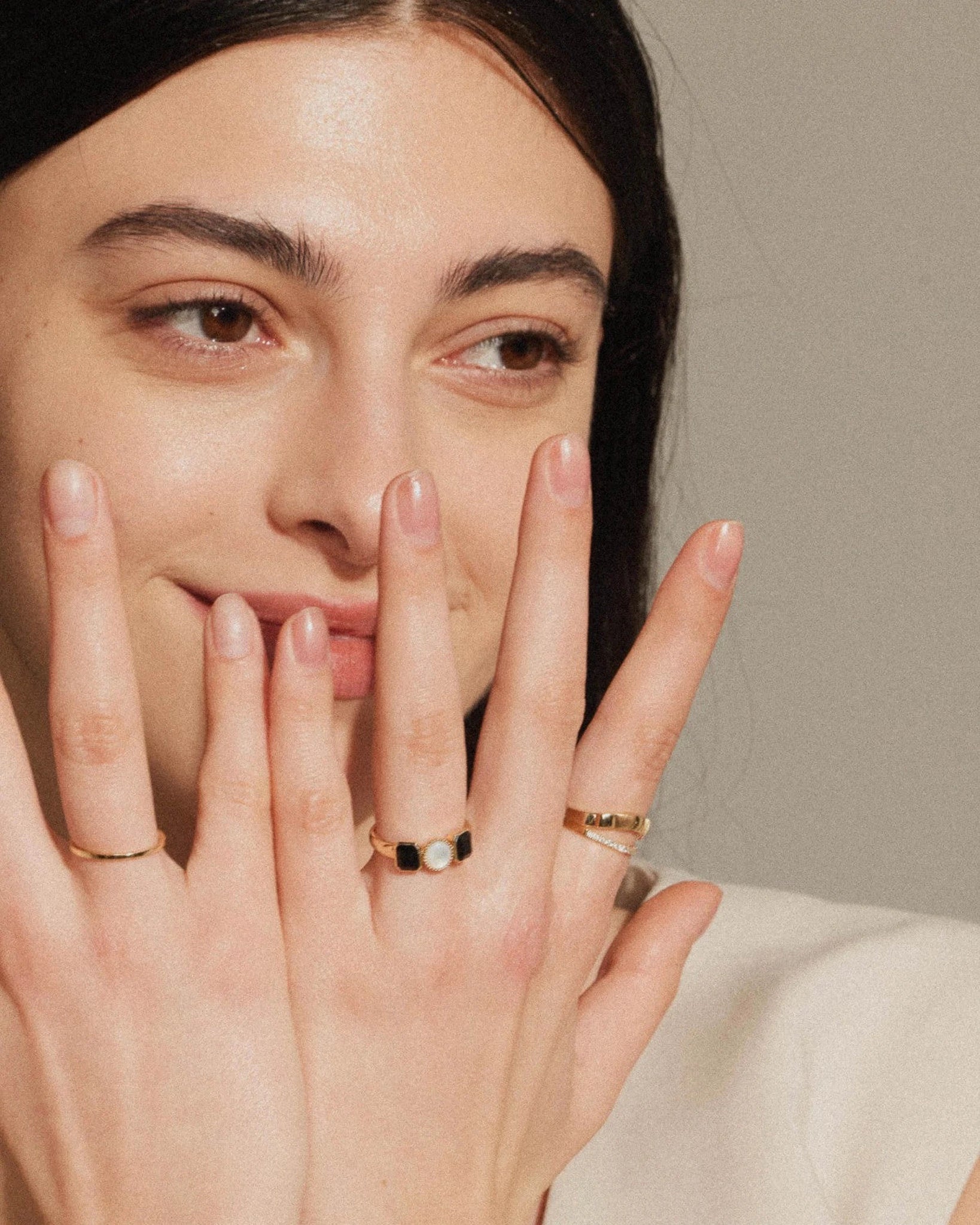
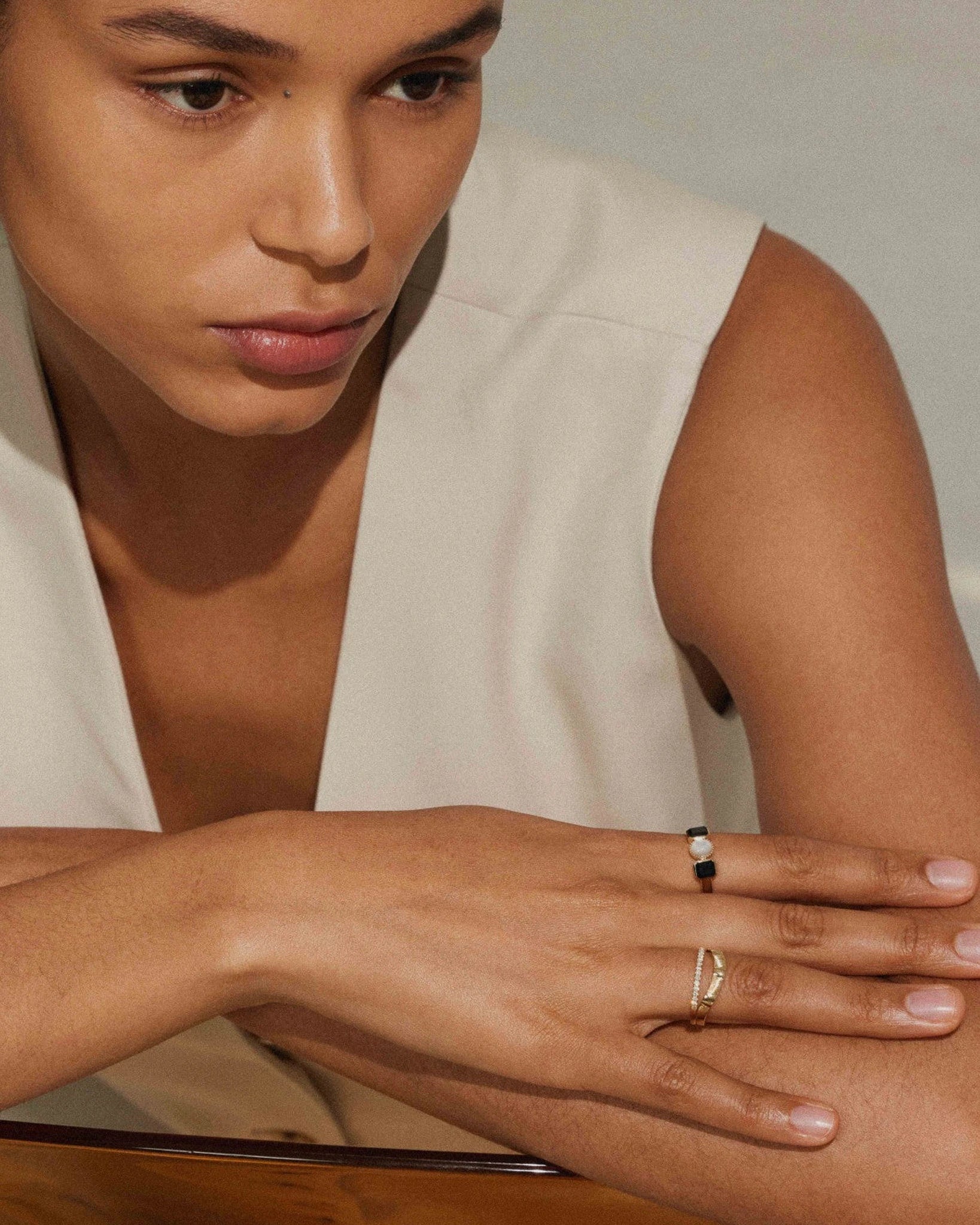
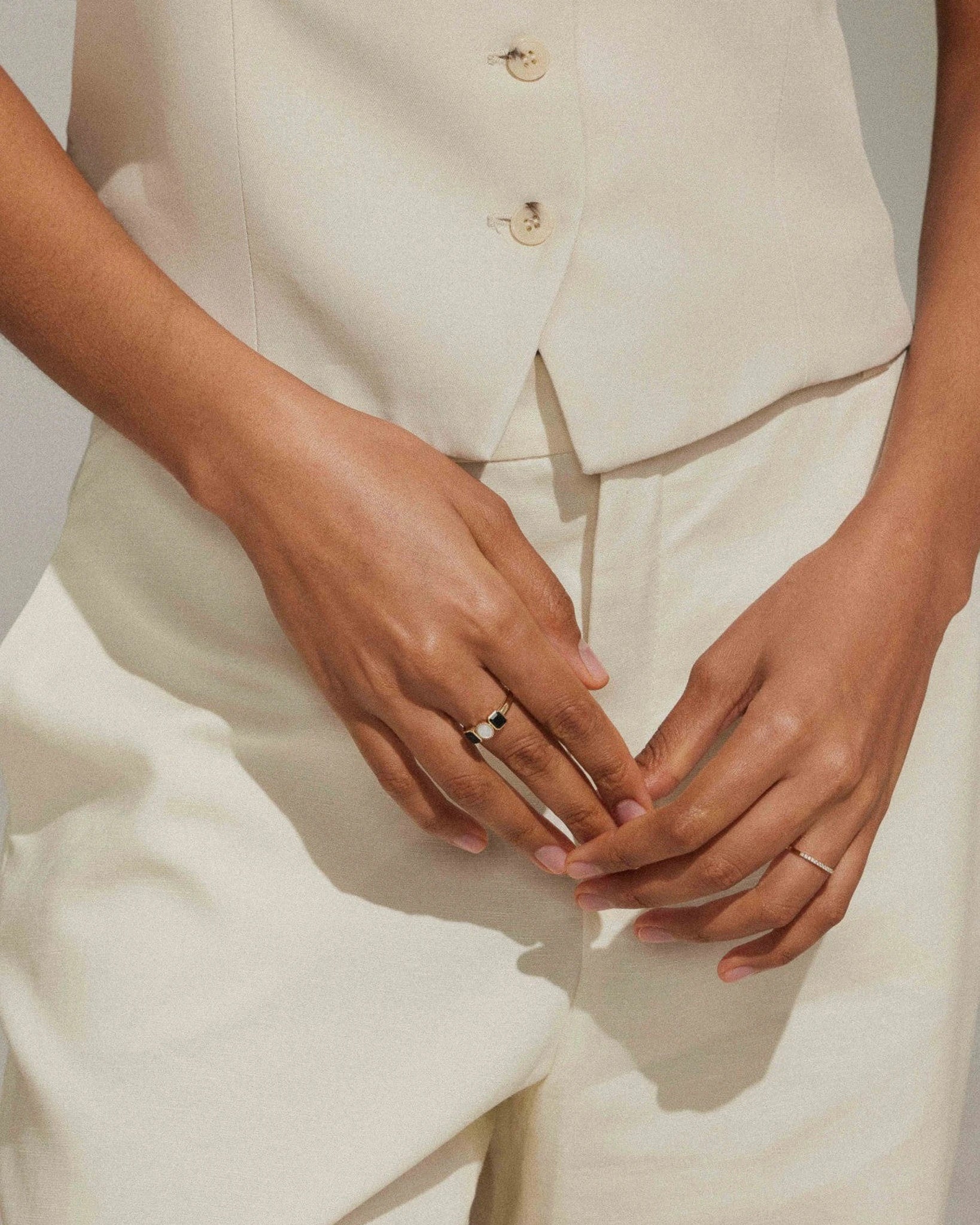
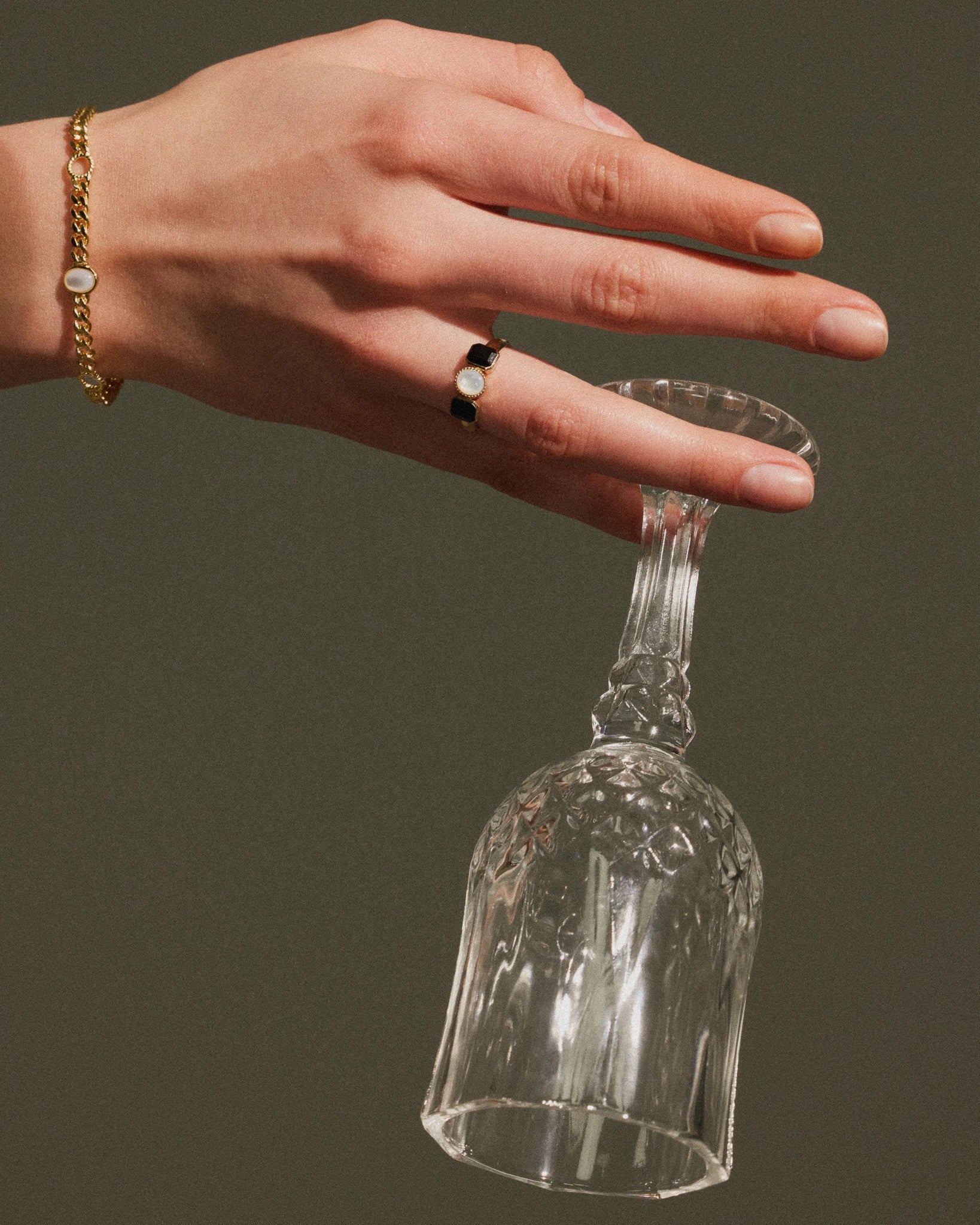
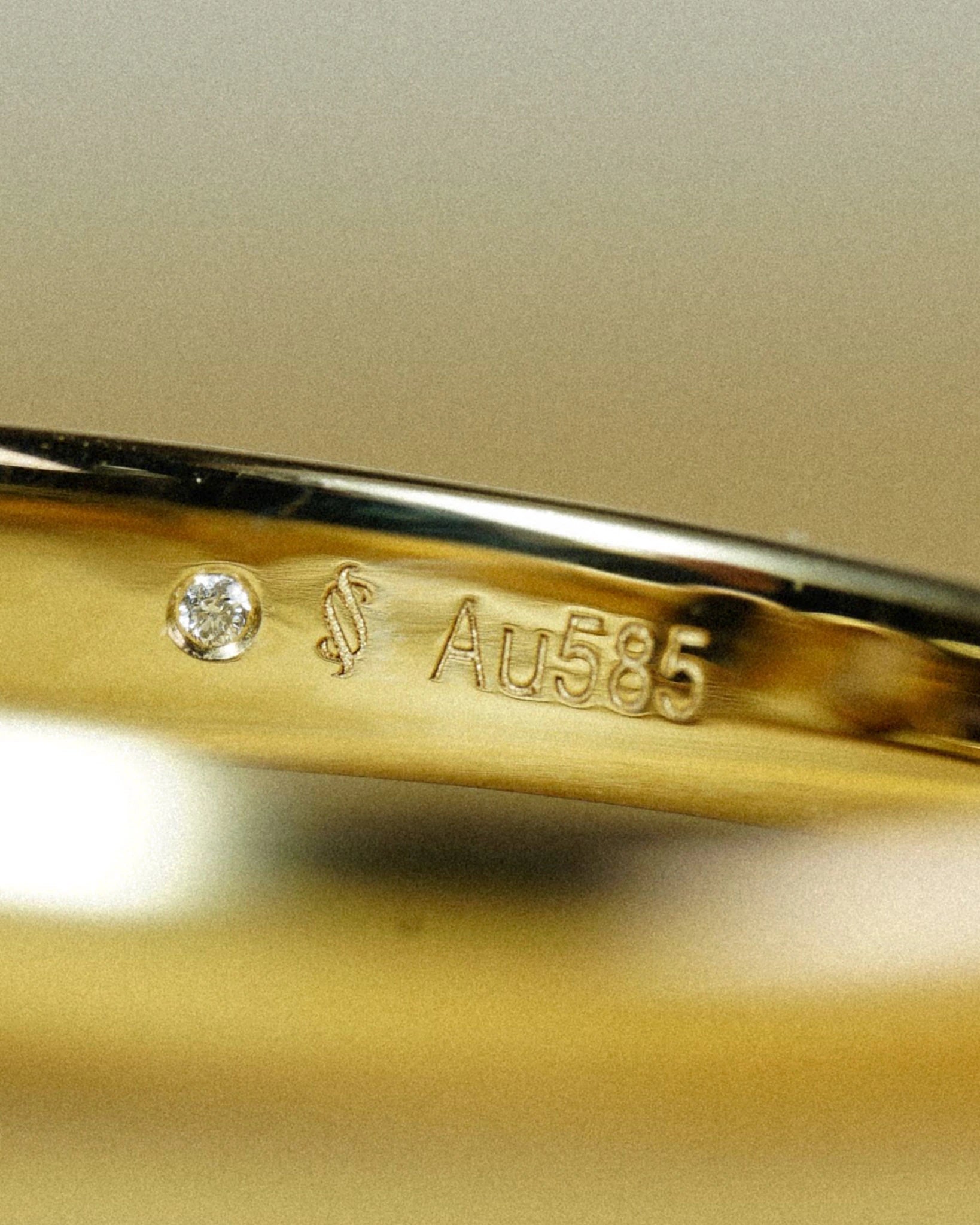
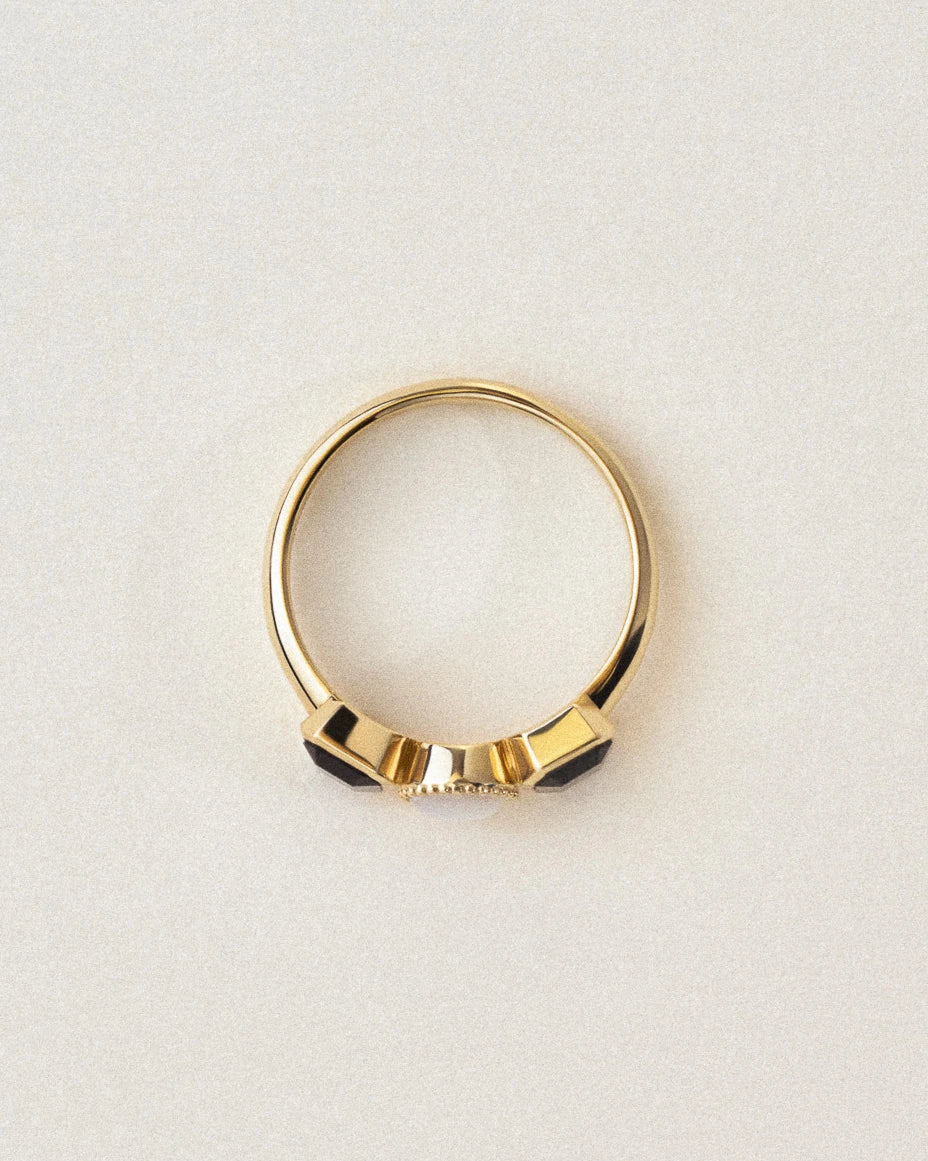
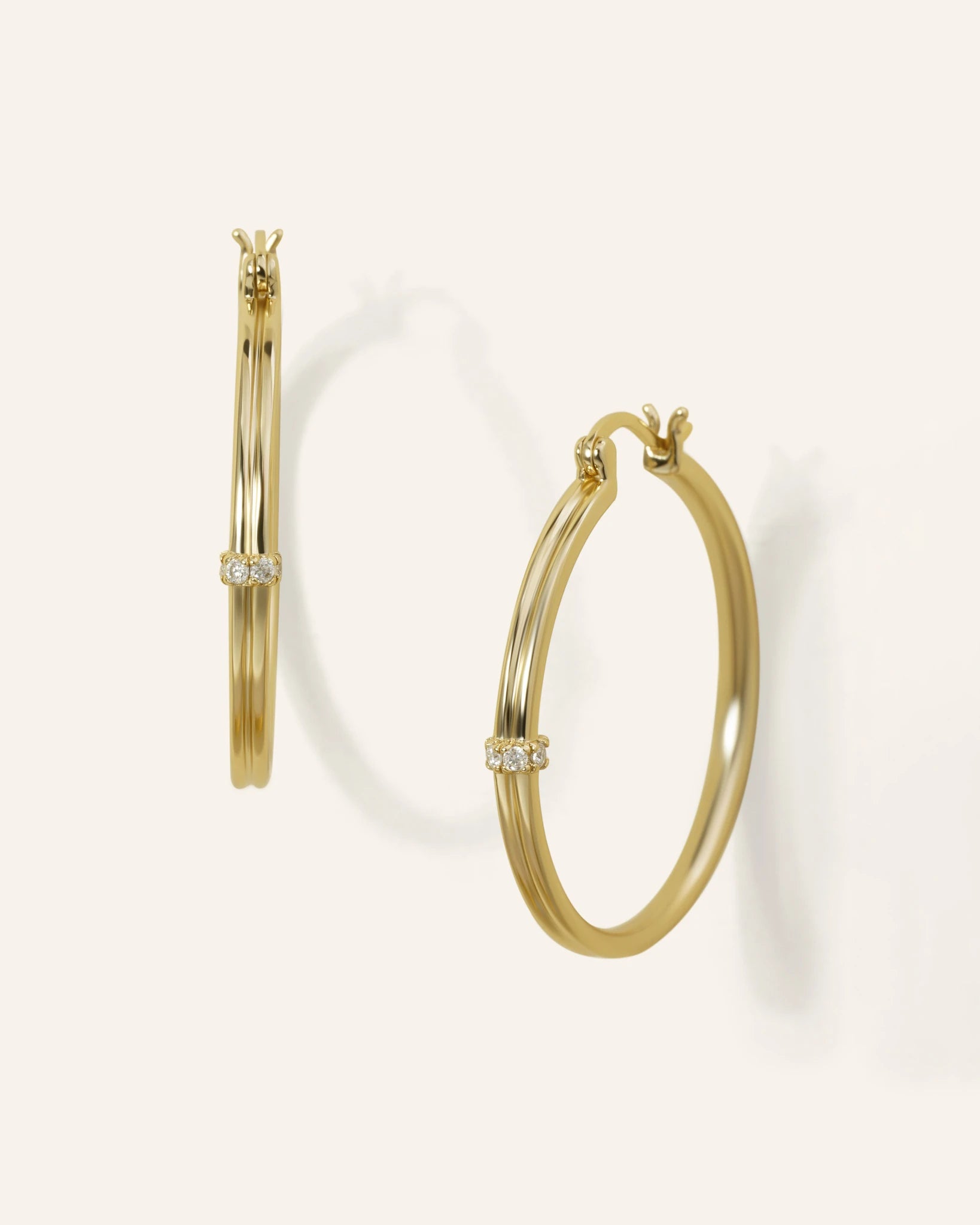
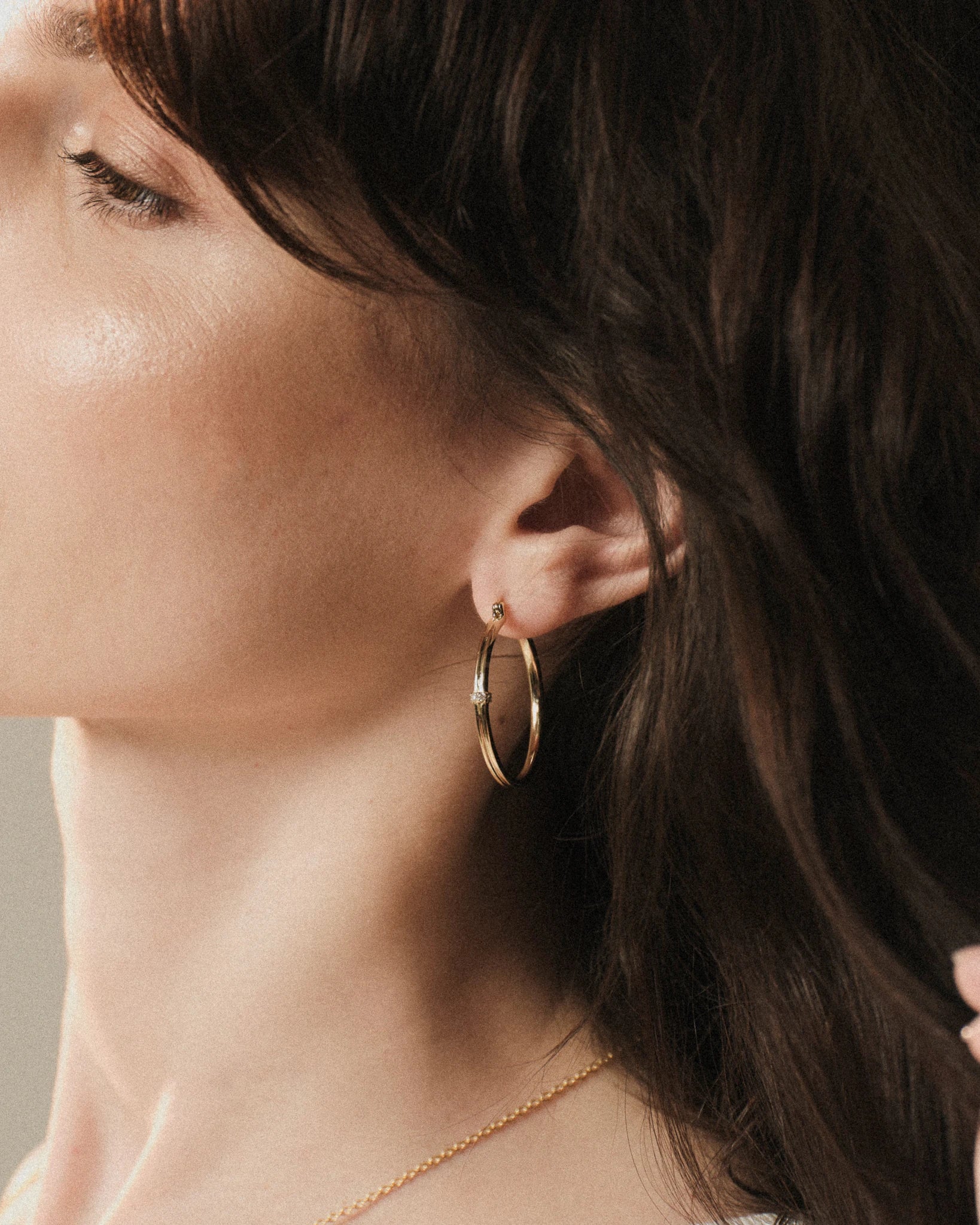
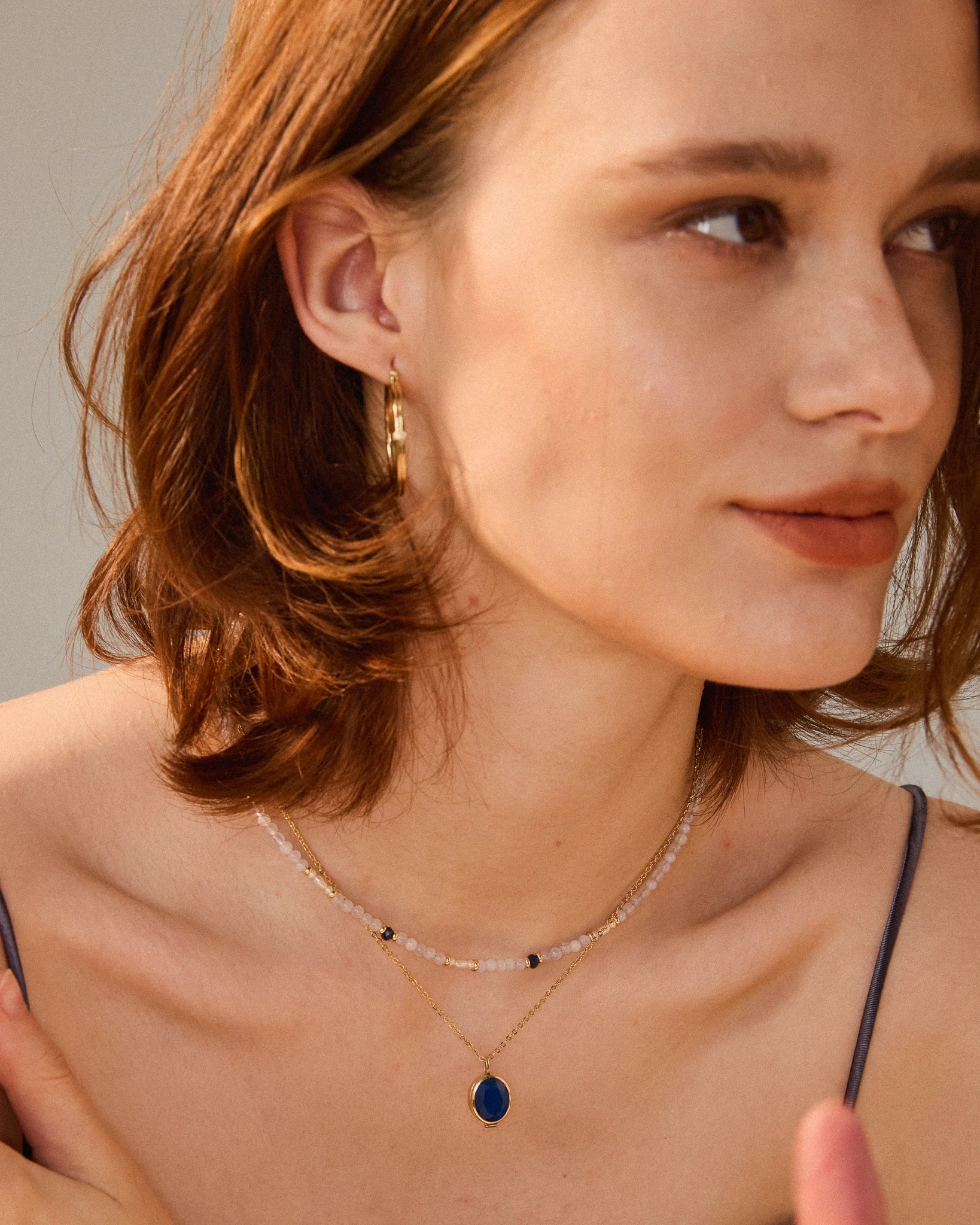
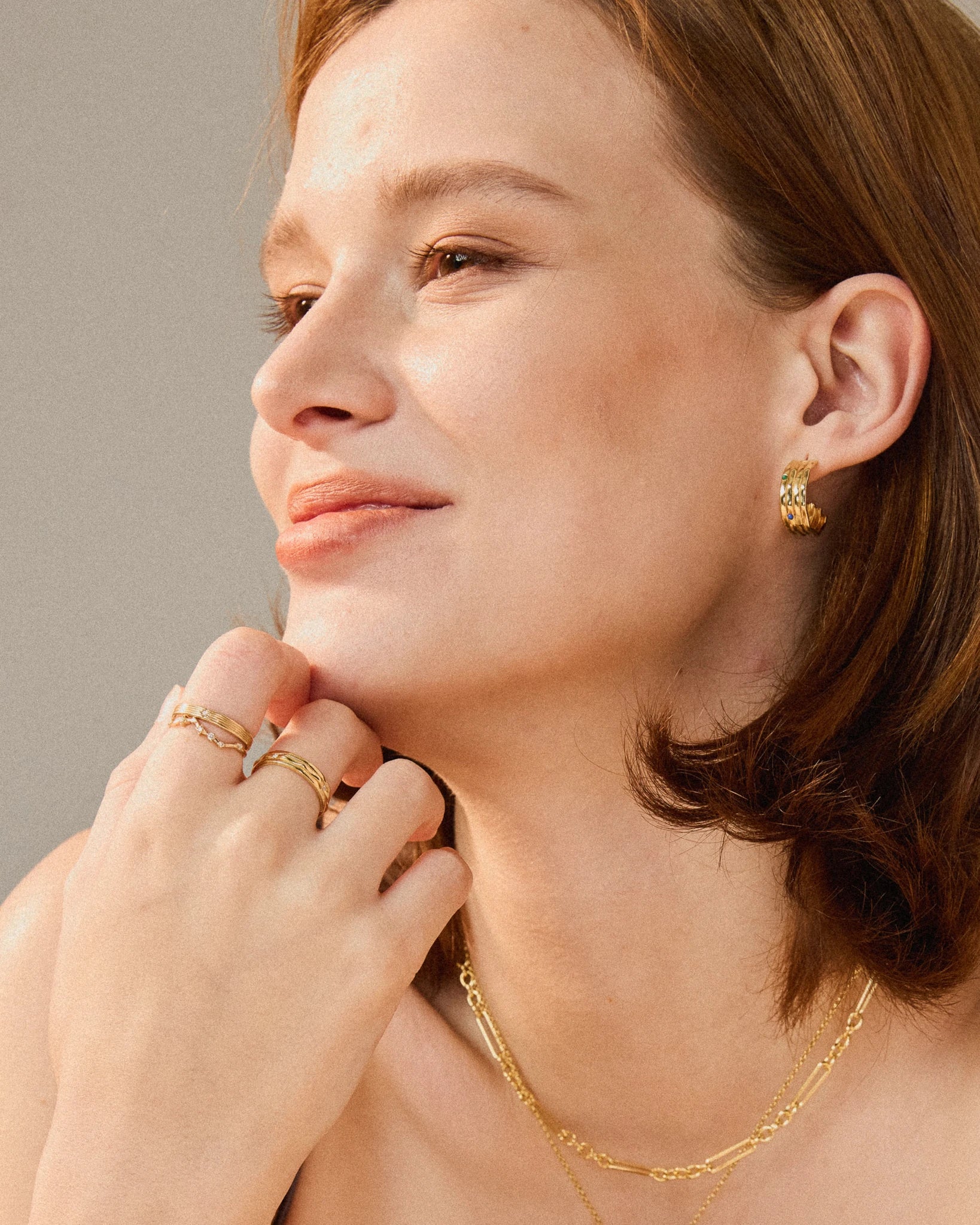
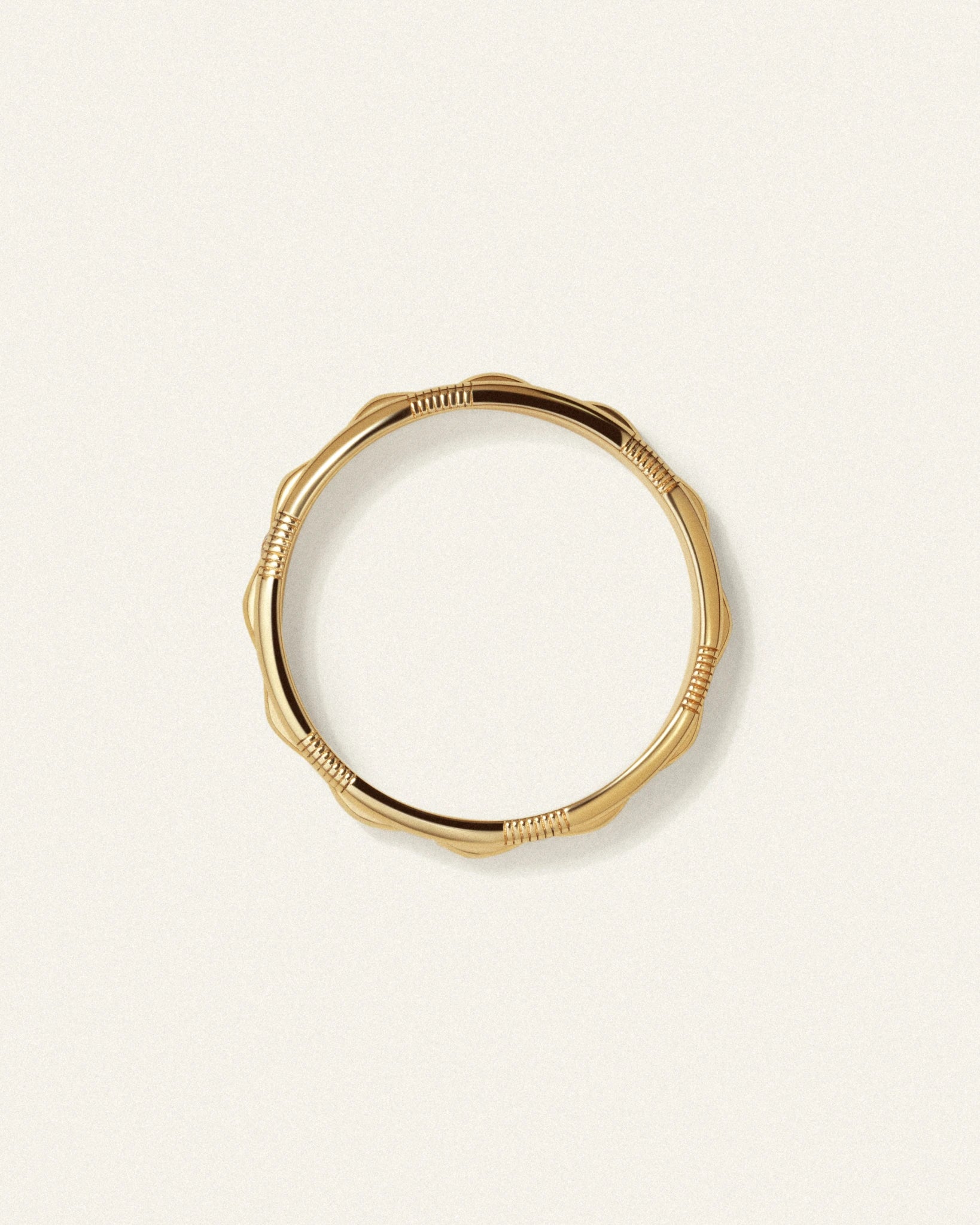
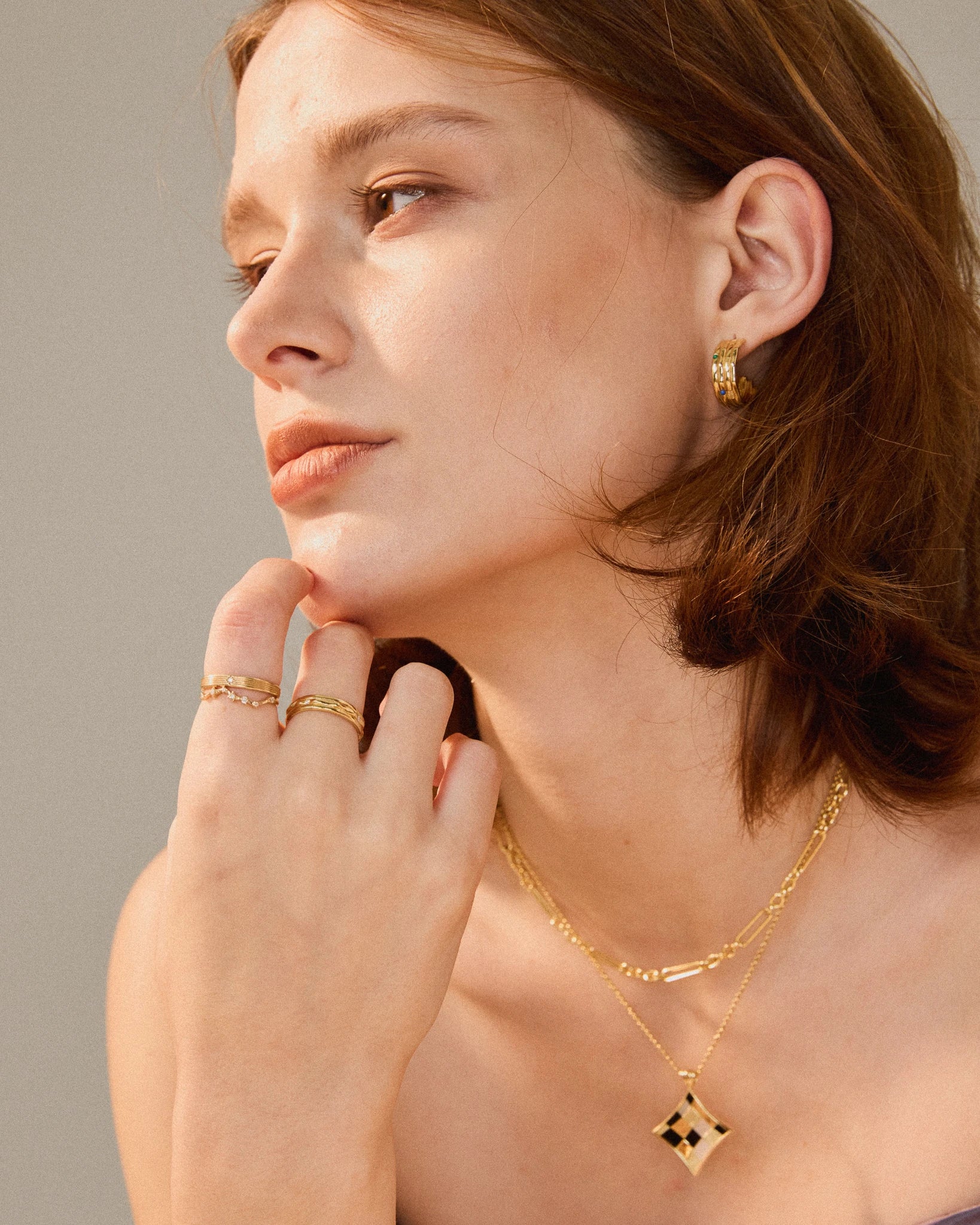
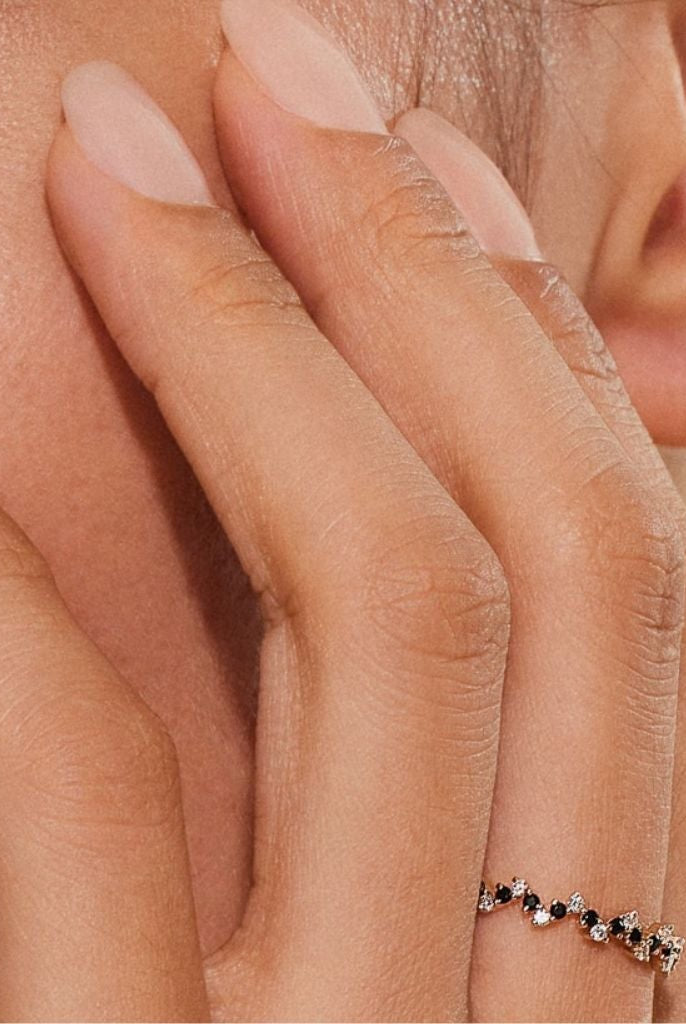
I was scrolling when something stopped me. A product I recognized instantly. Not similar, not inspired—ours.
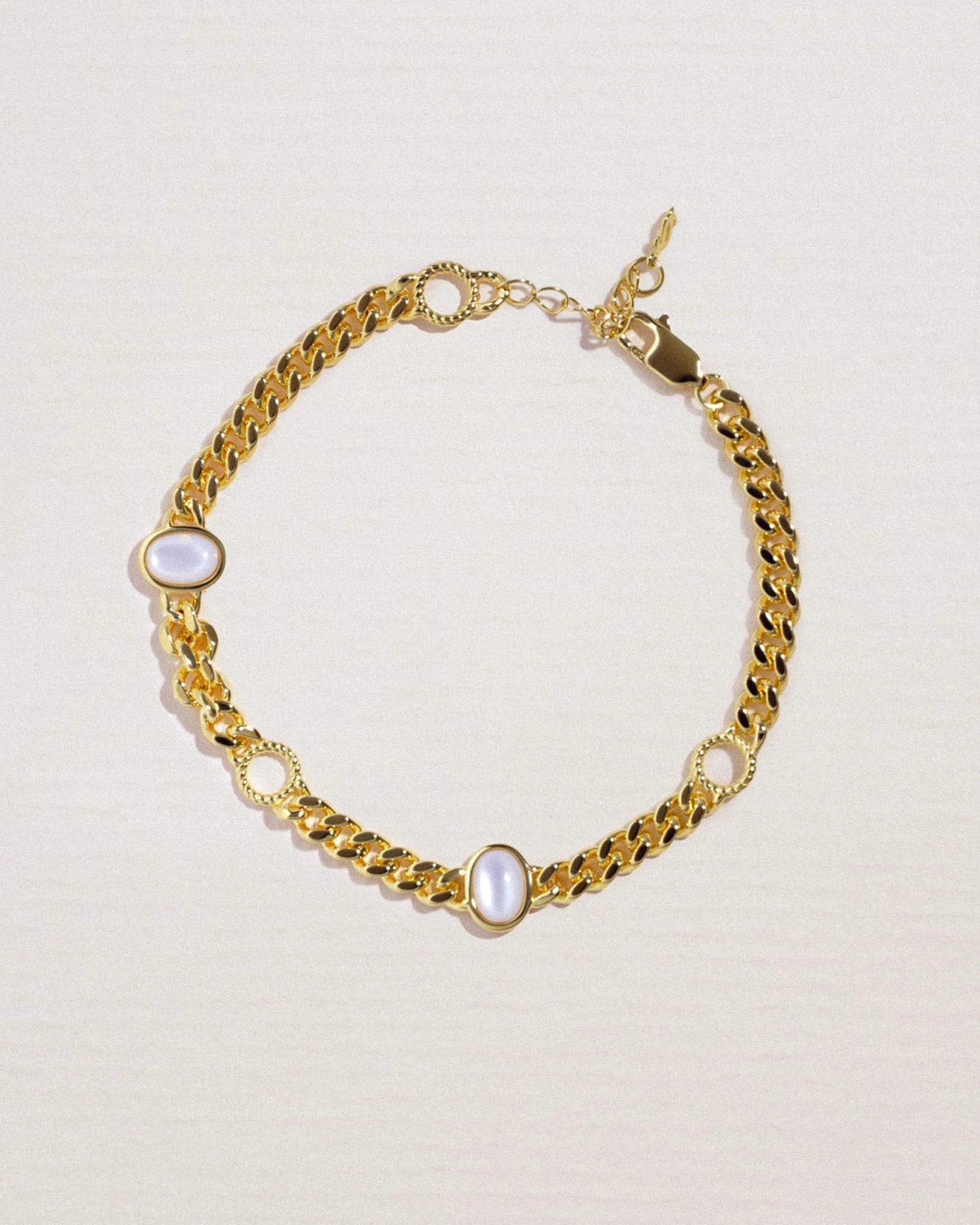
And then it got worse. It was the same photo I took. Same angle, same lighting. They didn’t even change it. Just priced lower, listed under a different seller.
I just stared at my phone for a while. And then I cried.
After that, more started to appear. One became a few. A few became many.

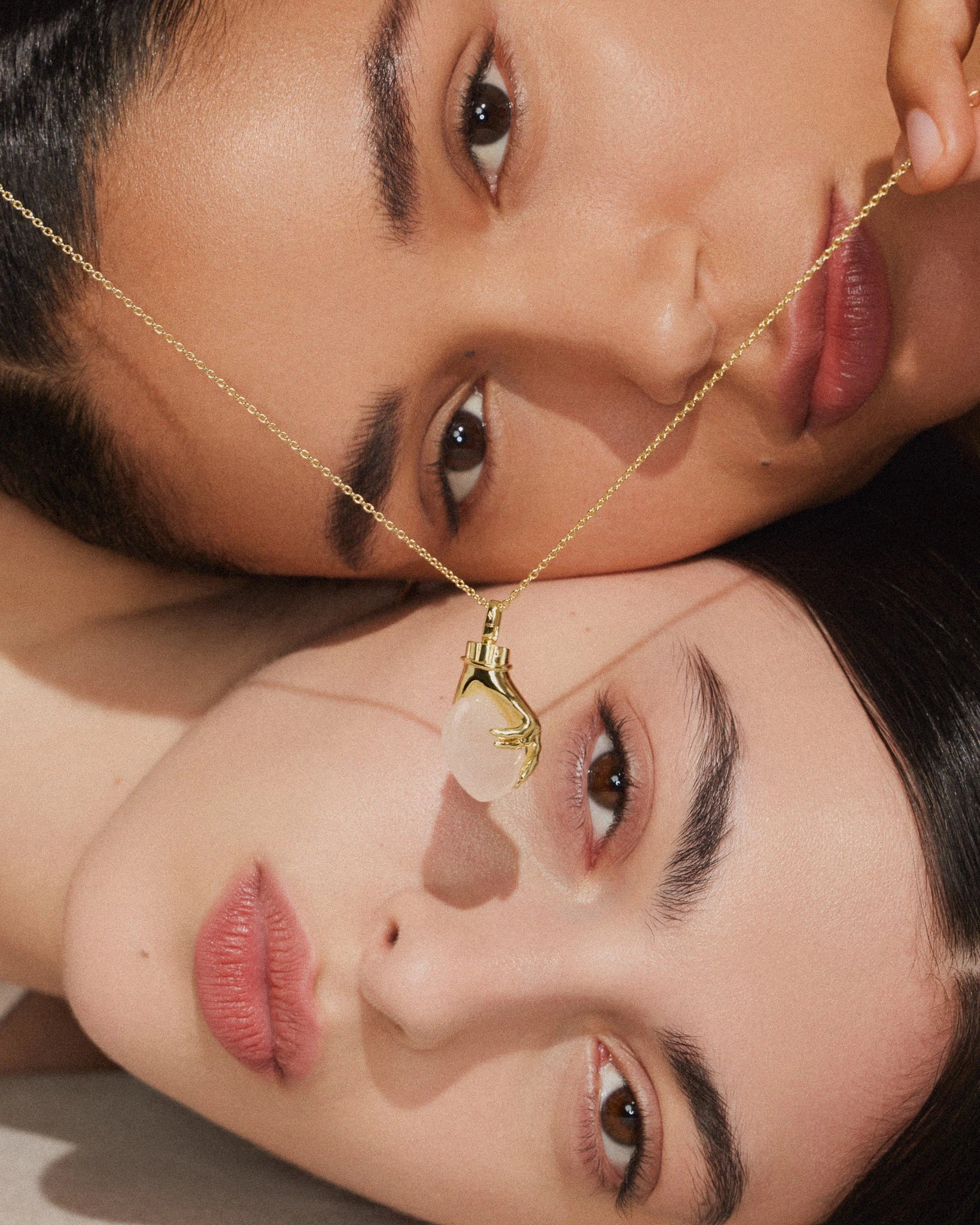
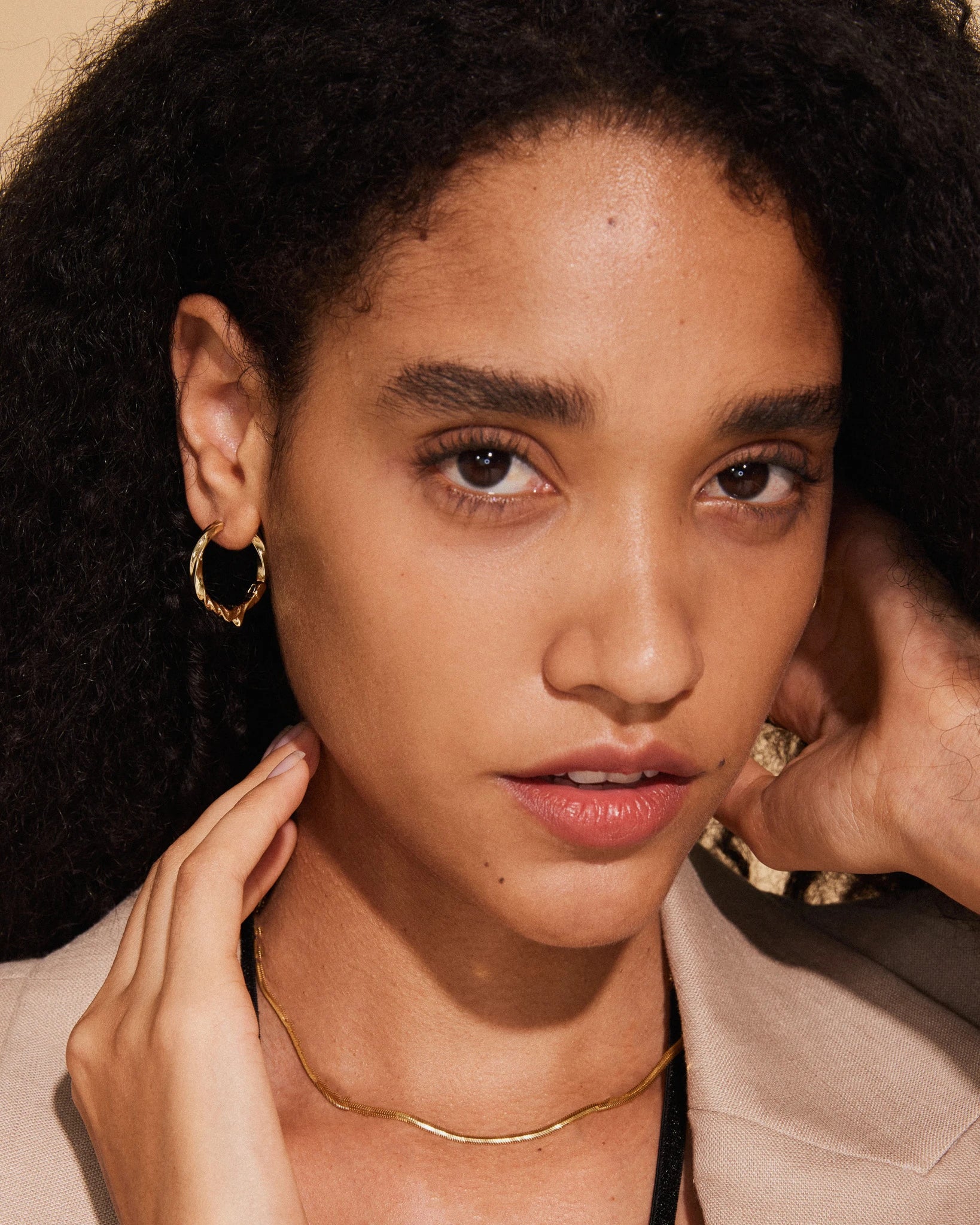
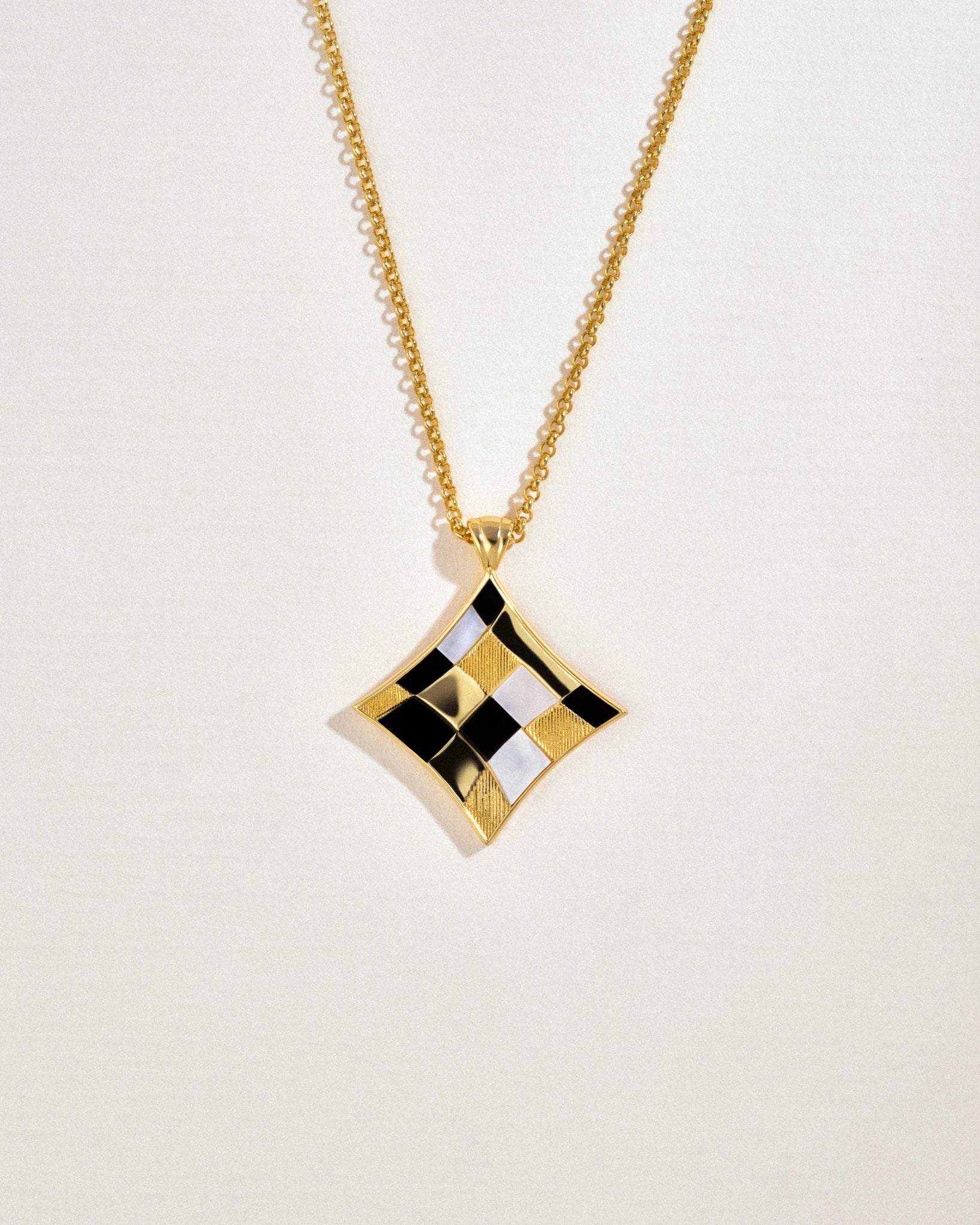
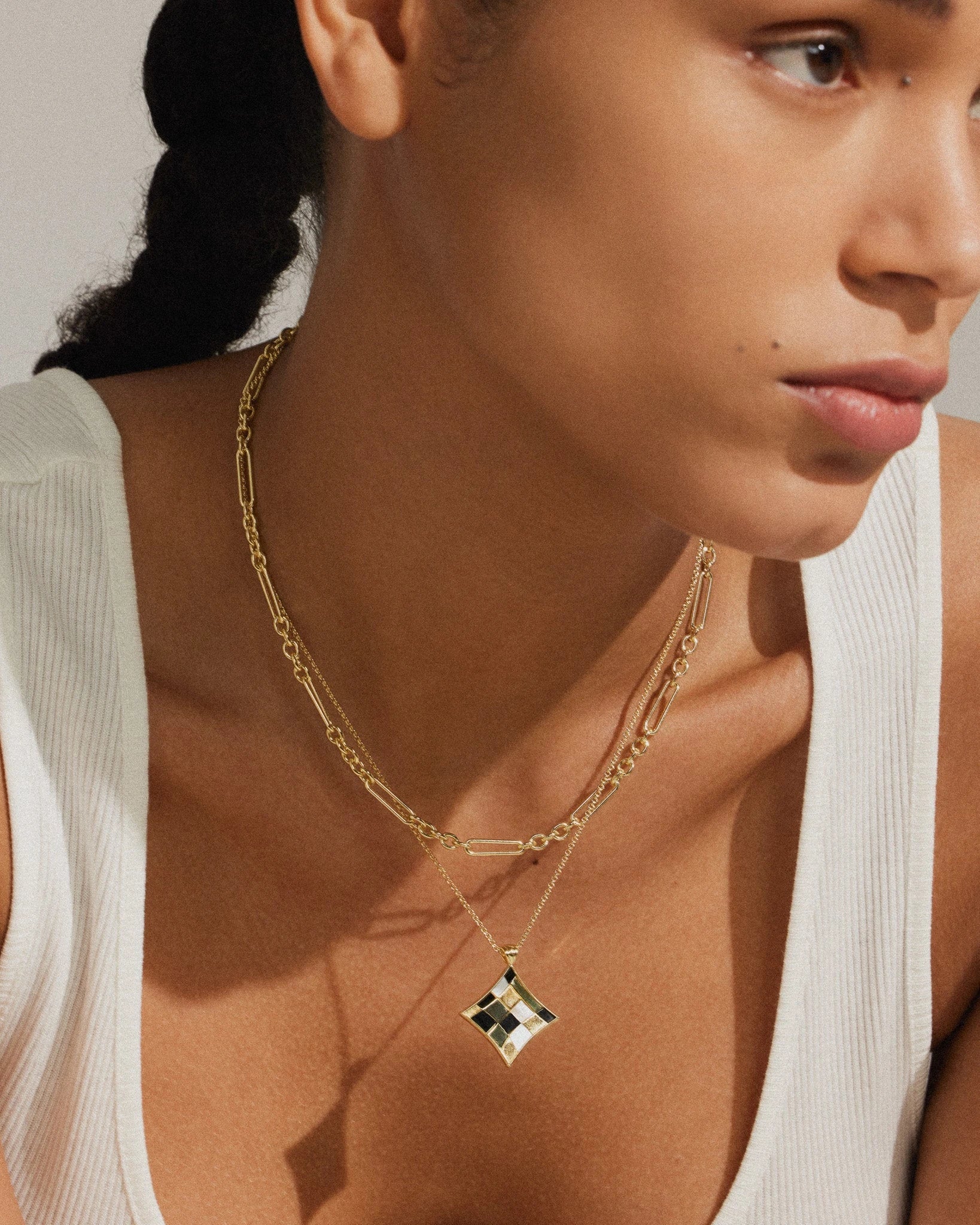
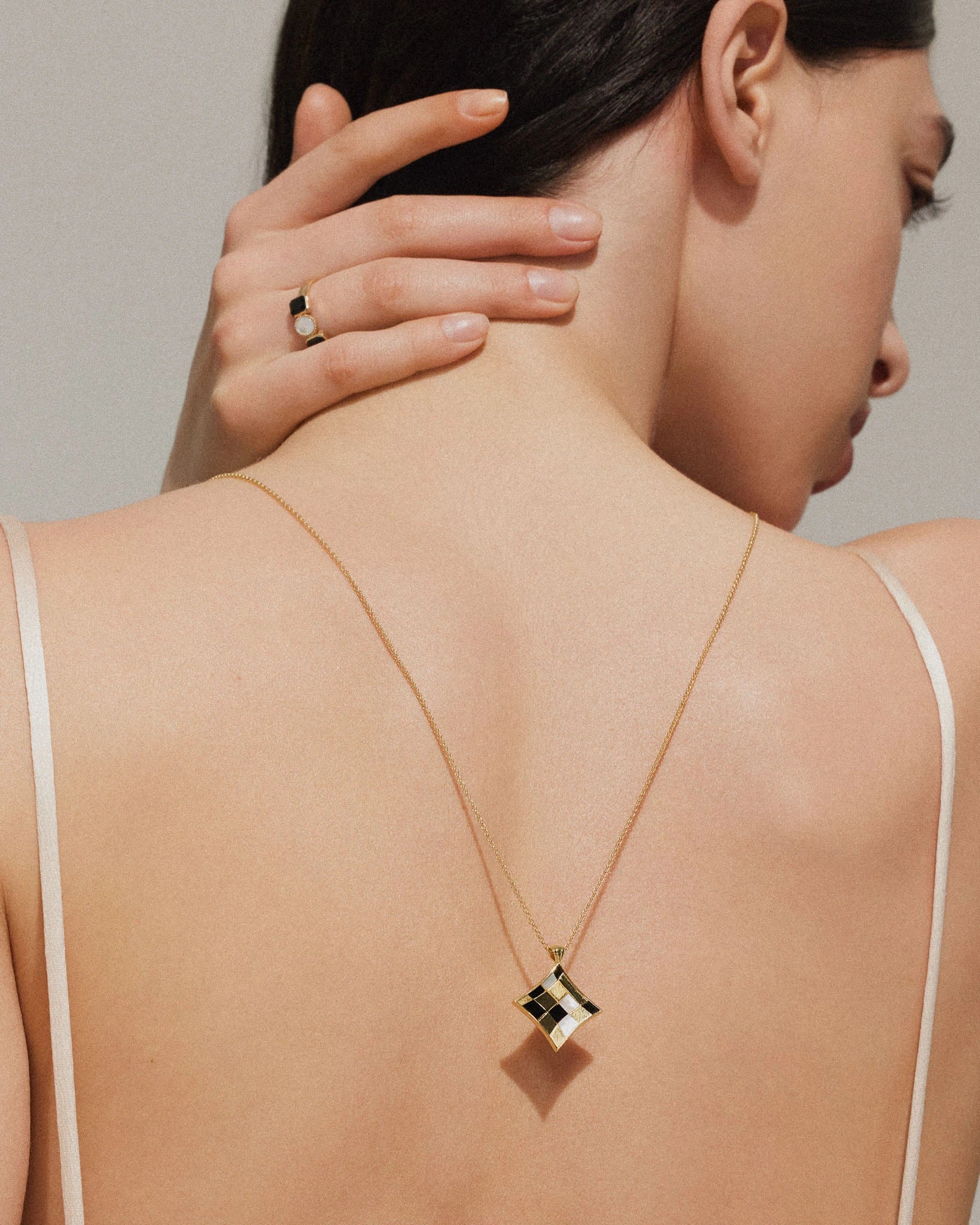
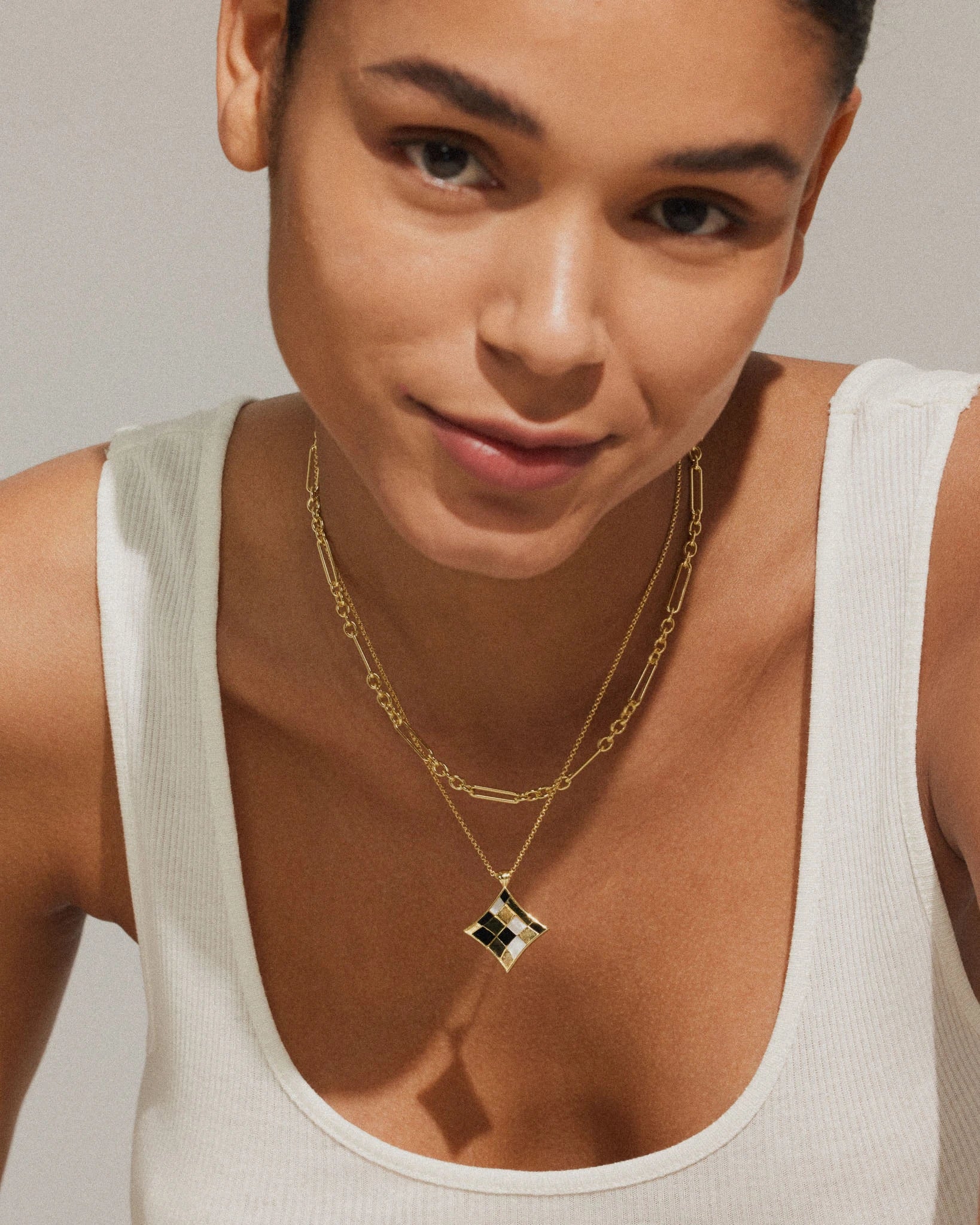
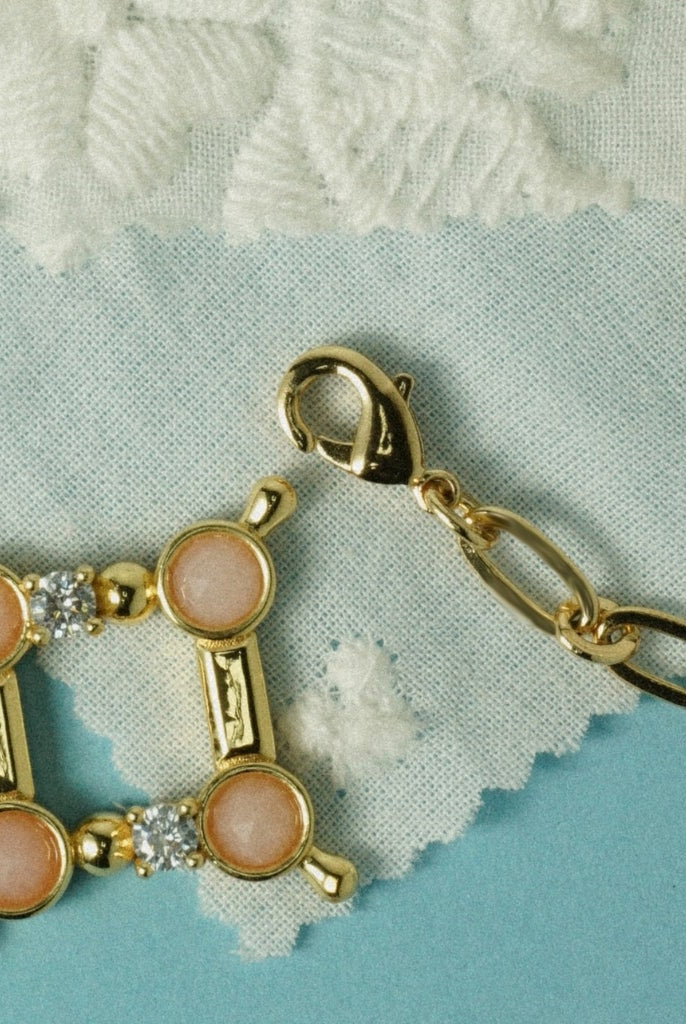
Fortune‘s Turn Necklace | Simply Herringbone Chain Necklace
Why Does Everything Start to Look the Same
There’s a question people ask often now: why does everything on the market look the same?
It’s easy to assume it’s a lack of creativity, but that’s not really it. Original ideas exist—they just take time. Time to sketch something that doesn’t quite work yet. Time to argue over proportions no one else will notice. Time to decide what stays and what gets removed.
Creation is slow like that. Copying isn’t.
Copying doesn’t need uncertainty or trial and error. It only needs something that already works. And once it appears, it spreads—faster than the thing that made it possible.

The Part No One Sees
There’s a version of the product that exists before the final one—the earlier sketches, the versions that didn’t feel right, the adjustments that seem unnecessary until they aren’t.
That part doesn’t show up in a listing. Neither does the cost of arriving there. Not just financially, but mentally. The back and forth. The doubt. The decision to keep going anyway.
When something is copied, all of that is skipped. The result appears, but not the path.

Why We Still Make Things
After a while, the question becomes unavoidable: why keep creating?
There’s no simple answer, but there is a feeling. There’s something almost romantic about trying to come up with something that didn’t exist before—to sit with an idea that has no proof, to shape it, refine it, argue with it until it becomes real.
It’s not efficient. It’s not the easiest path. With rising costs, constant pressure, and the reality of being copied, it would make more sense to follow what already works.
But there’s something quietly stubborn about choosing not to.
As Rainer Maria Rilke once wrote,
To create is to stay with uncertainty a little longer than is comfortable—to believe that there are still designs waiting to be discovered, that not everything has been done.

The World We Choose
I once heard something that stayed with me: create the world that you want to be in.
And I realized—I don’t want to live in a world where everything looks the same. Where everything is reduced to what sells fastest. Where originality is optional.
I want to live in a world that still has edges. Still has difference. Still has things that make you pause, even just for a second.
There’s a line often attributed to design thinking that everything begins twice—first in the mind, then in reality. That’s the part we’re holding onto.
We’re here to make that kind of world—even if it’s just in small ways. Even if it’s slower. Even if it costs more.
To make things that feel a little less expected, a little less repeated, a little more discovered.

Final Note
We believe in being paid for what we add—for the thought, the care, and the process behind something new.
For creating pieces that bring a little more meaning, a little more feeling, a little more poetry into someone’s life.
Not for copying what already exists.

And just as clearly—this is not something we take lightly.
What we create is ours, and we protect it as such. We’ve taken action where it was needed. We sued each and every one of them, and we will continue to do so.