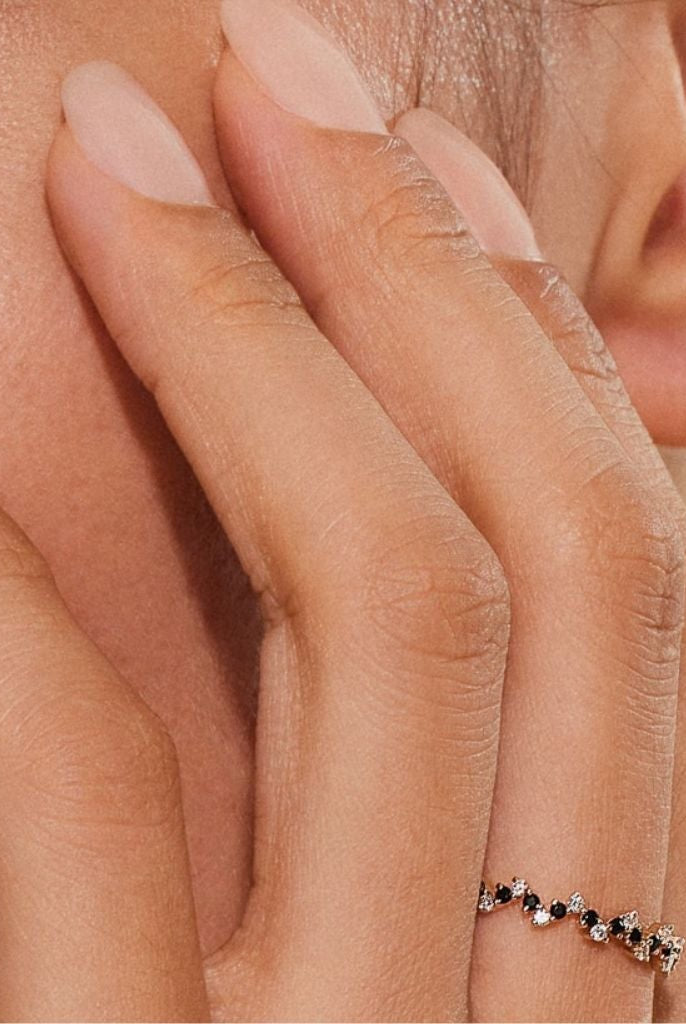

Crystals are one of the most widely used materials in jewelry.
At Stanza, we use them often because they allow us to work with color, variation, and texture in a way that feels expressive without becoming inaccessible. They sit in an interesting space — not as rare as precious gemstones, but far from “simple” in the way people sometimes assume.
What matters is not classification.
It’s behavior.
How a stone holds light. How it carries color. How it changes when it meets metal, skin, and movement.
That is usually where the story begins.

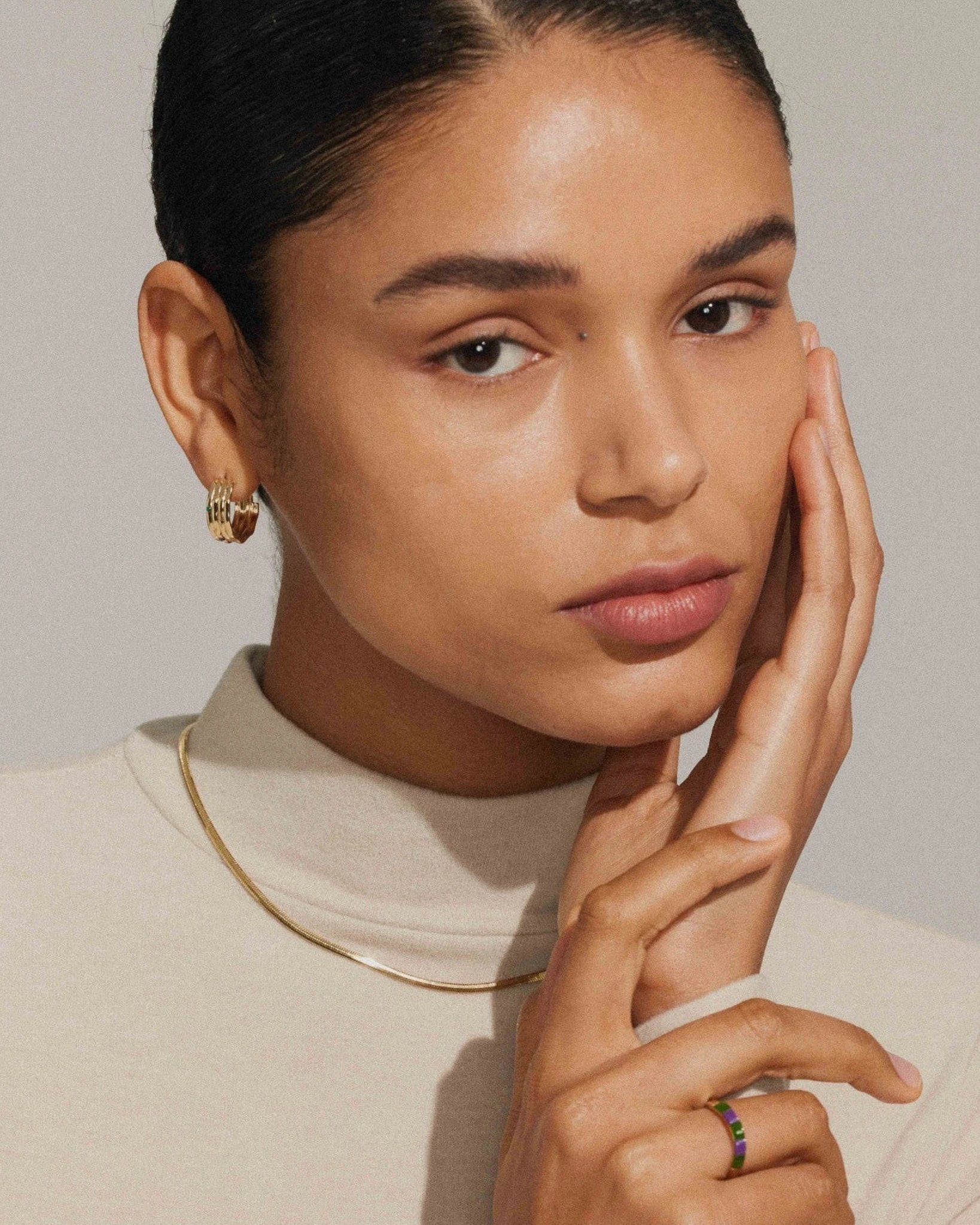
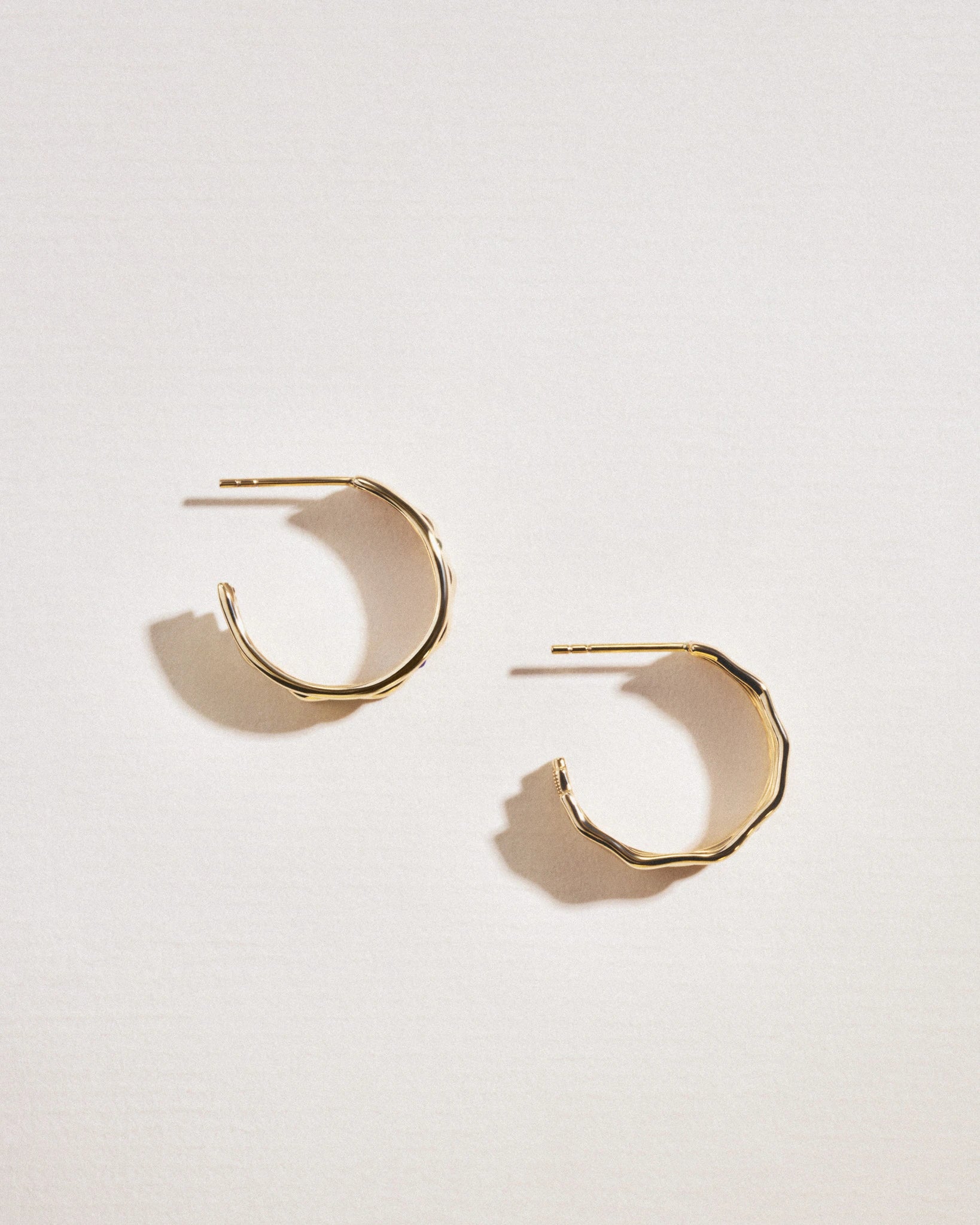
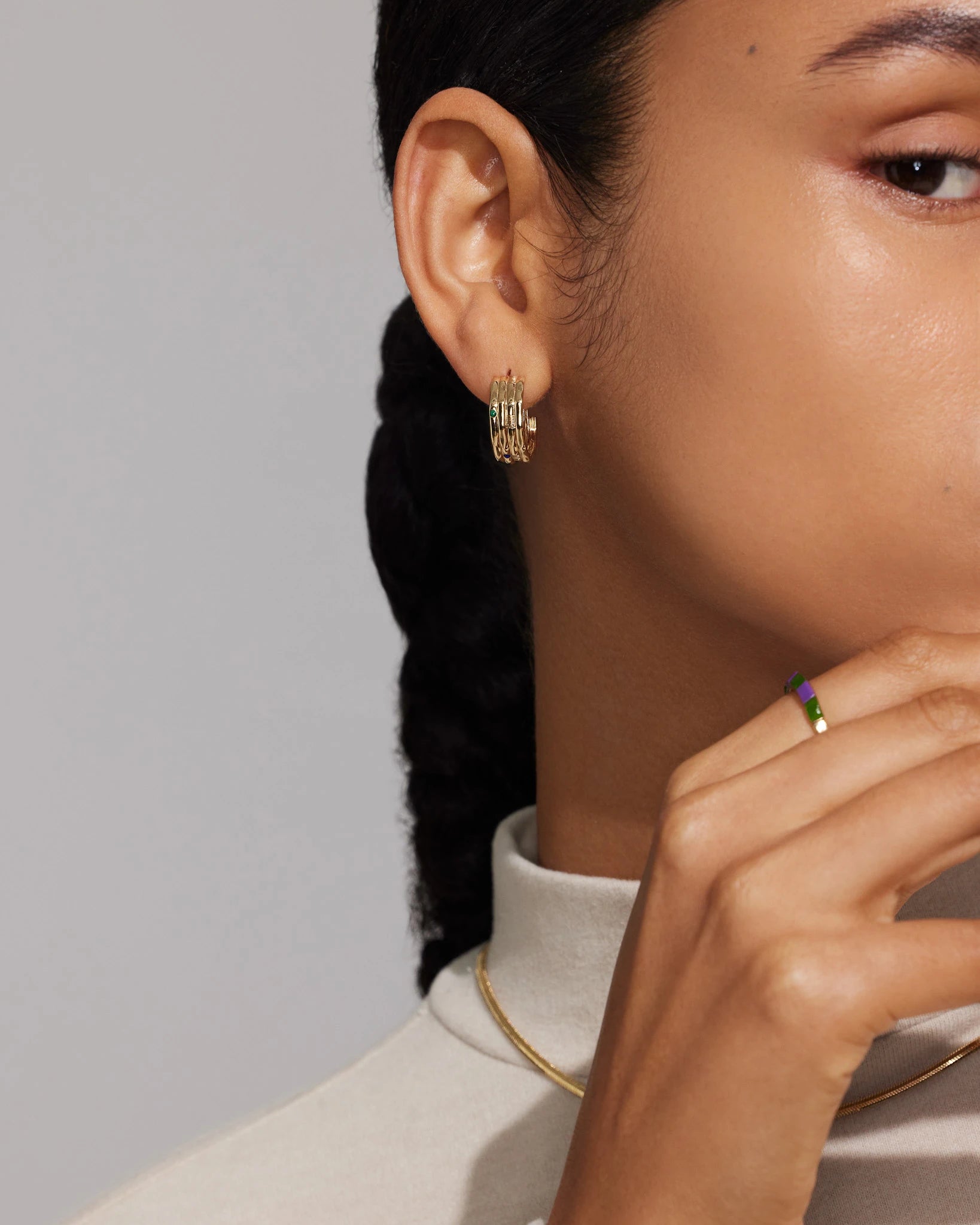
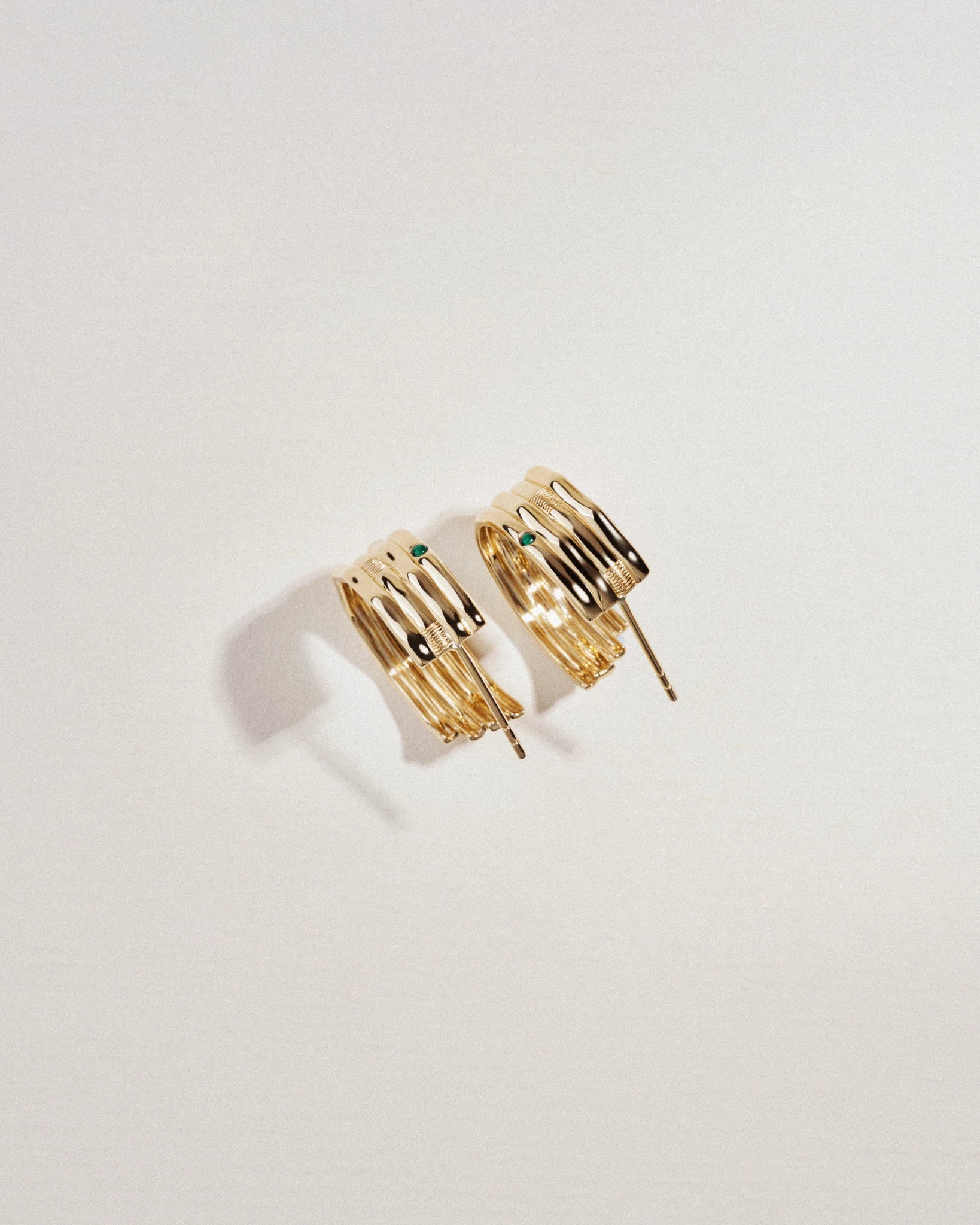
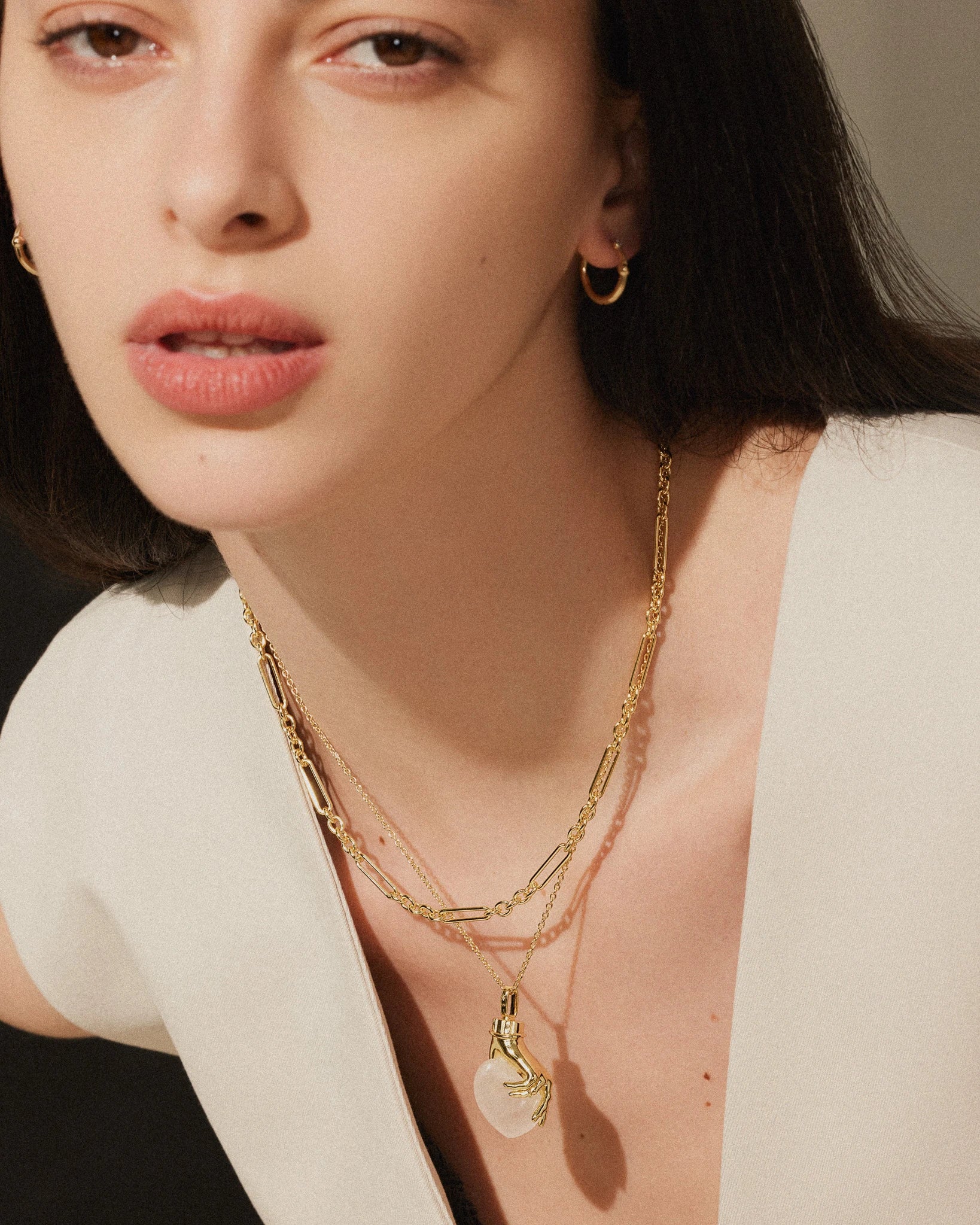
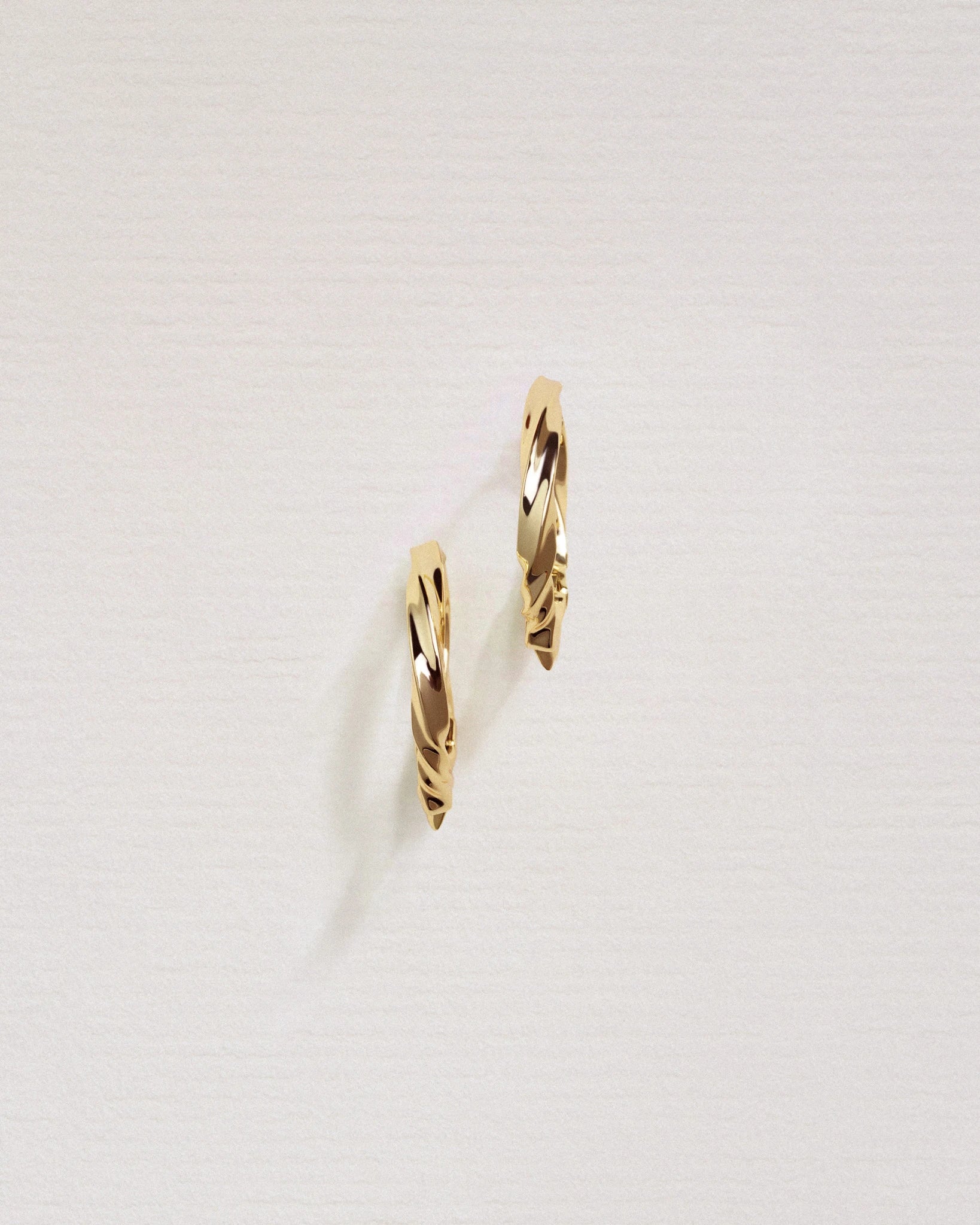
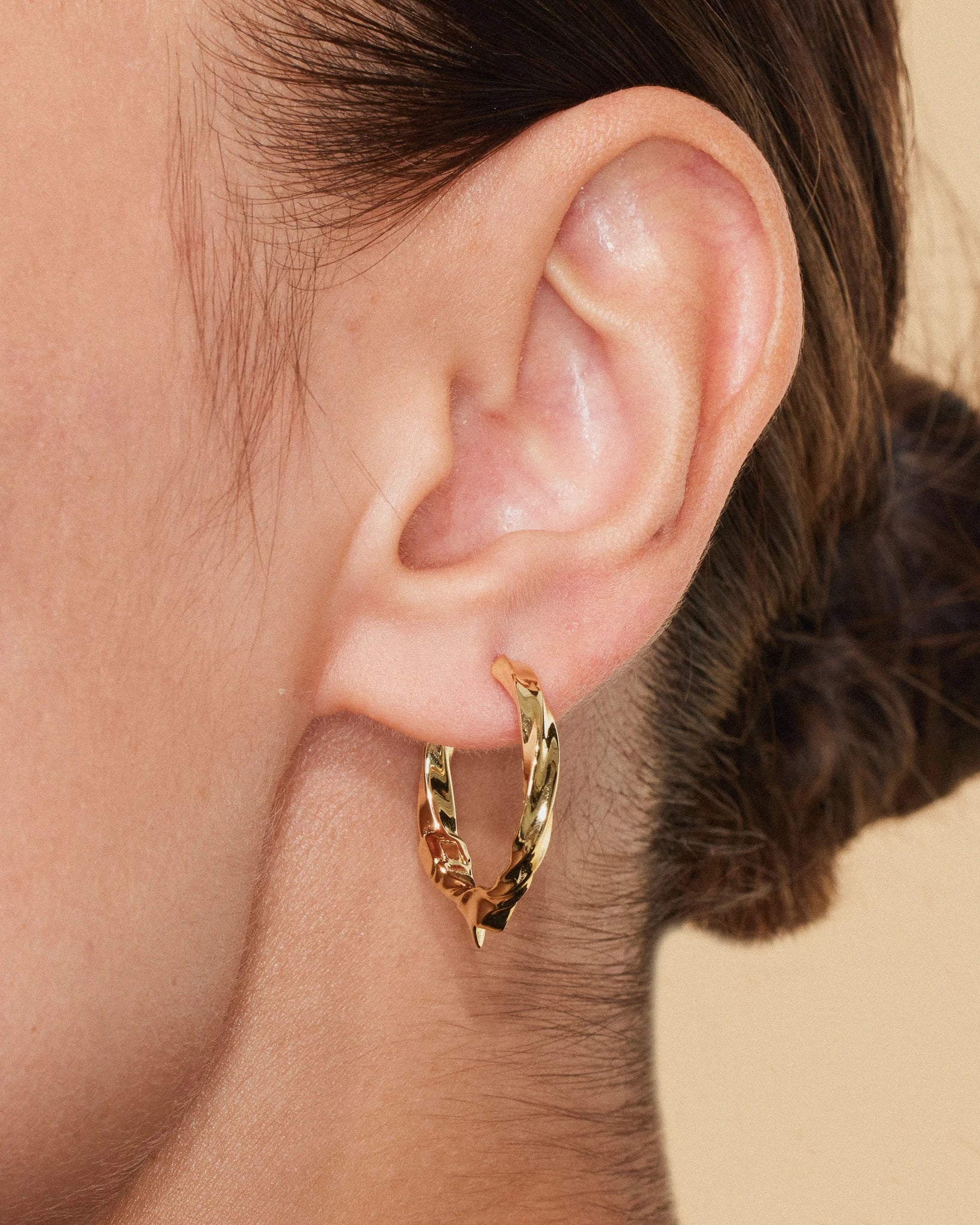
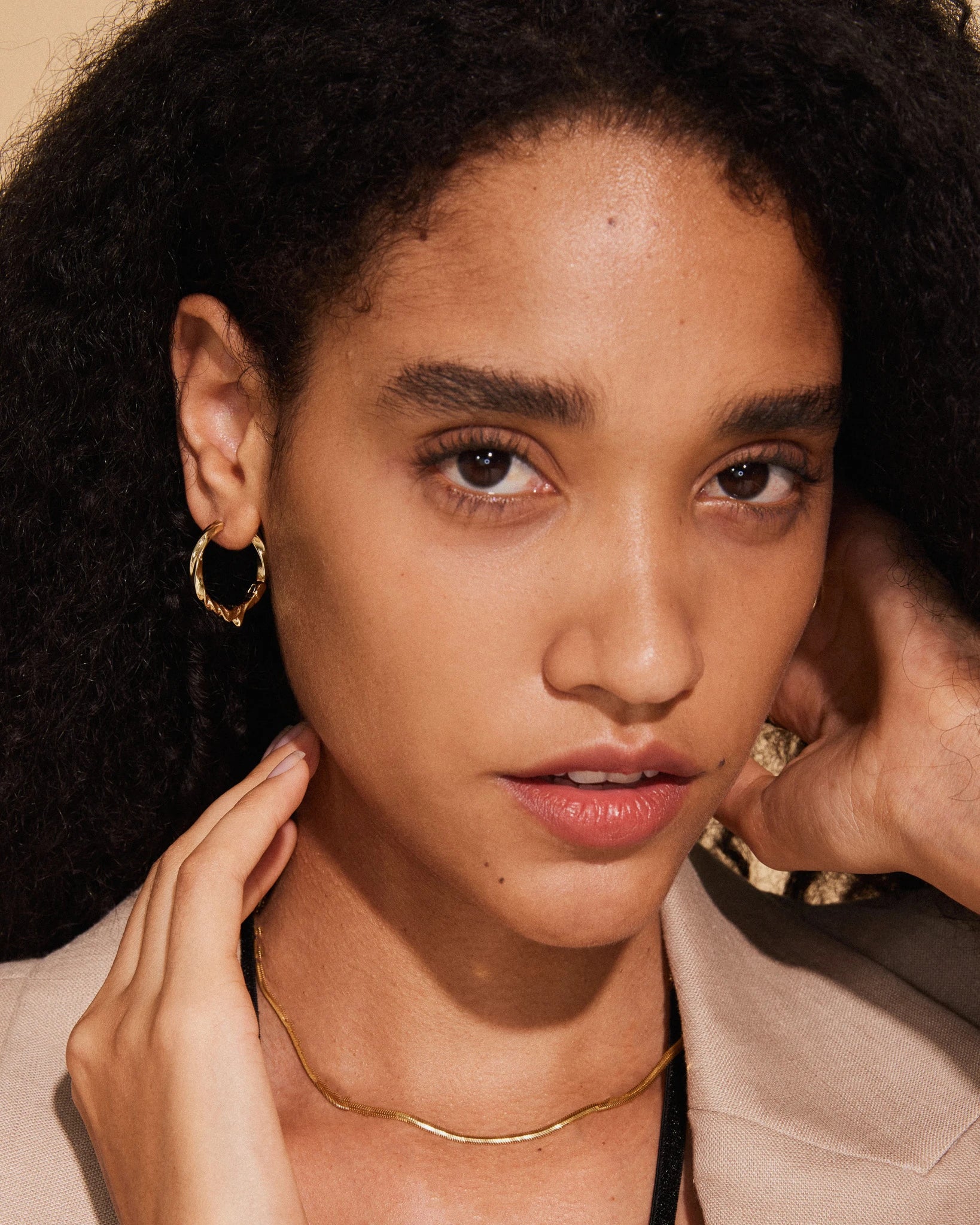
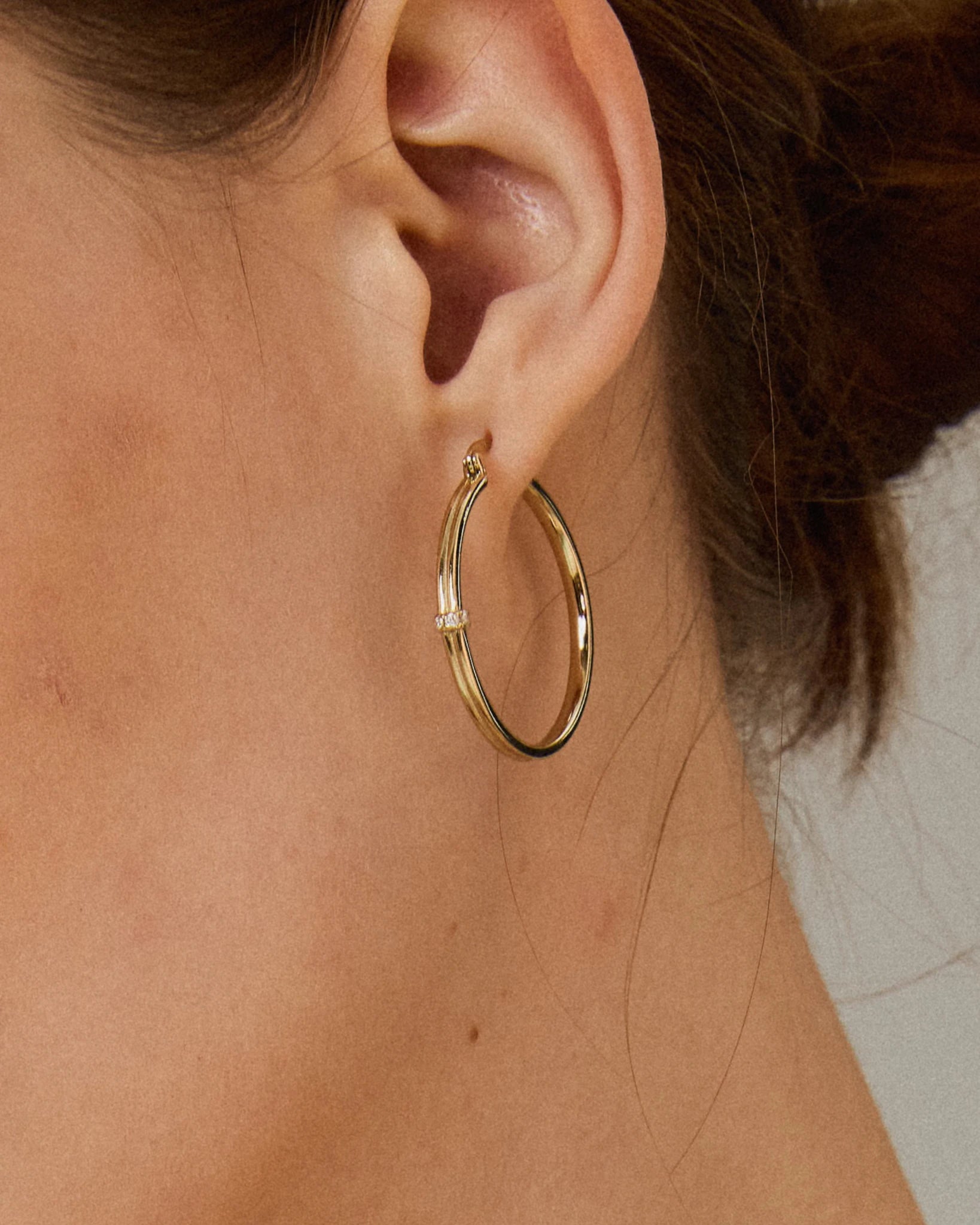
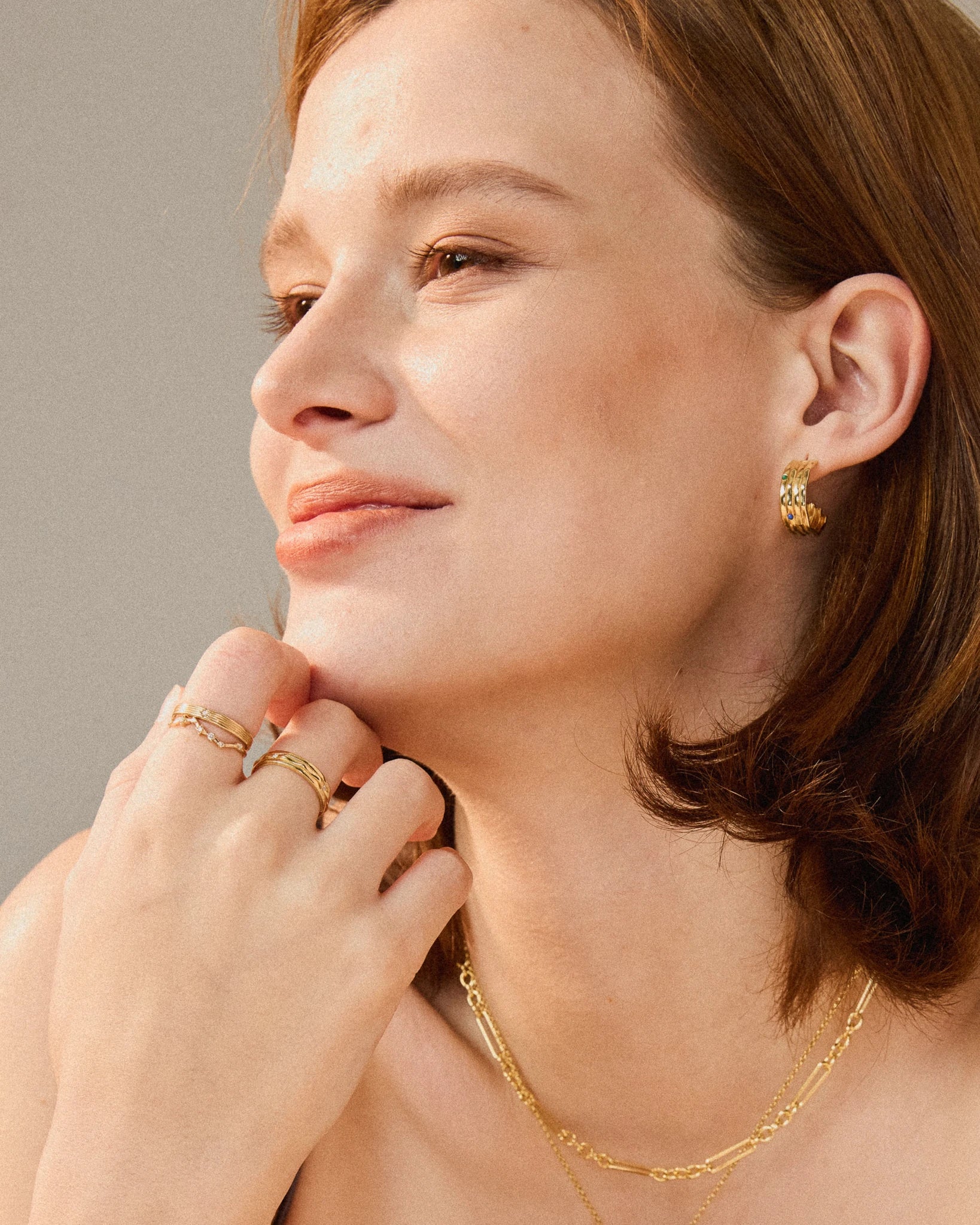
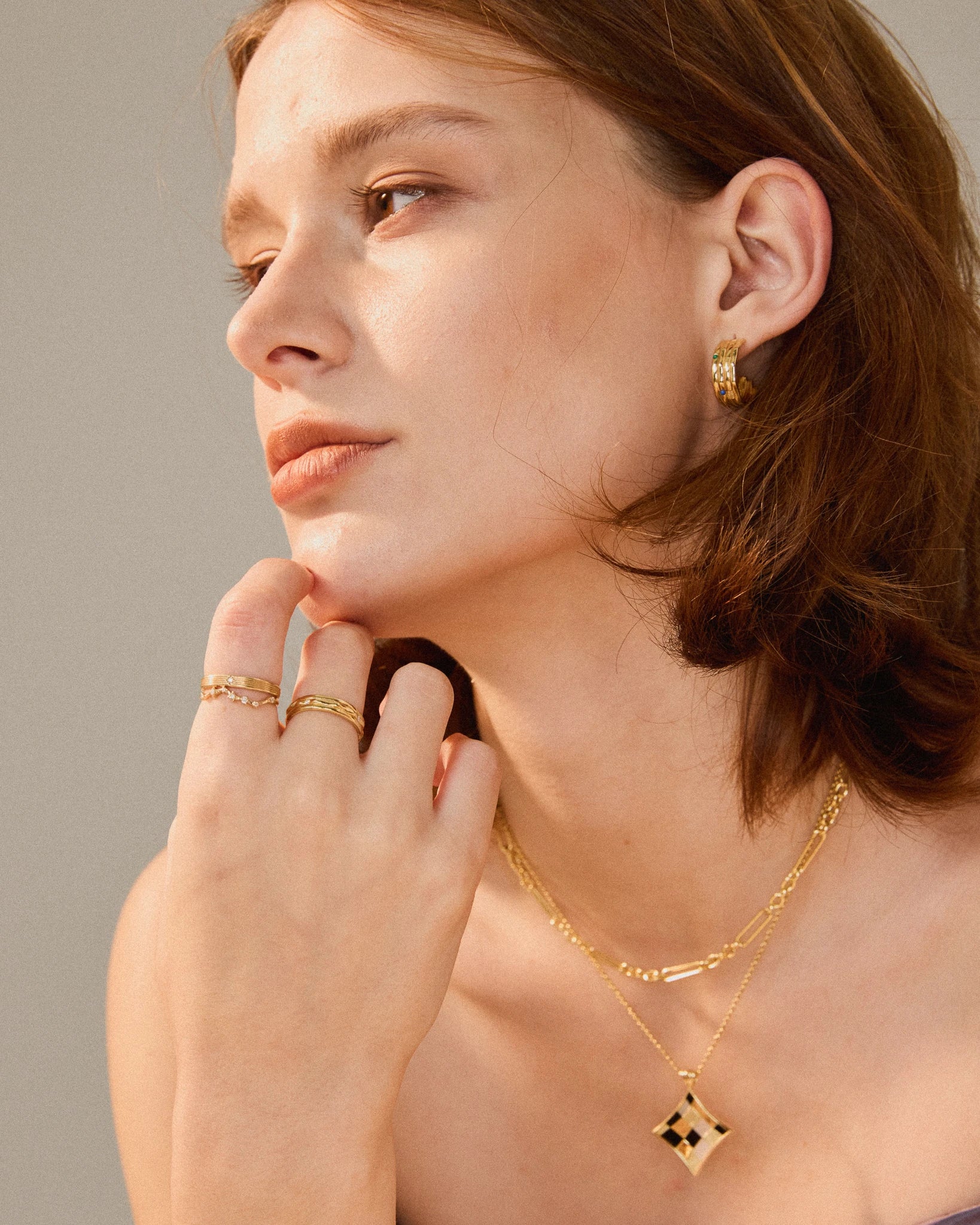
Fiery Fable Earrings |Simply Herringbone Chain Necklace
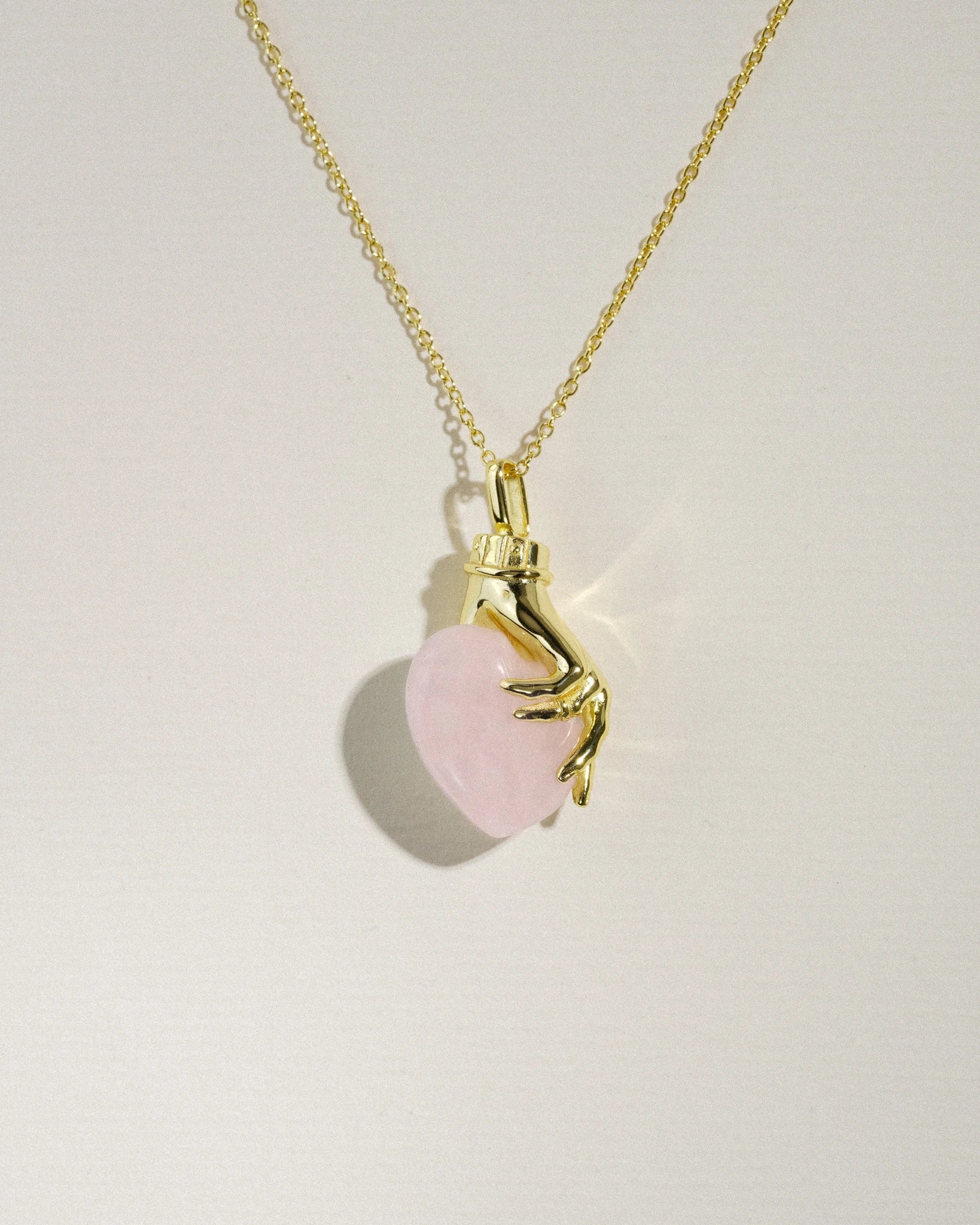
Rose Quartz
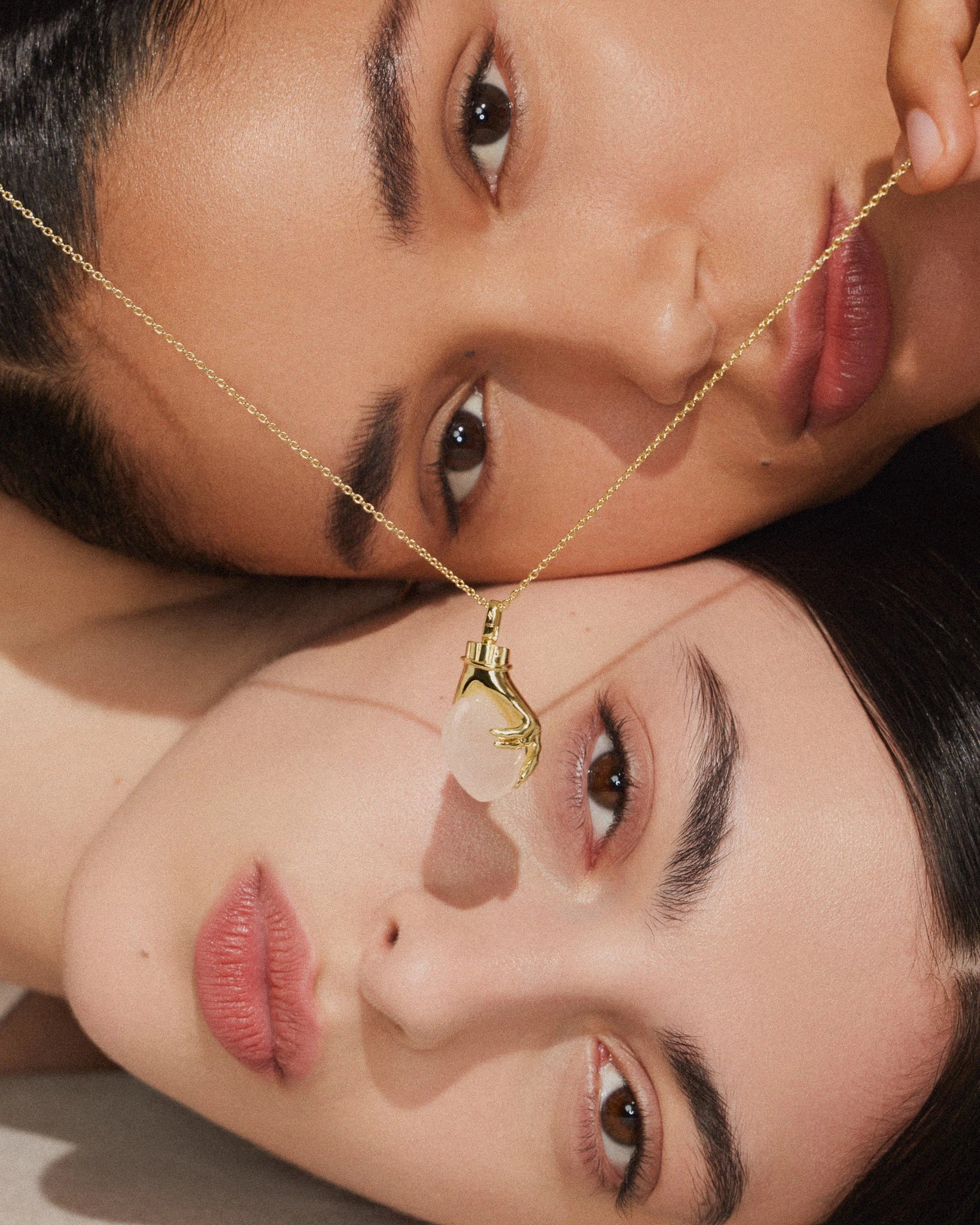
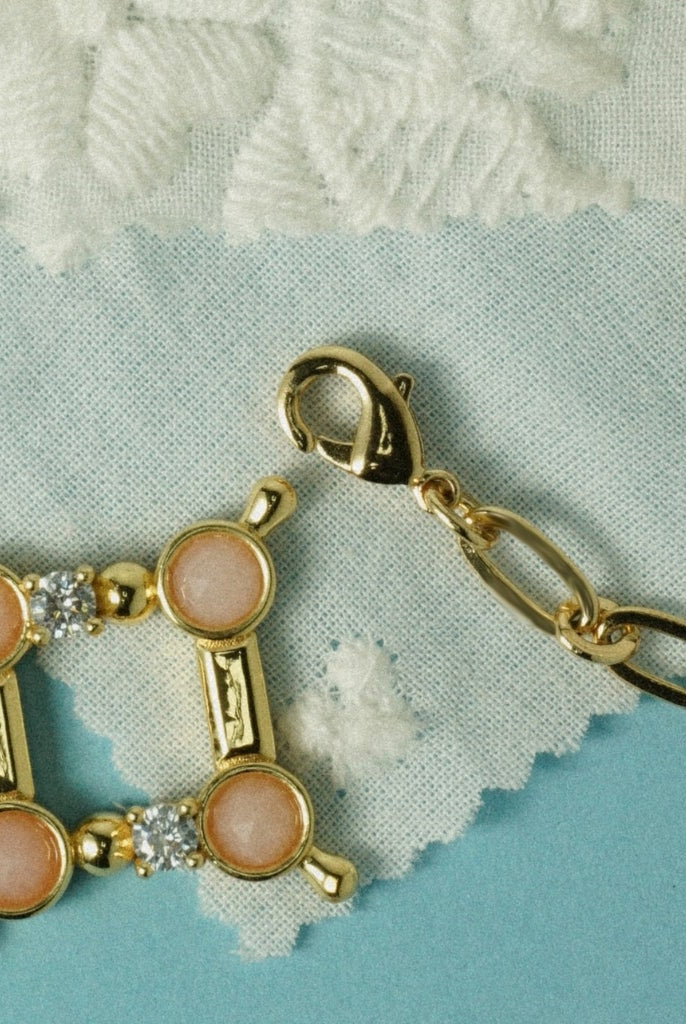
Rose Quartz is one of the most familiar stones in this family.
It carries a soft pink tone that feels diffused rather than sharp. Light doesn’t bounce off it in a direct way — it softens through the surface instead.
There is a quietness to it. Not absence of presence, but a gentler kind of visibility.
It tends to sit well in designs where softness is the point, rather than contrast or intensity.

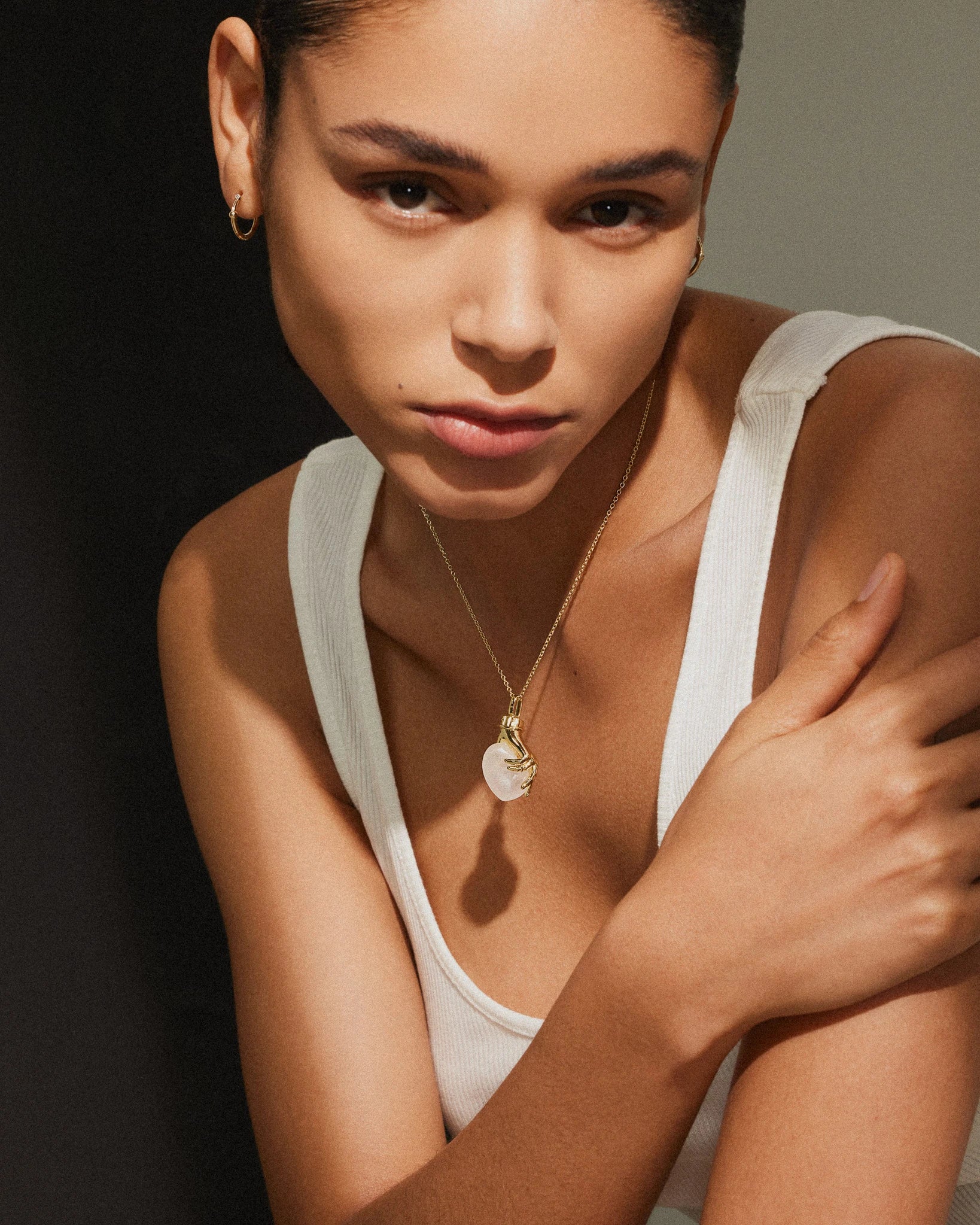
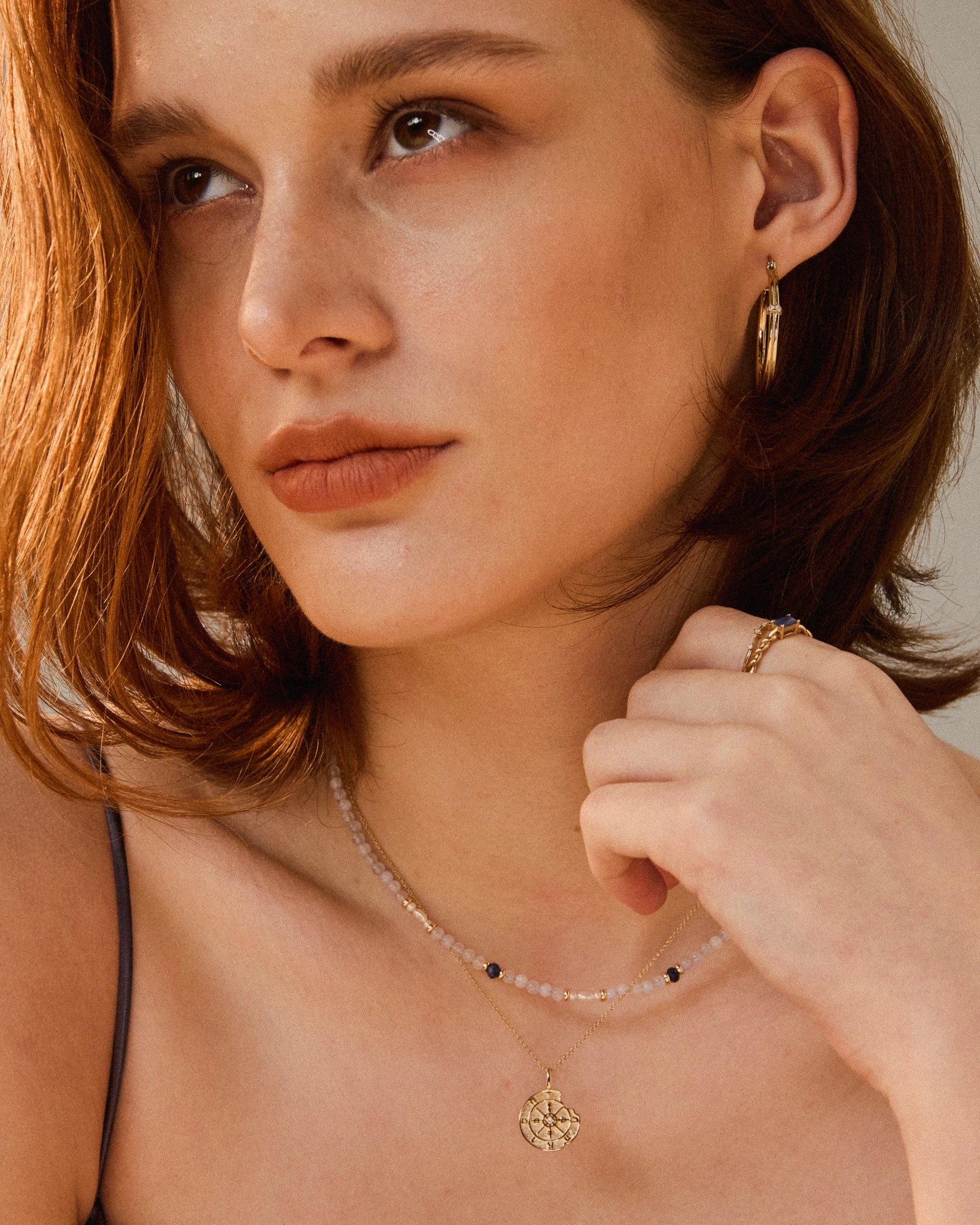
Heartfelt Necklace | Brio Hoops
Amethyst
Amethyst feels more structured.
Its purple tones range from light lavender to deeper violet, often holding more visual depth than softer stones. Depending on the cut, it can feel almost layered, like color sitting inside the stone rather than sitting on top of it.
It responds to light clearly, without losing its depth.
Even in smaller proportions, it tends to hold attention without needing to push for it.

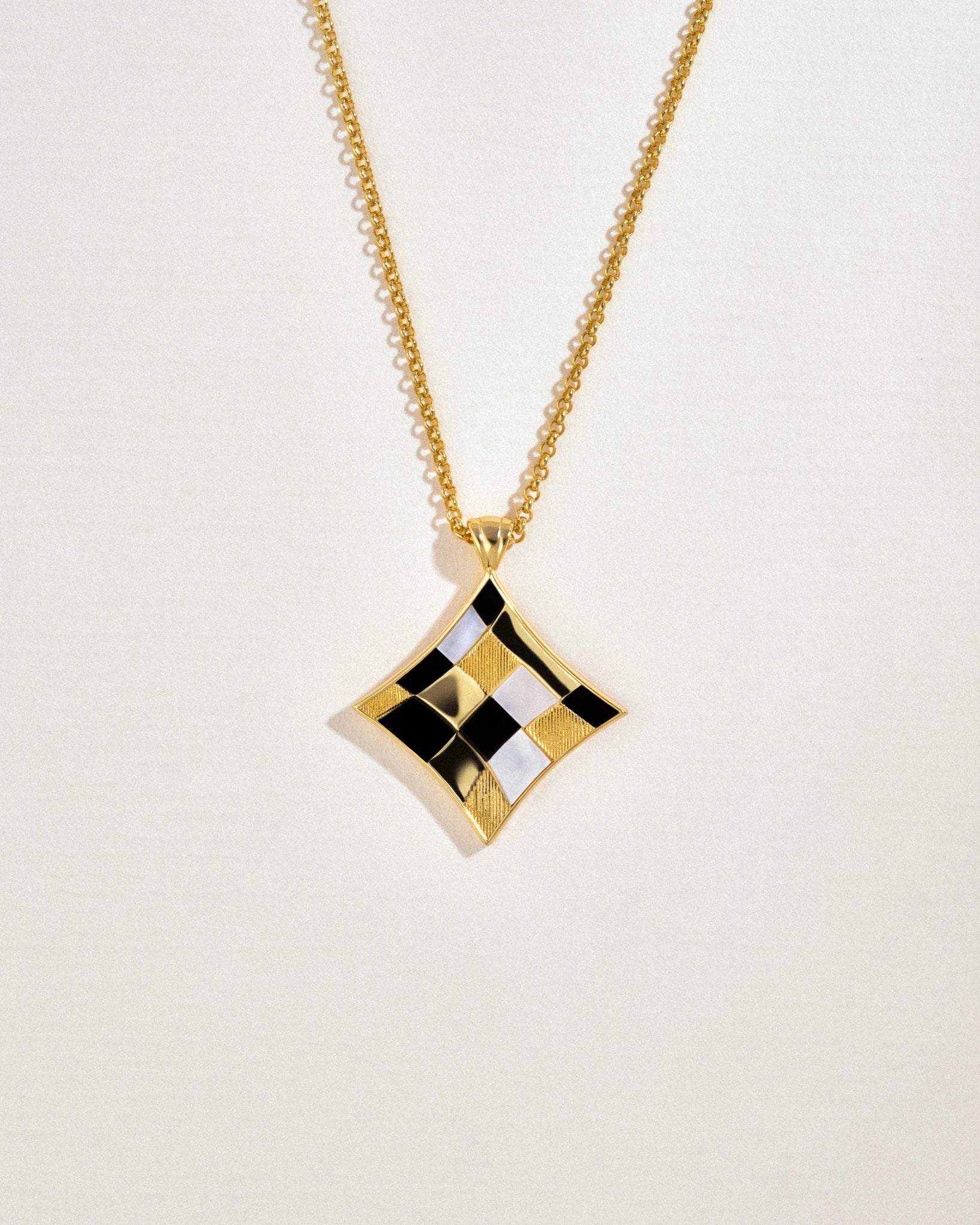
Treasured Tears Earrings | Gilded Link Necklace
Citrine
Citrine sits in a wide range of yellow and orange tones — from pale, almost translucent warmth to deeper, more saturated shades.
At Stanza, we are drawn to the more saturated end of that spectrum. The richer tones feel closer to something like wine — warm, grounded, and slightly more complex in how they hold light.
That depth is what makes it especially complementary to pieces like Honeyed Grace, where warmth is not meant to feel light or fleeting, but present and full.
Citrine, in this form, doesn’t just brighten a piece.
It gives it weight in color.

The Agate family
Agates sit slightly differently from the stones above.
Instead of one consistent tone or behavior, they often carry internal variation — layers, bands, or shifts in density that make each stone feel slightly unique.
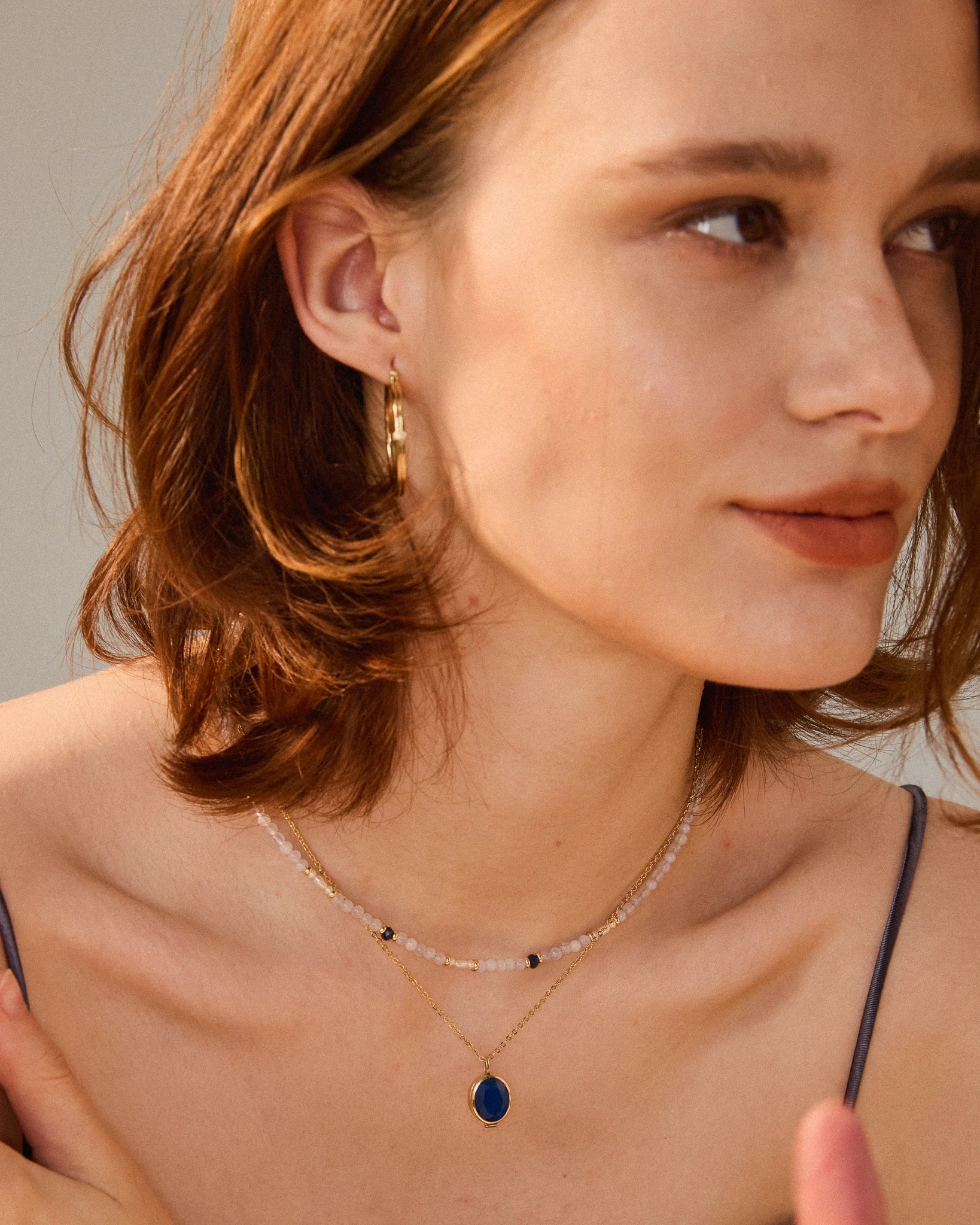
Within this family, we work with a range of tones: red agate, blue agate, green agate, and blue lace agate among others. What connects them is not uniformity, but structure within variation.
Red agate feels grounded and steady.
Blue agate carries a cooler, more fluid depth.
Green agate sits in a balanced, muted middle.
Blue lace agate is the most delicate, with fine natural banding that almost feels drawn rather than formed.
Even though they share a family name, they behave very differently once they’re set into jewelry.
And that variation is exactly what makes them useful.

Why we use these stones
These materials are not chosen just for color.
They are chosen for behavior.
Some soften light. Some deepen it. Some carry variation inside them that only becomes visible once they are cut and set.
In jewelry, that difference matters more than it first appears.
Because a stone doesn’t exist on its own.
It exists on skin, in motion, in changing light, in real life.
And the best ones are the ones that still feel interesting when they leave the studio.