
Change has a strange reputation.
We talk about it like it should arrive with a grand announcement: a new city, a new job, a dramatic ending, a door closing, another one opening.
But most change is smaller than that.
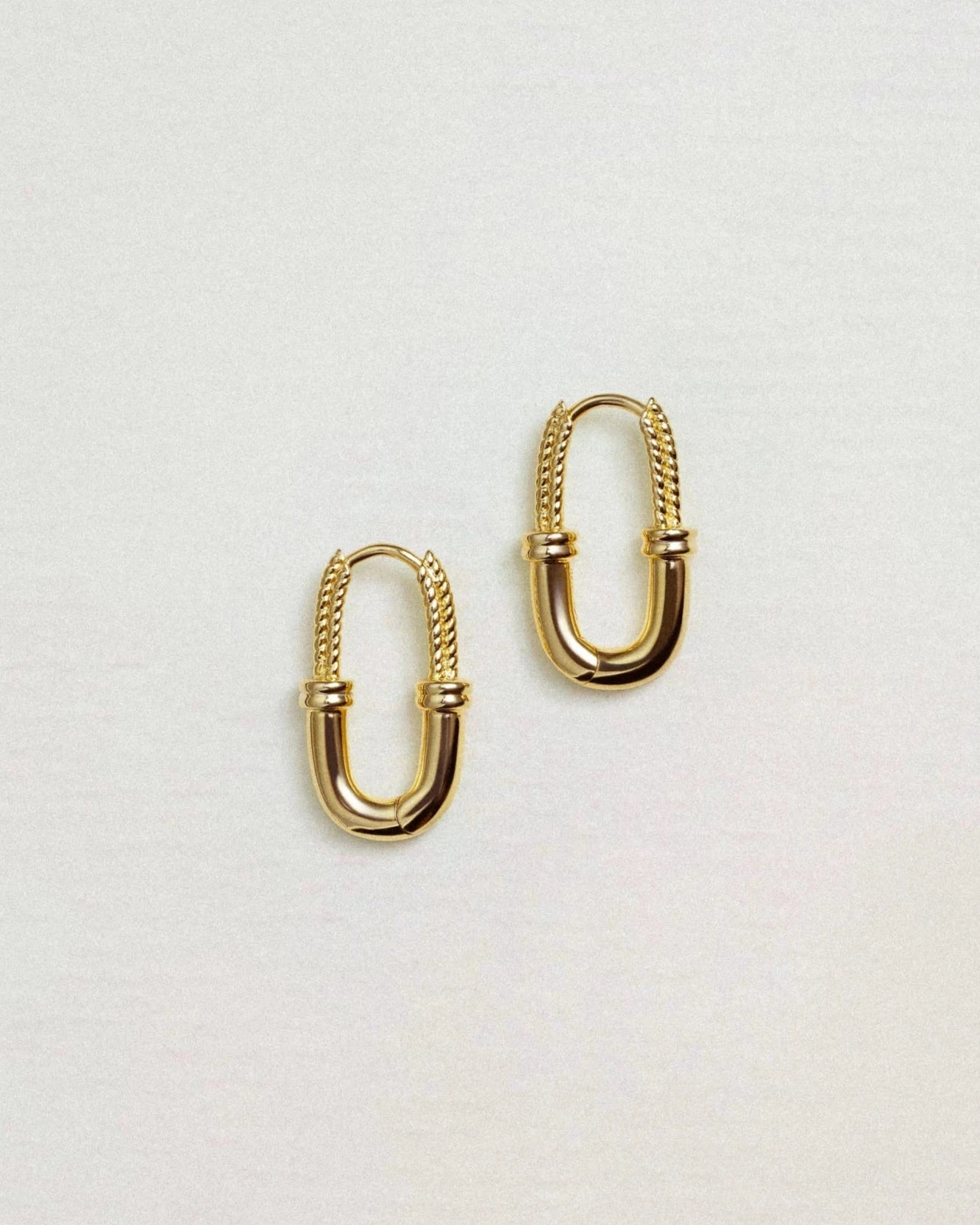
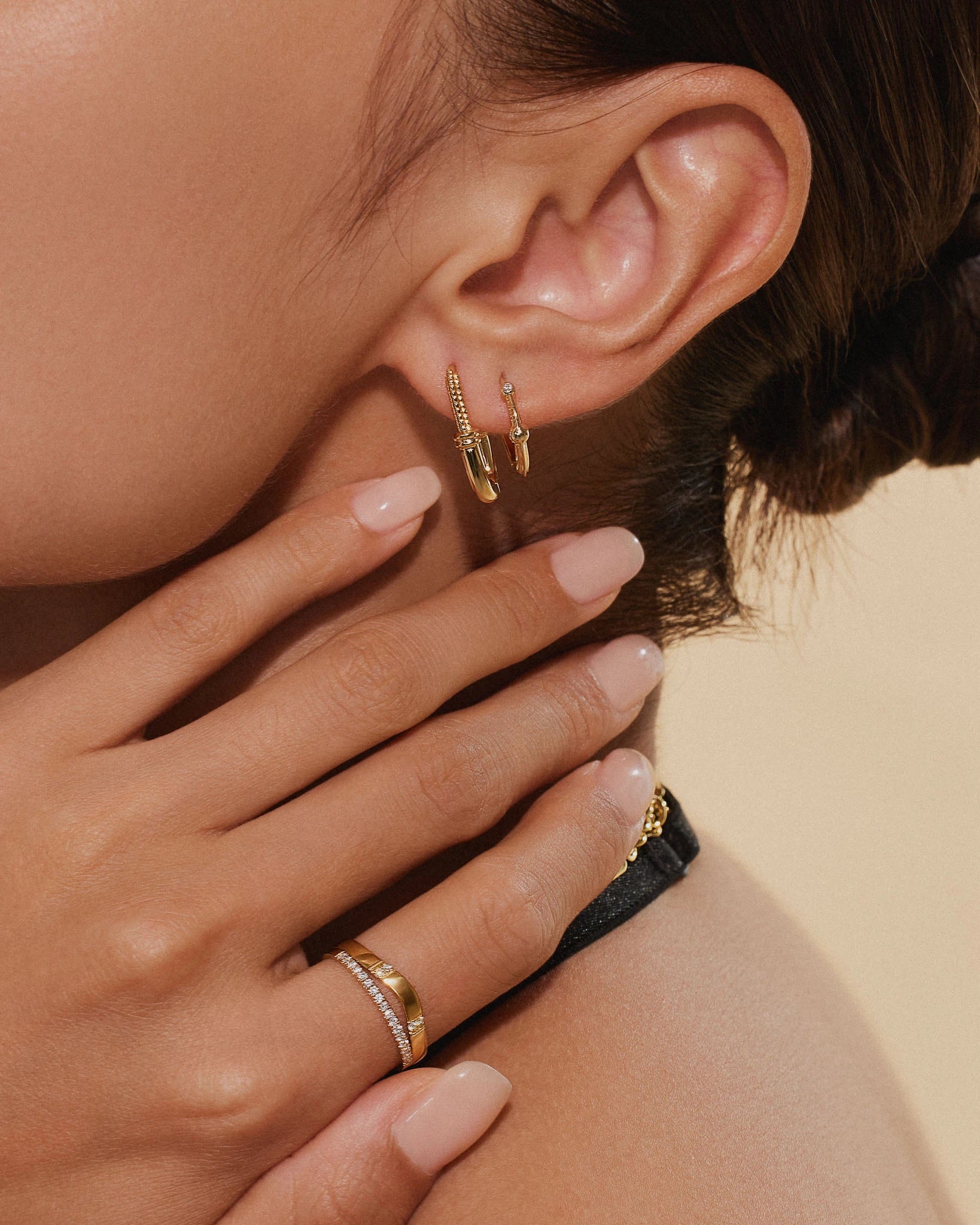
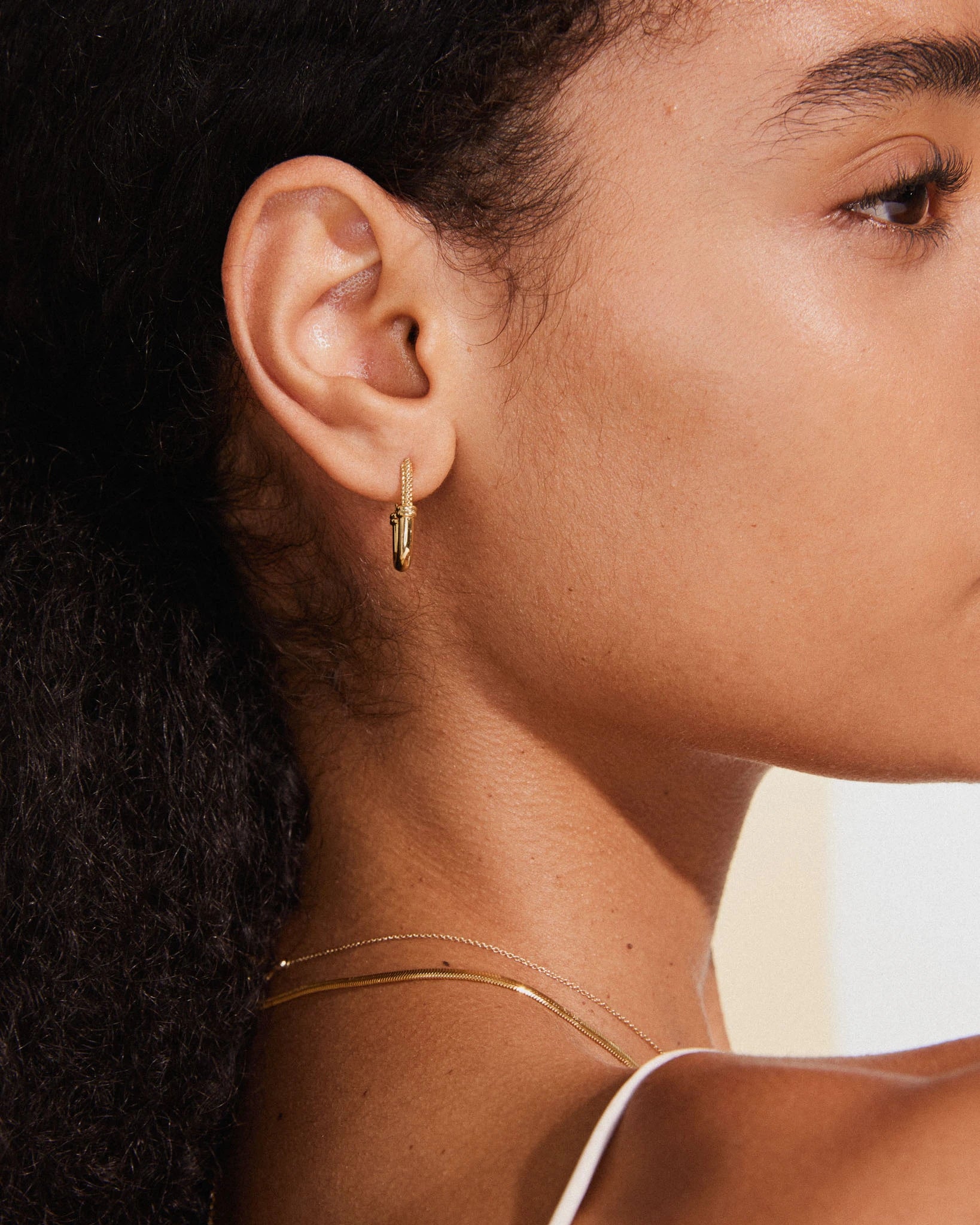
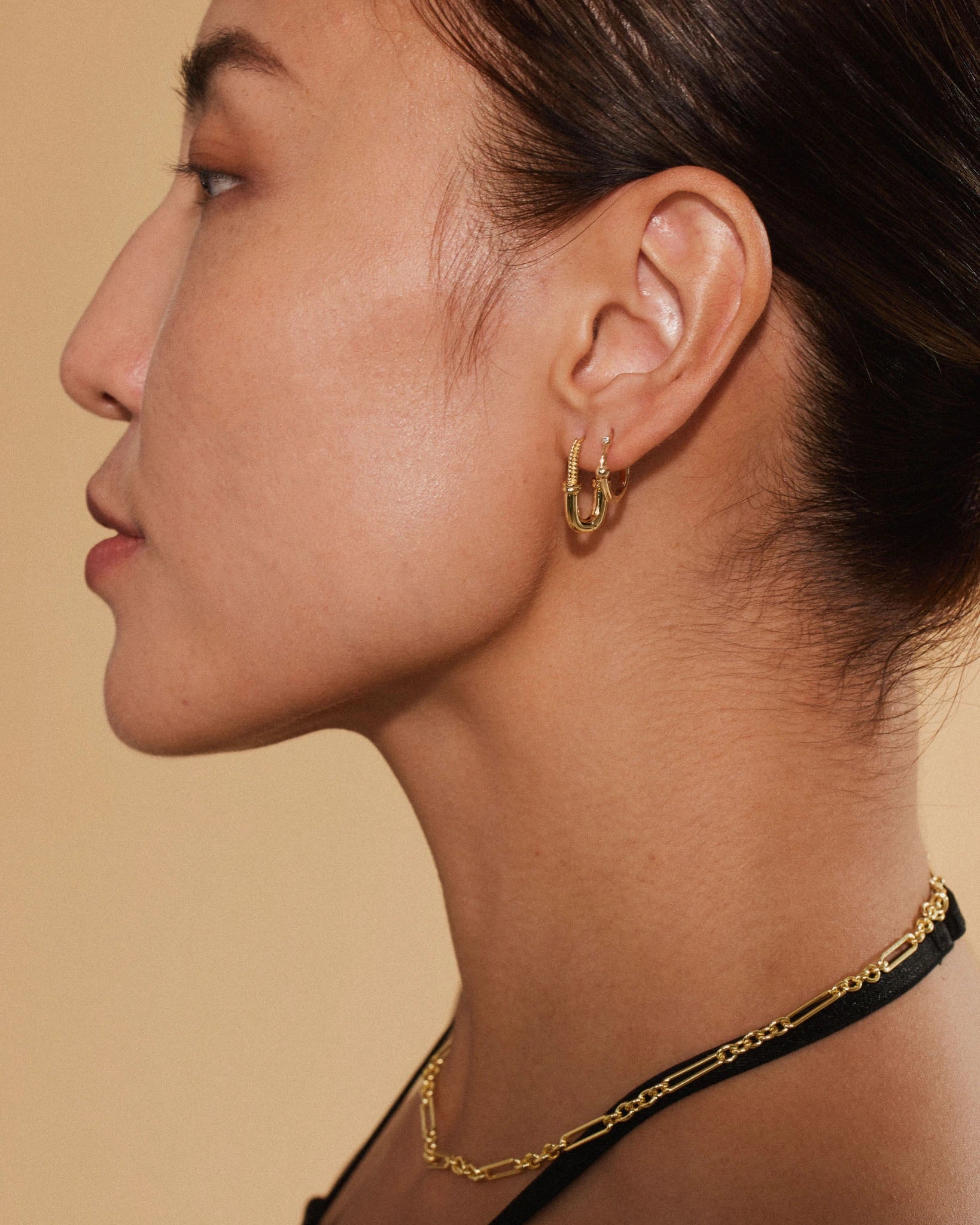
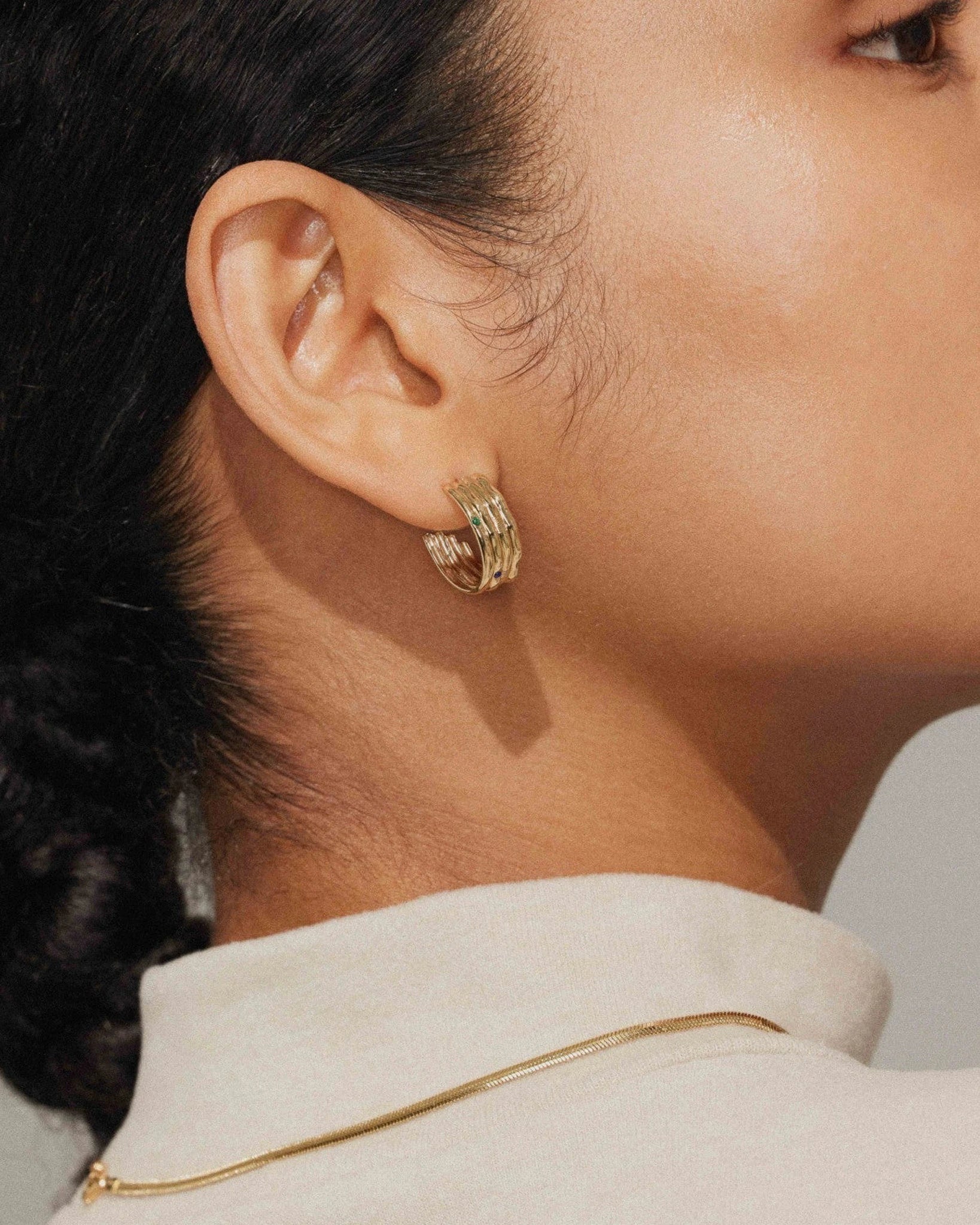
It happens in the slow shift of a season. In the person you become after a hard year. In the habit you finally leave behind. In the piece of jewelry you start wearing every day without realizing it has become part of your life.
Poets understand this well.
They know change is not always a clean before and after. Sometimes it is a color fading, a tide returning, a monument breaking down in the sand.

“Nothing Gold Can Stay” by Robert Frost
“Nature’s first green is gold,
Her hardest hue to hold.”
Robert Frost’s poem is one of the clearest poems ever written about change.
It begins with a small observation: the first green of spring often looks golden. That earliest, tender color is beautiful because it is brief. It appears, changes, and becomes something else almost immediately.
The poem is not really saying beauty disappears.
It is saying beauty changes form.
That is the part that stays with us.
A beginning cannot remain a beginning forever. A first feeling cannot stay untouched. A season cannot pause just because we love it. But that does not make it less meaningful. In some ways, it makes us notice it more.
This is the kind of change that feels soft, almost bittersweet. The moment you know something is passing even while you are still inside it.
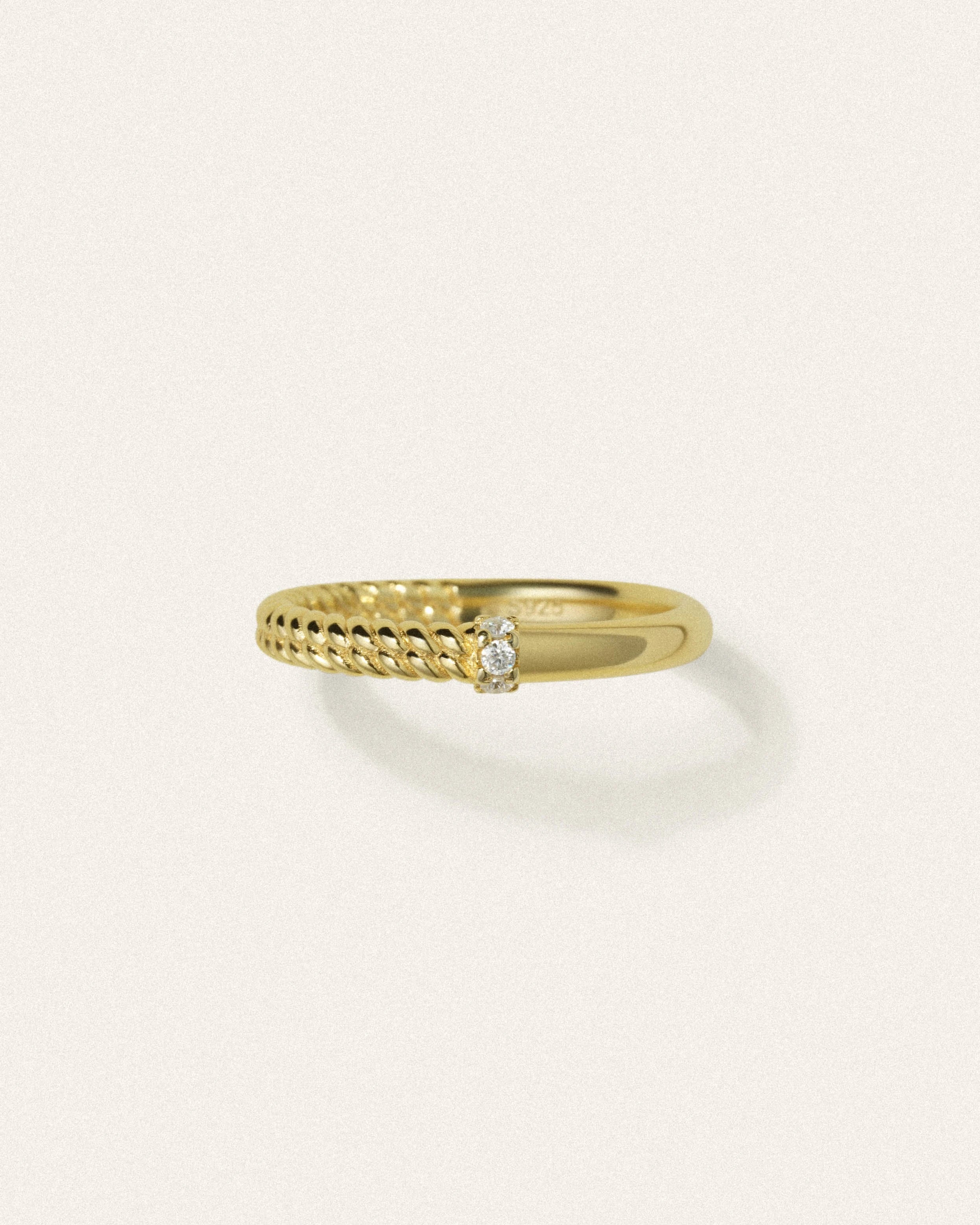
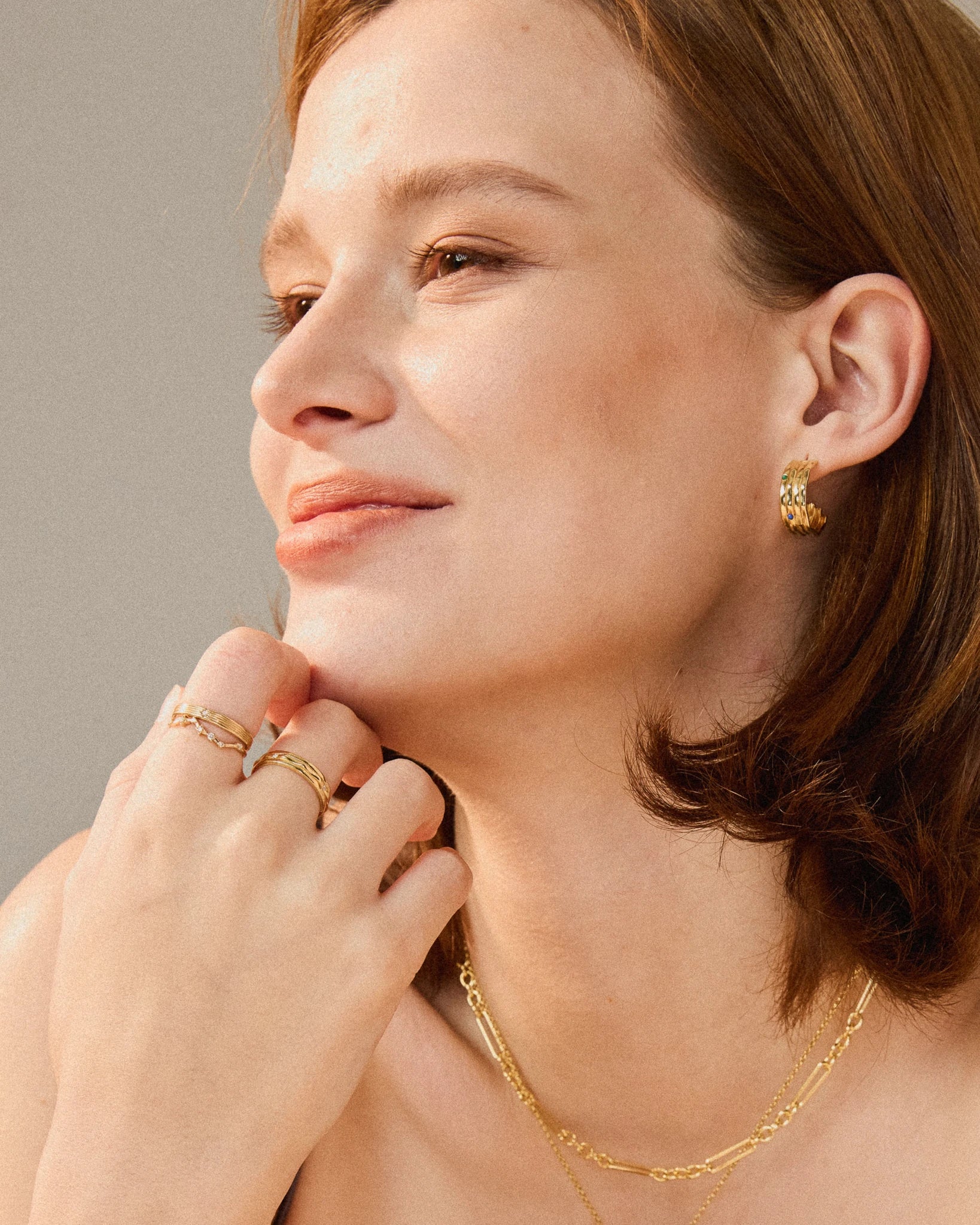
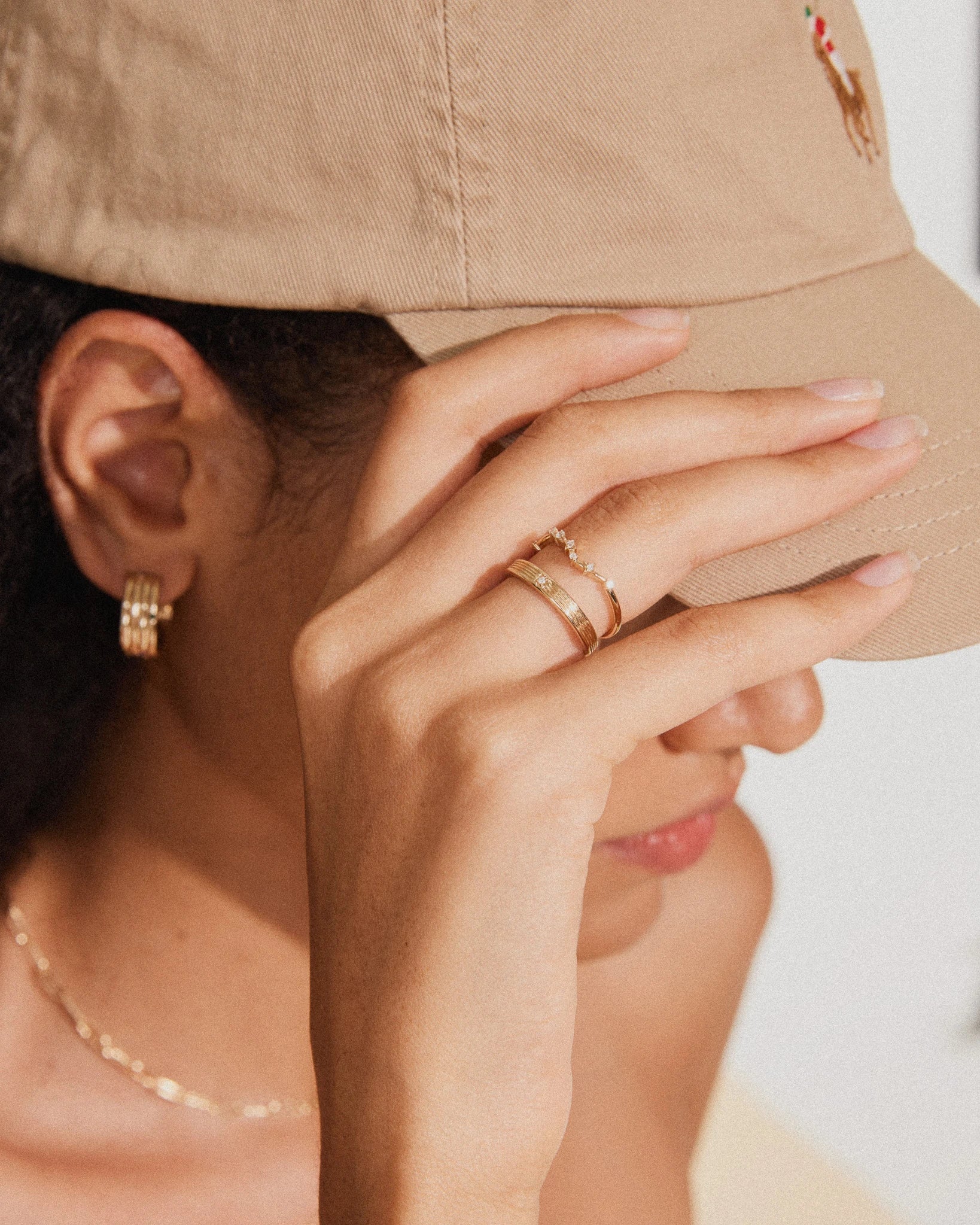
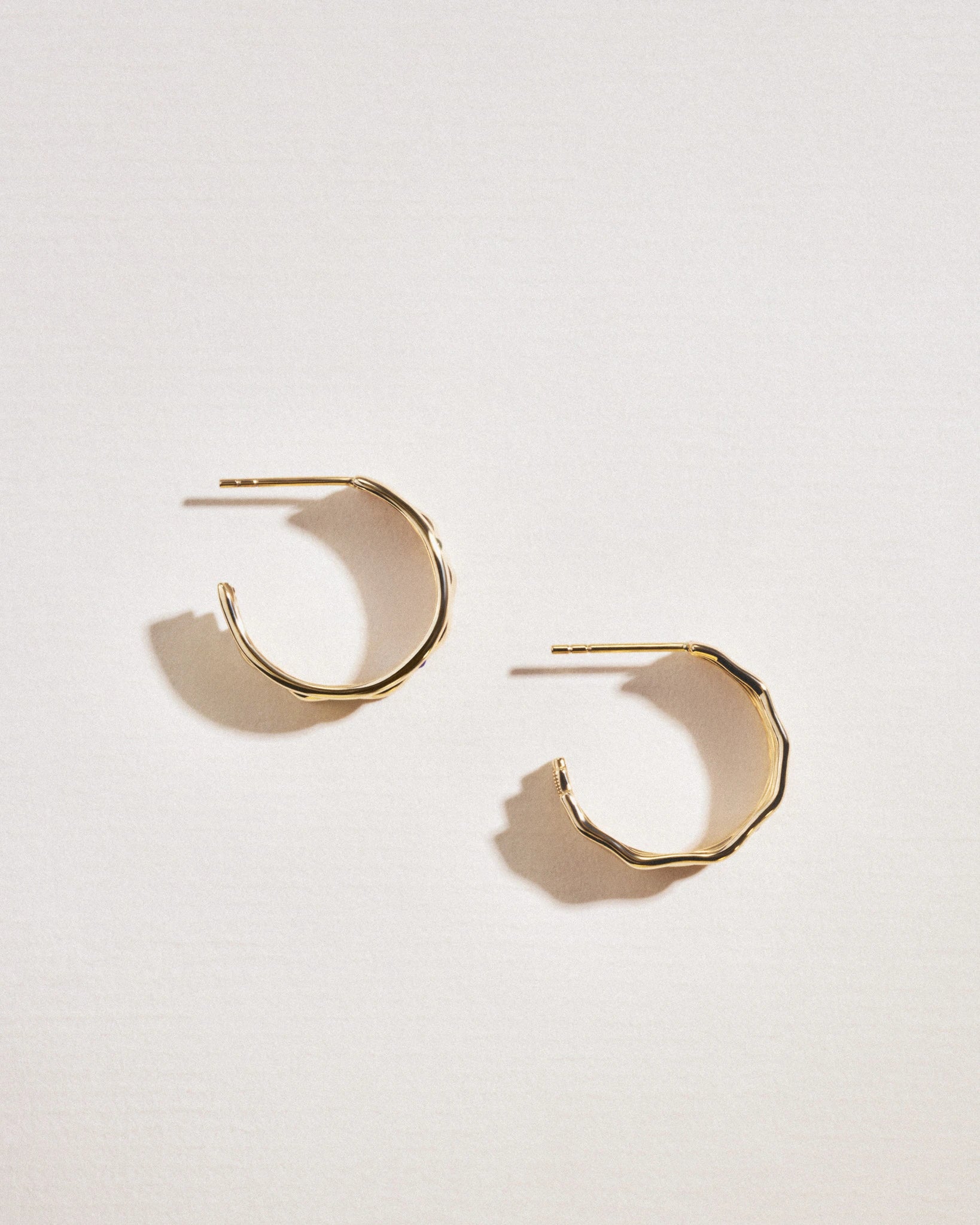
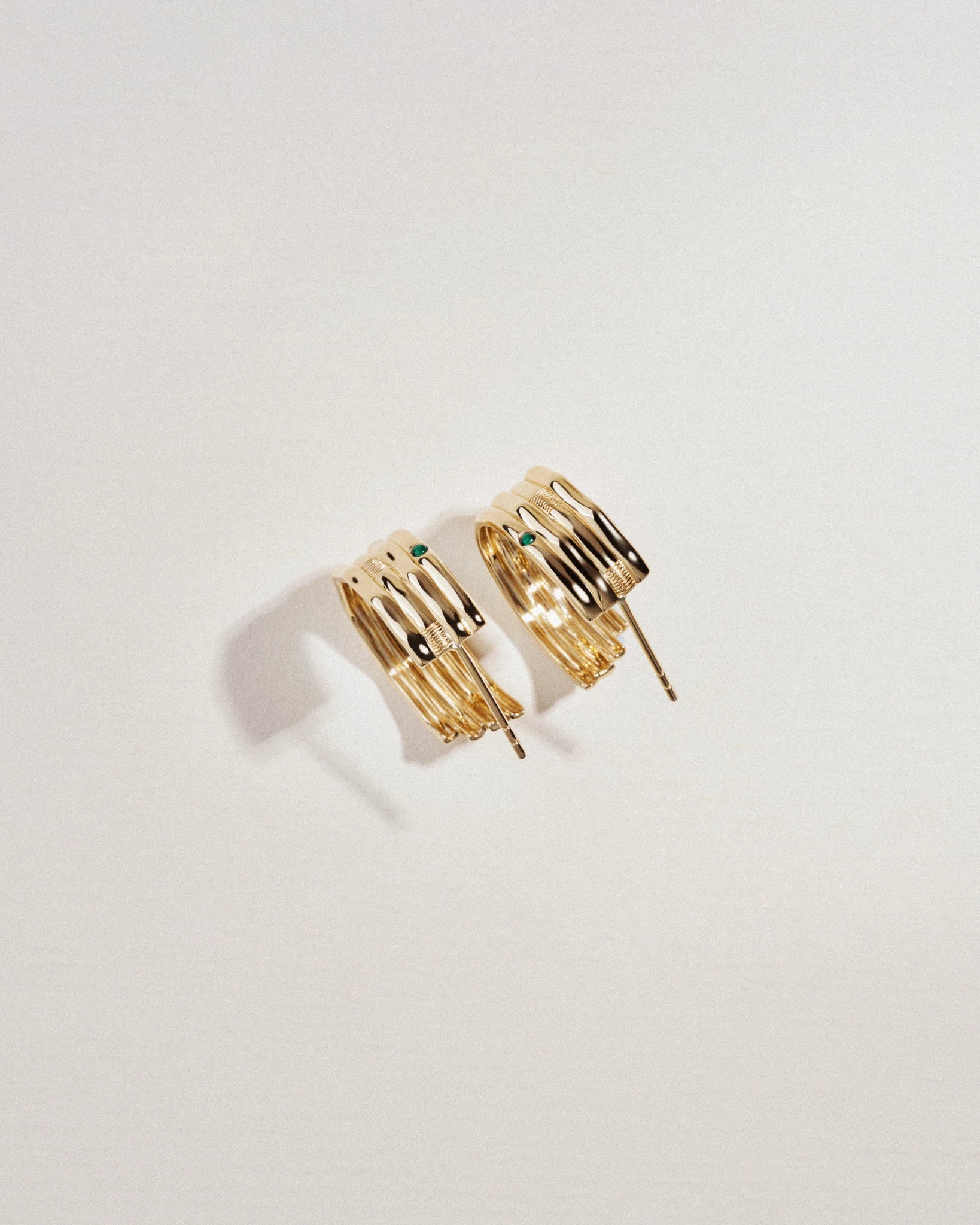
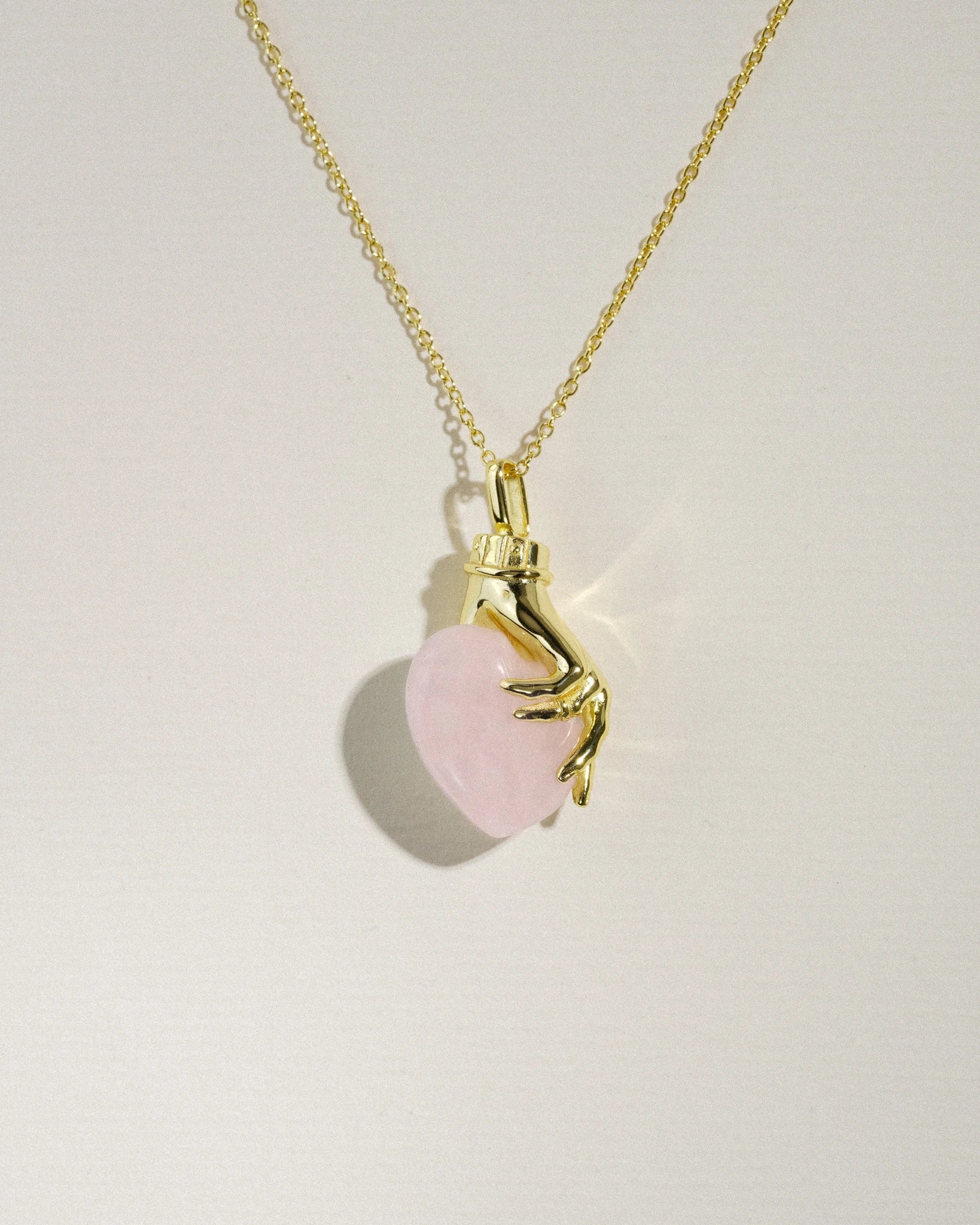
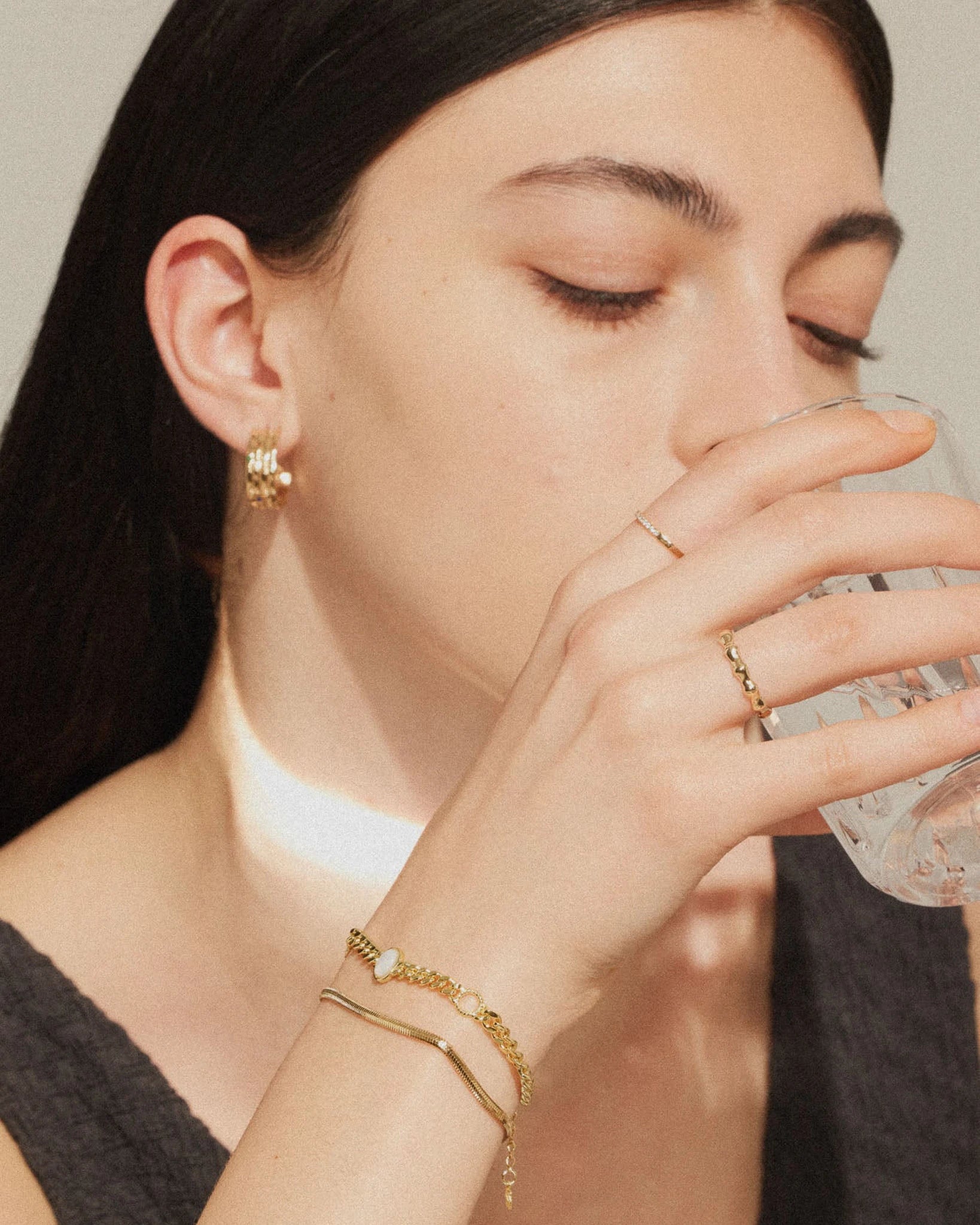
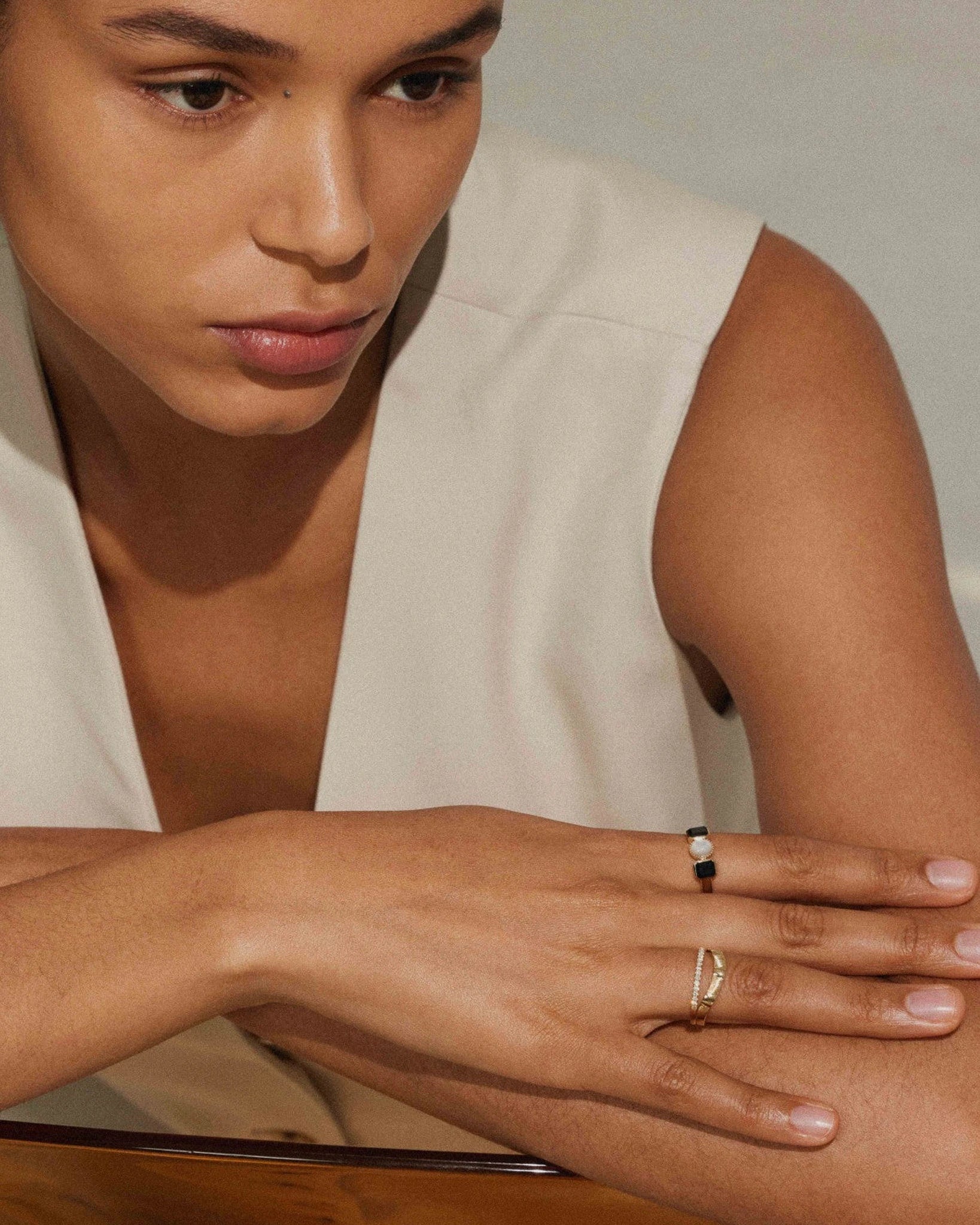
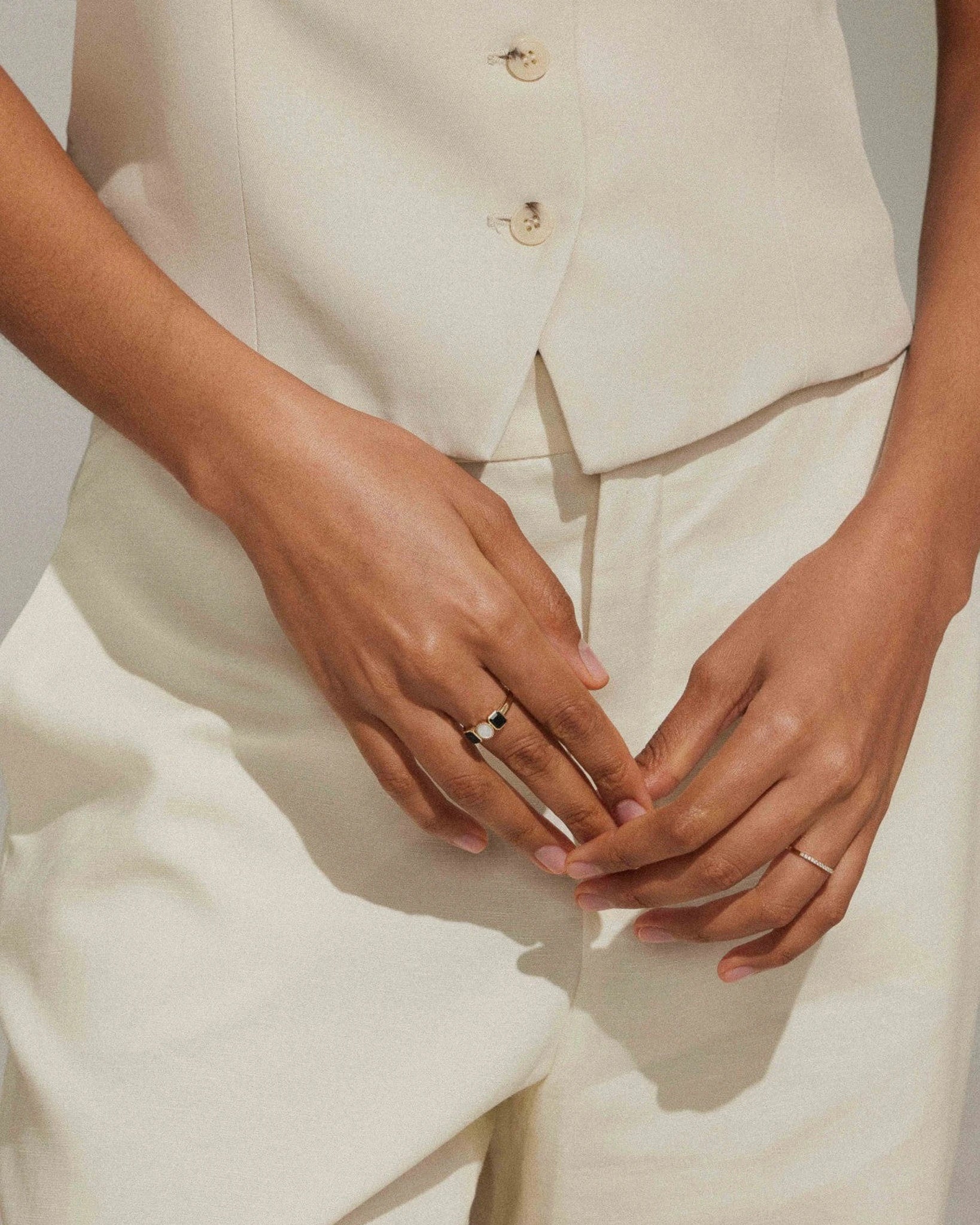
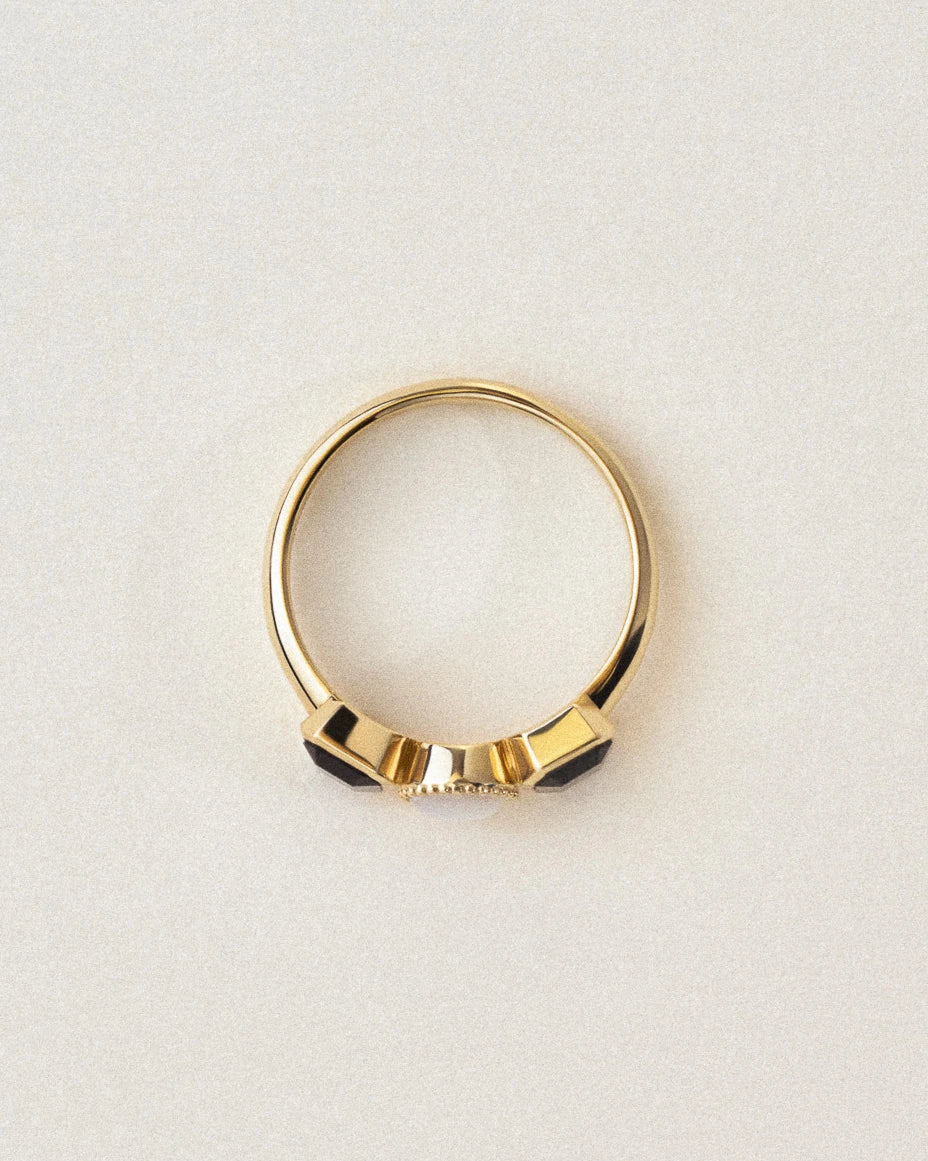
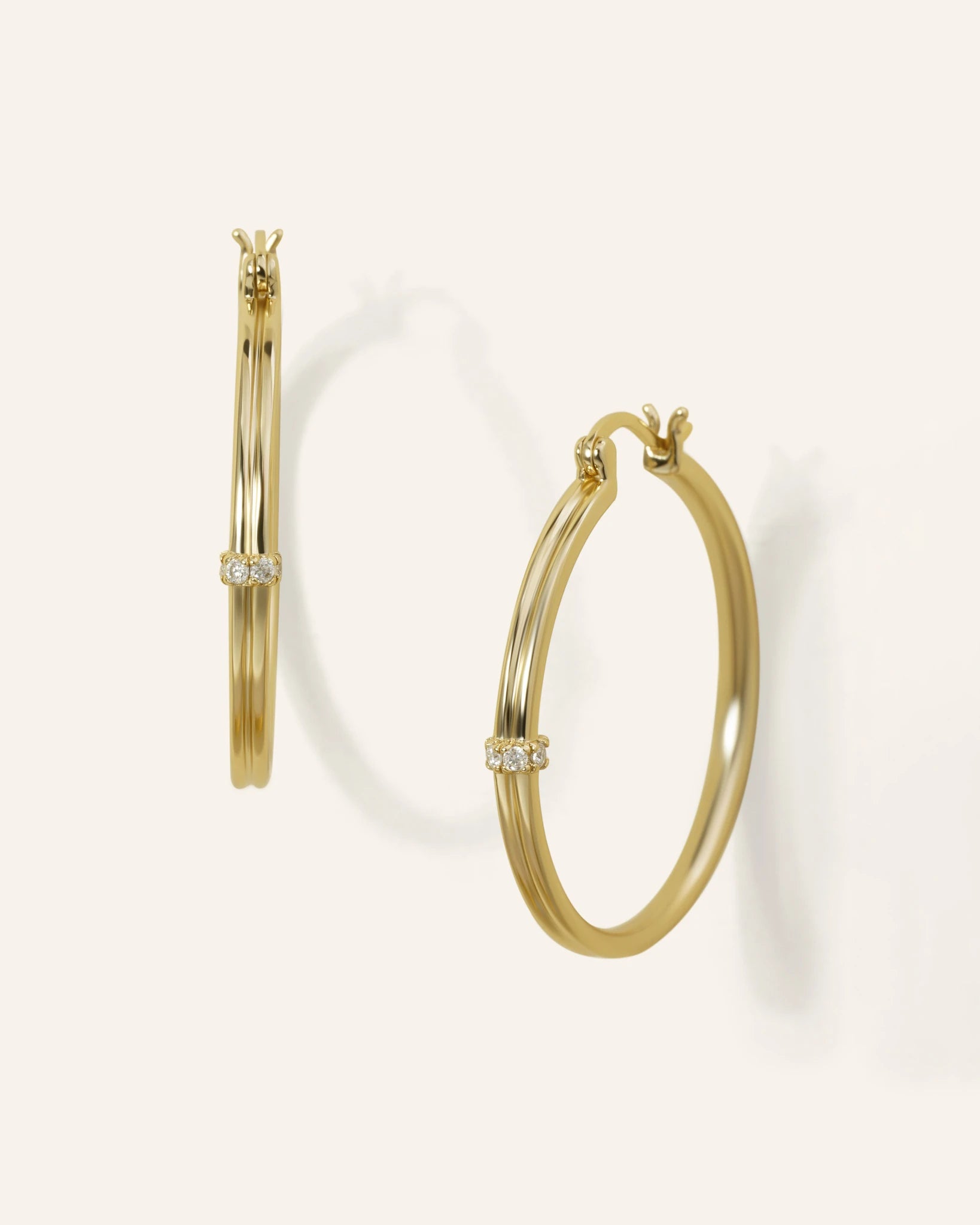
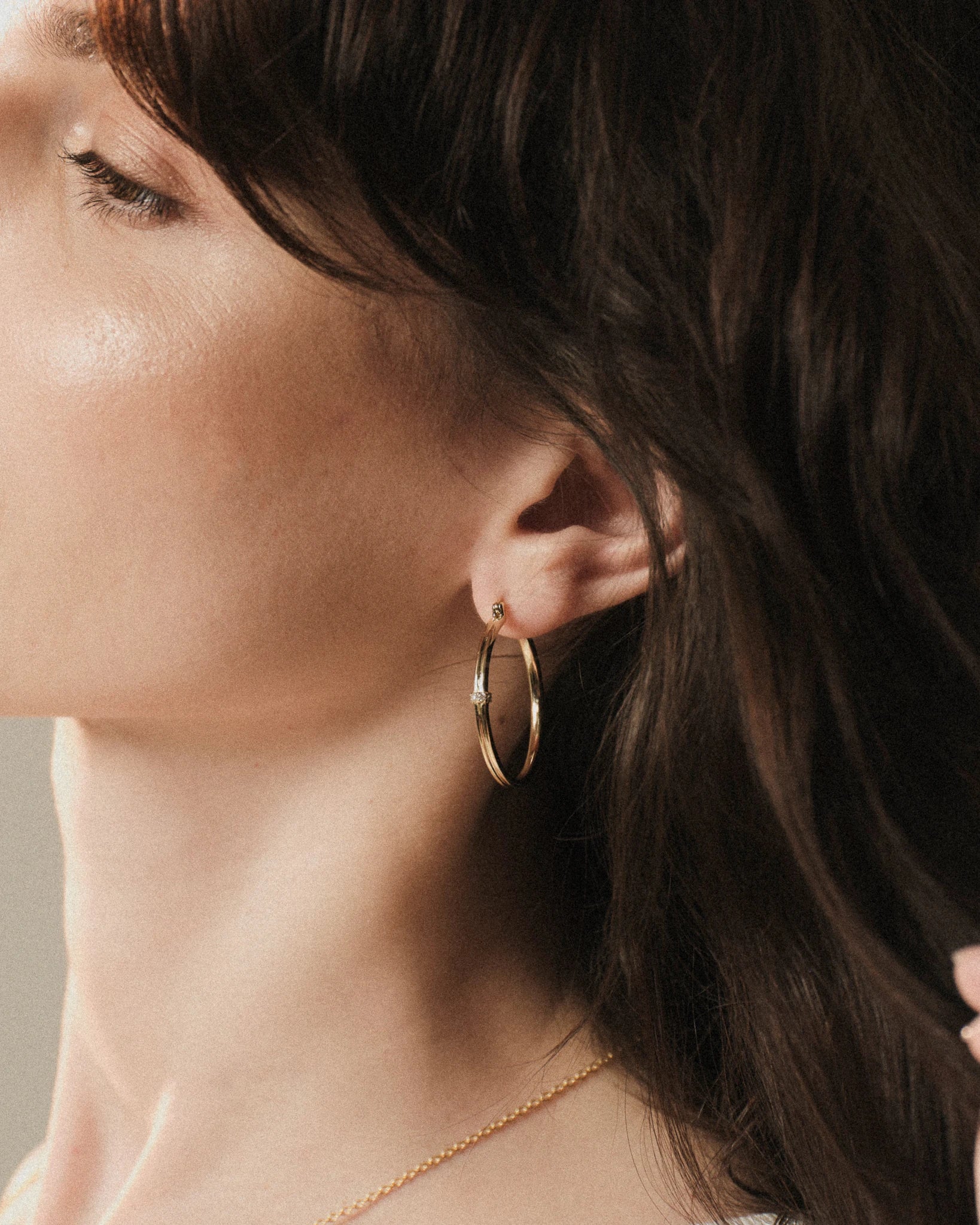
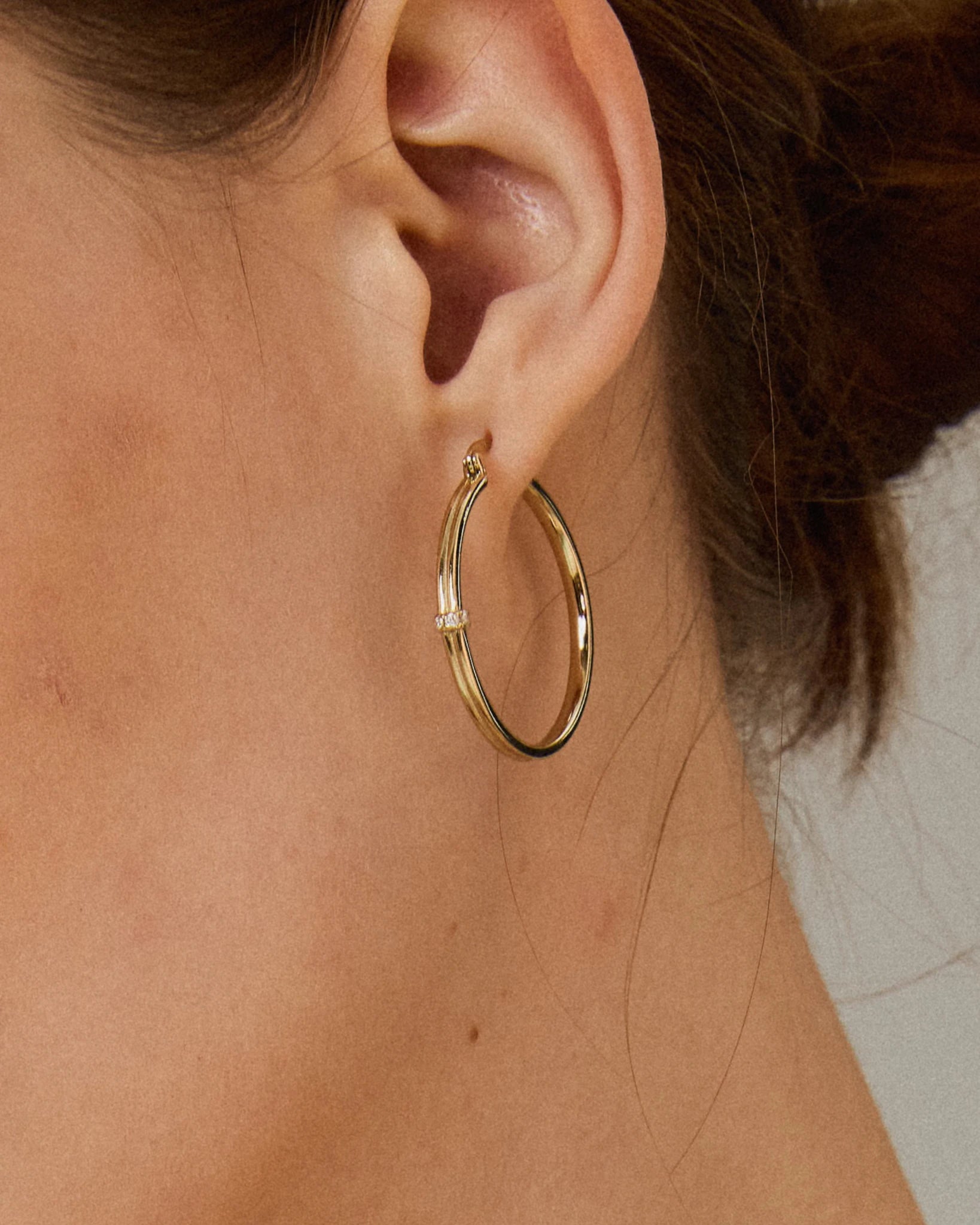
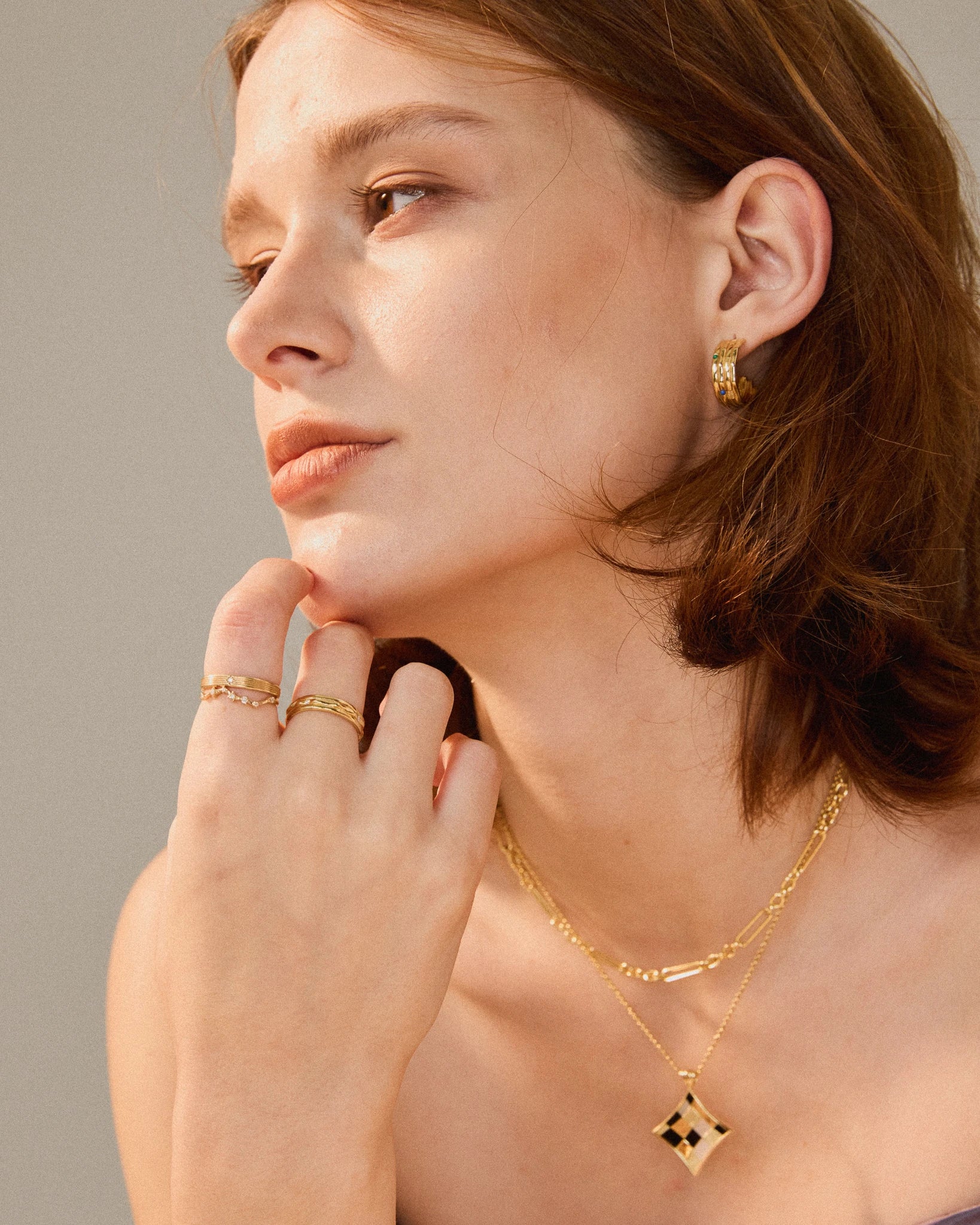
Jewelry often becomes part of those moments. A ring bought at the beginning of a new chapter. A necklace worn through a season you did not know would change you. A small gold piece that becomes attached to a version of yourself you are still learning to name.
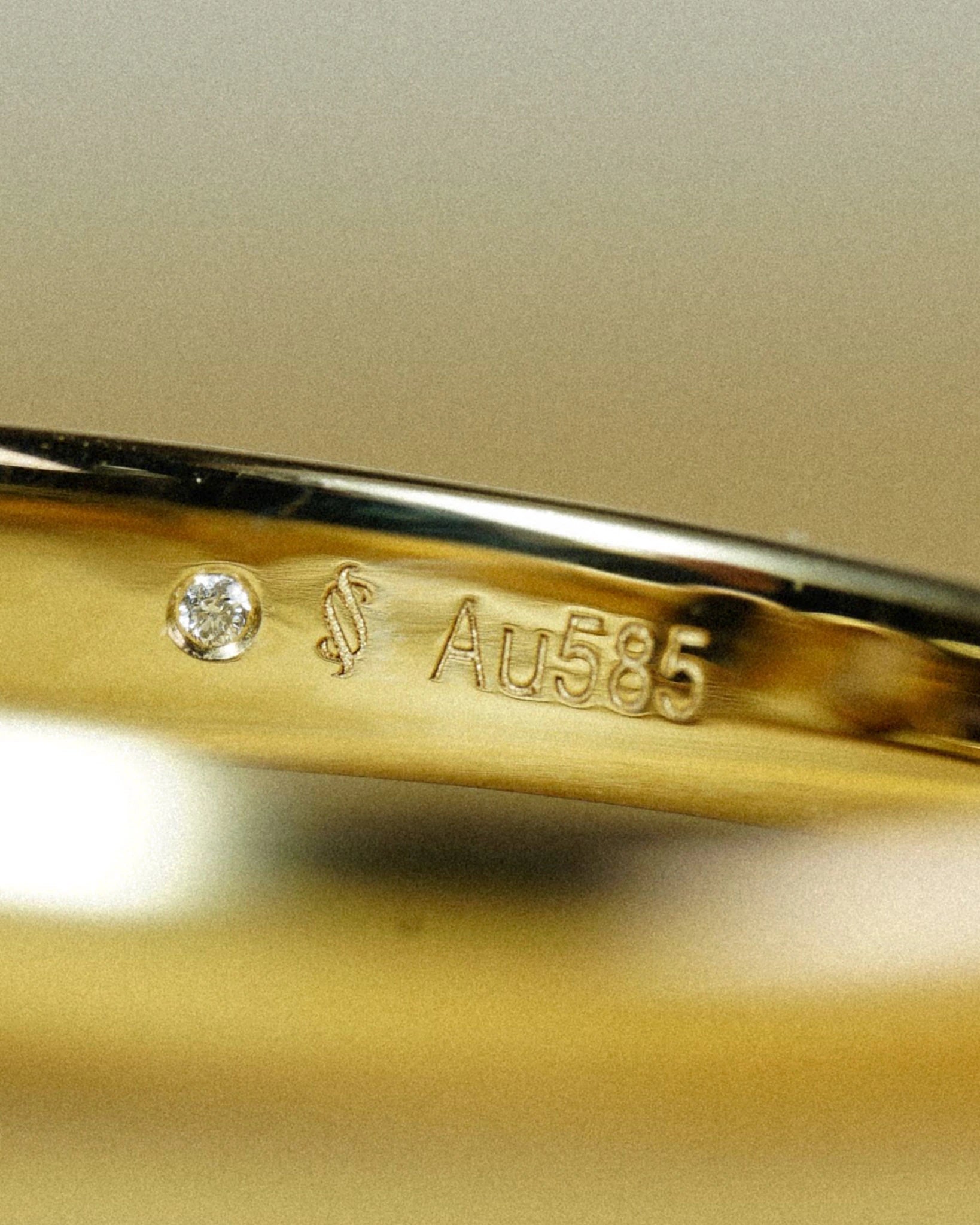
Gold may not stay in the same light forever.
But sometimes, that is why we keep it close.

“The Tide Rises, the Tide Falls” by Henry Wadsworth Longfellow
“The tide rises, the tide falls,
The twilight darkens, the curlew calls.”
Longfellow’s poem looks at change differently.
Here, change is not sudden. It is rhythm.
The tide rises.
The tide falls.
The day ends.
Another begins.
A traveler passes through, but the sea continues its pattern. Footprints are washed away. The world moves on.
At first, that might feel a little sad. But there is comfort in it too.
Not everything has to be held forever to have mattered.
Some moments arrive, leave a mark, and then become part of something larger than memory. The tide does not stop for anyone, but it also does not abandon its rhythm. It returns again and again.
This is the kind of change we live with every day.
Mornings becoming nights. Plans shifting. People growing. Seasons moving through us whether we are ready or not.

“Ozymandias” by Percy Bysshe Shelley
“Look on my Works, ye Mighty, and despair!”
Shelley’s Ozymandias gives us a much sharper version of change.
In the poem, a ruined statue stands in the desert. It once represented power, pride, and greatness. But time has broken it down. The king’s command remains carved in stone, yet everything around it has vanished.
It is almost funny, in a devastating way.
A ruler wanted to be remembered as untouchable. Time had other plans.
This poem reminds us that change is not only personal. It is also humbling. It strips away what was too sure of itself. It shows that even the things built to last can become fragments.
But there is another way to read it.
If power fades, then maybe what matters is not control. Maybe what matters is what we make with care, what we give, what we carry, what continues to mean something after the grand performance is over.

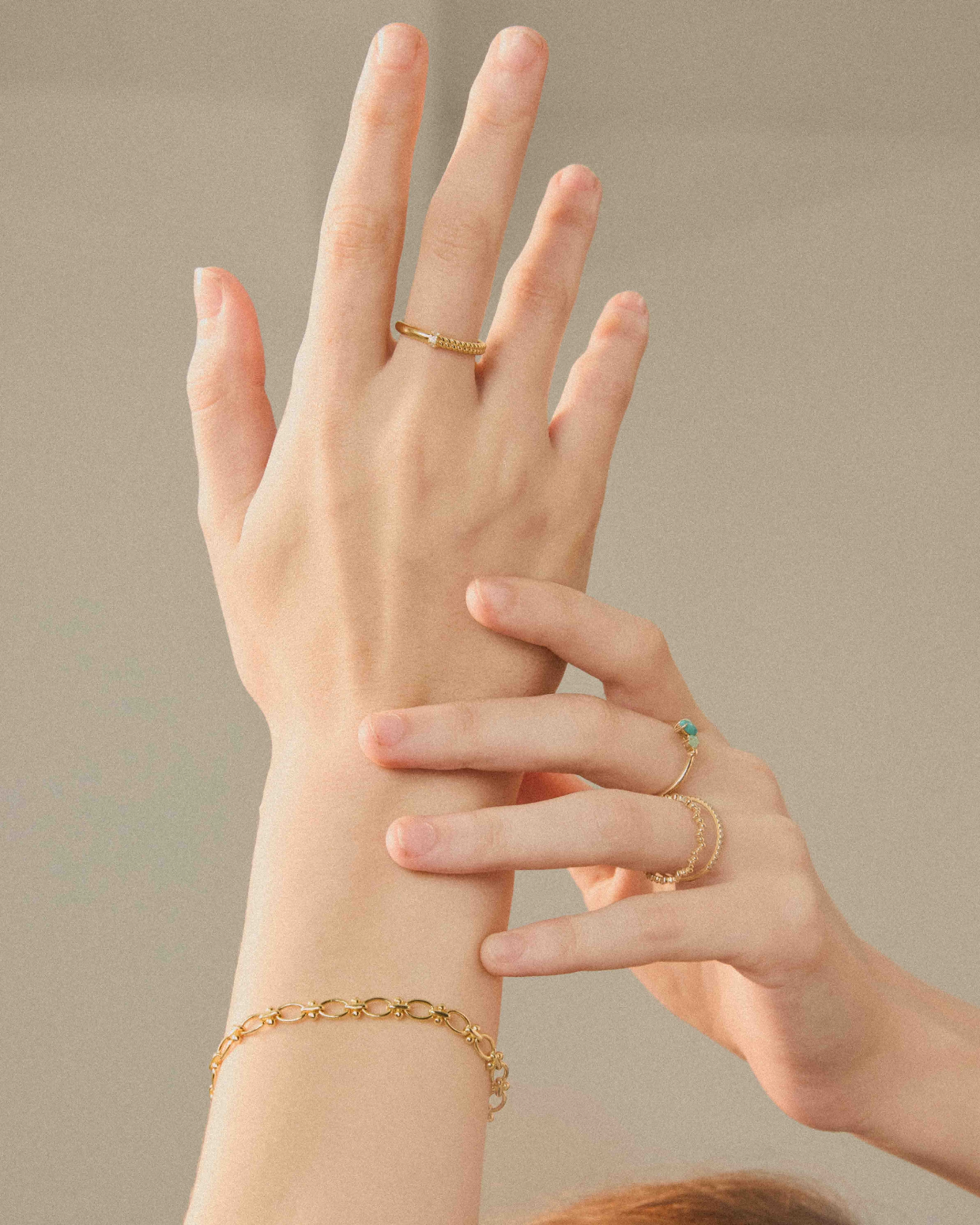
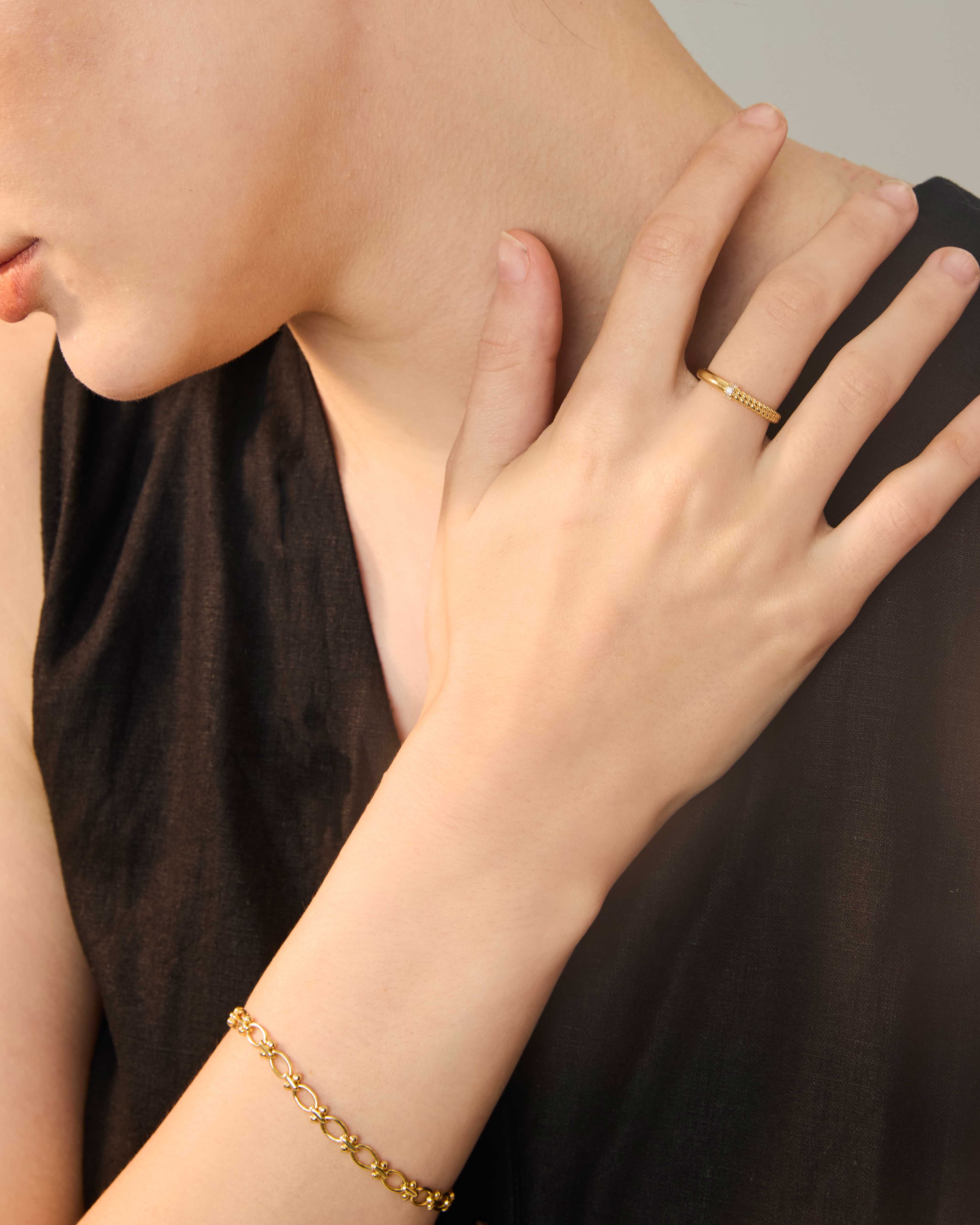
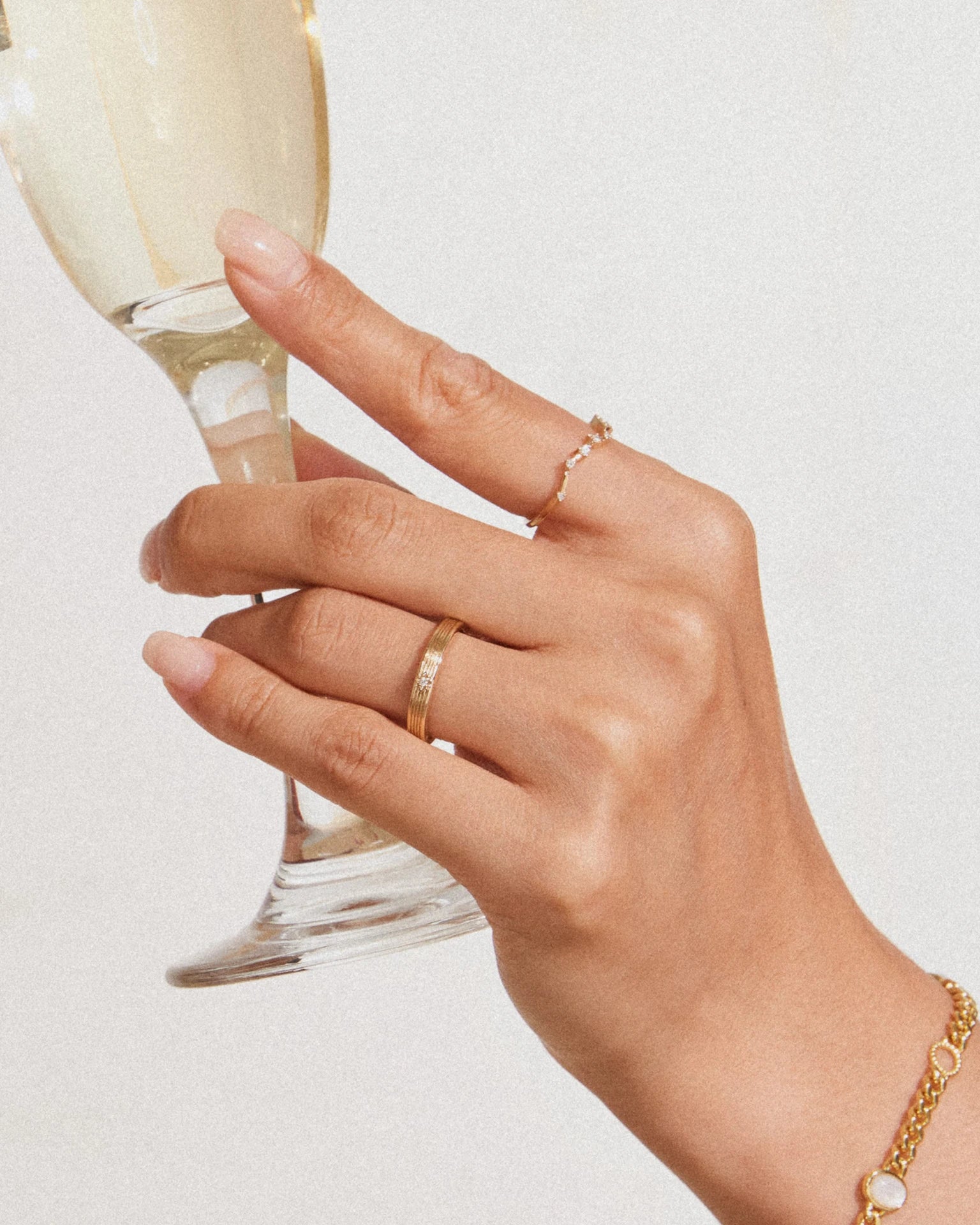
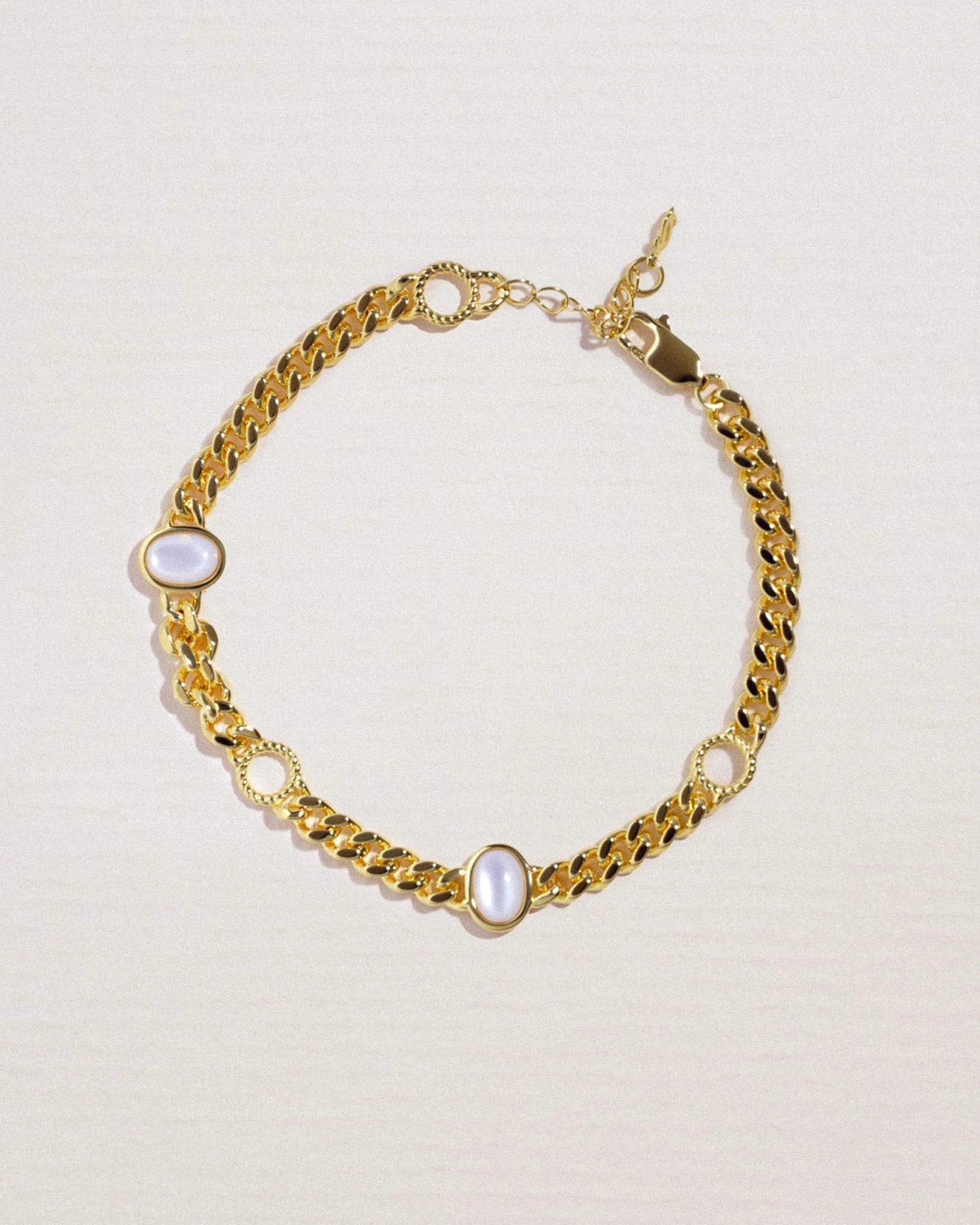
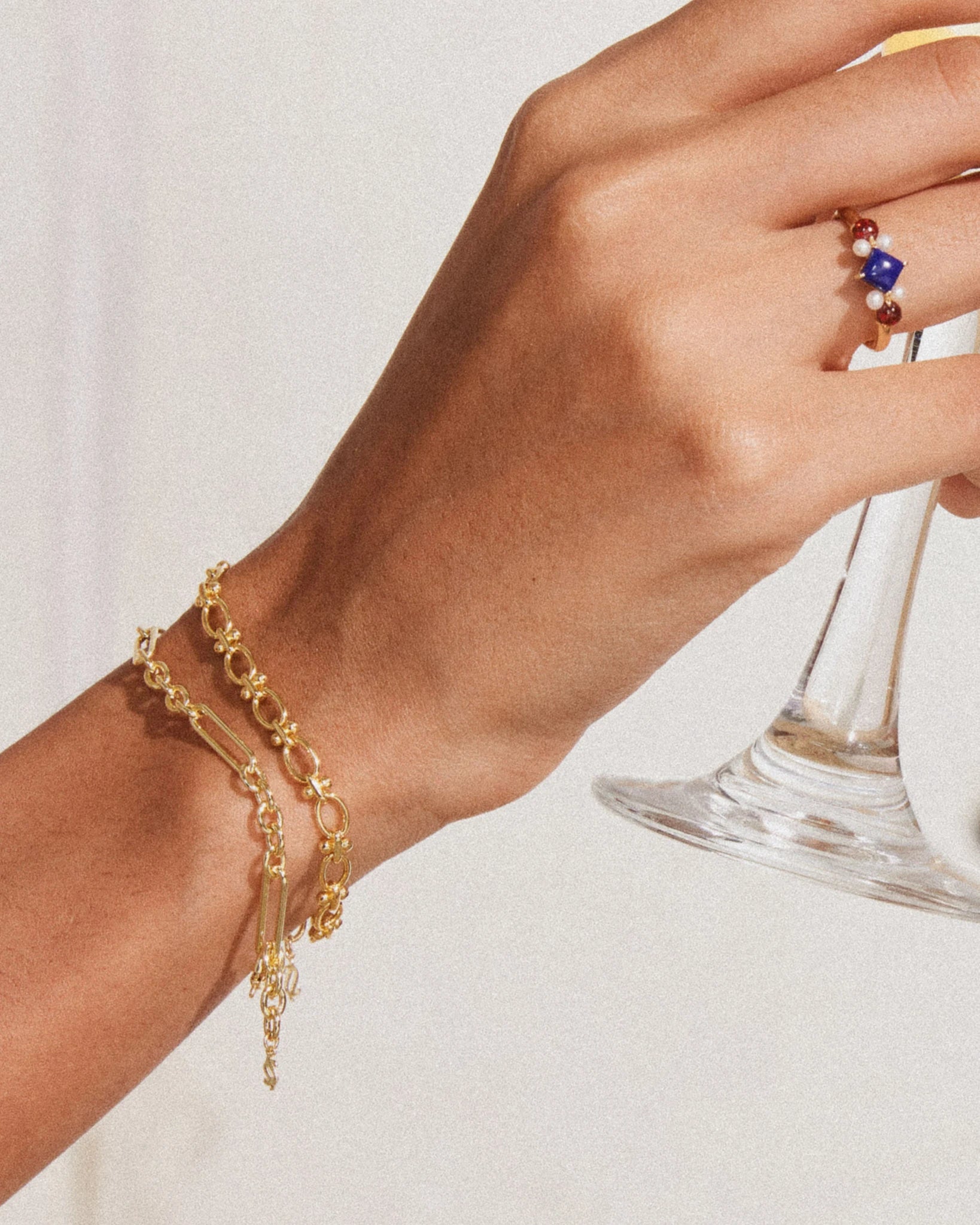
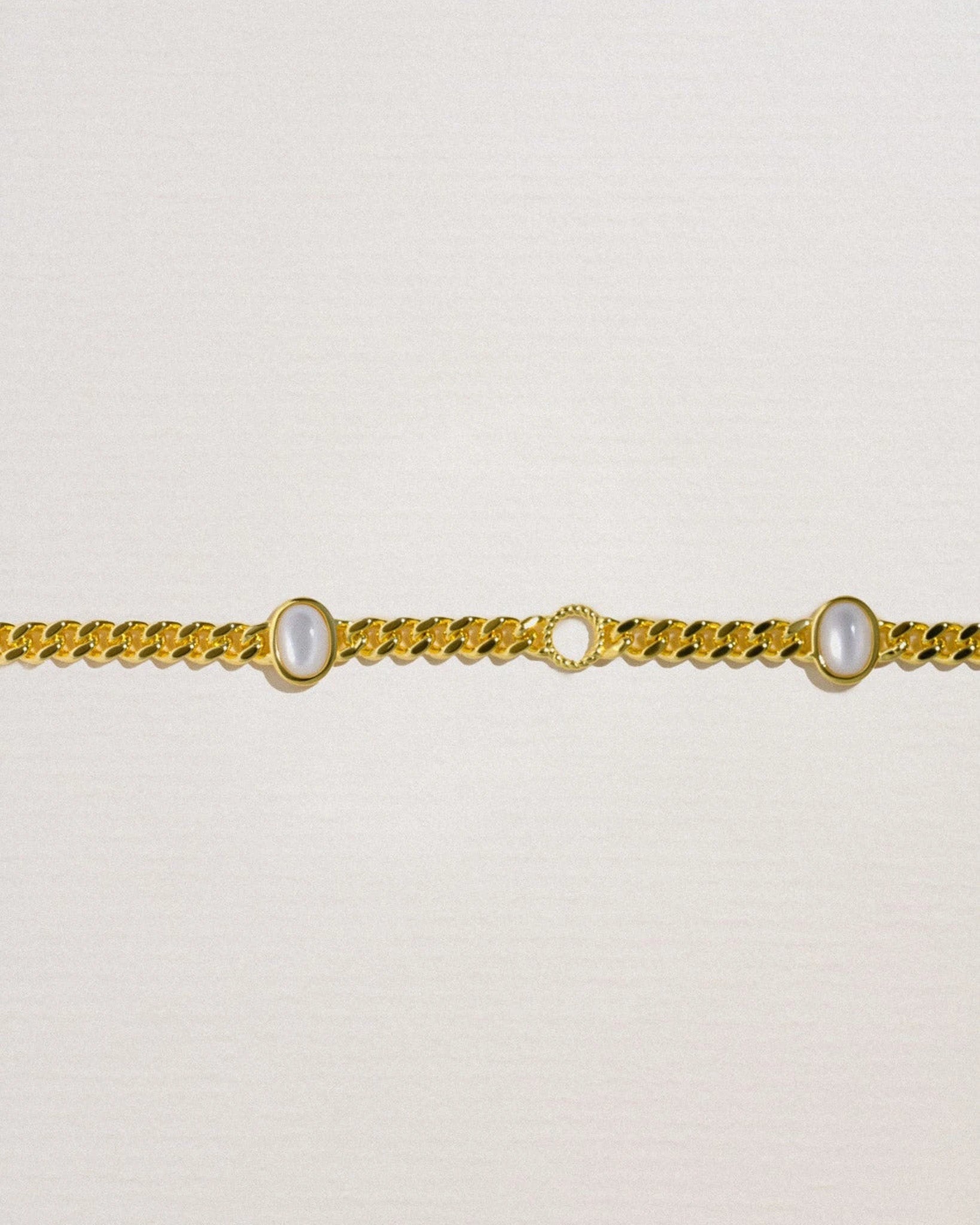
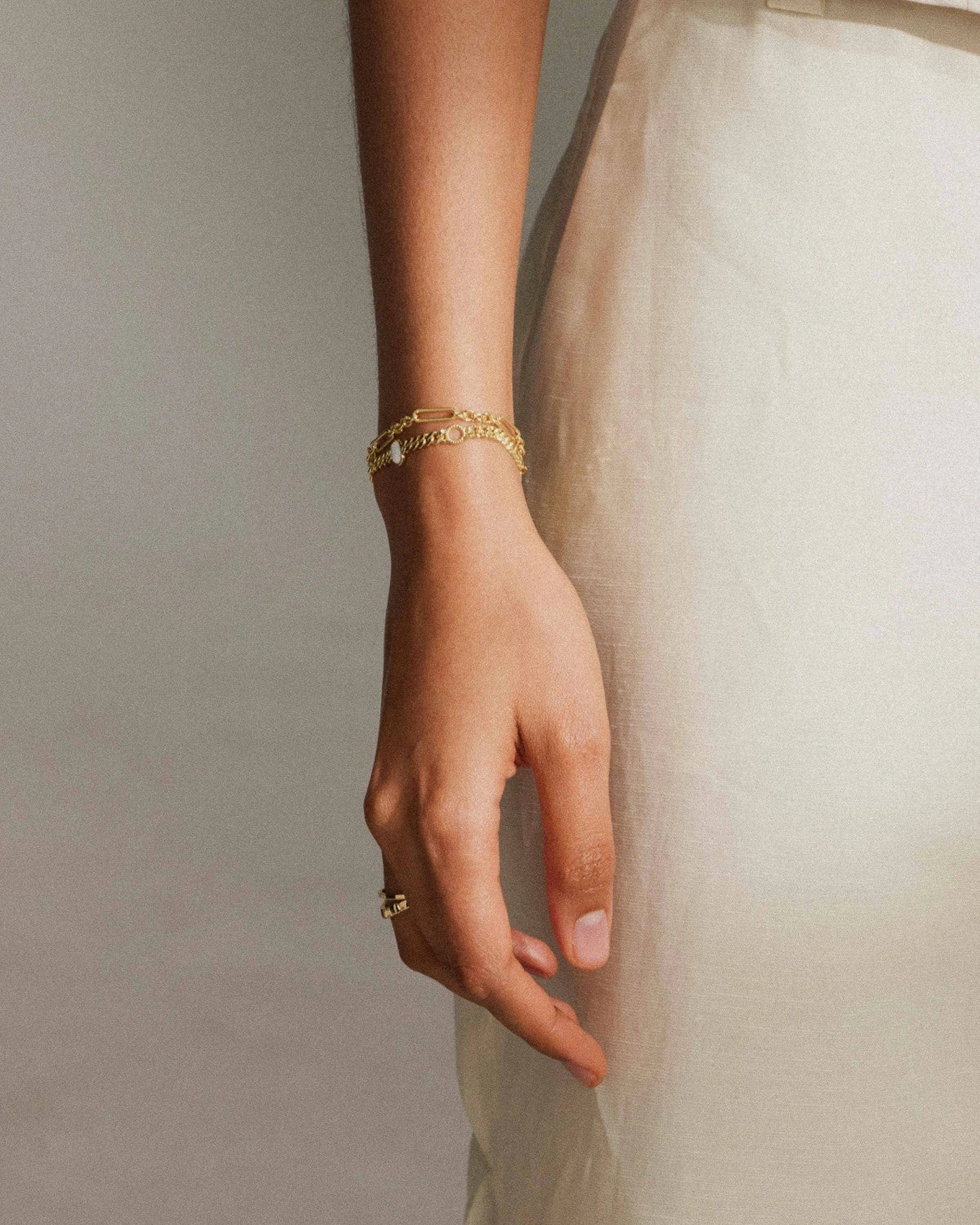
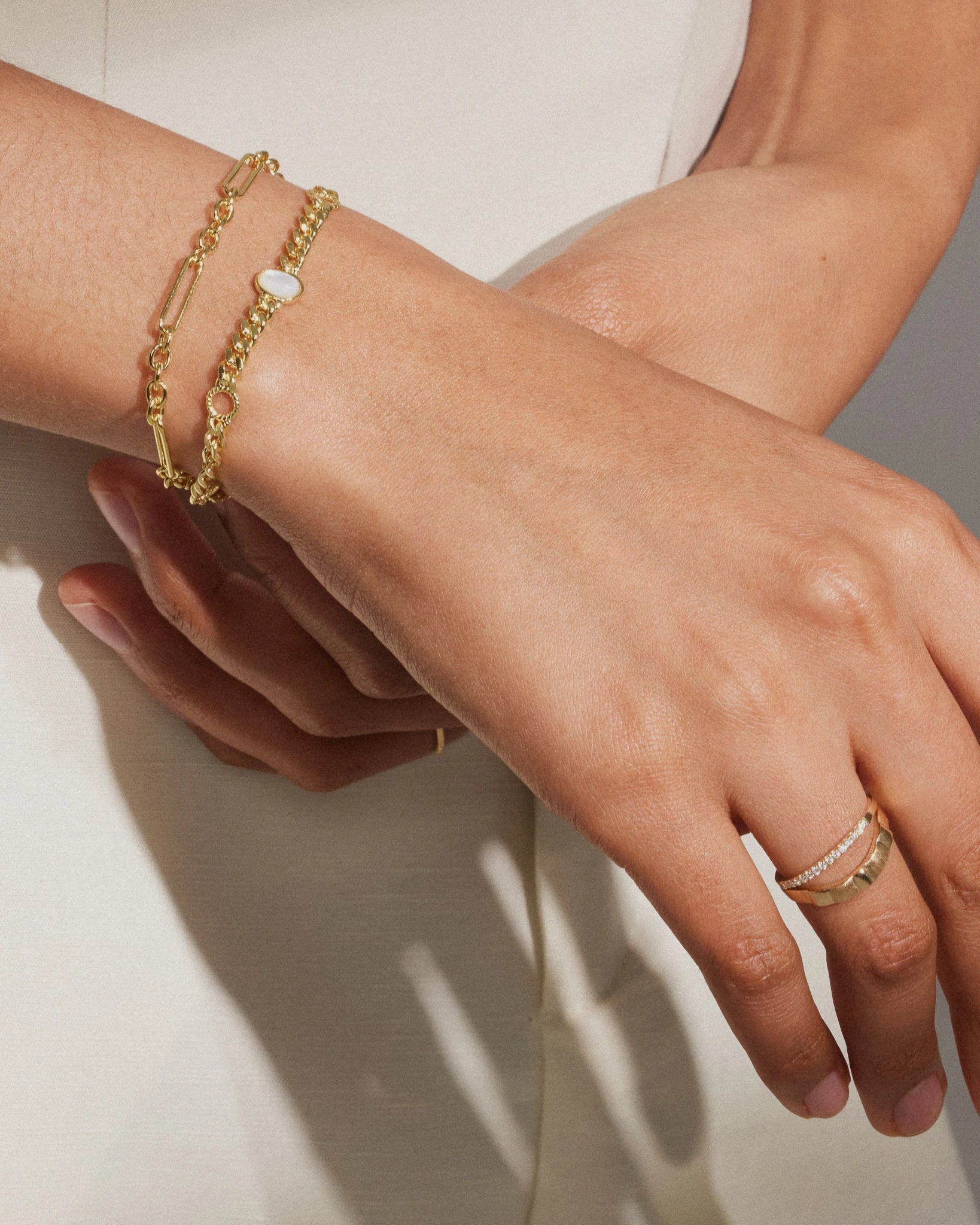
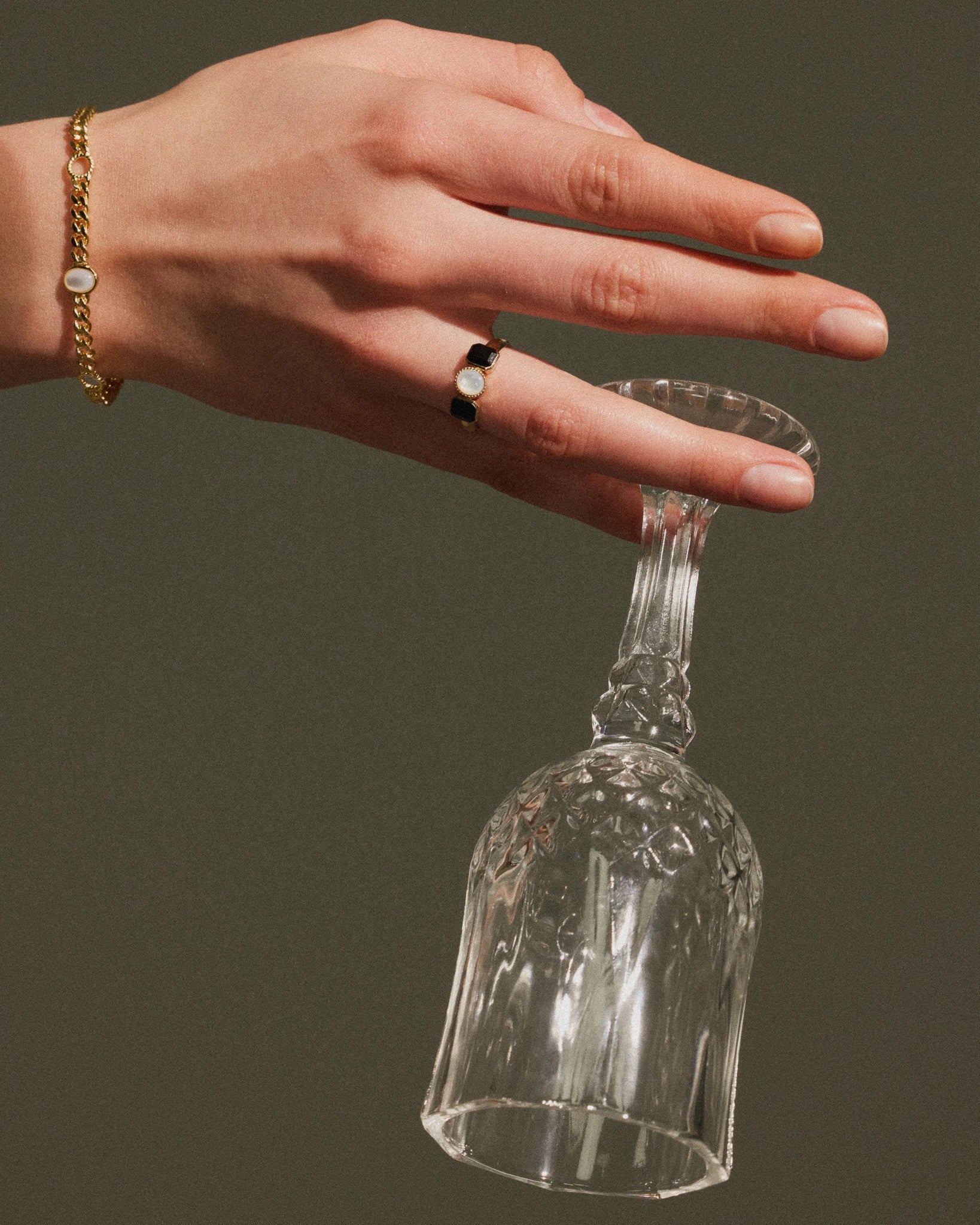
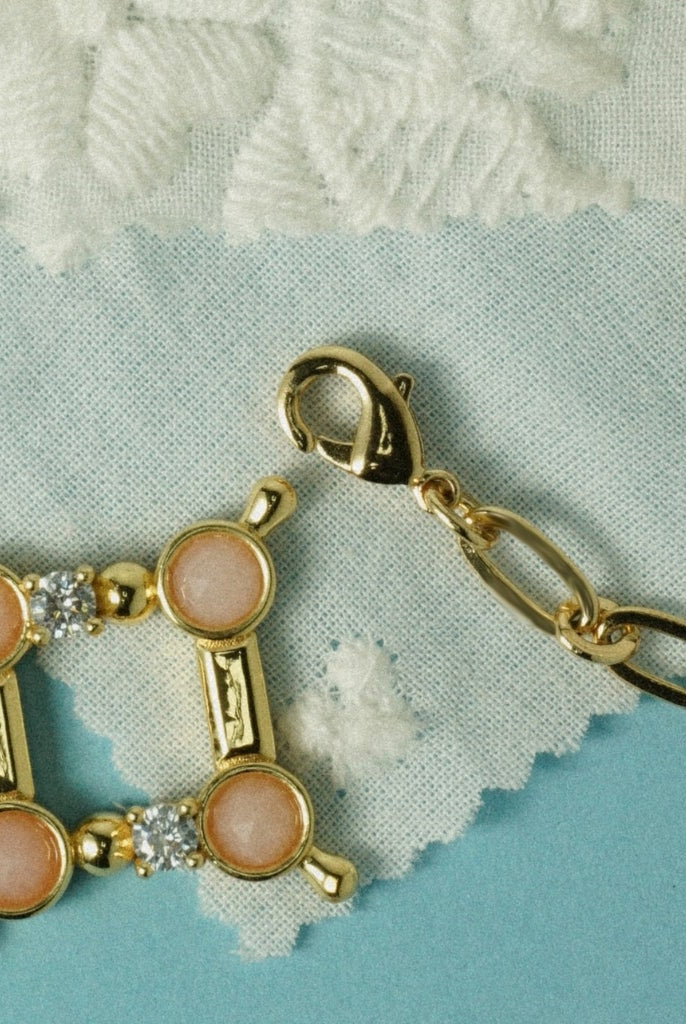
Reverie Bracelet | Simply Paperclip Chain Bracelet
A Stanza Way of Thinking About Change
Change is not one feeling.
Sometimes it is golden and brief, like Frost’s first green.
Sometimes it is steady and returning, like Longfellow’s tide.
Sometimes it is time doing what time does, wearing down what once seemed untouchable, like Shelley’s broken statue in the sand.
But all three poems remind us of the same thing:
Nothing stays exactly as it is.
Not seasons.
Not people.
Not love.
Not even the stories we tell about ourselves.
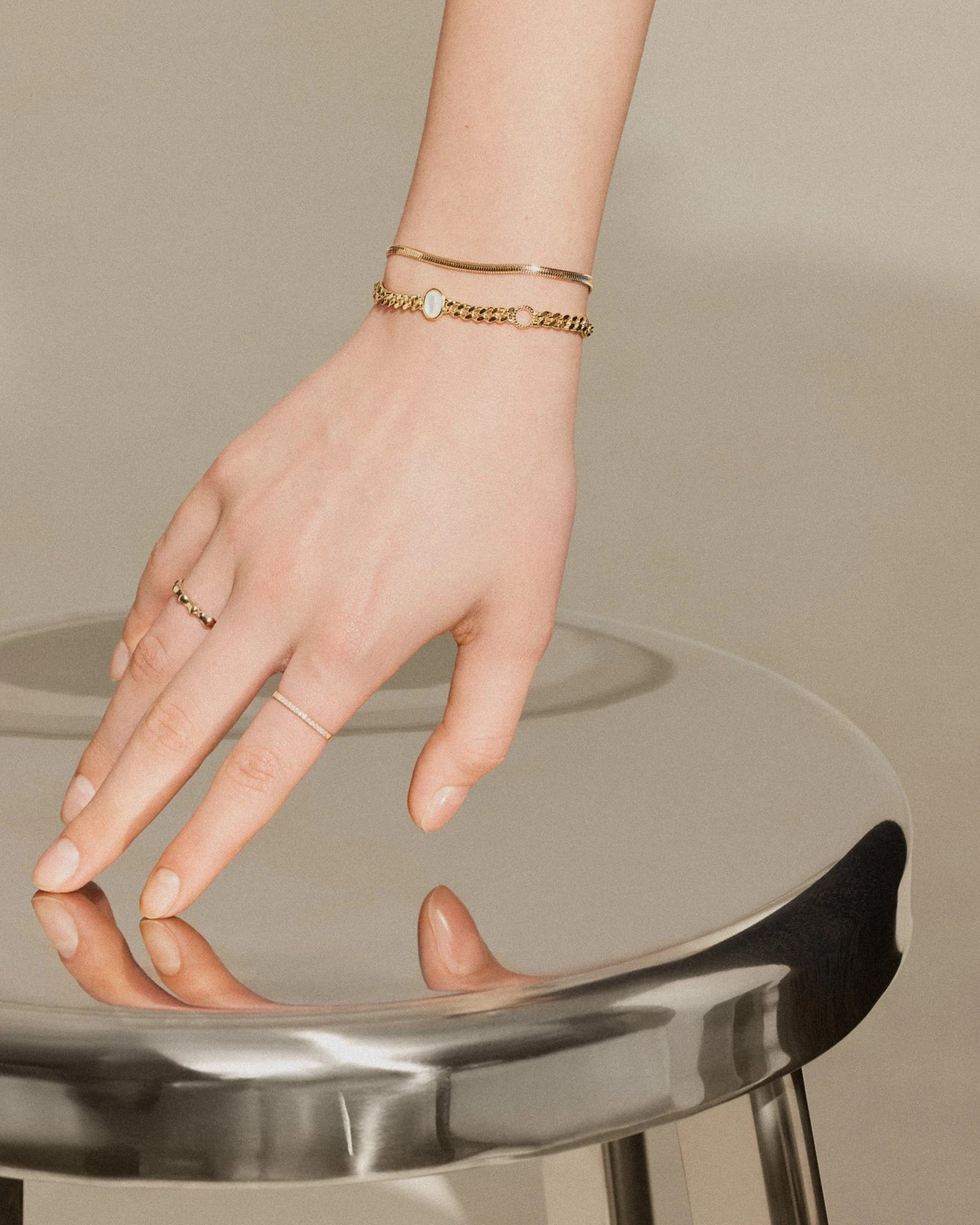
And maybe that is why jewelry can feel so personal. It becomes a small marker inside a moving life. Something worn through transitions, carried from one version of yourself to the next.
A piece does not freeze a moment.
It helps you remember that you were there.
That you changed.
That you kept going.

One Last Thought
Change can feel like loss when we are in the middle of it.
But sometimes, looking back, we realize change was also how we became more ourselves.
The gold changed.
The tide returned.
The statue fell.
And still, something remained.
Not the same as before.
Maybe something truer.